
Small Round Pedestal Table
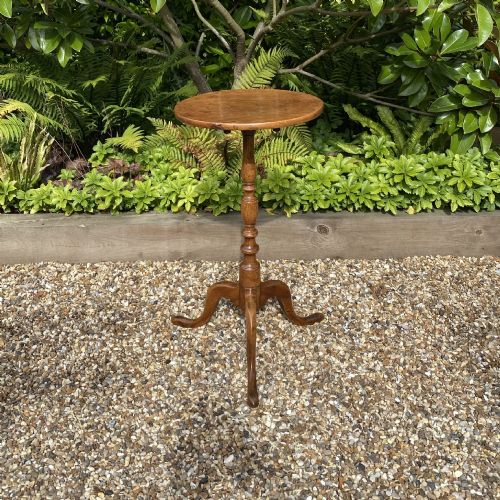
A small round pedestal table offers compact surface utility rooted in centuries of classical furniture design.
Small Round Pedestal Table
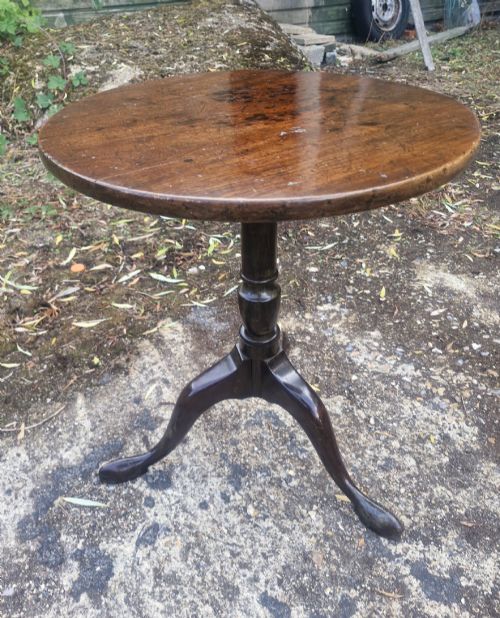
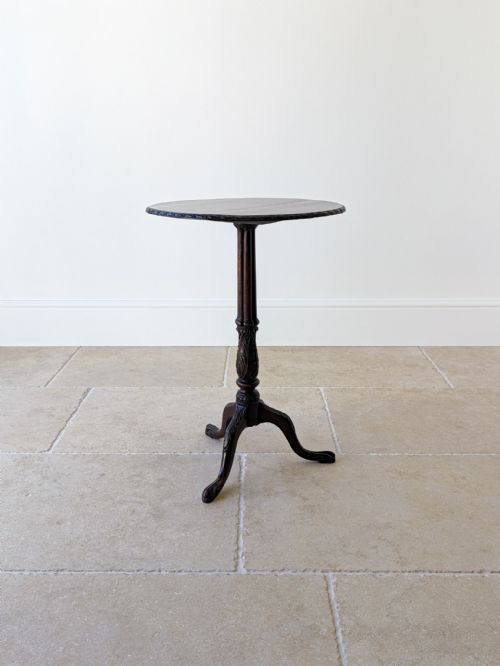
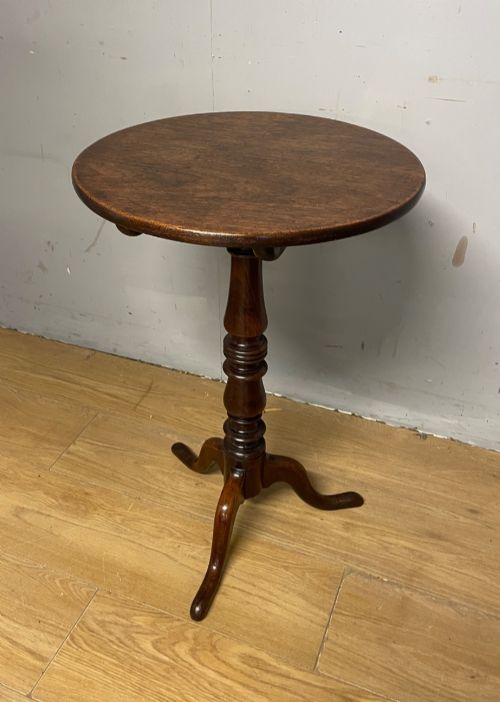
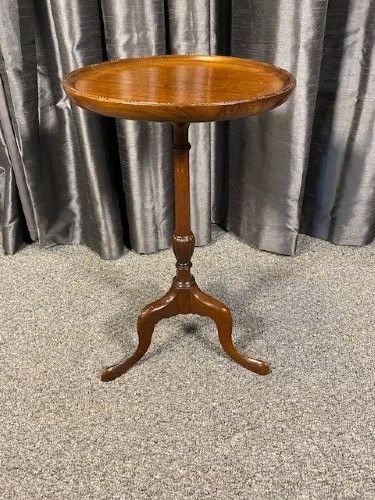
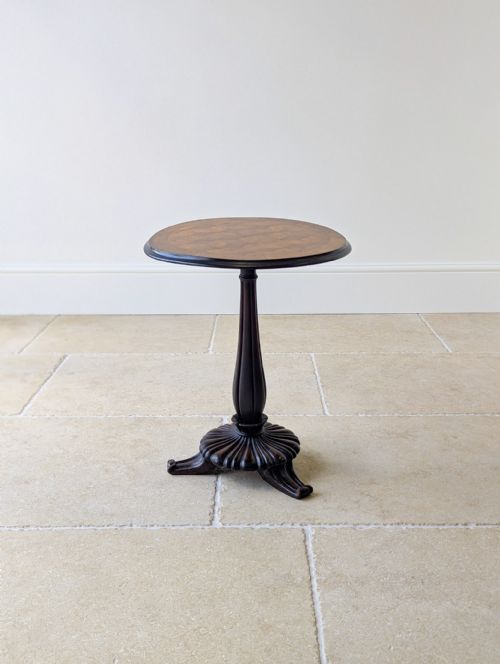
When you search for a small round pedestal table, you encounter diverse forms designed to hold lamps, wine glasses or books in tight spaces. The selections span centuries of British, Swedish and French cabinet-making traditions, moving from eighteenth-century Georgian wine tables to Victorian occasional pieces.
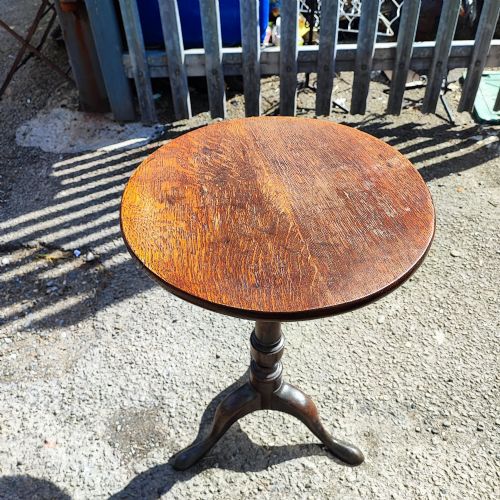
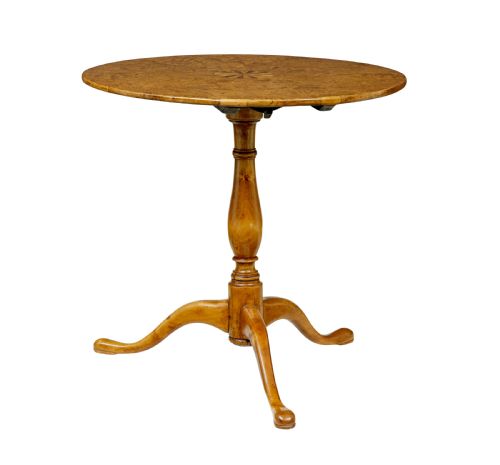
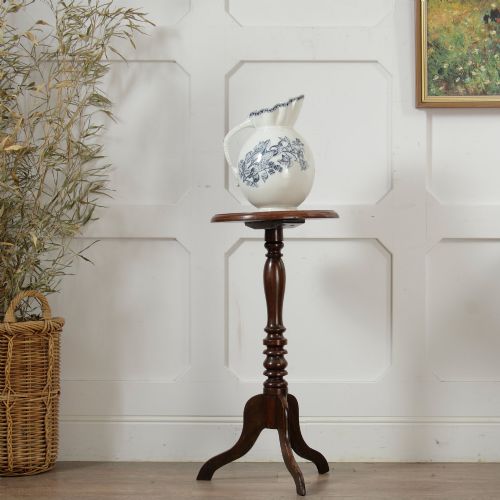
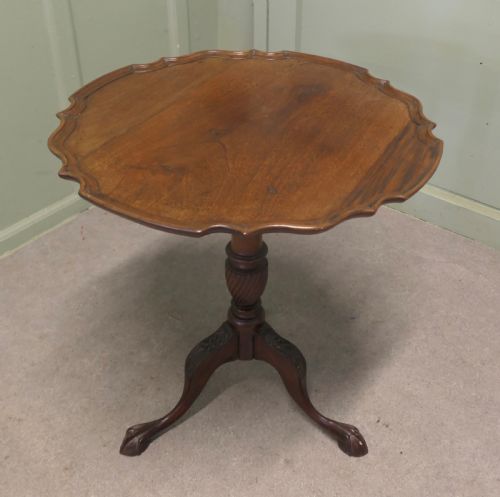
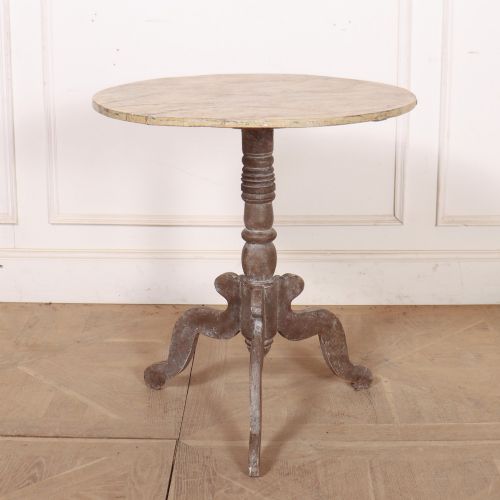
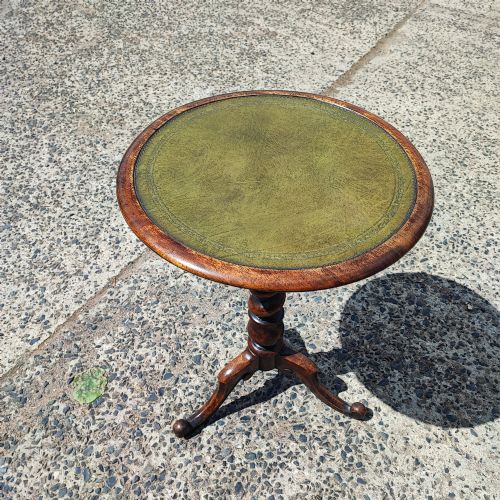
Tripod bases dominate the available pieces, featuring three legs radiating from a central pillar that often includes a tilt-top mechanism. You also meet heavier drum tables, painted French bistro tables with marble tops, and barley twist pedestals from the Victorian era.
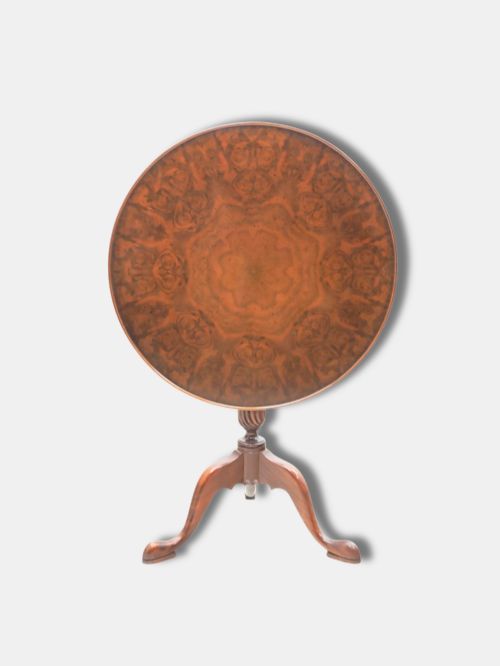
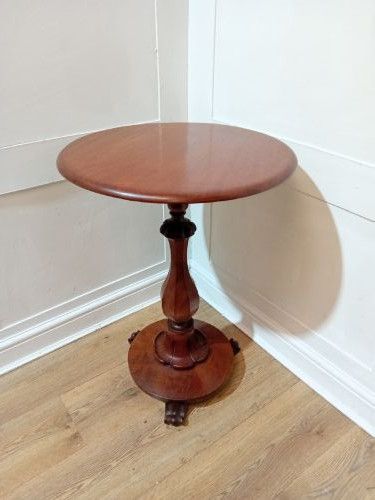
Timber choices define the visual weight, ranging from deeply figured mahogany and walnut to lighter oak, yew and burr birch. Occasional and side tables serve functional roles beside seating, while specialised wine tables remain low and slender.
Materials and construction
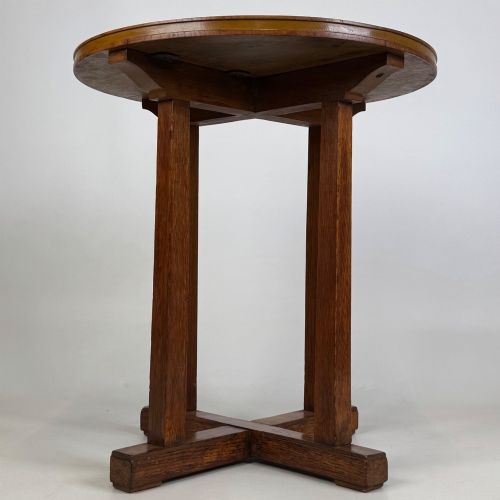
Cabinet-makers utilised dense hardwoods such as mahogany, walnut and rosewood for structural stability and fine turning on the central column. Oak appears in earlier country pieces and later Arts and Crafts interpretations, while iron and marble combine in continental bistro designs.
Joinery relied on sturdy tenons and turned dowels to anchor the tripod legs securely to the central pedestal. Table tops often incorporated tilt mechanisms with brass catches, allowing the surface to fold flat against the pillar when not in use.
Small Round Pedestal Table Retail Price Guide 2026
Typical asking prices for small round pedestal table among the pieces listed under this phrase on Sellingantiques today, from the lower quarter to the upper quarter. They describe what is for sale here now, not the wider market.
A nineteenth-century French jeweller's table hides tiny treasures in its past, while sturdy wine tables still steady themselves on three loyal legs.
Assessing quality and proportion
Quality reveals itself in the harmony of the turning, the sharpness of carved tripod legs and the selection of timber veneers. Figured mahogany and burr walnut display rich grain patterns that lift a simple occasional table into a work of cabinet-making art.
The integrity of the central column attachment dictates structural longevity, as inferior repairs or loose leg joints compromise stability. Original tilt mechanisms and brass fittings carry more weight among collectors than replaced components.
The Small Round Pedestal Table Glossary
- Tripod table
- A small round table supported by a central pillar resting on three legs. This design became standard during the Georgian period to prevent rocking on uneven floors.
- Tilt-top
- A hinged table top that pivots vertically to save space when stored against a wall. This mechanism typically utilises a wooden catch or brass latch.
- Wine table
- A low, slender pedestal table originally designed to hold glasses or bottles beside a chair. They frequently feature small circular tops.
- Drum table
- A heavy, round occasional table with a deep frieze resembling a drum, often containing drawers. William IV and Regency examples utilise this sturdy form.
- Pie crust
- A carved, raised edge detail shaped in undulating curves resembling pastry. This decorative flourish appears on finer Georgian and revival tables.
Small Round Pedestal Table: Frequently Asked Questions
What is a small round pedestal table used for?
These pieces serve as versatile surface points beside armchairs or sofas for holding lamps, drinks and books. Their compact footprints suit smaller rooms where larger furniture proves impractical.
Historically, specific variations functioned as wine holders or bedside surfaces, adapting readily to modern living spaces as decorative accents.
How do I tell a Georgian table from a Victorian one?
Georgian examples often display restrained lines, delicate tripod legs and plain mahogany or oak surfaces. Victorian pieces frequently introduce heavier turnings, such as barley twists, or more ornate carved details.
Revival pieces produced around nineteen hundred frequently mimic earlier Georgian styles, requiring close inspection of timber ageing and interior joinery to confirm exact dates.
Can I use a French bistro table outside?
Cast iron and marble bistro tables originating from France tolerate covered outdoor environments well due to their durable metal frames and stone tops. However, extreme frost can crack marble over time.
Wooden varieties require indoor placement to protect polished mahogany and walnut veneers from moisture damage and direct sunlight.