
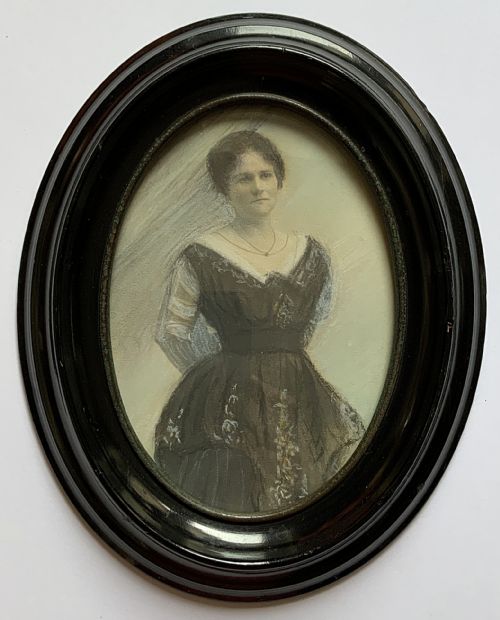
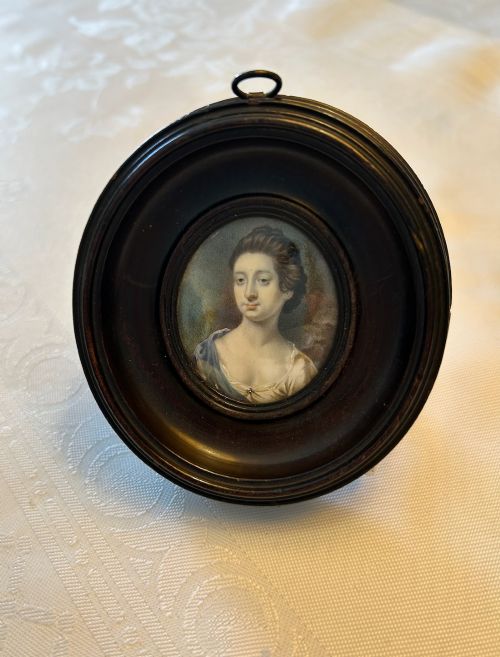
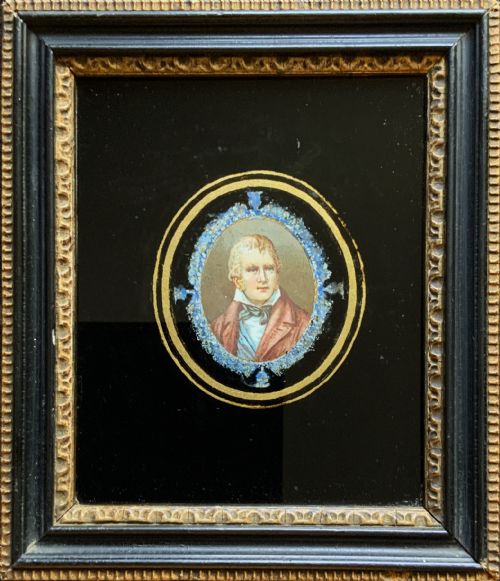
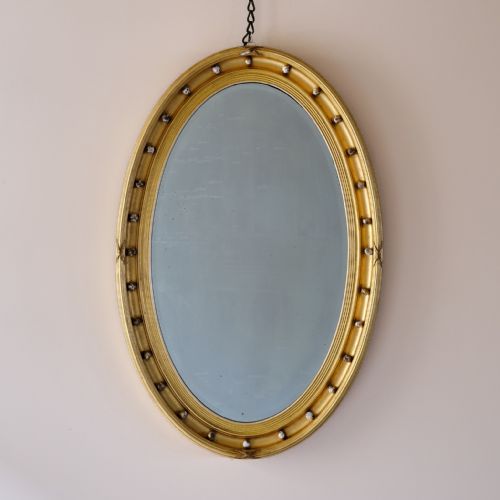
Small Portrait in Frame
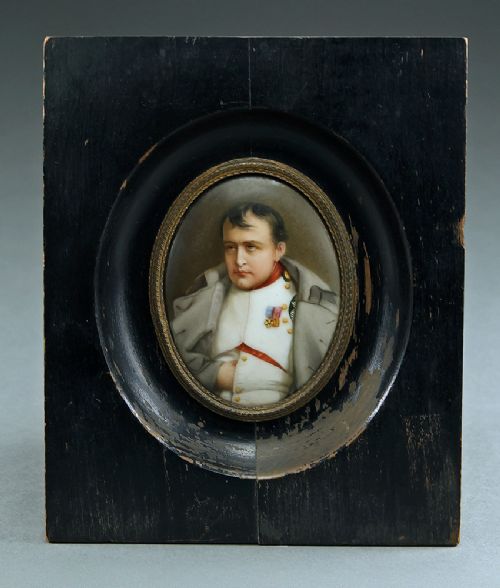
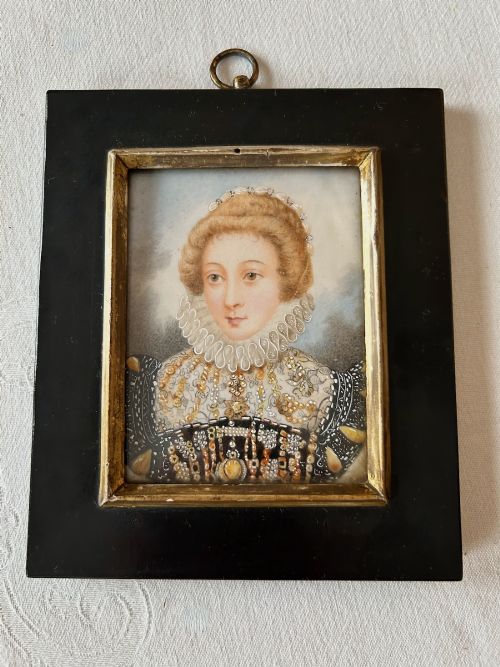
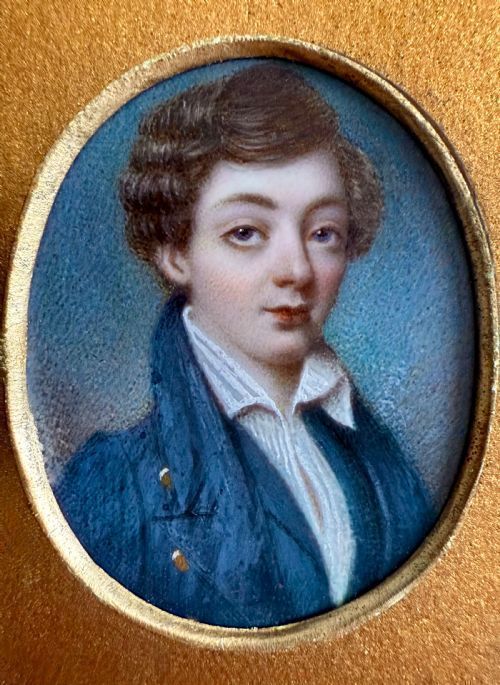
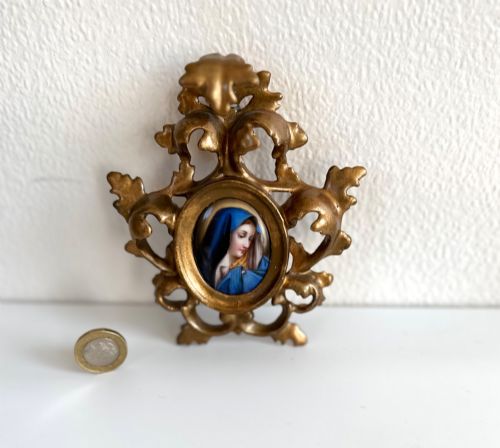
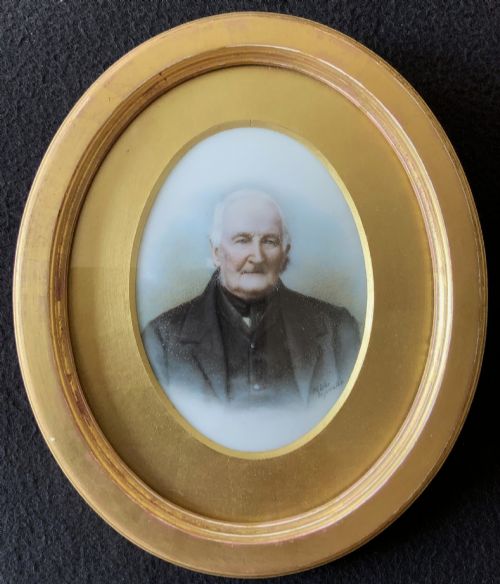
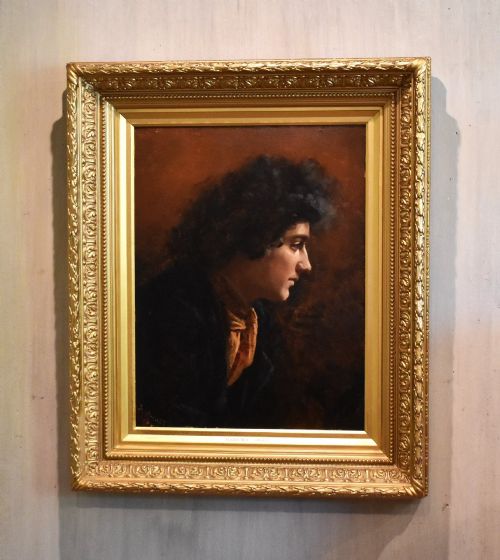
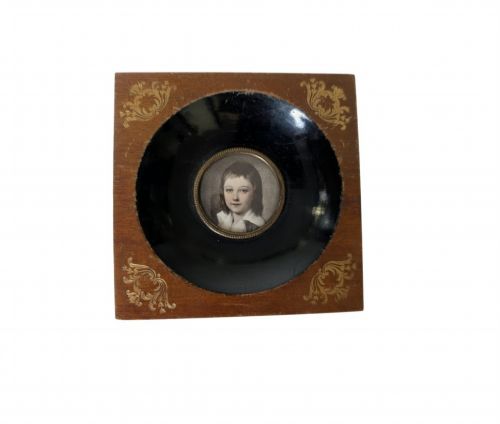
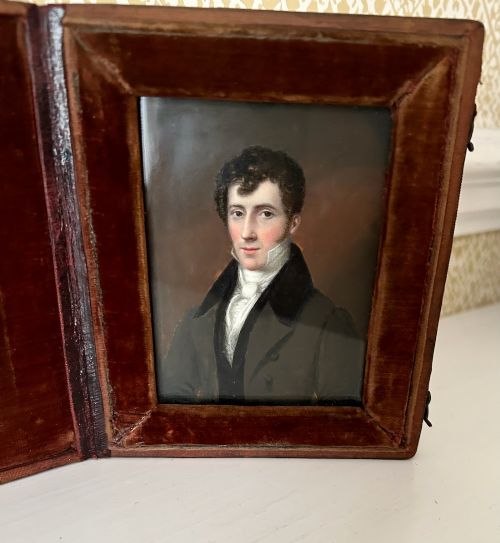
A small portrait in frame captures character on a diminutive scale, offering collectors intimate historical likenesses housed in period settings.
Small Portrait in Frame
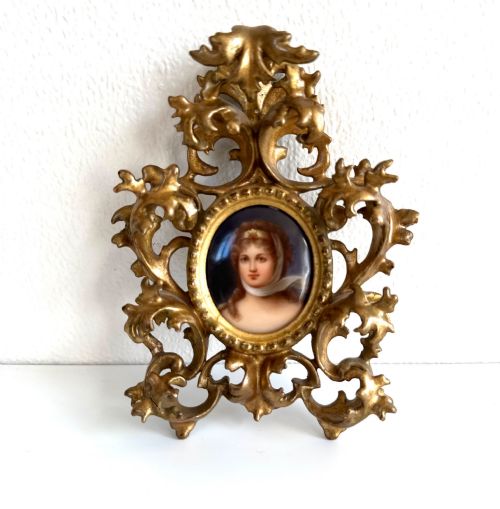
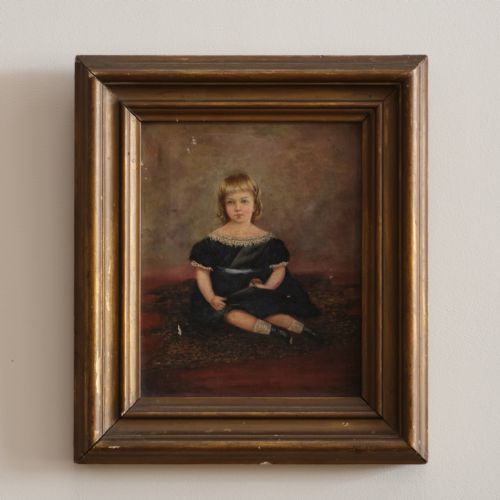
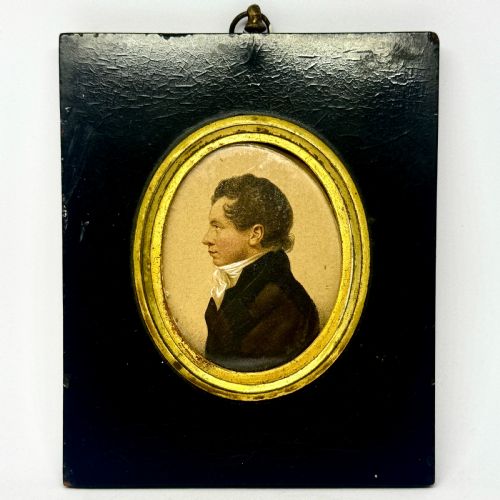
A small portrait in frame encompasses miniature paintings, watercolour studies and small oil works produced across the eighteenth, nineteenth and early twentieth centuries.
Buyers encounter subjects ranging from Regency gentlemen and Victorian ladies to historical figures, children and animals.
The selections span Georgian, Victorian, Regency and Edwardian eras, reflecting varied portraiture traditions.
Materials and Construction
Artists painted these works using watercolour, pastel, gouache or oil on supports including paper, ivory, canvas, board and glass.
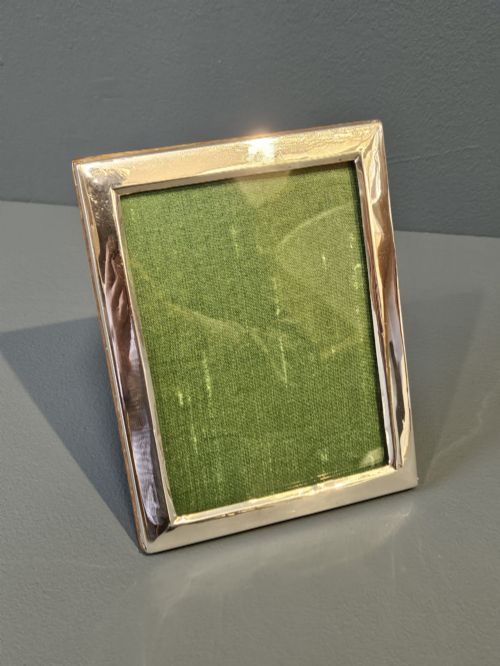
Framing utilised ebonised wood, gilt metal, brass, giltwood and carved wood, frequently accompanied by glass protective covers.
Makers integrated seed pearls, brass stands and gesso ornamentation to accent the enclosures.
Subjects extend beyond human sitters to include a stylish cat in oil pastels and a hound dog with her litter.
Standards of Execution
The harmony between the artwork and its original period frame dictates the desirability of the piece.
Henri Fradelle·Richard Cosway·Florence Small·Dumont·Samuel Raven·George Hargreaves·Emma Kendrick·Isaac Wane Slater·Moseley
The Small Portrait in Frame Glossary
- Portrait Miniature
- A small-scale painting depicting a person, executed with fine detail.
- Ebonised Wood
- Timber treated to imitate ebony, commonly used for dark contrasting frames.
- Gilt Metal
- Metal treated with a gold-coloured finish or plating to enhance decorative appeal.
- Gouache
- An opaque watercolour medium that provides solid blocks of colour and fine detail.
- Regency
- The stylistic period spanning the early nineteenth century defined by classical restraint.
Small Portrait in Frame: Frequently Asked Questions
What periods do these portraits date from?
The pieces originate primarily from the eighteenth and nineteenth centuries, including Georgian, Regency and Victorian eras.
Later examples extend into the early twentieth century, reflecting shifting tastes in miniature art.
What mediums were used for these paintings?
Artists employed watercolour, oil paint, pastel and gouache.
Supports varied from ivory and paper to canvas and glass.
Are the frames original to the pieces?
Many retain period enclosures made of ebonised wood, brass or gilt metal.
Certain items feature specialised details such as seed pearls or display stands.
How should I display a small portrait?
These works suit intimate wall displays or tabletop placement on stands.
Direct sunlight should be avoided to protect delicate watercolours and pigments.