
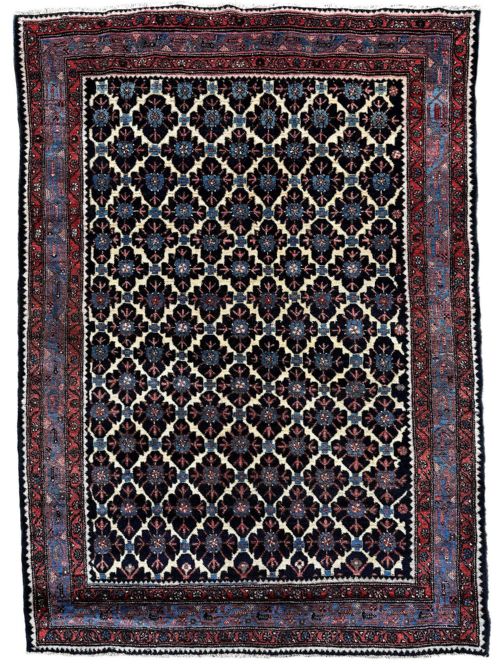
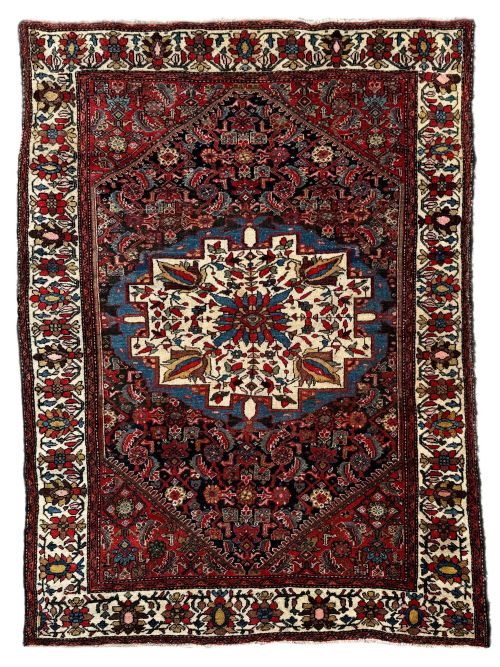
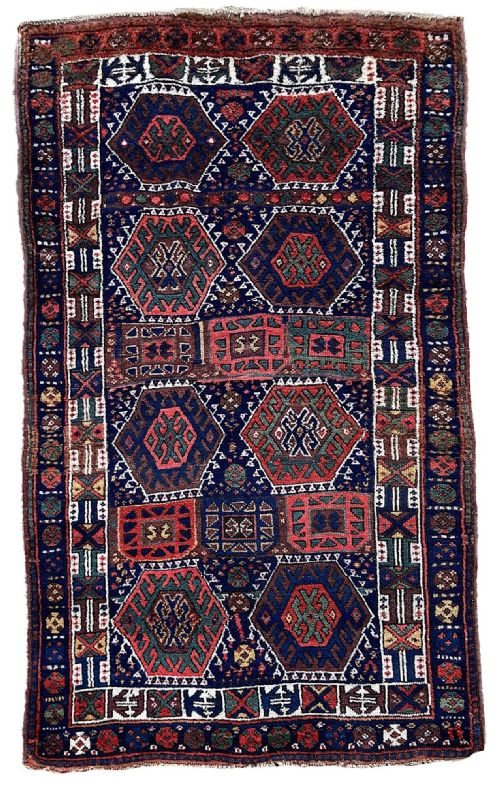


Small Persian Runner
A small persian runner brings centuries of village craftsmanship into a narrow hallway or beside a bed, offering dense wool pile and rich natural dyes.
Small Persian Runner
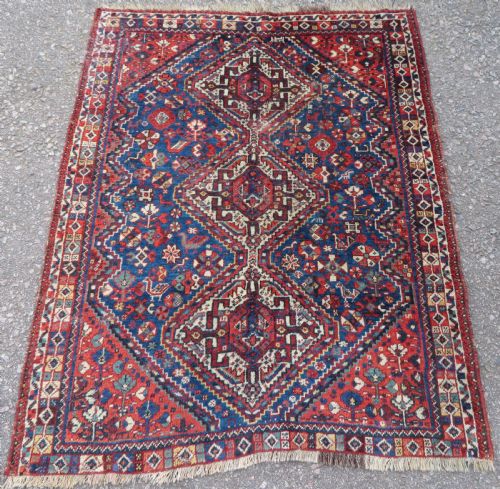
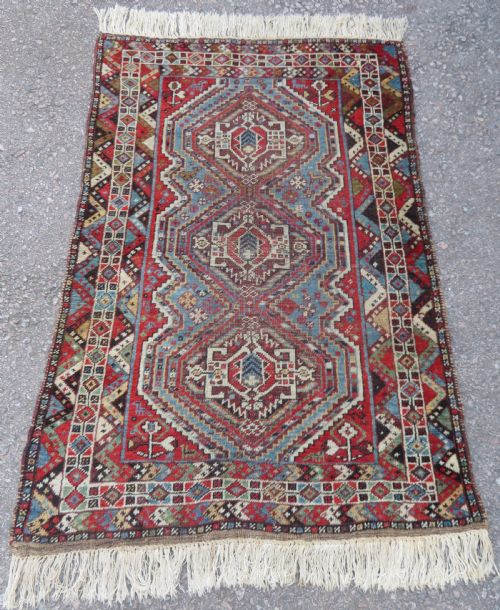
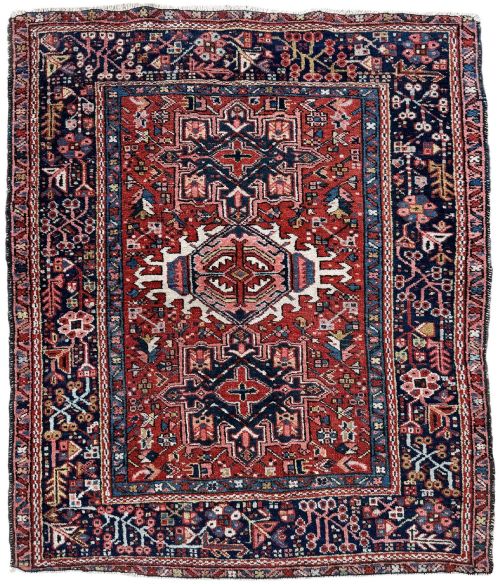
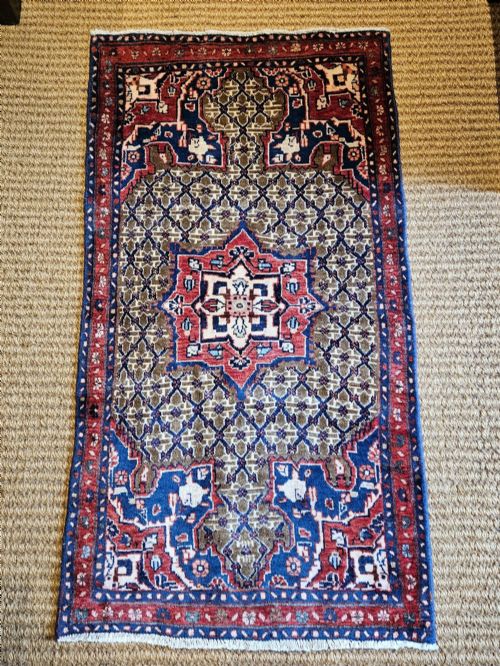
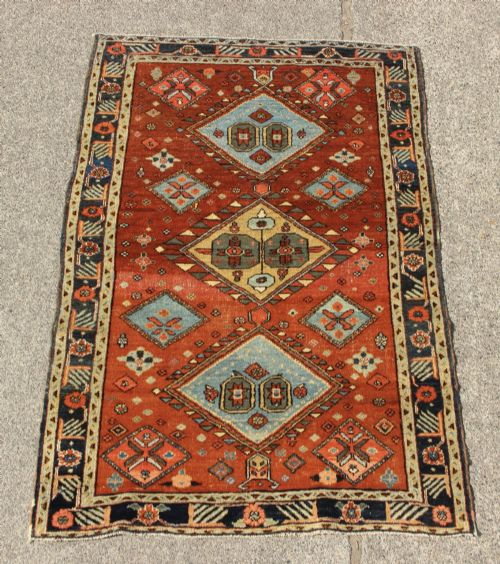
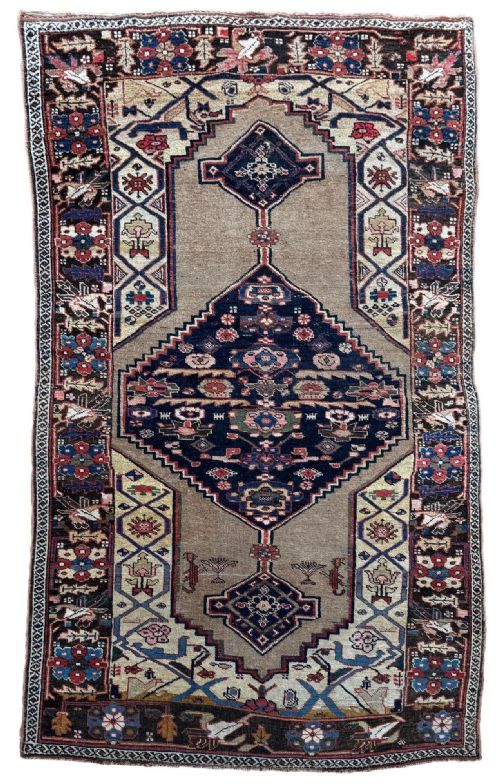
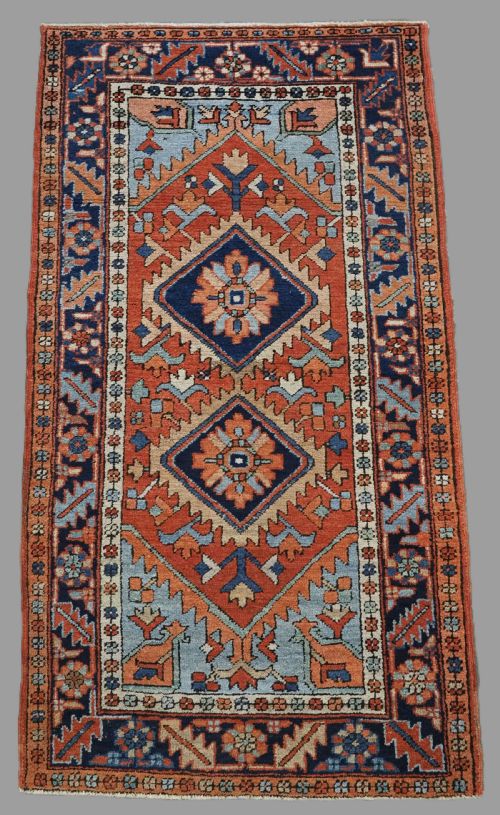
A small persian runner typically measures narrow and elongated, designed specifically for corridors, passageways, and smaller interior spaces. The pieces gathered here draw from traditional weaving centres and tribal regions, spanning the nineteenth century up through the nineteen-thirties.
Village and tribal examples dominate the selection, bringing spontaneous weaver expression and characterful motifs into modern homes. These formats provide practical floor coverings that fit awkward spaces while displaying authentic historical provenance.
How they were made
Weavers constructed these pieces using hand-spun wool for the pile, often set upon sturdy cotton or wool foundation warps and wefts. The application of natural dyes yielded deep madder reds, indigos, and earthy tones that age gracefully over decades of use.
Nomadic and village artisans tied dense knots by hand, employing local weaving traditions passed down through generations. Some finer examples incorporate silk elements or delicate knotting structures that define specific regional workshops.
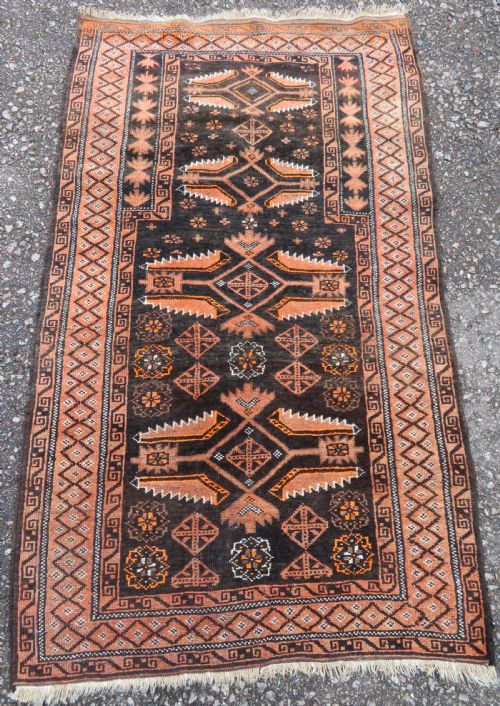
Some Baluch prayer rugs include tiny talismanic woven motifs intended to ward off the evil eye during quiet morning devotions.
What varies in quality
The density and tightness of the hand-tied knotting dictate the structural integrity and longevity of the rug. Higher quality pieces display precise execution of intricate geometric or floral fields, maintaining straight borders and balanced proportions.
The vibrancy and depth of the natural dyes separate standard examples from superior specimens. Uniformity in wool preparation and minimal foundation distortion also distinguish master weaver output from routine domestic production.
The Small Persian Runner Glossary
- Boteh
- A stylised almond or pear-shaped motif representing a sprout, cypress tree, or flame. This ancient pattern appears frequently across Persian and tribal weavings.
- PushtI
- A small mat or rug designed to be placed on a low seat or used as a small floor covering. These compact pieces often feature concentrated village designs.
- Gul
- A medallion or floral octagonal stamp used repeatedly across tribal carpets, particularly associated with Turkmen and Baluch weaving traditions.
- Warp
- The vertical foundation threads stretched tightly on the loom before knotting begins. The visible fringe at either end of the rug consists of these extended warp threads.
- Weft
- The horizontal threads passed back and forth through the warp threads to secure the rows of knots. Tamping down the weft properly ensures a firm and durable textile structure.
Small Persian Runner: Frequently Asked Questions
Where should I place a small persian runner?
These narrow formats work exceptionally well in hallways, kitchens, landings, and beside beds where standard rectangular rugs are too wide. Their elongated proportions guide the eye through narrow spaces while protecting high-traffic wooden floors.
Positioning them away from direct, continuous heavy footfall helps preserve the hand-spun wool pile and natural dyes for years to come.
How do I clean an antique runner?
Gentle surface brushing and careful vacuuming without a rotating beater bar remove everyday dust and grit from the wool pile. Professional specialist cleaning remains the safest method for addressing deeper soil or spills.
Avoid harsh commercial detergents and excessive water immersion, which can damage natural dyes and weaken historical cotton foundations.
How can I tell tribal rugs apart?
Tribal pieces like Baluch, Kurdish, and Afshar typically feature geometric memory patterns, hooked polygons, and earthy dark colour palettes derived from local plants. Village weavers worked without pre-drawn paper cartoons, resulting in charming irregularities and spontaneous design shifts.
In contrast, city workshop rugs from centres like Tabriz or Kashan showcase precise symmetry, curved floral vines, and finer knot counts.
Are natural dyes easy to spot?
Natural dyes derived from sources like madder root and indigo develop a soft, harmonious patina as they age. They often display subtle abrash, which is a gentle tonal variation in colour resulting from different dye batches.
Chemical synthetic dyes introduced later tend to remain flat and uniform, sometimes bleeding or harsh under bright household lighting.