

Small Pedestal Lamp Table
A small pedestal lamp table offers a compact surface for evening light, arriving in mahogany, oak, walnut and fruitwood across Georgian, Victorian and Edwardian periods.
Small Pedestal Lamp Table
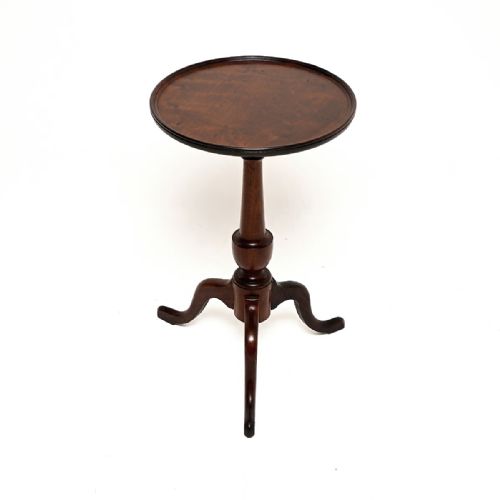
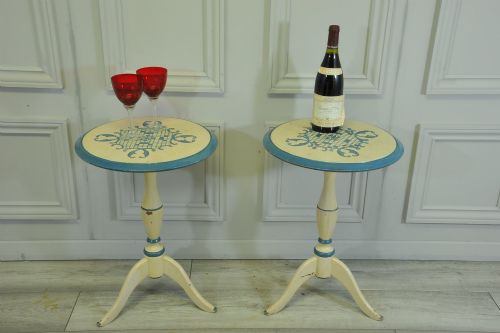
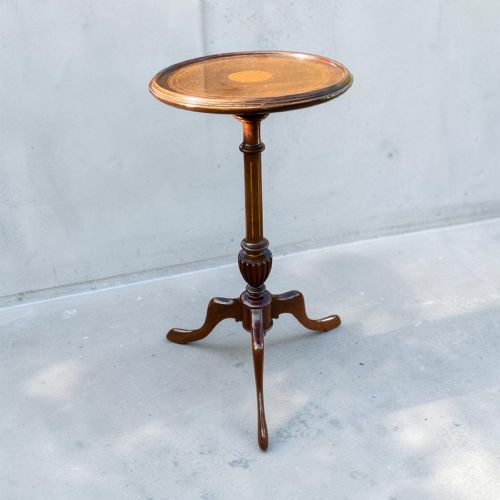
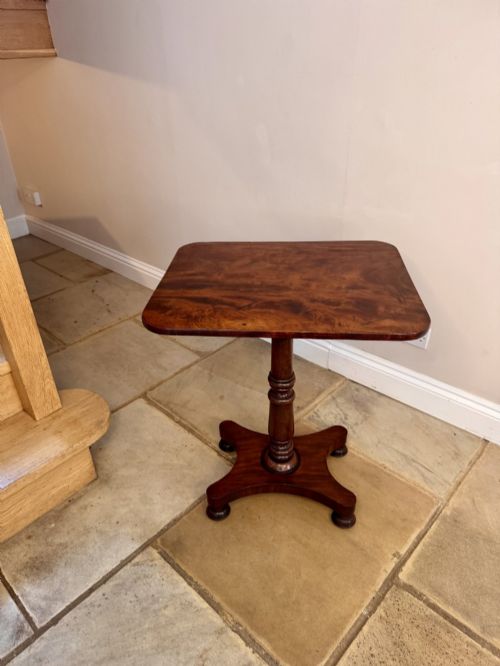
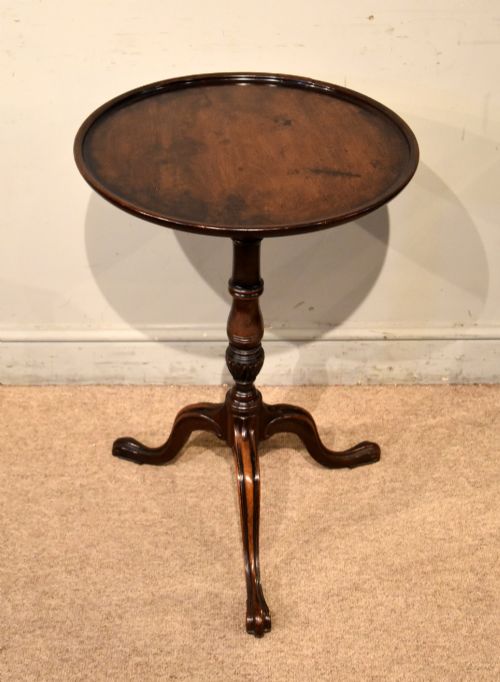
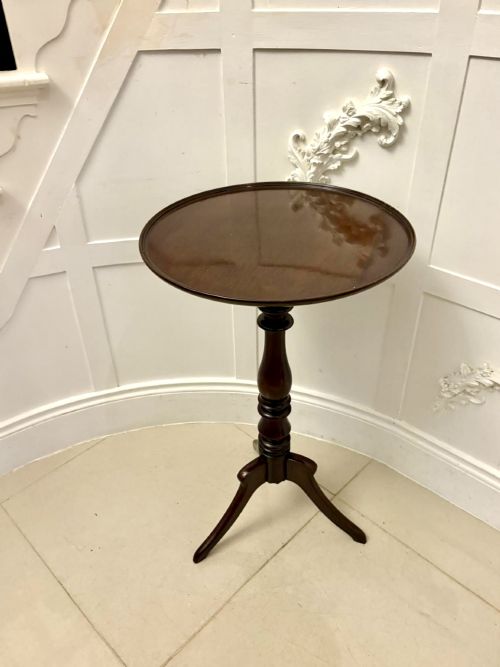
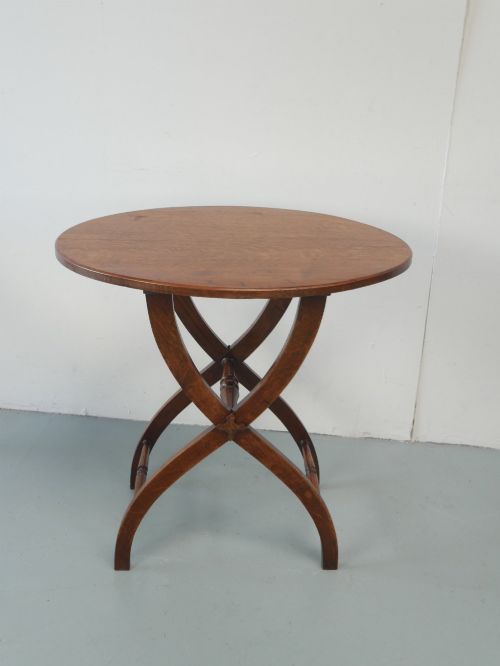
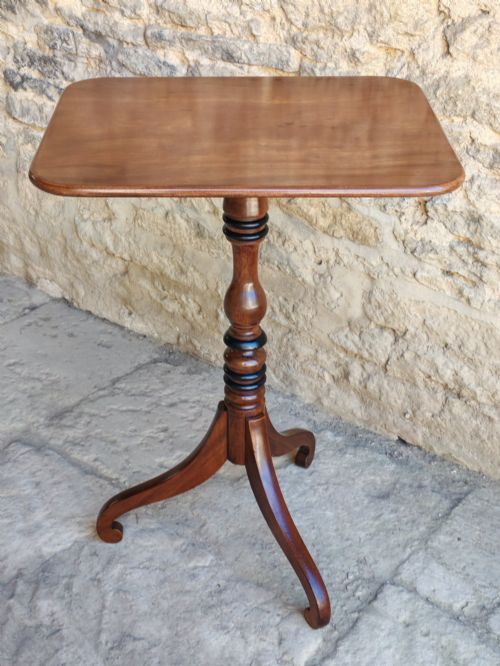
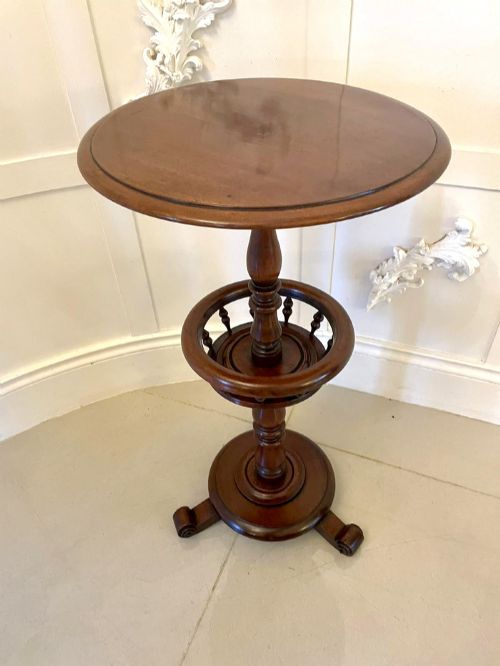
A small pedestal lamp table is a compact surface designed originally for candles, wine or lamps, supported by a central pillar and tripod base or heavy foot. When you search for a small pedestal lamp table, you meet a range of forms including wine tables, tilt-top stands, occasional tables and bedside cabinets.
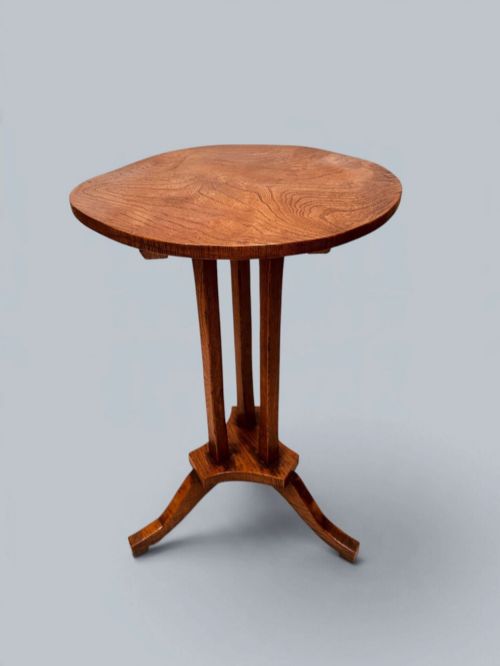
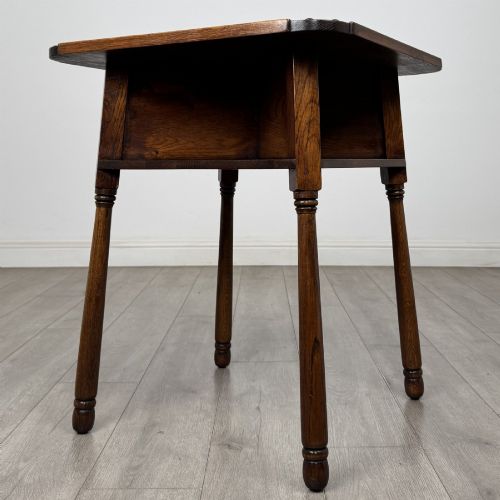
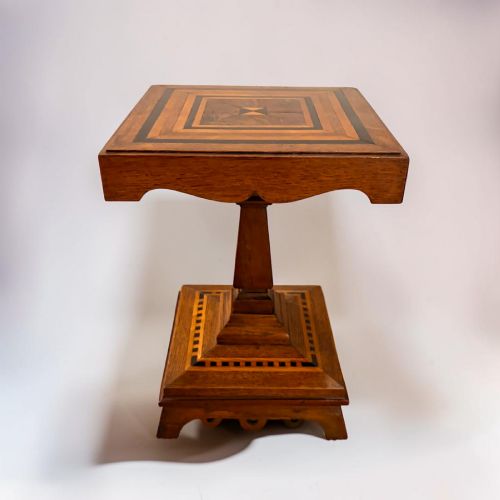
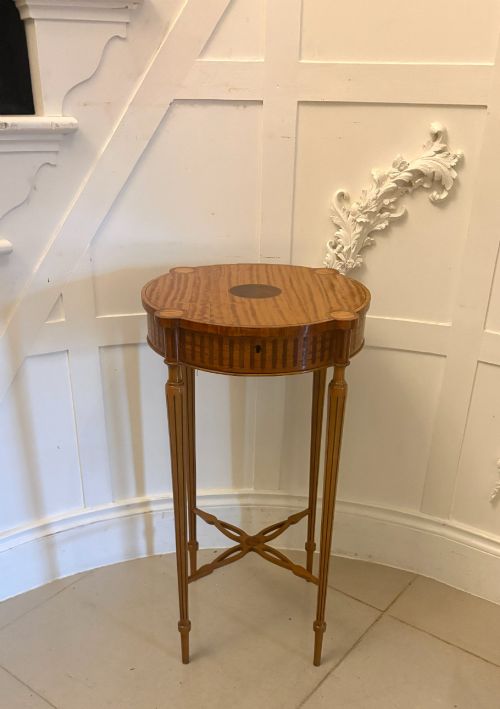
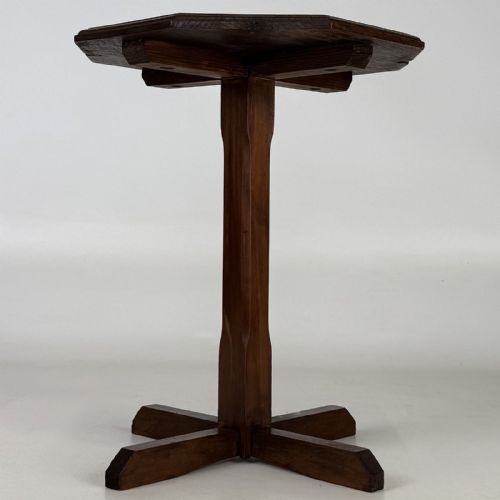
The pieces appearing on this page span the eighteenth, nineteenth and early twentieth centuries, drawing on Georgian, Regency, Victorian, Edwardian and Arts and Crafts design traditions. Mahogany, oak and walnut dominate the selection, alongside rarer examples in satinwood, burr walnut, rosewood, fruitwood and elm.
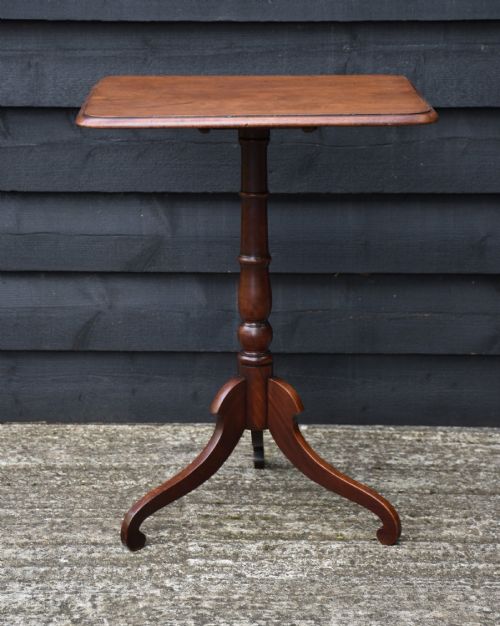
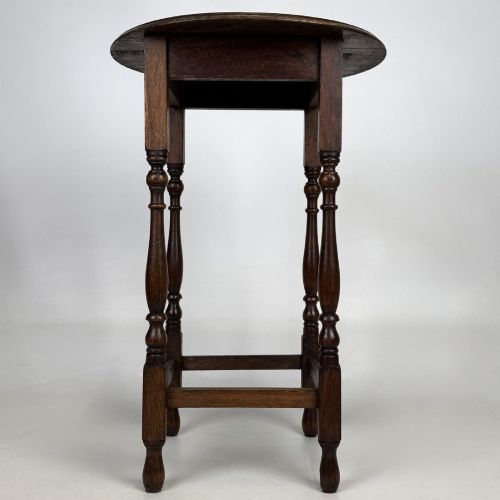
Circular, oval, octagonal and rectangular tops sit upon turned barley twist, bobbin-turned or carved pillars. These tables serve equally well beside a reading chair today as they did holding a candlestick in a period parlour.
How they were made
Cabinetmakers constructed these tables using dense timbers such as mahogany, oak and walnut, often selecting figured veneers like burr walnut or satinwood for the top surface. Solid secondary woods such as elm or fruitwood supported internal framing and pillar turnings.
Joinery combined pegged tenons, dovetails and precise wood-turning on a lathe for the central pedestals and tripod legs. Tops were frequently built to detach or tilt via clever brass or wooden catches, allowing the table to be stored flat against a wall when not in use.
Small Pedestal Lamp Table Retail Price Guide 2026
Typical asking prices for small pedestal lamp table among the pieces listed under this phrase on Sellingantiques today, from the lower quarter to the upper quarter. They describe what is for sale here now, not the wider market.
What varies in quality
Quality rests upon the crispness of the carving, the selection of timber figure, and the structural integrity of the central pillar joint. Superior pieces exhibit fine hand-carving on the tripod legs and balanced proportions that prevent the table from tipping under a weight placed near the edge.
The refinement of the turning on the pedestal and the presence of original brass fittings distinguish a workshop piece from a simpler vernacular item. Patina accumulated through age, combined with tight joinery, separates the finest survivors from later reproductions.
The Small Pedestal Lamp Table Glossary
- Tilt-top
- A table top hinged to the pedestal so it can tilt vertically when not in use. This clever mechanism saved floor space in smaller rooms.
- Tripod base
- A pedestal support terminating in three legs. It provides stable footing on uneven floors compared to a standard four-legged frame.
- Pie crust rim
- A carved, raised edge shaped in undulating curves resembling pastry work. It prevented glassware or candles from sliding off the surface.
- Barley twist
- A spiral turning resembling a twisted rope. This decorative woodworking technique appears frequently on nineteenth-century table pillars.
- Occasional table
- A light, movable table used for specific, temporary purposes such as holding a lamp or book. They were easily carried around a drawing room.
Small Pedestal Lamp Table: Frequently Asked Questions
What is a small pedestal lamp table used for?
These tables provide a sturdy surface for task lighting, drinks or decorative objects beside a sofa or armchair. Their small footprint makes them ideal for filling awkward corners without crowding a room.
Historically, similar stands held tallow candles or wine glasses during evening gatherings. Today, they bring historic character and practical surface area to contemporary sitting rooms.
How can I tell a Georgian table from a Victorian one?
Georgian tables generally display restrained classical proportions, elegant mahogany grain, and subtle tripod carving. They date from the eighteenth or early nineteenth century and prioritize clean architectural lines.
Victorian and Edwardian versions often feature bolder decorative turnings like barley twists or bobbin legs. They also introduce a wider variety of timbers and occasional inlay work.
Are tilt-top tables stable?
Tilt-top tables rely on a catch mechanism that locks the top horizontally onto the pedestal block. A well-adjusted catch holds the surface firm during normal daily use.
Over time, wear in the wooden block or brass pivot can introduce slight movement. Checking the joint ensures the table remains balanced under a heavy lamp.
Where should I place a pedestal table at home?
A pedestal table fits comfortably beside a reading chair, next to a bed as a compact cabinet, or freestanding in a hallway. The central pillar leaves ample legroom around the base.
Avoid placing antique veneered tops in direct sunlight or beside active heat sources. Stable indoor humidity protects the polished wood finishes.