
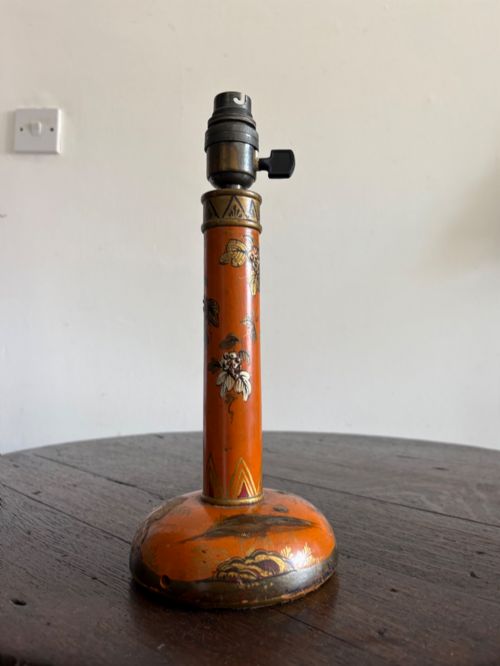


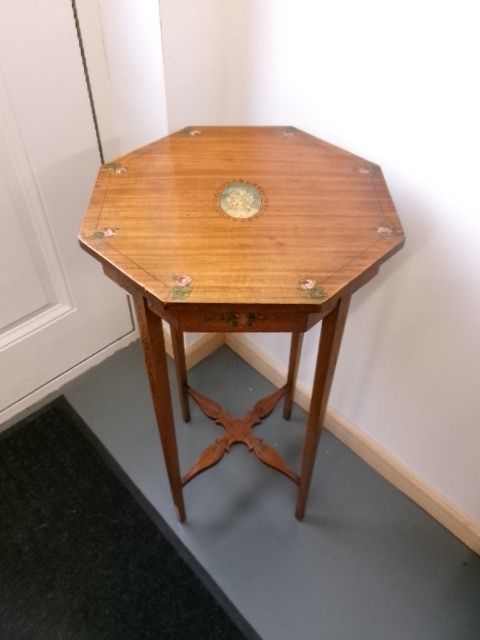


Small Painted Accent Table
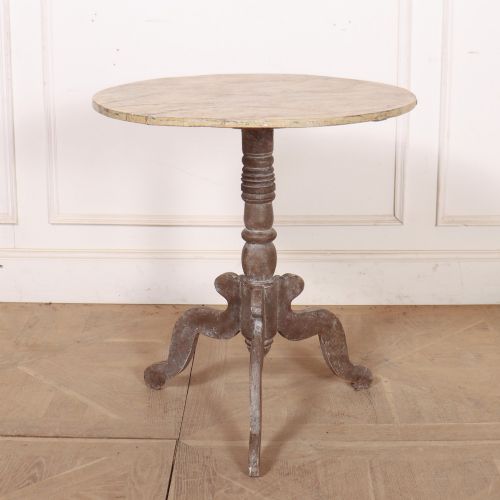
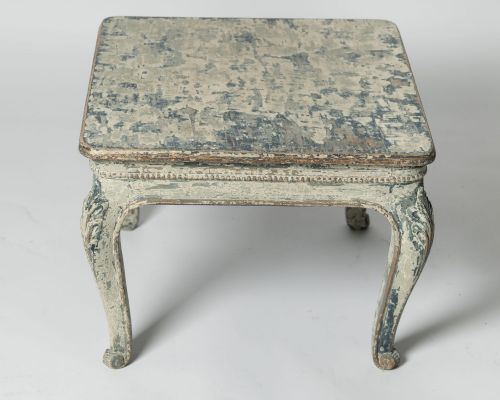
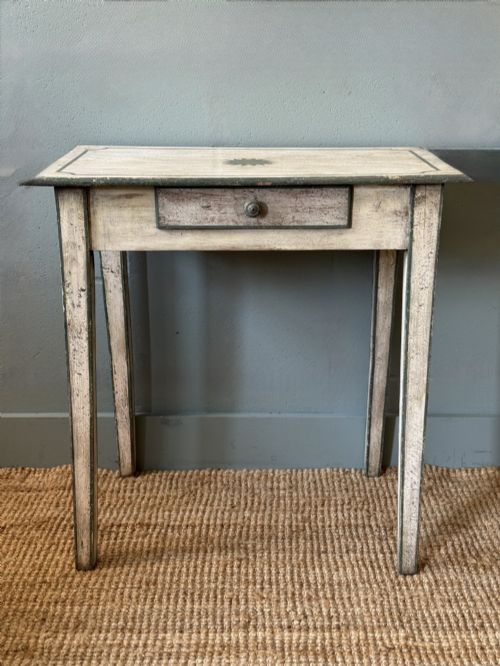
A small painted accent table brings colour and character to a corner, offering a compact surface shaped by centuries of English, French, and Scandinavian craftsmanship.
Small Painted Accent Table
A small painted accent table serves as a versatile surface for a room, functioning primarily as a side, lamp, or occasional table. These pieces bring functional utility alongside decorative charm to domestic interiors.
You are most likely to meet pieces originating from the eighteenth and nineteenth centuries, as well as the Edwardian period and the early twentieth century. Common regional styles include English Country, French Provincial, and Swedish Country.
Forms span simple lamp tables, occasional tables, and occasional pieces featuring hand-painted or decorated surfaces. Materials commonly recorded include pine, oak, timber, and fruitwood finished with paint.
How they were made
Carpenters constructed these tables using traditional timbers such as pine, oak, fruitwood, satinwood, and mahogany. Surfaces were then prepared for decorative treatments including hand-applied paint, lacquer, and giltwood.
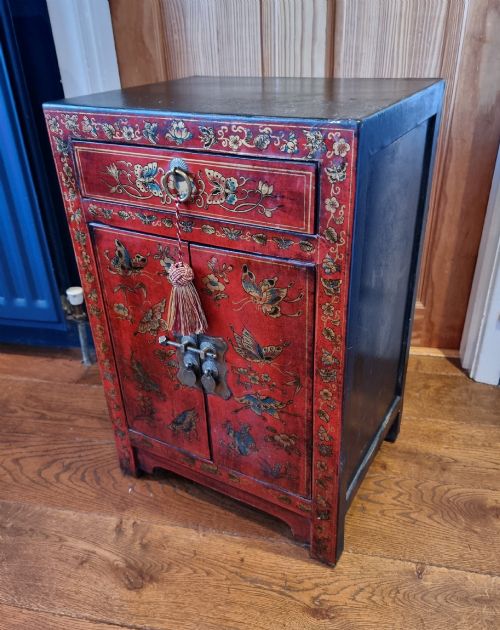
Decorative techniques often involved applied painted decoration, trompe l'oeil effects, or Chinoiserie lacquer work. Brass hardware occasionally complemented the wooden frames and painted finishes.
Some tables double their utility by pretending to be other things entirely through clever trompe l'oeil painting.
What varies in quality
The sophistication of the painted surface work distinguishes pieces across the range. Finer examples display delicate, deliberate hand-painted details or specialist techniques such as Chinoiserie lacquer and trompe l'oeil.
The choice of underlying timber also dictates quality, with dense hardwoods like mahogany and satinwood occupying a different tier to simpler utilitarian pines. Construction integrity in the joints and the crispness of any inlaid details further separate standard pieces from superior ones.
The Small Painted Accent Table Glossary
- Chinoiserie
- European decorative style inspired by Chinese artistic traditions, featuring motifs like figures, landscapes, and pavilions rendered in lacquer or paint.
- Gueridon
- A small French table, often round, supported by a central pillar or multiple legs, frequently used for holding lamps or decorative objects.
- Satinwood
- A durable, lustrous timber native to India and Sri Lanka, highly prized for fine furniture and decorative veneers during the eighteenth and nineteenth centuries.
- Trompe l'oeil
- An artistic technique that uses realistic imagery to create the optical illusion that the depicted objects exist in three dimensions.
- Occasional table
- A small, movable table designed for intermittent use within a living space, such as beside a chair or sofa.
Small Painted Accent Table: Frequently Asked Questions
What is a small painted accent table used for?
These pieces function primarily as lamp tables, bedside surfaces, or occasional stands in living spaces. Their compact proportions allow them to fit easily into corners or beside seating.
They provide a convenient surface for lighting, plants, or small decorative objects while introducing colour and painted texture to a room.
How do I date a painted accent table?
Dating relies on identifying the underlying timber, construction methods, and stylistic cues from the recorded periods. Eighteenth-century examples often show different structural joinery compared to Edwardian or early twentieth-century pieces.
The style of the painted decoration, whether Chinoiserie lacquer, Swedish folk art, or Regency Revival, also points toward specific eras of production.
Where were these tables made?
The recorded pieces originate from diverse European traditions, including English, French, Italian, and Scandinavian workshops. Each region developed distinct aesthetic preferences, from French Provincial and Italian giltwood to Swedish pine.
This variety reflects local tastes in furniture design and domestic decoration across different centuries.
How do I care for a painted wooden table?
Protect the painted and lacquered surfaces by keeping them away from direct sunlight and excessive moisture. Use coasters or mats beneath items placed on the wood.
Dust gently with a dry, soft cloth and avoid chemical cleaning agents that might damage the historic painted finish.