



Small Oval Wall Portrait
A small oval wall portrait is a compact painted likeness framed for hanging, offering intimate historical presence in domestic spaces.
Small Oval Wall Portrait
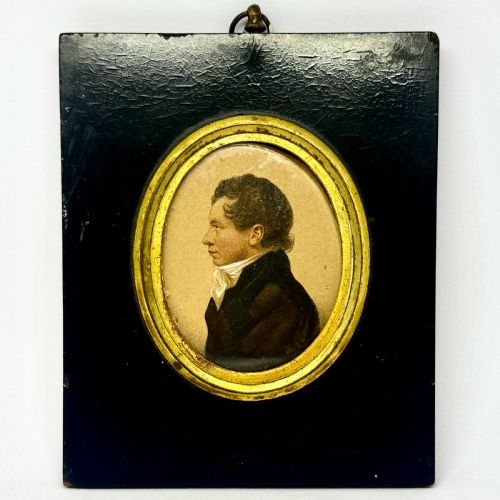
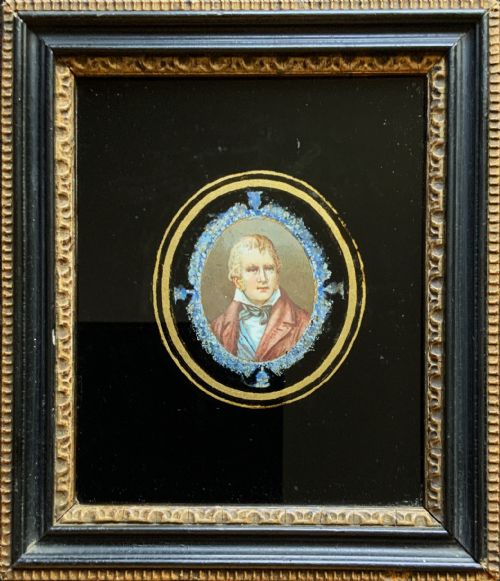
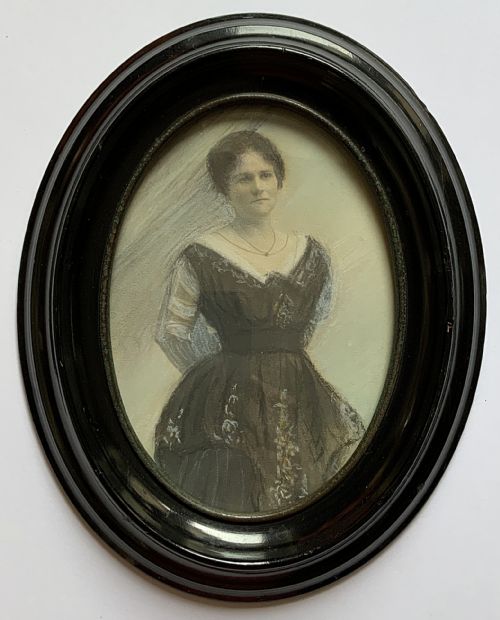
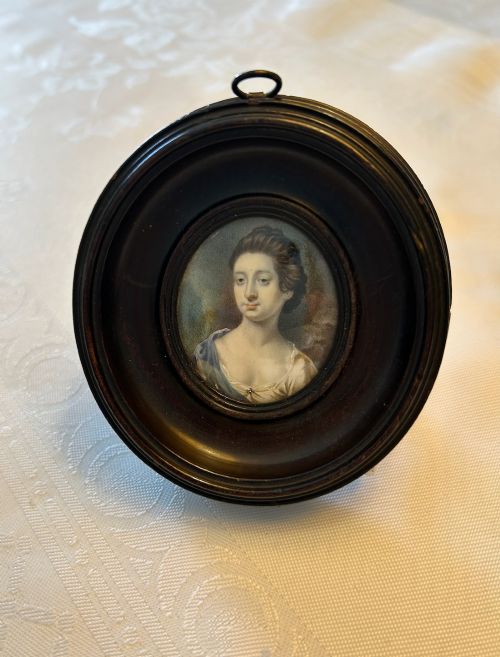
A small oval wall portrait takes the form of a miniature painting or watercolour set within a compact frame designed specifically for suspension on a wall. Buyers searching for a small oval wall portrait encounter pieces spanning the Georgian, Regency, Victorian, and Edwardian eras.
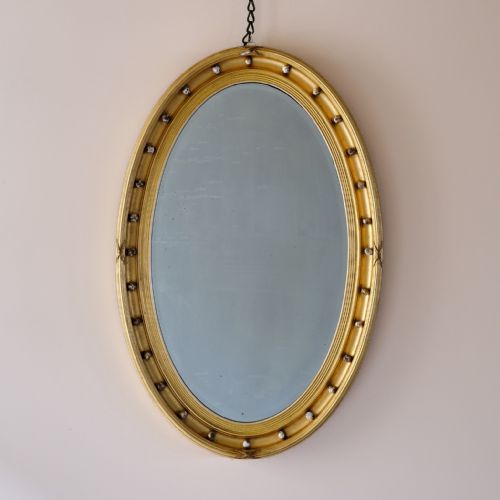
The selections on this page predominantly feature portrait miniatures and miniature paintings rendered in watercolour, pastel, or on ivory, alongside occasional framed mirrors and ebonised or giltwood surrounds.
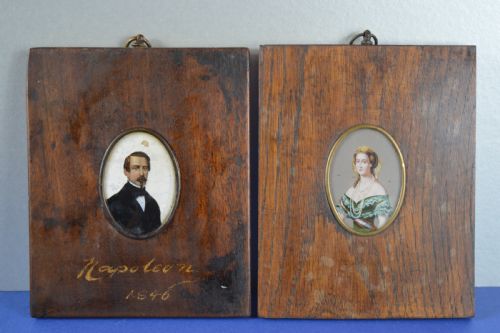
Subjects range from named historical figures like Sir Walter Scott and Napoleon to anonymous ladies and gentlemen painted by the British School or identified artists such as George Hargreaves.
How they were made
Makers utilised watercolour, pastel, and pigments applied to paper or ivory surfaces to achieve fine facial detail on a reduced scale. These delicate painted surfaces required careful sealing behind protective glass.
Frames rely on ebonised wood, brass, papier-mache, and gilt and gesso or gold leaf applied over wood. The combination of convex glass and moulded wooden or composite frames protected the miniature while enhancing its visual depth.
Small Oval Wall Portrait Retail Price Guide 2026
Typical asking prices for small oval wall portrait among the pieces listed under this phrase on Sellingantiques today, from the lower quarter to the upper quarter. They describe what is for sale here now, not the wider market.
Napoleon and Empress Eugenie occasionally share wall space here with anonymous Regency gentlemen who look profoundly unimpressed by the company.
What varies in quality
The fineness of the brushwork and the psychological depth of the sitter's expression distinguish accomplished portraiture from standard commercial output. Superior pieces capture personality and anatomical precision within a restricted space.
The integrity and originality of the surrounding frame, whether ebonised wood or gilt gesso, significantly influence the overall character and historical completeness of the piece.
Richard Cosway·George Hargreaves
The Small Oval Wall Portrait Glossary
- Miniature painting
- A small-scale artwork executed with fine detail, often depicting a specific person. These works require specialised brushes and magnifying lenses to achieve their precision.
- Ebonised wood
- Timber treated to resemble ebony, providing a dark, contrasting border. This finish gained popularity in Georgian and Victorian framing to make pale watercolour tones stand out.
- Gilt and gesso
- A mixture of chalk or plaster applied to a wooden frame and coated in gold leaf. It creates ornate, reflective surfaces that frame the portrait.
- Watercolour and pastel
- Water-soluble and chalk-based pigments used on paper supports. They offer subtle tonal graduation well suited to intimate portraiture.
Small Oval Wall Portrait: Frequently Asked Questions
How were these portraits displayed?
Small oval wall portraits were intended for hanging in private rooms, studies, or intimate galleries rather than formal reception spaces. Their compact dimensions allowed owners to group multiple family members or historical figures together on a single wall.
The inclusion of hanging loops or rings on frames from the Georgian and Victorian periods confirms their primary function as wall-hung art rather than pocket tokens.
What materials are used in the frames?
Frames typically consist of ebonised wood, papier-mache, brass, or carved wood finished with gold leaf and gesso. Each material offers a distinct weight and visual contrast to the portrait within.
Dark ebonised frames emphasise the pale tones of the watercolour or ivory support, while gilt frames add brightness and formal presence.
How do I date a portrait miniature?
Dating relies on the style of the sitter's costume, hair fashion, and the physical construction of the frame and backing. Georgian and Regency pieces often feature distinct clothing cuts and simpler convex glass profiles compared to later Victorian examples.
Inscribed paper labels, handwritten notes on the reverse, or known artist signatures provide further chronological markers.
Are these works painted on ivory?
Certain nineteenth-century examples utilise thin slices of ivory as a painting surface because the material imparts a natural luminosity to flesh tones. Artists layered watercolour delicately to allow the warm undertone of the ivory to show through.
Paper and card supports also appear frequently, particularly in British School watercolours from the eighteenth and nineteenth centuries.