





Small Oil Painting
A small oil painting brings concentrated depth and historical presence to an interior through intimate brushwork and enduring pigments.
Small Oil Painting
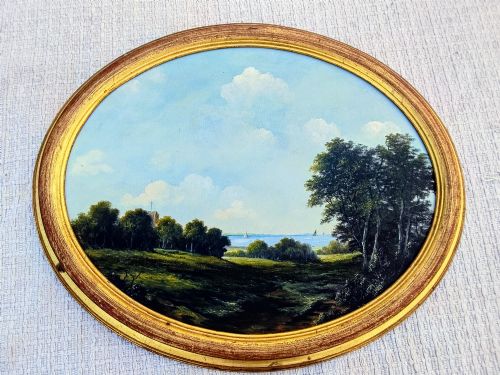
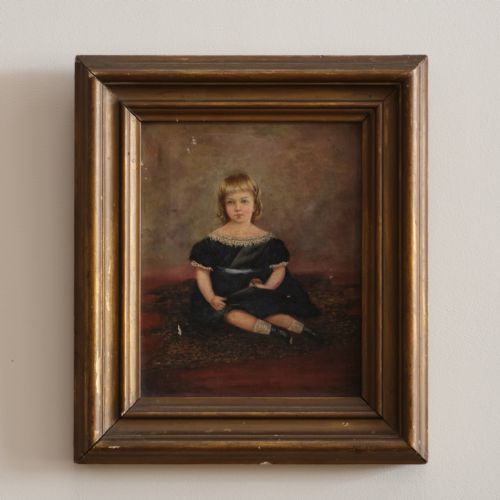
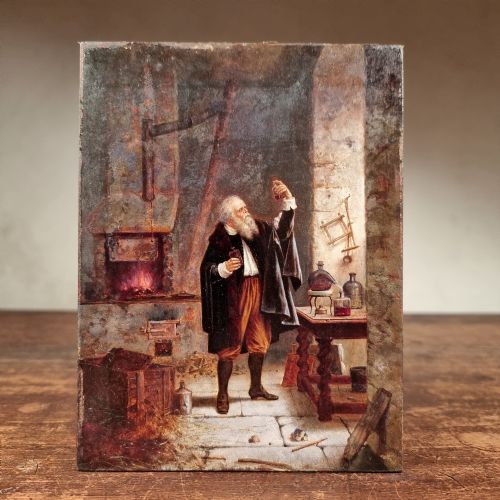
A small oil painting concentrates landscape, portraiture or maritime subjects onto compact supports suited for domestic display. Buyers seeking a small oil painting encounter works spanning the seventeenth century through to the mid twentieth century, with nineteenth-century examples appearing frequently.
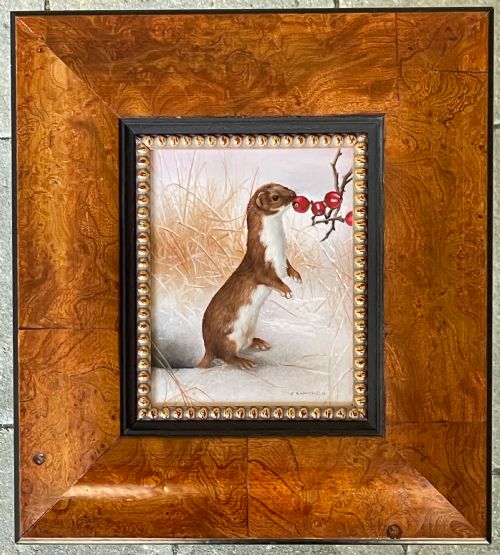
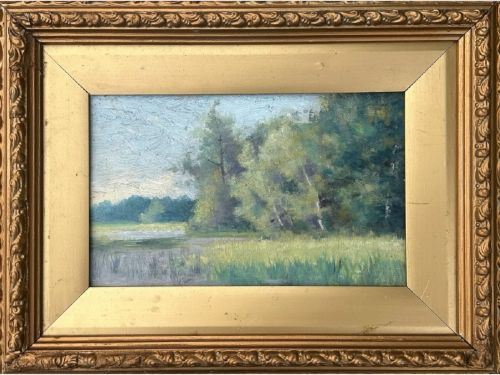
The subjects range from naïve rural scenes and detailed animal portraits to Dutch winter views and British coastal landscapes. These intimate works often reflect regional schools or grand tour souvenirs produced across Britain and continental Europe.
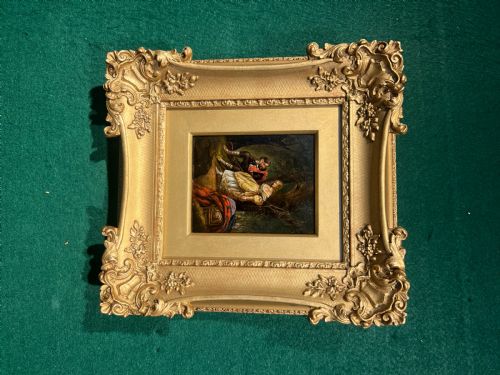
Formats include rectangular panels, oval canvases, and miniature copper or tin supports designed for private study or modest wall spaces. The survival of original gilt wood frames frequently enhances the character of these compact works.
Materials and Technique
Painters applied oil paint to diverse rigid supports such as wood panels, wooden boards, copper, and tin, as well as stretched canvas and paper. The choice of ground dictated the smoothness of the final surface and the luminosity of the pigment layers.
Makers utilised traditional binders and oils that allowed for gradual blending and rich impasto application. Gilt wood and gesso frames provided structural protection and optical framing for the painted compositions.
Cats, hounds, horses, and even a stylish pet in oil pastels claim their place alongside traditional human portraits.
Distinctions in Quality
The refinement of brushwork and the confidence of composition separate accomplished academic or school pieces from simpler naïve works. Handling of light and atmosphere reveals the technical competence of the artist, particularly in miniature formats.
The preservation of the original paint surface, minimal intervention over time, and the retention of a period frame contribute significantly to the integrity of a piece. Subtle tonal depth and assured spatial perspective distinguish superior examples within any given period.
William Howard Hardy·Maud Raphael Jones·Florence Small·Miles Birkett Foster·Evelyn Chester·Fernando Del Basso·Samuel Raven·Eugene Verboeckhoven·J Phipps·Florence Hess·Kershaw Schofield·Andreas Schelfhout·Andreas Schelfhout·John Scougall·Florence Hale·Alfred Oliver·Henry James Haley·Fred Elwell·Frank Spenlove Spenlove·F Hart·Joseph Thors·Bessie Bamber·George Armfield
The Small Oil Painting Glossary
- Oil paint
- A slow-drying paint made by mixing pigments with oils such as linseed. This medium allows for subtle blending of tones and rich surface textures.
- Panel
- A rigid wooden support used by artists before canvas became dominant. Oak, mahogany, and various softwoods served as common bases for early works.
- Gesso
- A plaster-like mixture applied to wood or canvas to prepare a smooth surface for painting or gilding. It provides a stable foundation for the pigment layers.
- Impasto
- Paint applied thickly to a surface, standing out in relief from the plane. This technique gives visible texture and three-dimensional quality to brushstrokes.
- Miniature painting
- A highly detailed work executed on a very small scale. These pieces required fine brushes and immense precision from the artist.
Small Oil Painting: Frequently Asked Questions
Where were small oil paintings typically displayed in historic homes?
Historic interiors accommodated these compact works in private studies, boudoirs, and narrow hallways where large canvases would not fit. Their intimate scale invited close viewing rather than distant admiration.
Owners often grouped several small frames together to create gallery walls in residential settings.
How do you identify an oil painting on wood panel versus canvas?
Wood panels feel rigid to the touch and show no give when light pressure is applied to the reverse. Panels frequently display grain patterns or historical carpenter marks if unlined.
Canvases yield slightly under gentle pressure and exhibit textile weaves visible through the ground layer on the back.
What is the significance of copper supports in antique paintings?
Copper plates provided an exceptionally smooth surface that allowed artists to achieve remarkable detail and luminous colour effects. The non-porous metal prevented the oil paint from absorbing into the support.
Paintings executed on copper often survive in a stable state of preservation with minimal cracking.