




Classical Music Painting
A classical music painting brings the intimacy of a salon or recital room onto canvas, paper, or enamel.
Classical Music Painting
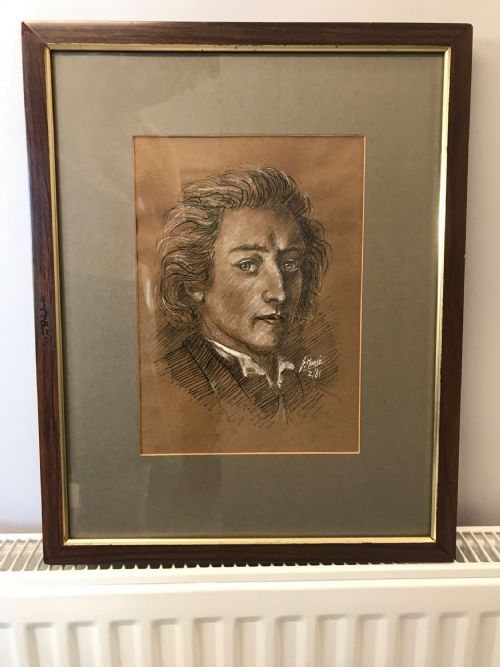
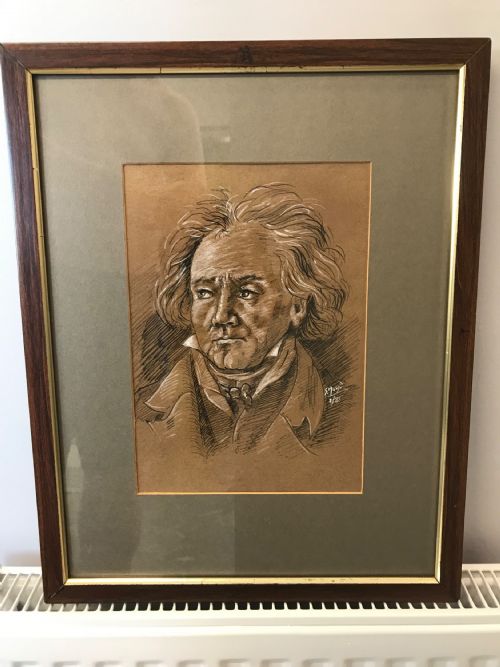
A classical music painting captures composers, performers, and instruments through various artistic interpretations spanning multiple centuries. Buyers searching for a classical music painting encounter framed artworks, detailed portraits of figures such as Frédéric Chopin and Ludwig van Beethoven, and intimate scenes of musicians playing the violin and cello.
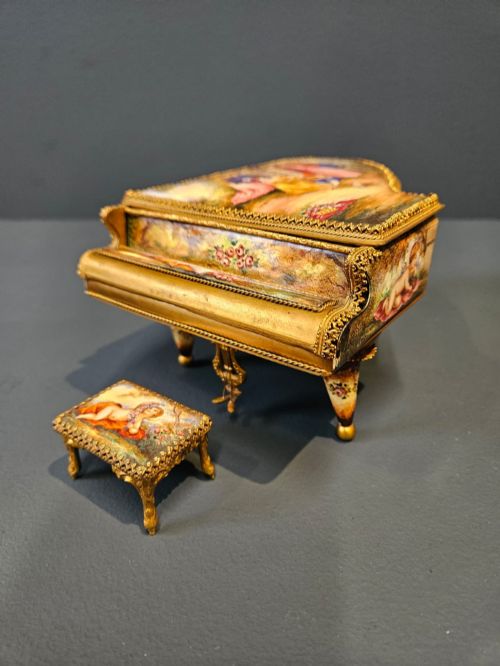
The selection ranges from eighteenth-century panel works and nineteenth-century canvas pieces to later ink and gouache drawings and Austrian enamel objects. These works document musical subjects through styles including Academic Realism, Empire, and Rococo Revival, alongside decorative piano stools associated with the theme.
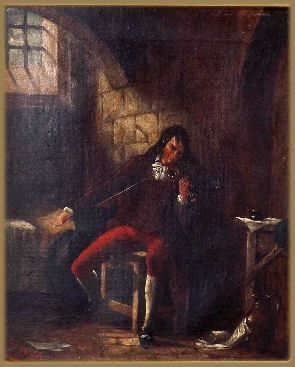
Most examples concentrate on recognizable musicians or narrative musical gatherings within interiors. The variety encompasses both formal portraits of composers and genre scenes depicting performers in specific settings like a prison cell or a garden recital.
How they were made
These works rely on traditional fine art materials such as oil paint applied to canvas or wood panel, alongside ink, wash, and gouache on paper. Artisans also utilised gilt wood for frames and ormolu combined with enamel for decorative music boxes.
Decorative and functional items integrate fine art techniques with metalwork and woodwork, seen in adjustable screw-top piano stools with gilt paint and enamel music boxes housing mechanical movements.
Listings include eighteenth-century panel works, nineteenth-century oil paintings, and post-nineteen-sixty ink drawings on paper.
What varies in quality
The strength of draftsmanship and handling of facial likeness distinguish individual portrait drawings and oil paintings. Works attributed to named artists or established circles demonstrate superior control over composition, light, and anatomical precision in depicting musicians.
The choice of medium and substrate introduces distinct gradations, with finely detailed oil on panel or canvas representing different artisanal demands compared to ink and gouache on paper. Decorative objects rely on the fineness of the enamel work and the integrity of ormolu mounts and wooden frames.
Period authenticity and the preservation of original surfaces, gilt frames, and structural hardware dictate the standing of physical items such as piano stools and music boxes within their respective categories.
Alfred John Bouchette·Ferdinand Barth·Francesco Renaldi
The Classical Music Painting Glossary
- Gouache
- An opaque water-based pigment used alongside pen, ink, and wash in detailed portrait drawings.
- Ormolu
- Gilded bronze used for decorative mounts and decorative fittings on items such as musical boxes.
- Genre
- A category of painting depicting scenes from everyday life, including musical performances and interior gatherings.
- Panel
- A flat wooden support used as a base for oil paintings before canvas became predominant.
Classical Music Painting: Frequently Asked Questions
What periods do these paintings come from?
The available pieces span from the eighteenth century through the nineteenth century, with some examples dated around nineteen thirty and later than nineteen sixty.
This broad chronological spread encompasses diverse stylistic approaches, ranging from Georgian and Empire aesthetics to later realist interpretations.
Who are the musicians shown in the portraits?
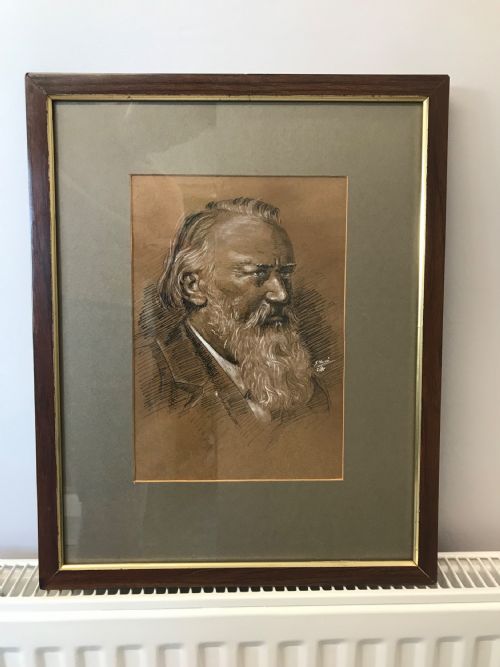
Portraits depict prominent classical composers including Frédéric Chopin, Ludwig van Beethoven, Johannes Brahms, and Nicolo Paganini.
Other works portray anonymous or paired musicians engaged in violin and cello performances within domestic and interior settings.
What materials were used for these artworks?
Artisans utilised oil on canvas or panel, as well as pen, ink, wash, and gouache on paper. Gilt wood frequently appears in frames and structural elements.
Non-painting items incorporate enamel, ormolu, and wood in objects like piano music boxes and adjustable stools.
How do I display a framed drawing safely?
Works on paper executed in ink, wash, and gouache require protection from direct sunlight to prevent fading of the delicate pigments. Framing with conservation-grade glass helps maintain the condition of paper-based artwork over time.
Stable indoor humidity and temperature further protect both the paper substrates and the antique wooden or gilt frames.