




Musician Portrait Canvas
Musician portrait canvas works bring historical instrumentalists into your room through oil paint on canvas, framed in giltwood.
Musician Portrait Canvas
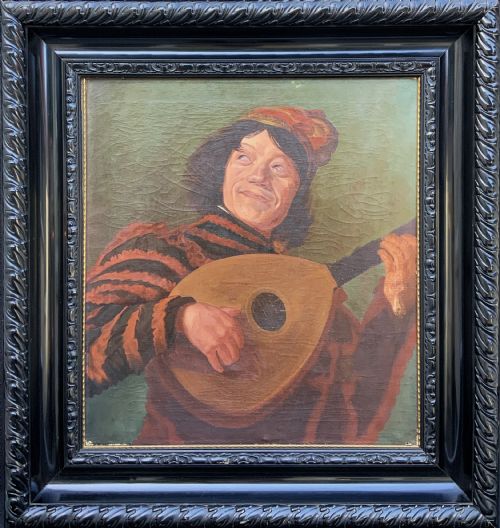
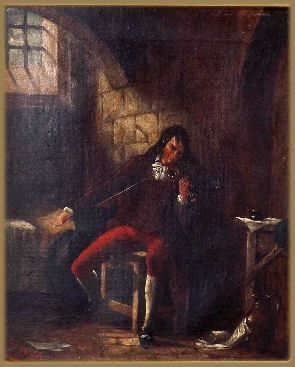
A musician portrait canvas represents instrumentalists captured in oil paint, spanning from the seventeenth century through to the twentieth century. These works frequently depict figures engaged with instruments such as violins, lutes, cellos, and flutes, rendered within distinct historical styles including Dutch Golden Age and nineteenth-century realism. Buyers meeting these pieces will discover subjects ranging from imagined seventeenth-century musicians to named historical figures like Nicolo Paganini and Johann Quantz.
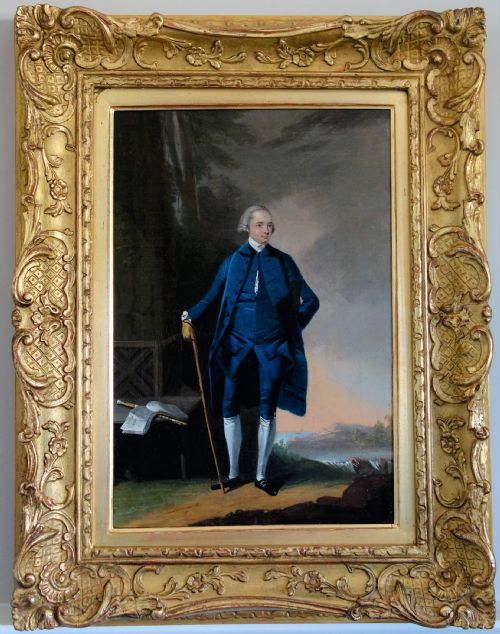
The formats vary from intimate character studies to larger paired compositions and military band portraits. Artists from the seventeenth, eighteenth, and nineteenth centuries approach the subject through varying lenses, employing Baroque, Georgian, and Victorian aesthetics. Most examples appearing on this page present oil paint on canvas housed within period wood or giltwood frames.
How they were made
Makers applied oil paint directly onto stretched canvas surfaces, building depth through layered glazes and opaque pigments. This technique allowed artists to capture the intricate textures of fabric, wood grain on instruments, and the play of light across the musician's face. Canvases were then secured within timber supports, frequently complemented by carved giltwood or gilded wood frames.
The integration of canvas and oil paint dictated the durability and visual richness of each portrait. Artisans worked within regional traditions, whether adopting the dark palettes of seventeenth-century Dutch styles or the brighter tones typical of later nineteenth-century genre painting. Frames were constructed from wood and finished with metallic leaf or gilding to complement the tonal range of the painted surface.
Some musicians are caught mid-tune alongside smokers and cardinals, proving that seventeenth-century practice rooms were surprisingly lively social hubs.
What varies in quality
Quality rests upon the artist's ability to render the physical mechanics of playing an instrument alongside convincing facial expression and anatomy. Superior works demonstrate precise handling of light on the strings, bow, or brass, integrating the musician seamlessly into their shadowy or detailed interior setting. Weaker examples may rely on formulaic postures and less expressive brushwork in secondary areas such as clothing and background.
The handling of the canvas ground and the preservation of the original paint layer also distinguish superior pieces. Works showing careful control over the oil medium retain their tonal gradations and spatial depth without excessive darkening or later overpainting. Furthermore, the presence of a period-appropriate giltwood frame enhances the integrity of the overall object.
Frans Hals·David Teniers·Hermann Armin Kern·Alfred John Bouchette·William Joseph Carroll·Balthasar Denner·Edward Alcock·Ferdinand Barth·Neville Stephen Lytton
The Musician Portrait Canvas Glossary
- Oil on Canvas
- A painting technique utilising pigments suspended in a drying oil medium applied to a woven fabric support. This combination permits subtle blending and rich tonal variation.
- Giltwood
- Timber carved and subsequently coated with gold leaf or a gold-coloured finish. It frequently surrounds oil paintings from the seventeenth to nineteenth centuries.
- Dutch Golden Age
- A period in Dutch history spanning the seventeenth century noted for exceptional achievements in painting. Works in this manner often feature dramatic lighting and domestic realism.
- Genre Painting
- Depictions of aspects of everyday life by portraying ordinary people engaged in common activities. Musicians form a frequent subject within this category.
- Baroque
- An artistic style prevalent from the early seventeenth century to the mid-eighteenth century characterised by exaggerated motion and clear detail. It produces high contrast between light and shadow.
Musician Portrait Canvas: Frequently Asked Questions
What periods do these paintings cover?
The listings encompass works stretching from the seventeenth century through the eighteenth and nineteenth centuries, extending into the early twentieth century. Styles range from Dutch Golden Age interpretations to Victorian and nineteenth-century realism.
Creators utilised oil paint on canvas across all these eras, frequently framing the resulting portraits in timber or giltwood. Each period brings distinct clothing styles and compositional approaches to the depiction of the musician.
How were musicians portrayed historically?
Artists depicted musicians both as named historical figures, such as composers and virtuosos, and as anonymous genre subjects engaged in performance. These representations could take the form of solo studies, paired canvases, or members of military bands.
The settings usually emphasise the instrument, capturing the sitter with lutes, violins, cellos, or flutes. Lighting often emulates seventeenth-century interior scenes to focus attention on the musician's hands and face.
Are original frames usually included?
Many oil paintings retain period wood frames, often finished in giltwood or gilded wood that matches the era of the canvas. These frames serve to protect the edges of the stretched fabric and complete the visual presentation.
Buyers should examine the relationship between the canvas and its surrounding frame to understand their shared history. Original or period-correct housings contribute significantly to the character of the artwork.
How should I care for an oil painting?
Oil on canvas works require stable environmental conditions away from direct sunlight and extreme humidity fluctuations. Dust should be removed gently from the canvas surface and the frame using a soft, dry brush.
Avoid applying moisture or cleaning solutions directly to the paint layer. Professional conservation is recommended for any structural repairs to the canvas or the timber frame.