


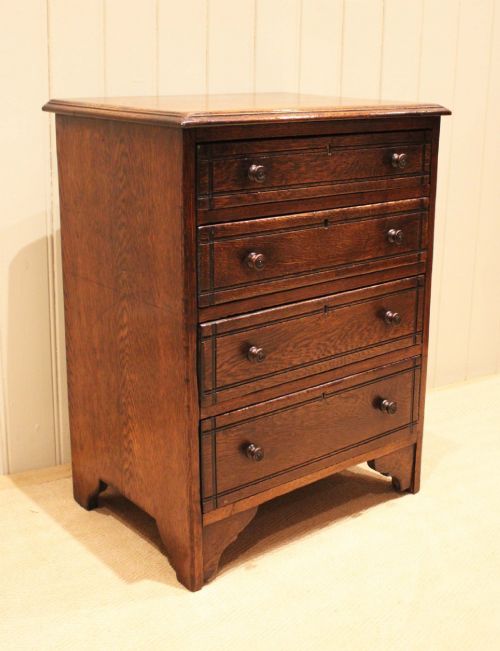
Small Oak Drawers
When you search for small oak drawers, you are looking for compact storage furniture built from timber that has shaped English interiors for centuries.
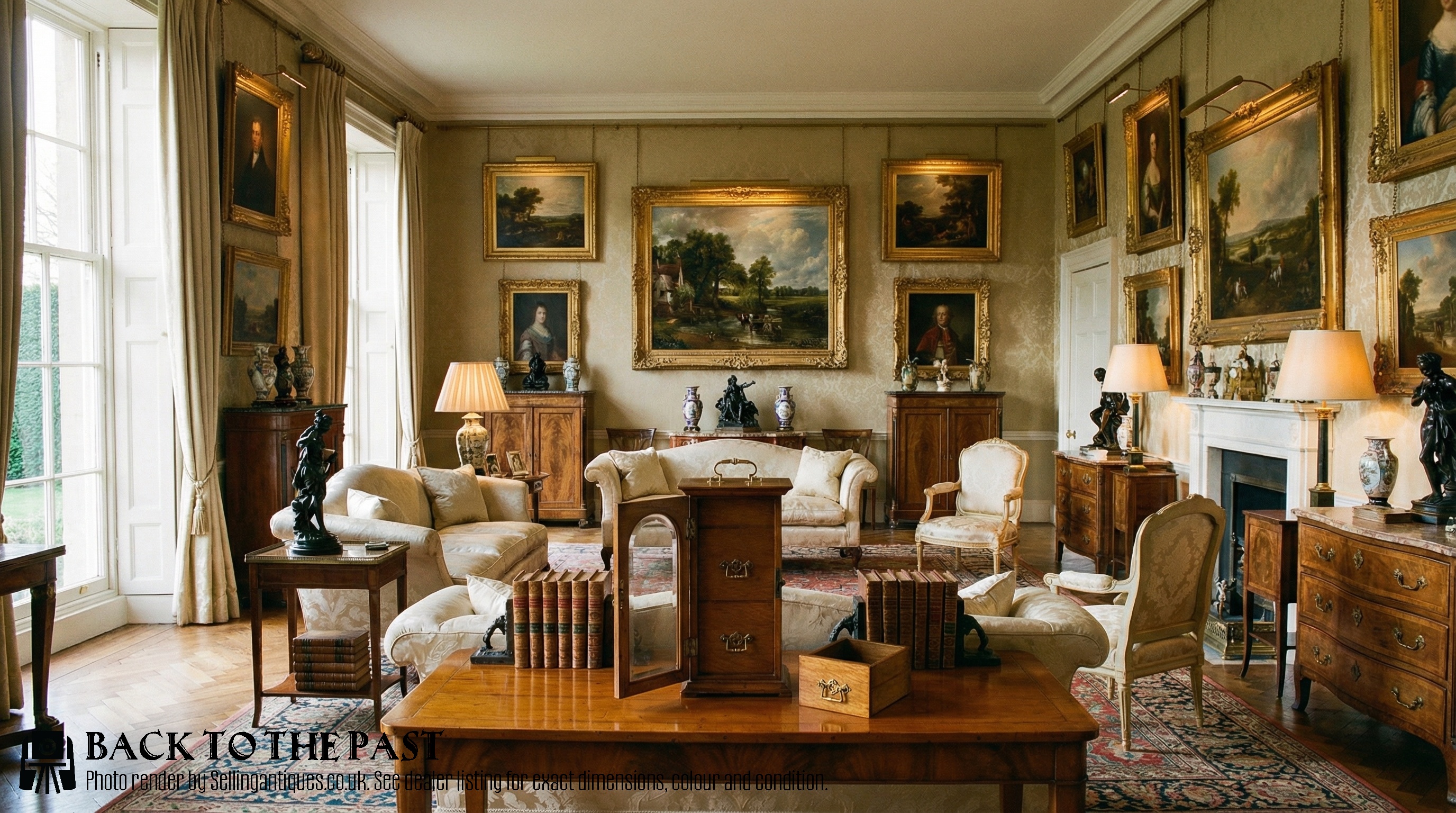
Small Oak Drawers
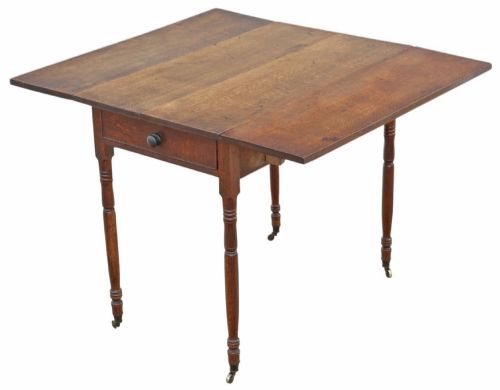
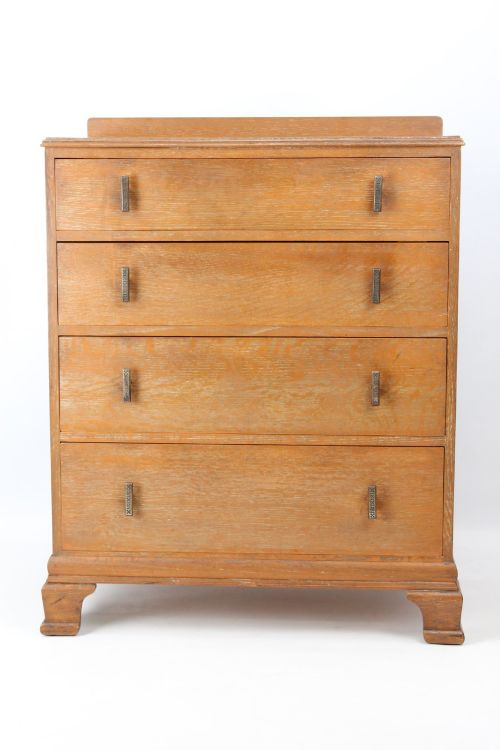
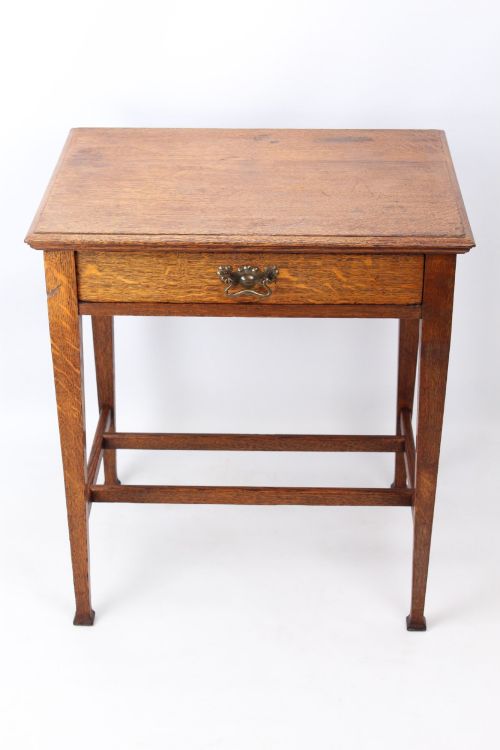
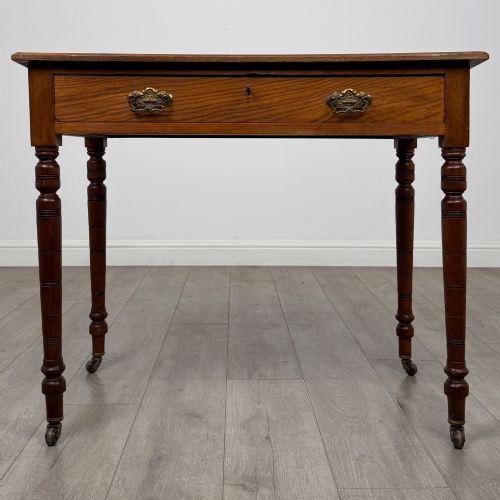
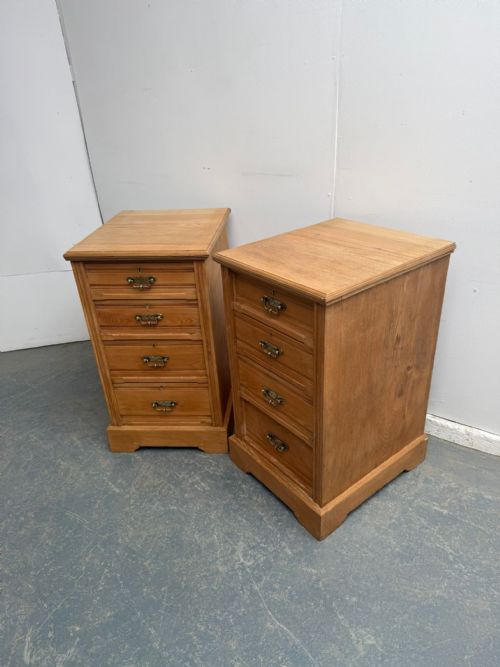
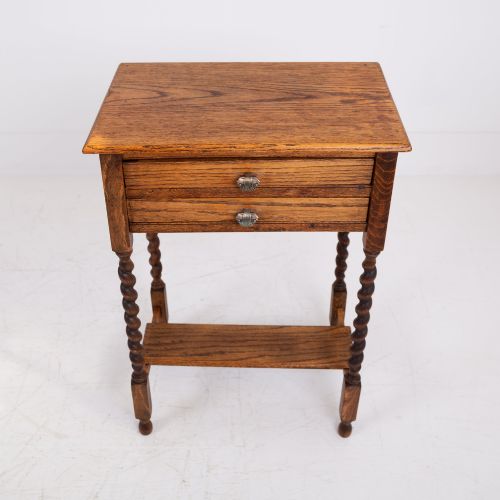
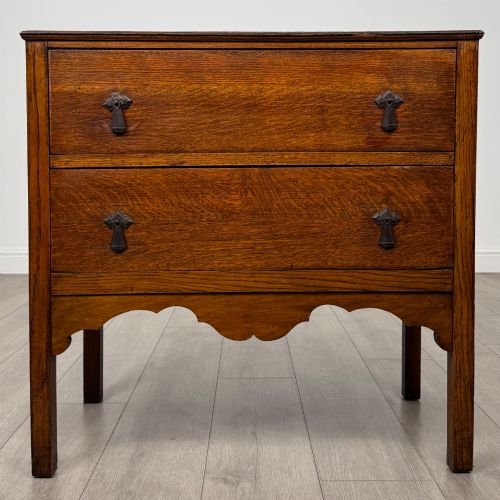
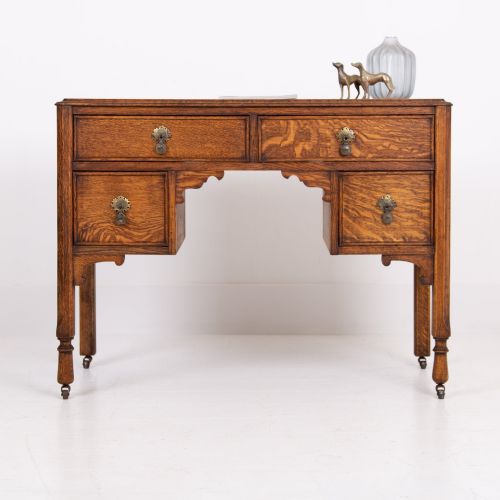
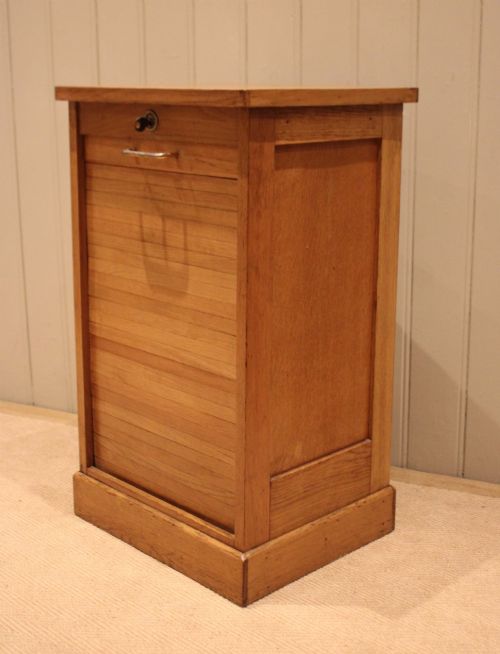
Small oak drawers encompass a variety of compact furniture forms designed for domestic use, ranging from miniature tabletop chests and bedside cabinets to lowboys and bureau desks. These pieces appear frequently in country house contexts as well as urban settings where floor space is limited.
The selection on this page spans several distinct eras, drawing heavily on pieces made during the seventeenth, eighteenth, and nineteenth centuries, alongside early twentieth-century interpretations in the Jacobean Revival and Art Deco styles.
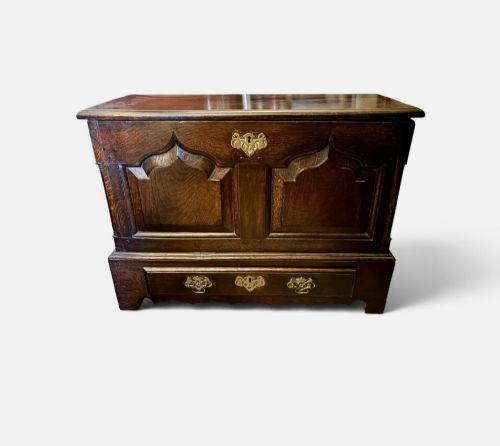
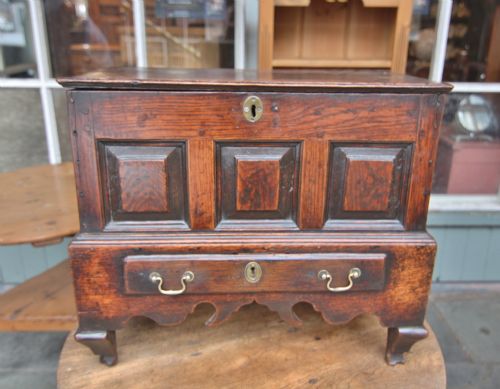
Buyers will encounter regional pieces such as the Welsh coffer bach alongside standard drawer configurations, all united by their modest proportions and timber construction.
Materials and Construction
Solid oak serves as the primary structural material, often paired with secondary woods like elm, ash, or deal for internal partitions and drawer linings.
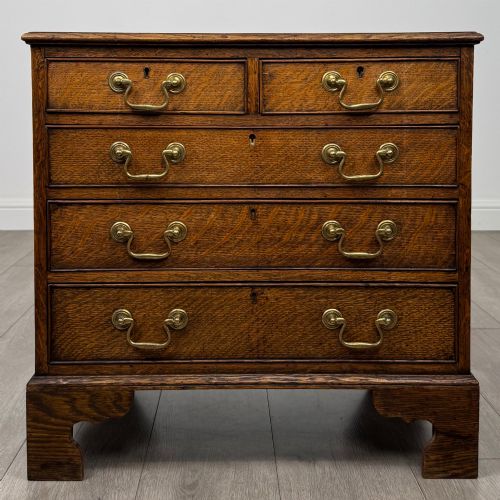
Metal hardware such as brass handles, iron locks, and steel fittings complement the timber, with many pieces retaining their original mounts.
Joinery techniques rely on traditional methods suited to the grain of oak, including hand-cut dovetails for drawer construction and mortise and tenon joints for frames.
Listings feature oak alongside brass and leather details across Georgian, Victorian, and Art Deco periods.
Quality Variations
Quality in small oak drawers rests on the integrity of the timber selection, such as the use of quartersawn oak displaying distinctive medullary rays, versus plain-sawn boards.
The degree of hand-finishing in the dovetails and the retention of original drawer linings and brass hardware separate standard utility pieces from finer examples made by notable makers like Gomme or in the Heal's style.
Proportion and surface patination dictate desirability, where untouched waxed finishes and balanced dimensions elevate a piece above altered or heavily stripped equivalents.
Gomme
The Small Oak Drawers Glossary
- Coffer bach
- A small Welsh chest, often featuring a single drawer beneath the main compartment, traditionally used for holding linen or valuables.
- Lowboy
- A small oak or walnut table with one or more rows of drawers, commonly used as a dressing table or side table during the seventeenth and eighteenth centuries.
- Bureau
- A sloping desk lid opening to reveal interior pigeonholes and small drawers, supported by a larger chest of drawers below.
- Dovetail
- A joint formed by interlocking wedge-shaped fingers, widely used in period drawer construction to ensure durable corners.
- Quartersawn
- Timber cut radially from the log, producing a stable board with prominent grain figuring often seen in high-grade oak furniture.
Small Oak Drawers: Frequently Asked Questions
How do I date a small oak chest?
Dating relies on observing construction traits, such as hand-cut dovetails, timber choice, and hardware styles that align with periods like the Georgian or Edwardian eras.
Changes in drawer linings and assembly methods offer further clues to whether a piece originates from the seventeenth century or a later revival.
Were these drawers used in bedrooms?
While many small oak drawer units served as bedside cabinets or lowboys in sleeping quarters, others functioned as writing desks or side tables in reception rooms.
Compact chests were adaptable furnishings moved between different rooms depending on household storage needs.
What is a coffer bach?
A coffer bach is a miniature Welsh chest featuring a hinged lid above one or more small drawers at the base.
These traditional pieces served as presentation items or storage boxes for family valuables in rural Welsh homes.
How should I care for waxed oak?
Waxed oak surfaces benefit from occasional applications of beeswax to nourish the timber and maintain a soft sheen without building up heavy residues.
Keeping pieces away from direct heat sources prevents the solid oak from drying out and splitting over time.