
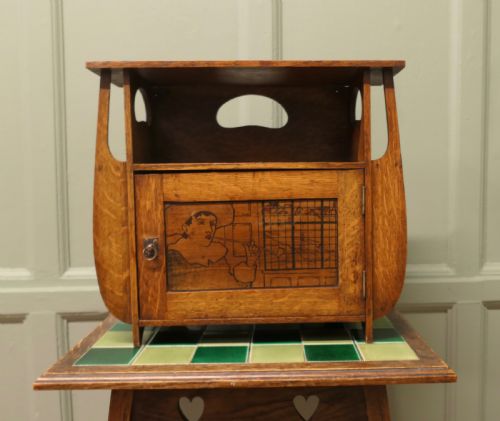
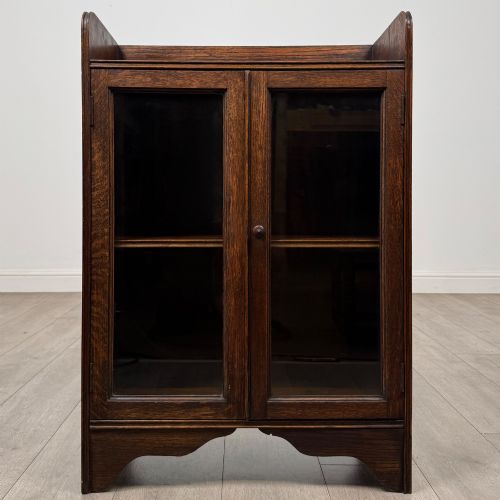
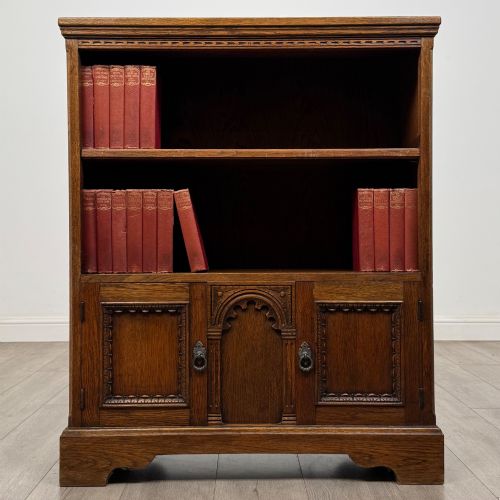
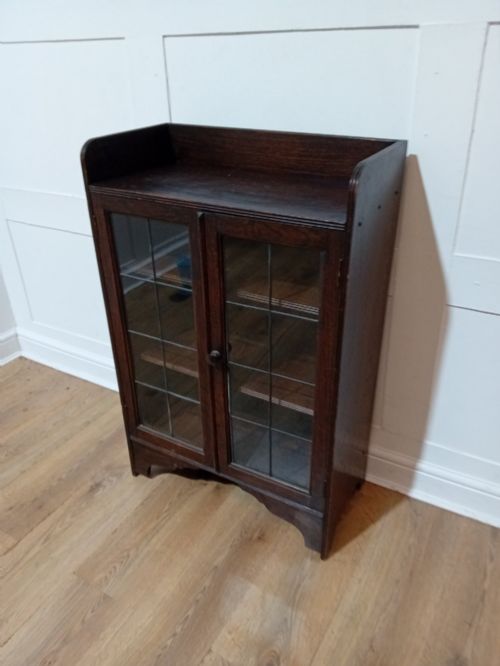
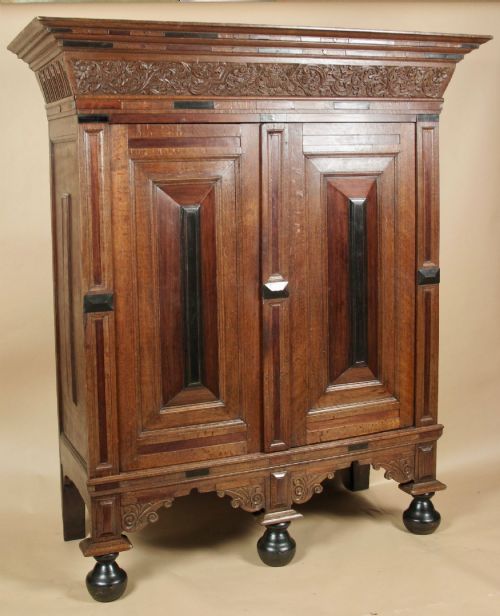
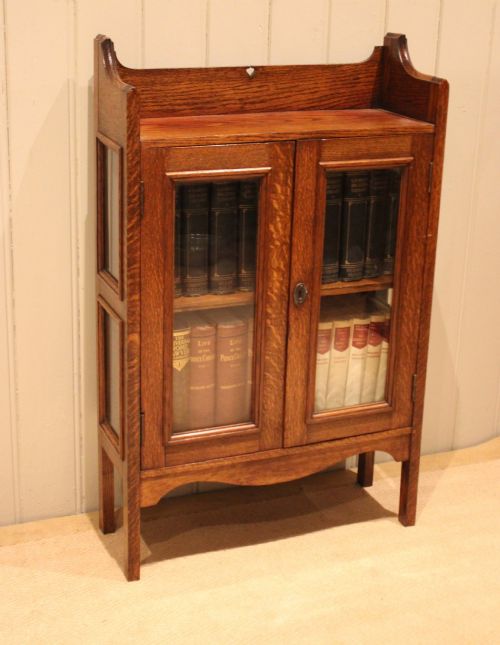
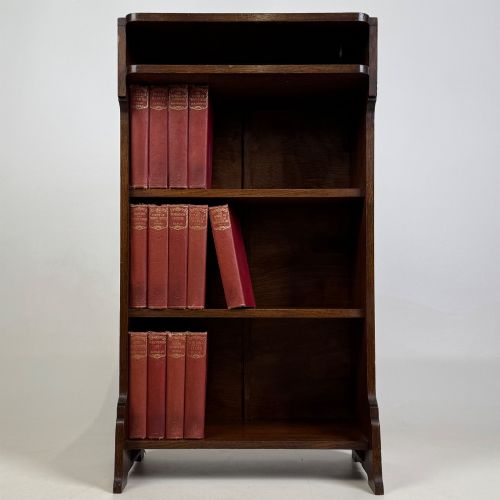
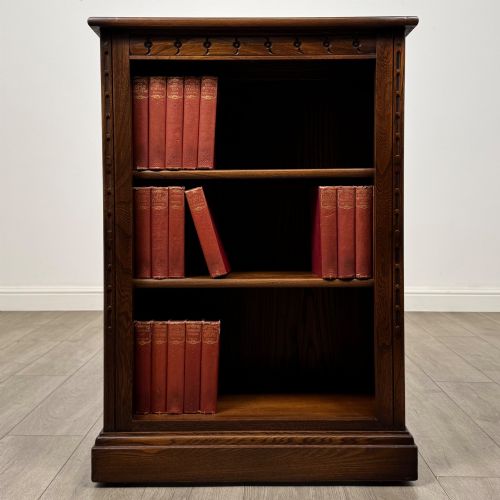
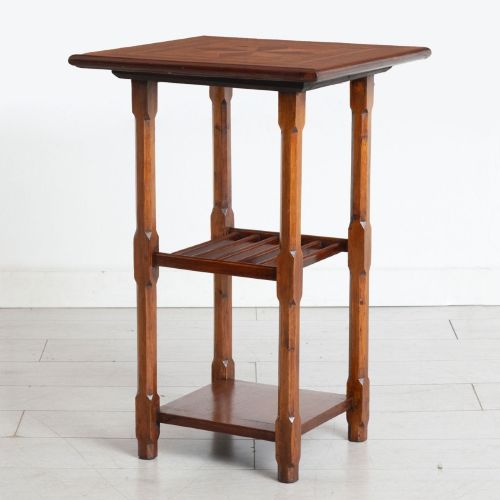
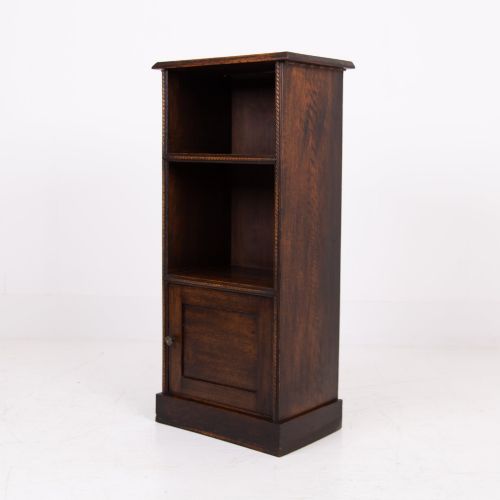
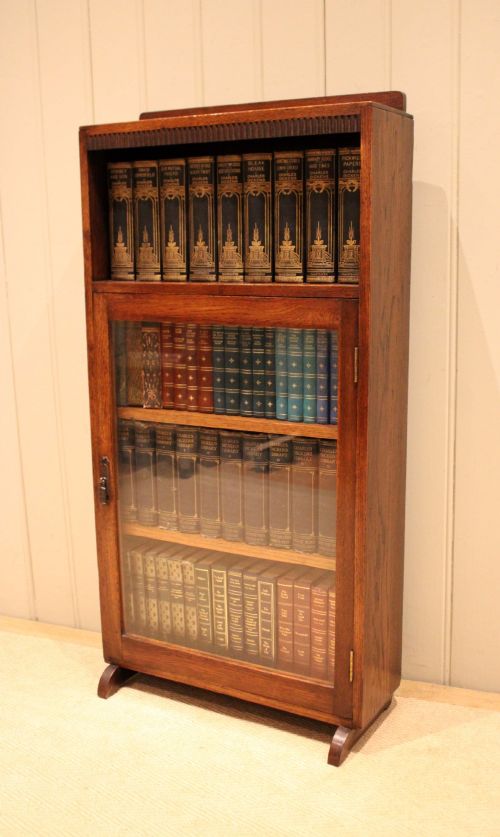
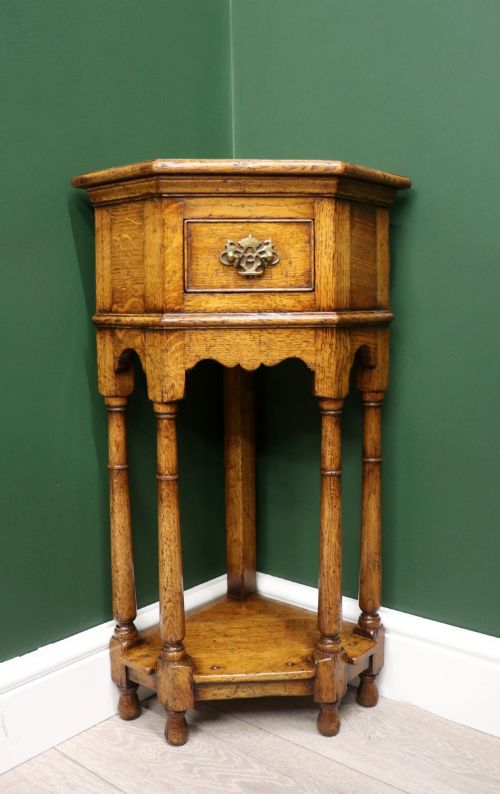
Small Oak Display Cabinet
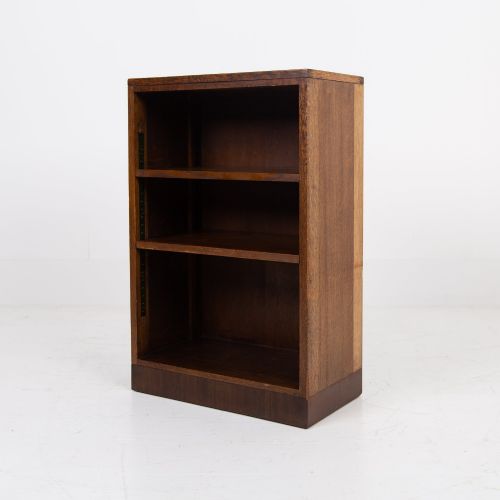
A small oak display cabinet brings timber character and visible storage into a room without dominating the floor space.
Small Oak Display Cabinet
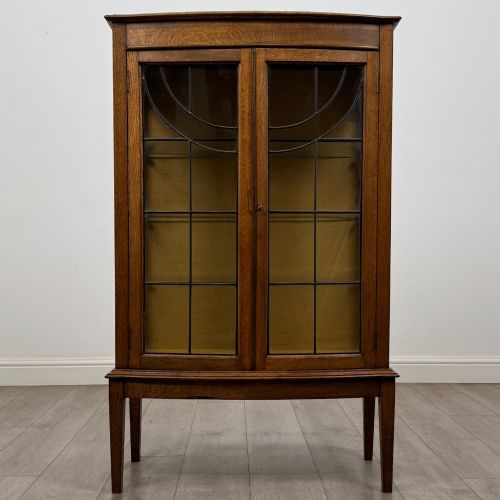
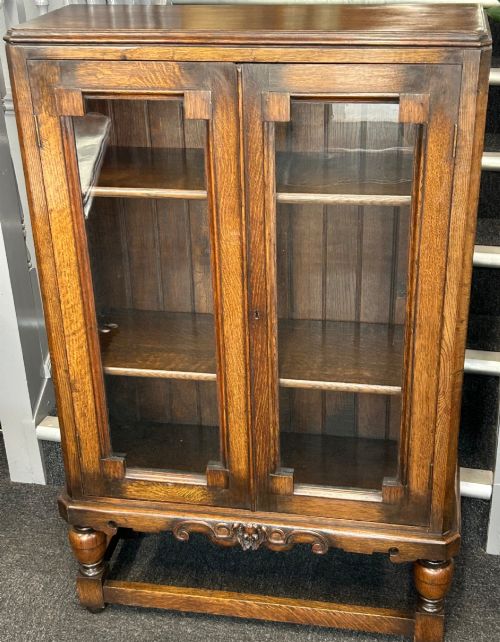
A small oak display cabinet serves to house books, china, or curiosities behind glazed doors while maintaining a modest footprint suited to compact spaces. Buyers searching this phrase meet forms ranging from floor-standing Edwardian and Victorian glazed bookcases to countertop shop cabinets, corner cupboards, and wall-hanging units.
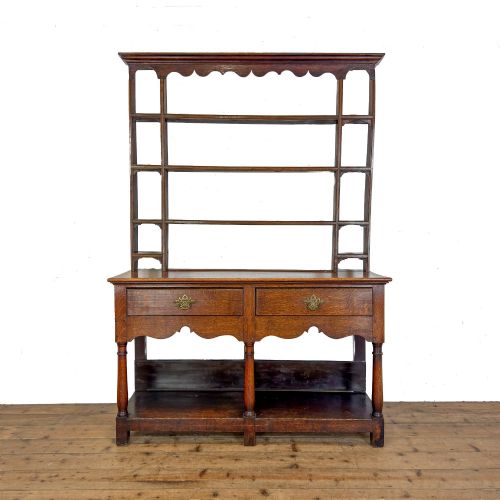
The material palette is predominantly oak, often paired with glass panels for visibility, alongside brass fittings, lead cames, and occasional rosewood or ebony accents. Pieces emerge from periods spanning the seventeenth century through to the art deco and mid-century twentieth century, with Edwardian and nineteen-twenties examples appearing frequently.
How they were made
Makers utilised solid oak and oak veneers over secondary timbers, constructing carcases with traditional joinery such as dovetails for drawers and mortise and tenon joints for frames. Glazed doors incorporate timber glazing bars or lead cames to hold the glass securely in place.
Surface treatments depend on the period, ranging from waxed or polished finishes that highlight the natural grain to carved detailing, ebony inlay, and applied mouldings characteristic of revival styles and the arts and crafts movement.
Listings feature oak cabinets spanning the seventeenth century, Victorian era, Edwardian period, and nineteen-thirties art deco designs.
What varies in quality
Timber selection dictates the initial visual impact, with quarter-sawn oak displaying prominent medullary rays that signal a superior cut of wood. The crispness of carved details, the neatness of dovetail joints, and the weight of brass handles separate standard production items from workshop pieces.
Structural integrity relies on the retention of original glass, sound joints that keep doors square, and the survival of original backboards and shelving without excessive modification or timber shrinkage.
Betty Joel
The Small Oak Display Cabinet Glossary
- Quarter-sawn oak
- Timber cut radially across the growth rings to produce distinctive figuring known as medullary rays. This cut provides greater dimensional stability.
- Glazing bar
- A narrow timber strip that holds individual panes of glass within a sash or door. These bars divide the window into smaller segments.
- Dwarf bookcase
- A low-height bookcase designed to sit below window level or in smaller rooms. They frequently incorporate glazed or open shelving.
- Cotswold School
- An early twentieth-century design movement focusing on traditional craftsmanship and simple forms in native timbers. Pieces often display hand-worked surfaces.
- Lead came
- A slender rod of lead with a grooved profile used to hold small panes of glass together in leaded windows and cabinet doors.
Small Oak Display Cabinet: Frequently Asked Questions
Where should I place a small oak display cabinet?
These compact cabinets suit alcoves, hallways, or smaller living rooms where full-sized furniture would overwhelm the floor area. Corner units make efficient use of dead space in tight rooms.
Position the cabinet away from direct sunlight and heat sources to protect timber finishes and prevent the wood from drying out or warping over time.
How do I care for antique oak furniture?
Dust the timber regularly with a soft, dry cloth and apply a quality beeswax periodically to nourish the grain. Avoid silicone-based polishes that build up a residue over the surface.
Maintain a stable room temperature and humidity level to prevent the oak and any interior fabric linings from expanding or contracting excessively.
How do I identify an Edwardian oak cabinet?
Edwardian pieces, dating from the early twentieth century, often combine traditional revival forms with lighter proportions than their Victorian predecessors. Look for restrained carving, brass drop handles, and clear glass panels.
Construction methods during this era frequently included machine-assisted joinery alongside hand-finished details, marking a transition in cabinetmaking.