




Small Mahogany Vitrine
A small mahogany vitrine brings together glass and timber to hold precious things, showing the refined taste of Edwardian and Georgian collectors.

Small Mahogany Vitrine
A small mahogany vitrine is a piece of furniture designed for displaying objects like jewellery, books, and curiosities behind glass. When searching this phrase, buyers look for compact cabinets or tables made from mahogany, often originating from the Edwardian, Victorian, and Georgian periods.
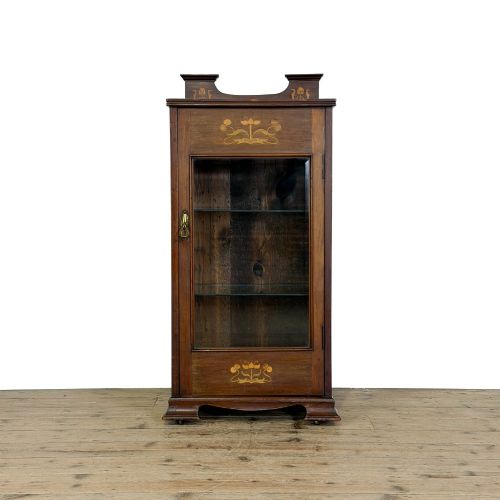
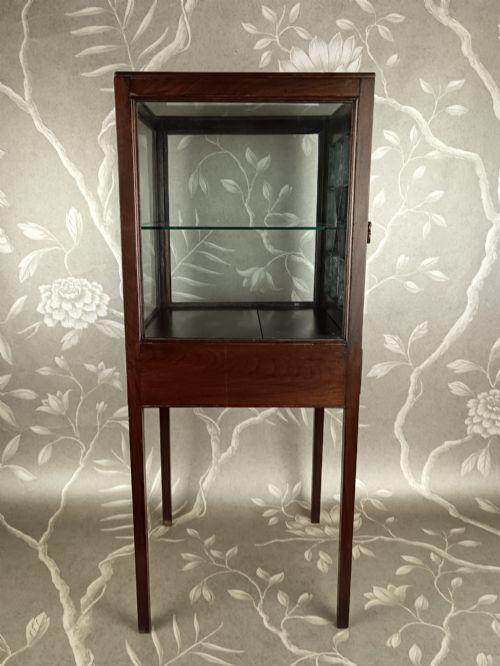
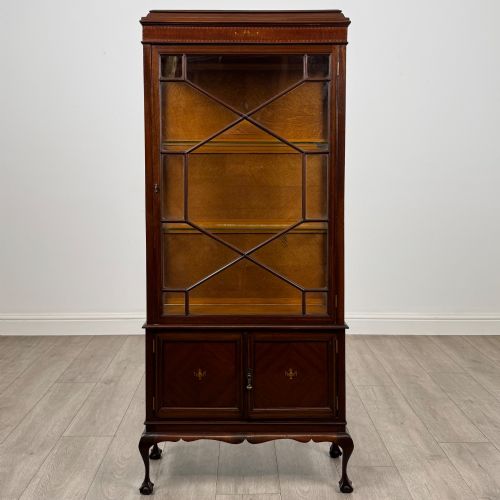
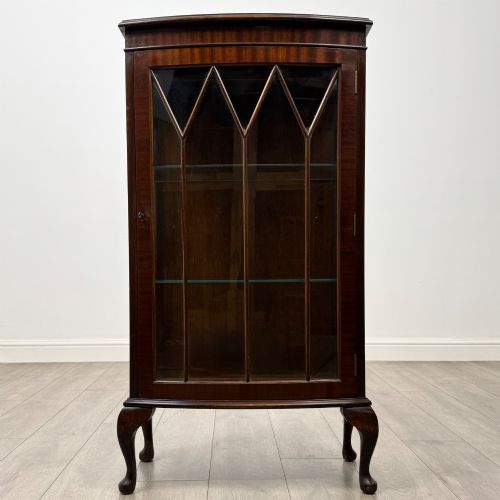
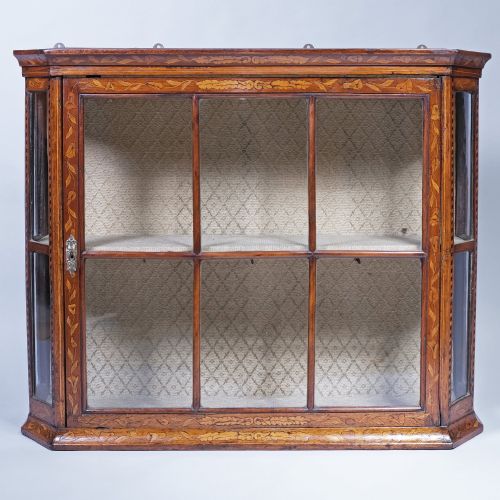
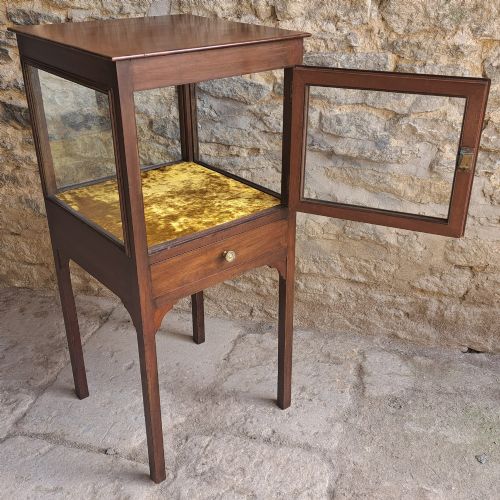
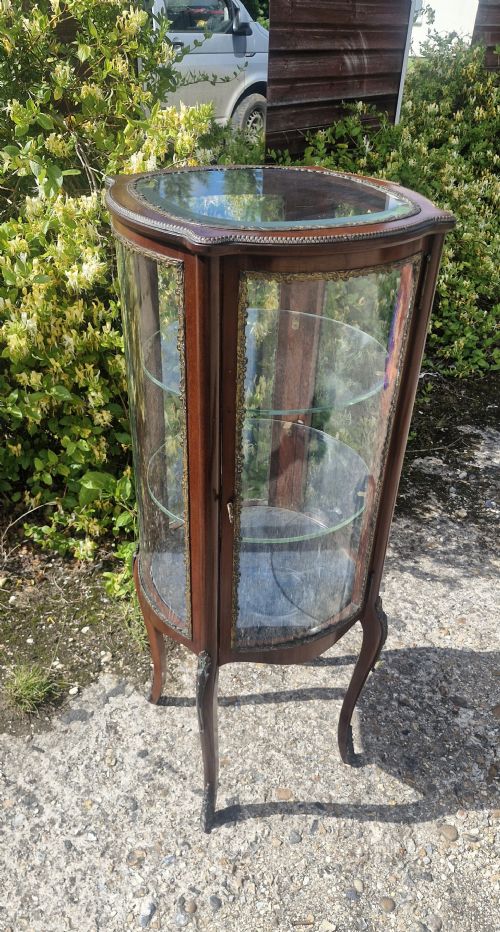
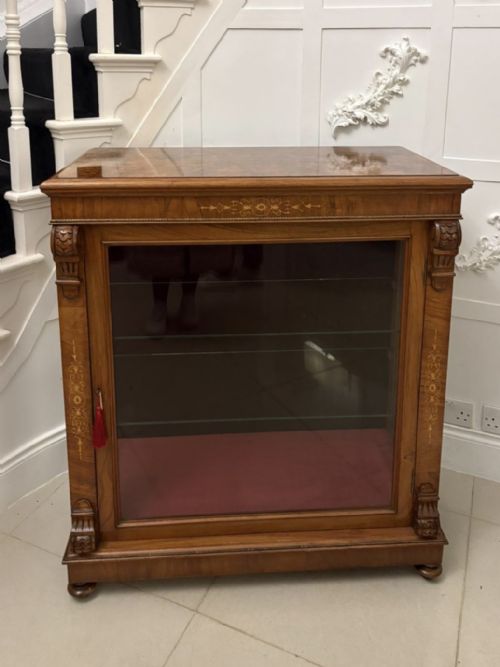
The versions most commonly met on this page include Edwardian inlaid display cabinets, glass-topped bijouterie tables, and wall-mounted corner cupboards. These pieces combine timber frames with glazed panels to protect contents while keeping them visible from multiple angles.
How they were made
Makers built these cabinets using solid mahogany and mahogany veneers, frequently enhancing the timber with satinwood crossbanding and delicate marquetry inlay. Brass fittings, ormolu mounts, and gilt metal details often accent the exterior framework.
Interiors frequently feature fabric or velvet linings to cushion displayed items, while glazed doors and glass panels utilise timber framing to support the weight. Construction methods range from freestanding floor pedestals to hanging wall cabinets and countertop display cases.
Small Mahogany Vitrine Retail Price Guide 2026
Typical asking prices for small mahogany vitrine among the pieces listed under this phrase on Sellingantiques today, from the lower quarter to the upper quarter. They describe what is for sale here now, not the wider market.
Listings feature pieces spanning from the 18th century through the Edwardian era, incorporating mahogany, satinwood, velvet, and brass.
What varies in quality
Quality in these pieces depends heavily on the precision of the cabinetmaker's joinery and the selection of timber figures. Fine examples display carefully matched satinwood inlay and seamless crossbanding that integrate harmoniously into the mahogany structure.
The integration of metal mounts, such as ormolu or brass hardware, distinguishes superior work from standard commercial production. Heavier, more refined proportions and original glazed panels elevate a piece well above simpler utility cabinets.
Edwards and Roberts
The Small Mahogany Vitrine Glossary
- Vitrine
- A glass-fronted display cabinet used for exhibiting fine objects or curiosities. These pieces often feature glazed sides to maximise light exposure on the contents.
- Bijouterie table
- A glass-topped display table specifically designed for holding jewellery and small decorative items. They frequently stand on slender legs with hinged glazed lids.
- Crossbanding
- A strip of veneer applied across the grain of the primary timber to create a decorative border. This technique often employs contrasting woods like satinwood.
- Marquetry inlay
- Decorative patterns created by fitting different veneers into prepared recesses within the timber surface. Common motifs include floral designs and geometric arrangements.
- Ormolu
- Gilded bronze ornamentation applied to furniture as decorative mounts. This material adds a bright metallic contrast to dark mahogany surfaces.
Small Mahogany Vitrine: Frequently Asked Questions
What is a small mahogany vitrine used for?
These cabinets were originally created to display collections of jewellery, ceramics, and small curiosities safely within a drawing room or parlour. The glass panels allowed owners to exhibit their prized possessions while protecting them from dust and handling.
Today, they serve a similar purpose in modern homes, offering an elegant way to showcase personal collections without cluttering surfaces. Their compact proportions make them versatile additions to living rooms, hallways, or studies.
How do I date a mahogany vitrine?
Dating relies on observing construction details, timber characteristics, and stylistic markers associated with periods like the Georgian, Victorian, or Edwardian eras. Finer marquetry inlay and satinwood crossbanding often point towards the later nineteenth or early twentieth century.
Hardware styles, glass clarity, and the type of internal fabric lining also provide clues to the age of the piece. Comparing the overall proportion and joinery methods helps narrow down the decade of manufacture.
Where should I place a bijouterie table?
A bijouterie table sits well in a central living space or reception room where natural light can pass through the glass top. Placing it away from direct sunlight protects both the timber finish and any sensitive items displayed inside.
Because these tables feature glazed panels on top, they require a placement that avoids heavy traffic where objects might be bumped or dropped. They function effectively alongside sofas or as standalone statement pieces.