
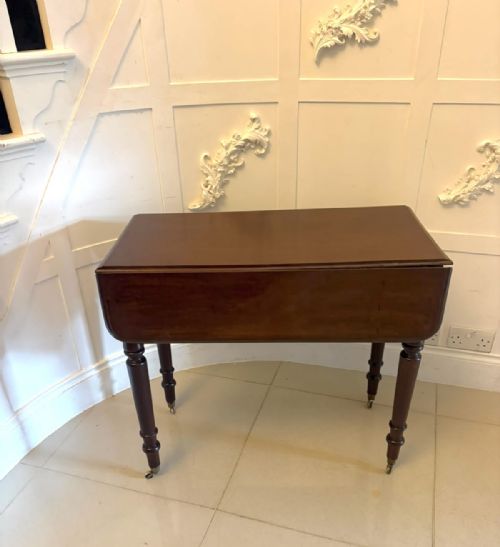
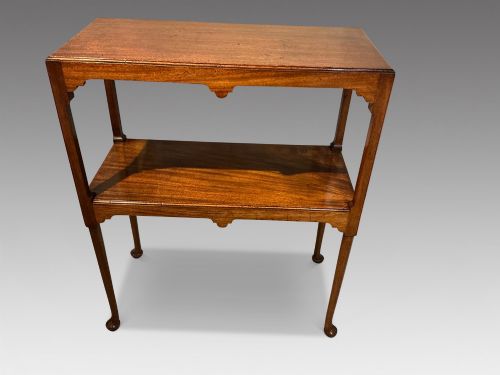
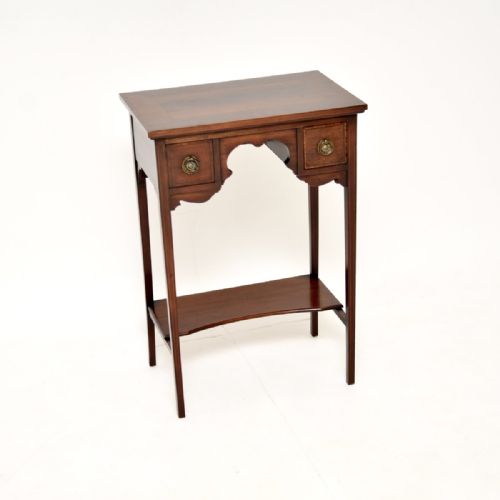
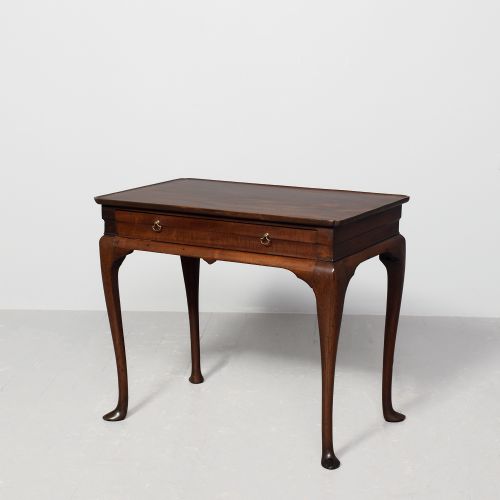
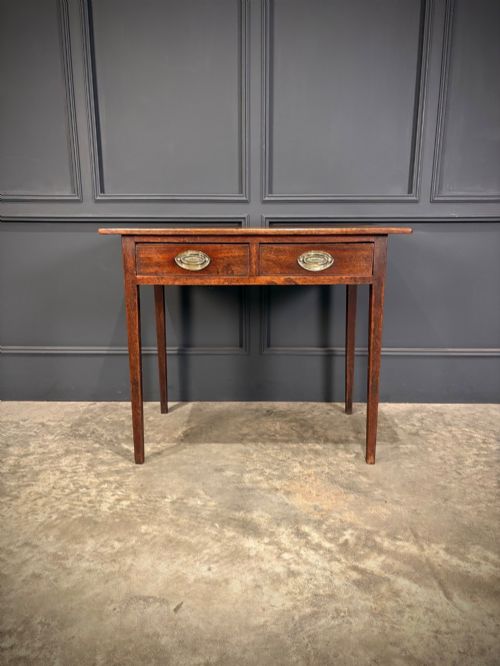
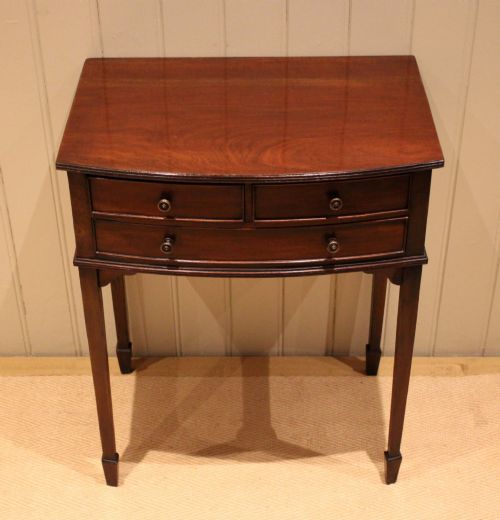

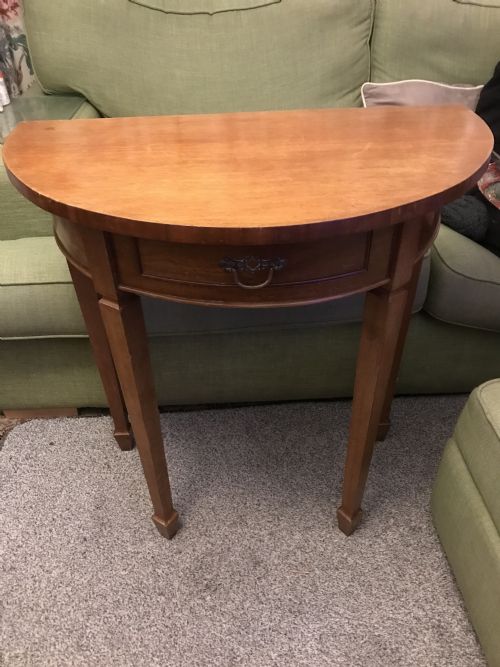
Small Mahogany Console Table
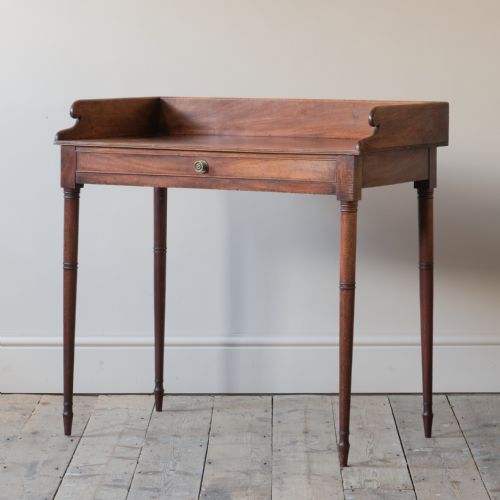
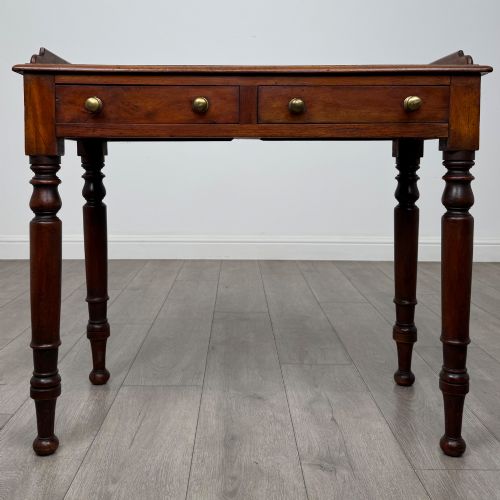
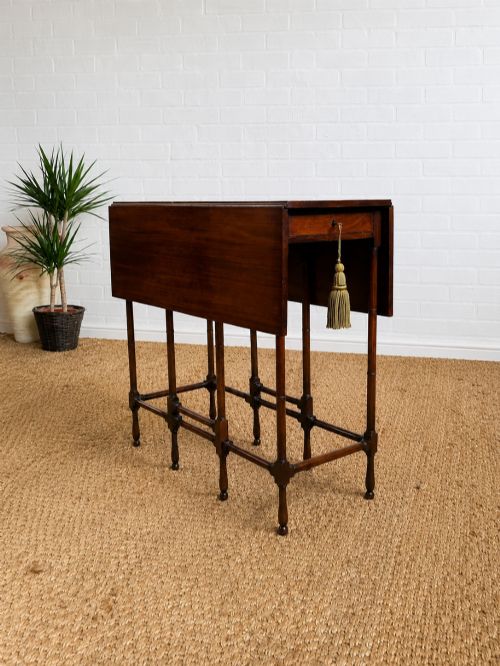
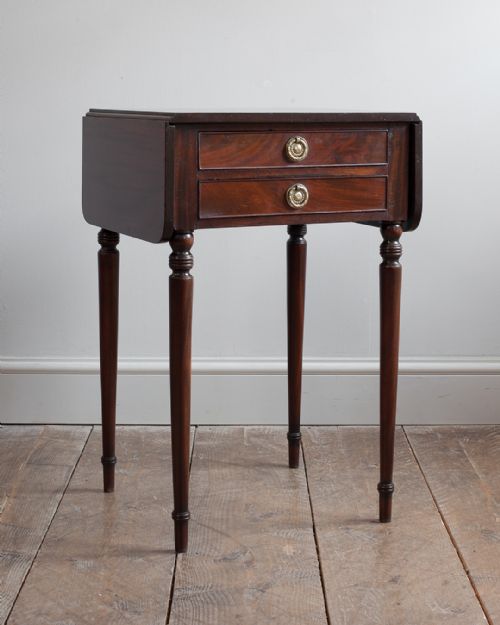
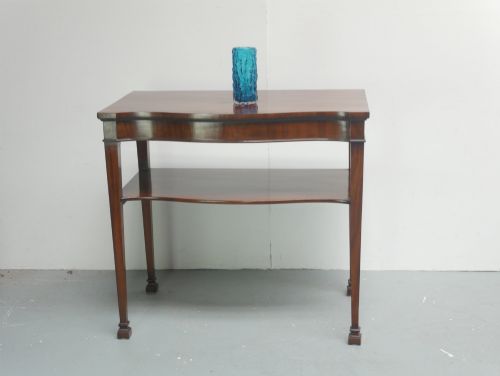
These small mahogany console table examples combine rich timber with compact proportions, offering practical display surfaces and distinct period character for narrow spaces.

What these pieces are
A small mahogany console table is a compact surface designed to stand against a wall, frequently appearing alongside side tables, occasional tables, and pier tables in the record. The current listings and archive show pieces spanning the Georgian, Regency, William IV, Victorian, and Edwardian eras, with dates reaching from eighteen hundred through to nineteen hundred and twenty.
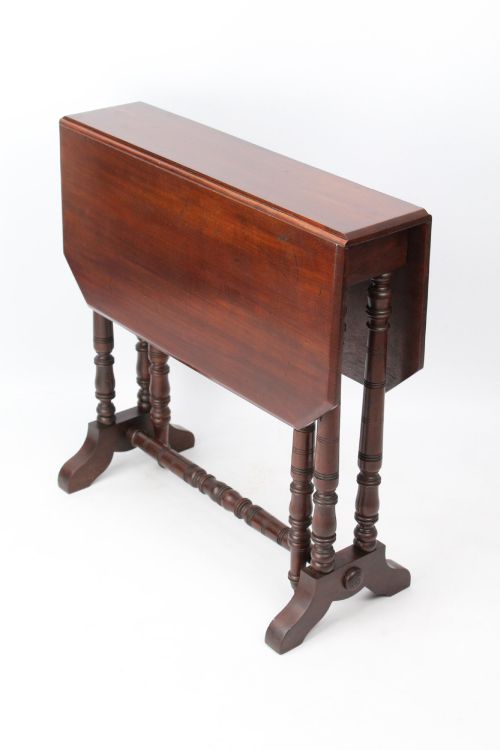
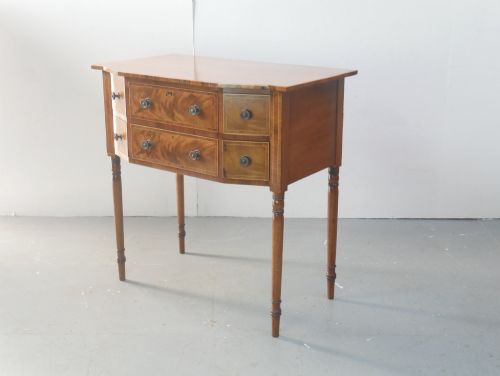
Buyers encountering this search phrase find both traditional wall-mounted or pier consoles and versatile freestanding formats like side tables, tea tables, and work tables. Forms range from straight-edged rectangular boards to demi-lune half-moon shapes and bow fronts, utilising timber bodies that often feature single drawers or lower tiers.
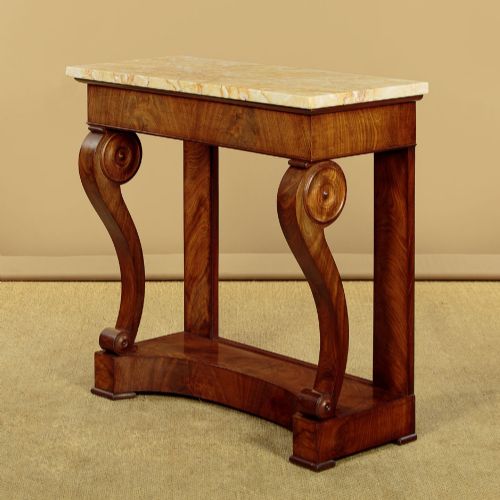
Origins stretch across British workshops and French cabinet-makers, with stylistic influences drawing heavily from Regency elegance and Sheraton Revival refinement. While some examples rely on architectural simplicity and strong proportions, others incorporate folding tops, boxwood inlay, or integrated marble surfaces.
How they were made
Construction relies primarily on solid wood and figured mahogany veneers applied over stable secondary timbers, often accented with contrasting boxwood inlay or brass fittings. Heavier console variants frequently pair these timber frames with fitted marble tops, while smaller sewing and work tables integrate internal compartments and ceramic elements.
Joinery techniques reflect traditional cabinet-making standards of the eighteenth and nineteenth centuries, ensuring sturdy frames despite slender proportions. Surface finishing enhances the natural grain patterns of the mahogany, ranging from straight-grained Cuban timber to highly figured flame mahogany veneers.
Retail Price Guide 2026
Typical UK retail prices for small mahogany console table, calculated from the Sellingantiques database of over a million retail prices indexed since 2003. This retail price guide relies exclusively on Sellingantiques data; no external sources or auction records are used, so the figures do not describe the wider market.
Several diminutive tables hide sewing wells and game boards beneath their polished tops, built for Victorian parlour pastimes.
What varies in quality
Quality differences emerge in the selection of the timber itself, where highly figured flame mahogany or dense Cuban mahogany sits above standard plain stock. The refinement of carved details, such as those found on demi-lune pier tables, distinguishes ambitious workshops from simpler utilitarian pieces.
Proportion and structural integrity define the upper tier of these tables, where slender supports remain entirely rigid and balanced. Finer examples also feature subtle decorative elements like precise boxwood inlay and integrated marble tops fitted cleanly to the wooden frame.
The Small Mahogany Console Table Glossary
- Console table
- A table designed to stand against a wall, frequently supported by brackets or console legs. These pieces serve narrow hallways and reception rooms where floor space is limited.
- Demi-lune
- A half-moon shape used for the tops and frames of specific console and pier tables. This curved format allows the furniture to sit flush against a wall while projecting into the room.
- Flame mahogany
- A decorative veneer cut from wood where the branch meets the trunk, producing a rippling, flame-like pattern. Cabinet-makers reserve this material for prominent surfaces.
- Pier table
- A decorative table designed to stand against the wall between two windows, often positioned beneath a mirror. These pieces frequently feature marble tops and elaborate carving.
- Sheraton Revival
- A late nineteenth-century design style inspired by the lightness and classical ornamentation of late eighteenth-century furniture. Pieces from this movement often incorporate delicate inlay work.
Frequently Asked Questions
Where should I place a console table?
These tables suit narrow hallways, entrance passages, and living rooms where depth is restricted. Their compact footprints allow them to sit flush against walls without obstructing pathways.
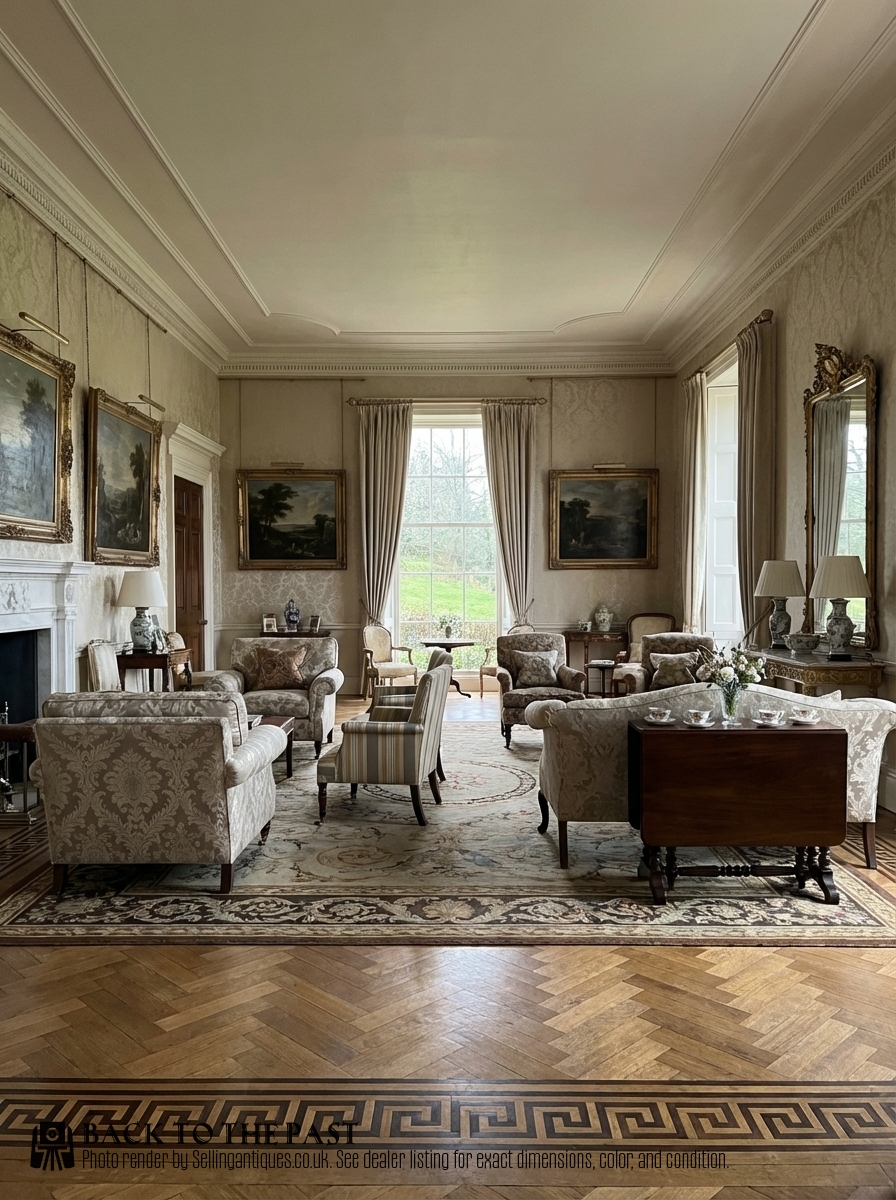
In reception rooms, they function effectively beneath mirrors or artwork, providing a convenient surface for lamps and small decorative objects.
How do I identify a Regency console?
Regency pieces often display classical architectural influences, bold proportions, and clean structural lines dating from the early nineteenth century. Makers during this period favoured dark mahogany and occasionally incorporated brass mounts or restrained carving.
Examining the underlying timber construction and joinery helps confirm the period, distinguishing true Regency examples from later revival pieces.
What is the difference between a console and a side table?
Console tables are traditionally designed to stand against a wall, sometimes relying on the wall for additional stability or featuring flat backs. Side tables are generally freestanding items intended to sit beside seating or against perimeter walls.
In historical listings, however, the terminology often overlaps as makers adapted similar rectangular and demi-lune forms for multiple domestic uses.
Are marble tops original to these tables?
Many nineteenth-century console and pier tables were manufactured specifically with inset marble slabs to provide durable, heat-resistant surfaces. These stone tops appear frequently on French and British examples from the eighteen-twenties to the eighteen-sixties.
Evaluating the fit between the marble and the surrounding mahogany frame assists in determining whether the components share the same origin.