
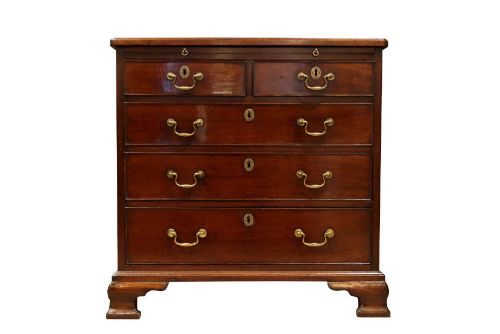
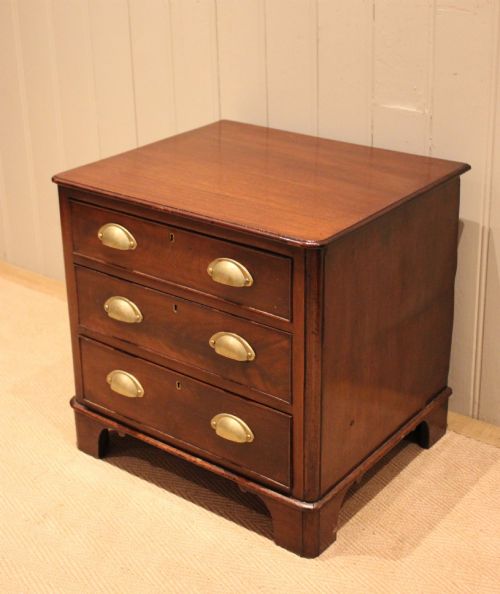
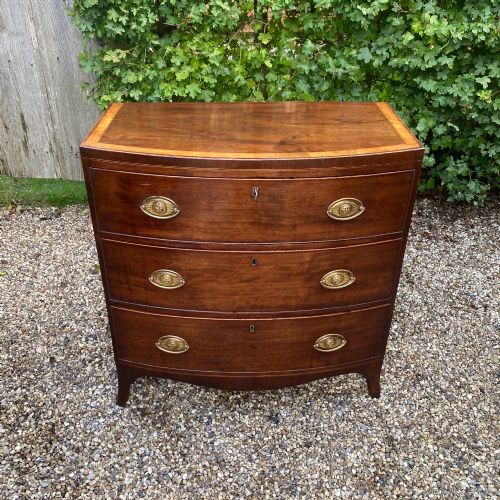
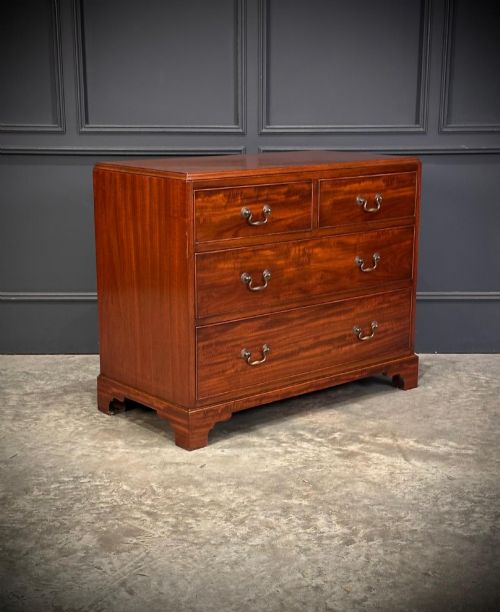



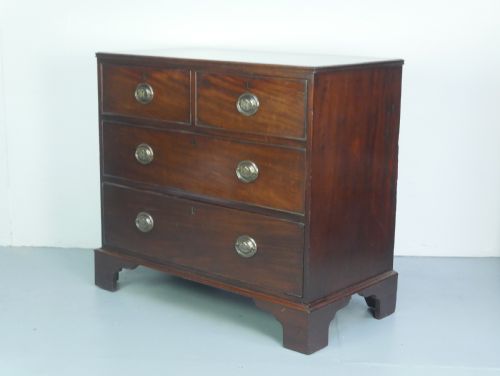


Small Mahogany Bachelor Chest
A small mahogany bachelor chest provides compact storage and a functional writing surface, combining Georgian proportions with rich timber grain.
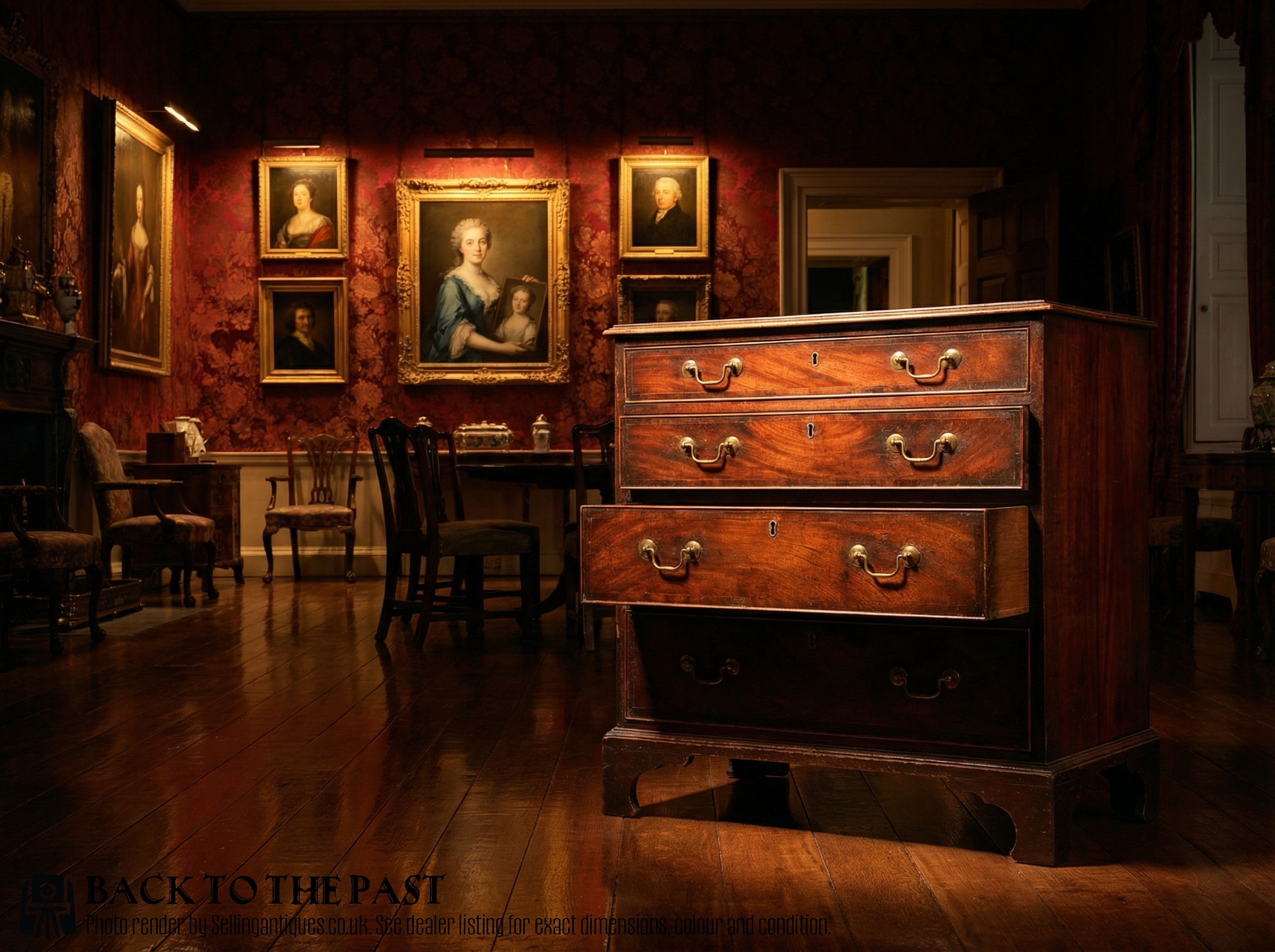
Small Mahogany Bachelor Chest
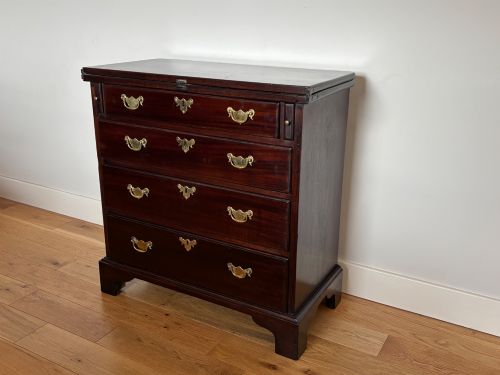
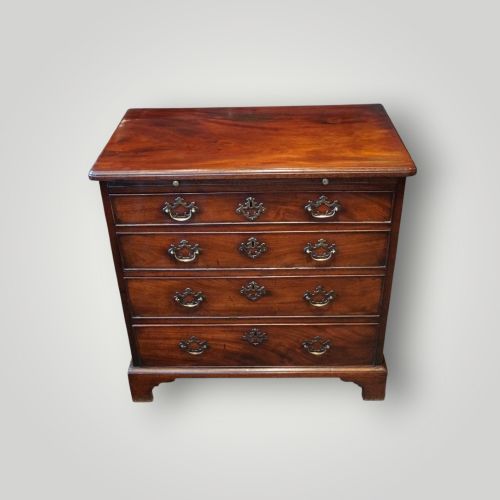
A small mahogany bachelor chest represents a scaled-down form of drawer storage traditionally outfitted with a pull-out brushing slide or folding top for correspondence.
Buyers browsing this selection frequently encounter pieces originating in the 18th century, particularly the Georgian period, alongside later 19th-century and Edwardian revivals.
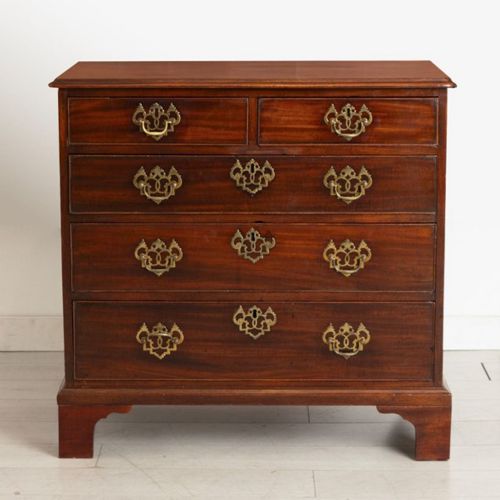
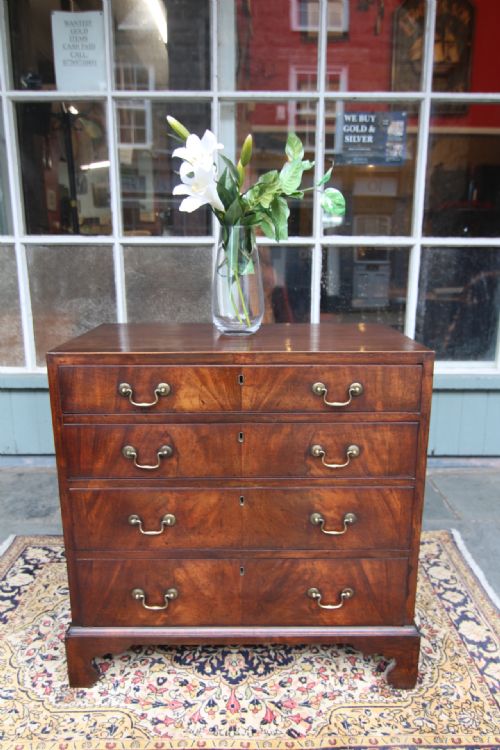
These items typically present as rectangular or bow-fronted cases supported by bracket feet, integrating multiple graduated drawers beneath the primary work surface.
Materials and Construction
Cabinet makers constructed the primary carcase and drawer fronts using solid or veneered mahogany, frequently complemented by secondary timbers such as oak and pine within internal drawer linings.
Selected examples incorporate contrasting stringing or cross-banding utilising boxwood and satinwood, paired with cast brass handles and escutcheons secured to the drawer faces.
Secondary structural elements rely on traditional joinery methods, including hand-cut dovetails for drawer construction and pegged joints on internal frames.
Some chests hide secret compartments behind the sliding board, keeping clandestine love letters safe from prying eyes.
Assessing Quality
The degree of refinement in a small mahogany bachelor chest depends heavily on the crispness of the cabinet work and the choice of timber figure, such as flame mahogany or Cuban mahogany selections.
Superior examples maintain original brass hardware, uncompromised bracket feet, and smooth operation of the sliding writing surface without timber distortion.
Proportion and scale dictate the desirability of the piece, with narrower footprints and well-balanced drawer arrangements commanding greater attention from collectors.
The Small Mahogany Bachelor Chest Glossary
- Brushing slide
- A pull-out shelf located above the primary drawers, historically utilised for writing or grooming while standing.
- Caddy top
- A raised, moulded tabletop profile resembling the lid of a tea caddy, popular on pieces from the 18th century onwards.
- Cross-banding
- A decorative border of veneer laid across the grain of the primary surface to frame the drawer fronts or top.
- Bracket foot
- A corner foot shaped like a bracket, supporting the chest with a clean architectural silhouette.
- Serpentine
- A gently undulating curved front shape that requires advanced woodworking skill to execute cleanly on drawer faces.
Small Mahogany Bachelor Chest: Frequently Asked Questions
What is a bachelor chest used for?
These chests served primarily as compact bedroom furniture offering both drawer storage and a pull-out writing surface for daily correspondence.
Today, they function effectively as bedside tables or accent storage in smaller reception rooms where floor space is limited.
How do I date a mahogany chest?
Dating relies on observing construction methods, timber choices, and hardware styles, such as dovetail thickness and brass handle design.
Georgian pieces generally exhibit hand-cut dovetails and native oak linings, whereas later 19th-century revivals display different interior woods and machine assistance.
What timber was used for these chests?
Mahogany served as the predominant facing timber throughout the 18th and 19th centuries, frequently featuring figured grains like flame or Cuban varieties.
Secondary timbers inside the drawers commonly include oak, pine, or deal depending on the workshop origin and period of manufacture.
Are these chests suitable for modern homes?
Their compact dimensions make them exceptionally practical for contemporary living spaces requiring functional surface area and discreet storage.
The restrained proportions allow them to fit easily into hallways, studies, and bedrooms without overwhelming the room layout.