


Small Glass Front Cabinet
A small glass front cabinet holds treasured objects in plain view while keeping dust at bay, bringing useful character to any room.
Small Glass Front Cabinet
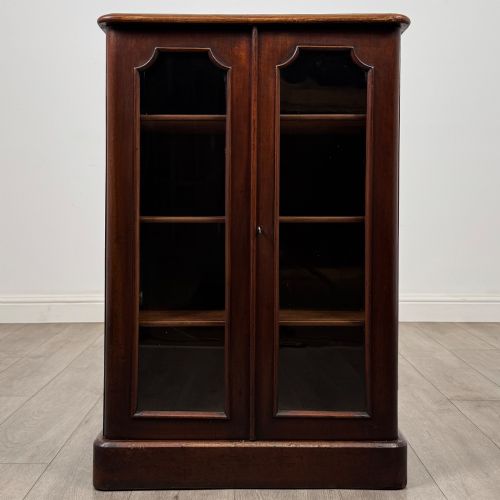
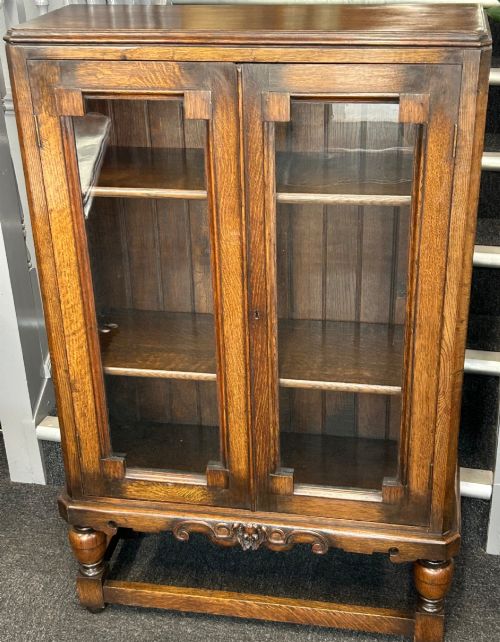
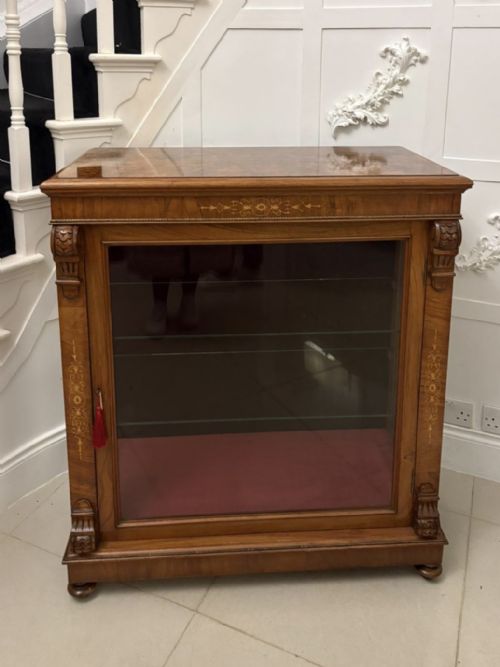
A small glass front cabinet turns up in several distinct forms across our inventory, most frequently as a Victorian pier cabinet, an Edwardian bookcase, or a compact display piece. Buyers seek these items to showcase books, collections, or curiosities without surrendering substantial floor space in smaller rooms. You will encounter pieces ranging from mid-nineteenth-century walnut pier cabinets to early twentieth-century oak corner cupboards and glazed shop displays.
The selection leans heavily toward nineteenth-century Victorian walnut and mahogany iterations, alongside Edwardian glazed bookcases and specialised collectors' cabinets fitted with multiple drawers. Styles span from French Provincial and Louis XV Revival to Arts and Crafts and Art Deco, reflecting shifting domestic tastes across the decades. Whether you examine a serpentine-fronted display unit or a counter-top shop counter, each offers a compact footprint paired with transparent frontage.
Materials and Construction
Cabinet makers relied primarily on solid hardwoods such as mahogany, oak, and walnut, often applying figured burr walnut veneers to primary surfaces to create striking grain patterns. Brass mounts, handles, and hinges appear regularly as functional and decorative accents on Victorian and Edwardian examples. Interior shelving frequently incorporates matching woods, while specialised pieces like collectors' cabinets or haberdashery units utilise internal baize, fabric, or velvet linings.
Glass panes are set securely into wooden doors using traditional glazing bars, occasionally curving around bow or serpentine fronts as seen in French and late nineteenth-century workshop designs. Inlaid decoration utilising contrasting timbers adds surface pattern without bulk, maintaining the delicate proportions expected in smaller furniture. Construction methods rely on traditional joinery that ensures structural stability while supporting glazed doors and internal shelving.
Materials span walnut, burr walnut, mahogany, and oak, alongside brass fittings and velvet linings.
Judging Quality
Quality rests significantly on the selection of timber veneers and the crispness of any inlaid decoration across the cabinet body. Pieces utilising highly figured burr walnut or carefully matched mahogany display a superior level of craftsmanship from the maker's workshop. Furthermore, the intricacy of brass hardware and the precision of the glazing bars indicate the original tier of production.
Structural integrity of the glazed doors and the smooth operation of drawers or locks distinguish finer examples from standard utility pieces. Cabinets retaining original glass, functioning keys, and well-preserved interior velvet or fabric linings command greater appreciation among collectors. The harmony between the chosen revival style - whether Louis XV or Jacobean - and the execution of the timber work defines the upper echelon of these items.
The Small Glass Front Cabinet Glossary
- Pier cabinet
- A low freestanding cabinet designed to fit against the narrow section of wall between windows. These Victorian pieces often feature glazed doors and walnut or burr walnut surfaces.
- Glazed
- Fitted with glass panes to enclose the interior while allowing visibility. This technique protects contents from dust whilst displaying books or collections.
- Burr walnut
- Timber taken from a walnut tree growth showing intricate, swirling grain patterns. Cabinet makers prized this material for decorative veneering on high-status furniture.
- Haberdashery cabinet
- A multi-drawer storage unit originally utilised in retail shops for small goods. They frequently incorporate glass panels to allow customers to view stock.
- Serpentine front
- A piece of furniture featuring a gently undulating front line curving outward at the centre and inward at the sides. This shape requires skilled woodworking to achieve.
Small Glass Front Cabinet: Frequently Asked Questions
Where should I place a small glass front cabinet?
These compact cabinets suit alcoves, hallways, or living rooms where floor space is limited. Their transparent doors allow you to display ceramics, books, or collections without overwhelming the room.
Position them away from direct sunlight to protect internal linings and wooden surfaces from fading over time.
How do I distinguish Victorian from Edwardian cabinets?
Victorian examples often feature darker timbers like mahogany and burr walnut, frequently accented with elaborate inlay and brass mounts. Styles lean toward formal revival aesthetics including Louis XV and Jacobean influences.
Edwardian pieces generally present lighter oak or walnut constructions with simpler lines, reflecting the shift toward Arts and Crafts or early twentieth-century sensibilities.
What were collectors cabinets originally used for?
Makers designed these specialised units with numerous shallow drawers to house scientific specimens, microscope slides, coins, or natural history collections. The glass fronts protected delicate items while permitting easy study.
Today, modern owners repurpose these multi-drawer cabinets for jewellery, small trinkets, or contemporary collections.
Are keys usually included with antique cabinets?
Many surviving pieces retain their original working keys, particularly those fitted with functional locks on doors and drawers. However, older locks can occasionally be delicate and require careful handling.
If a key is absent, specialist locksmiths can often supply a suitable replacement or adjust the existing mechanism.