
Small Georgian Sideboard
A small georgian sideboard brings refined dining room utility into a compact footprint through balanced proportions and warm timber tones.
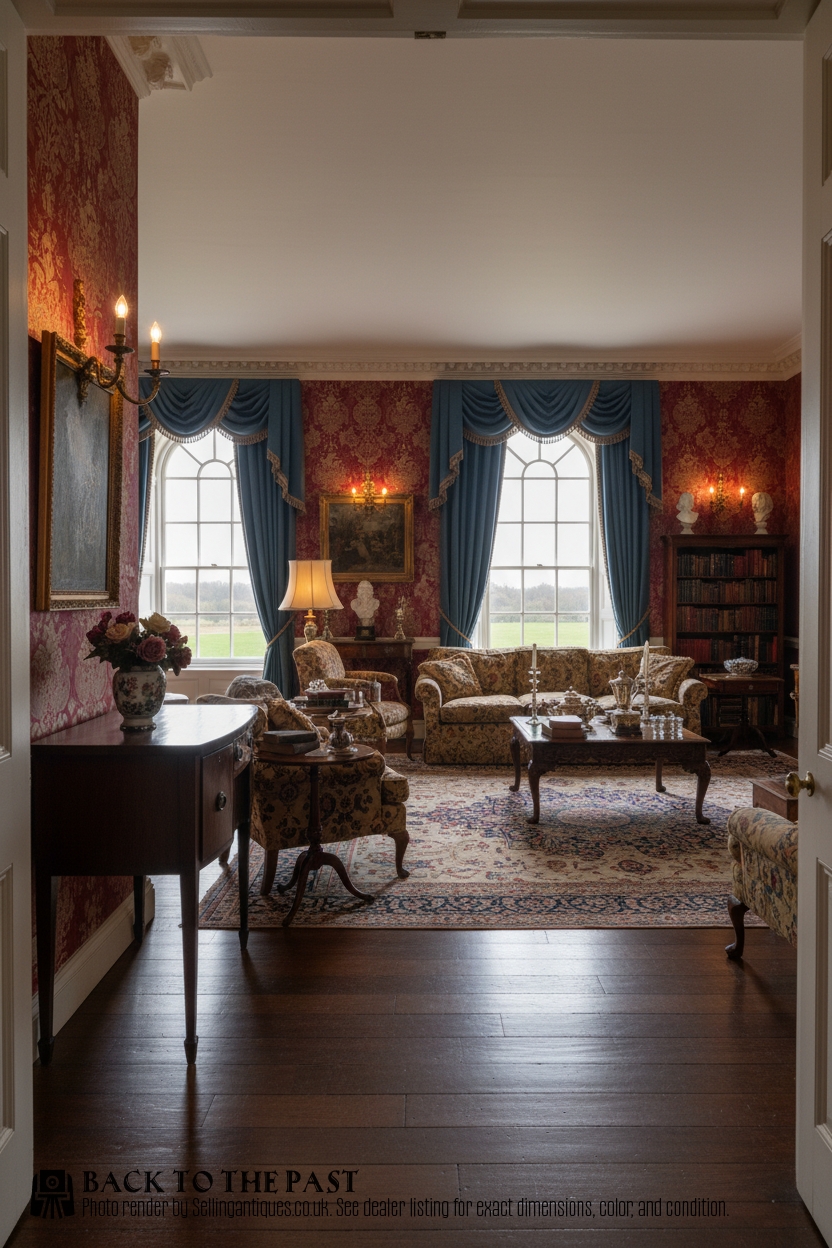
Small Georgian Sideboard
A small georgian sideboard is a compact serving piece designed for dining rooms with limited floor space, typically dating from the eighteenth or early nineteenth century. These items combine drawers and cupboards into a low surface originally meant for holding dishes and serving food during meals.
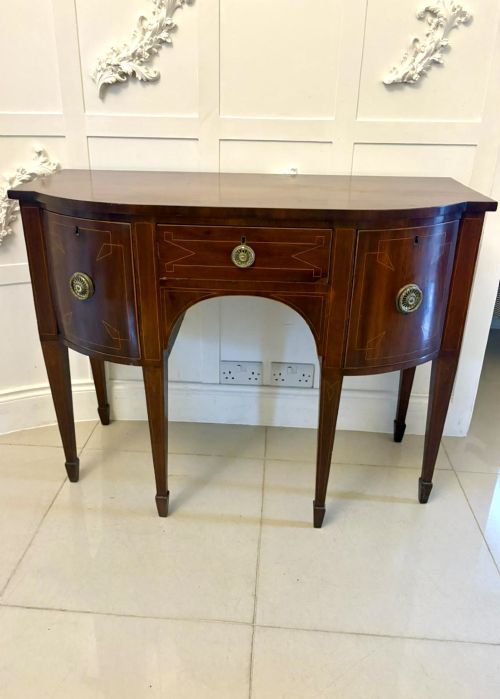
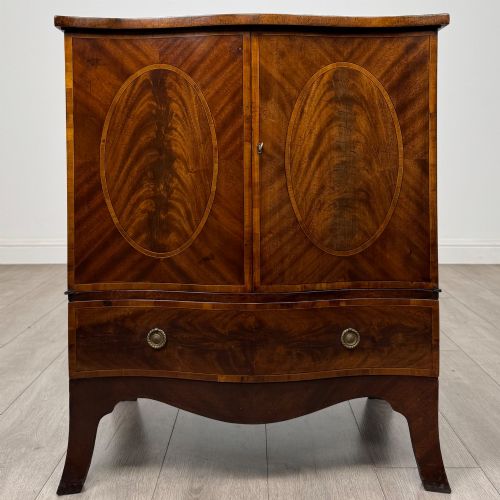
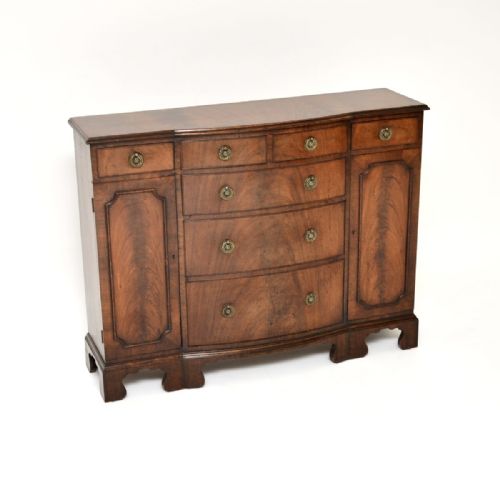
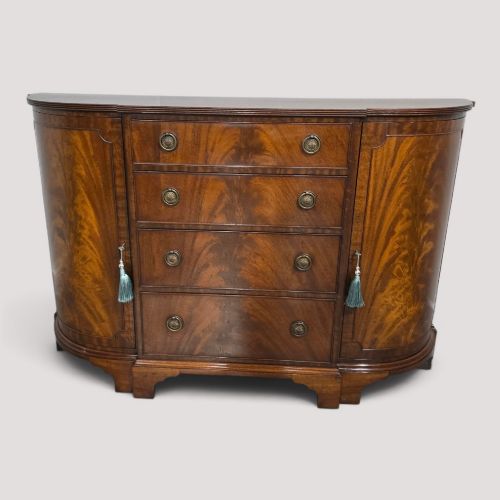
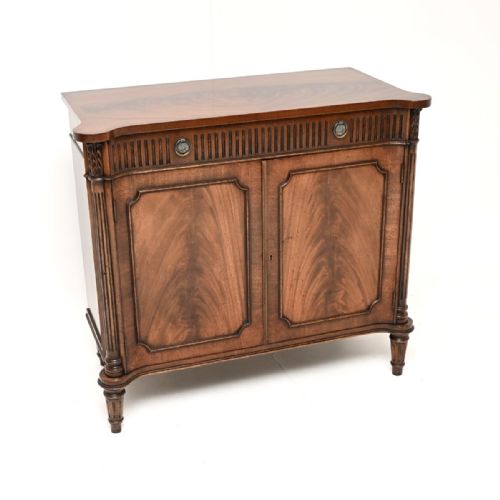
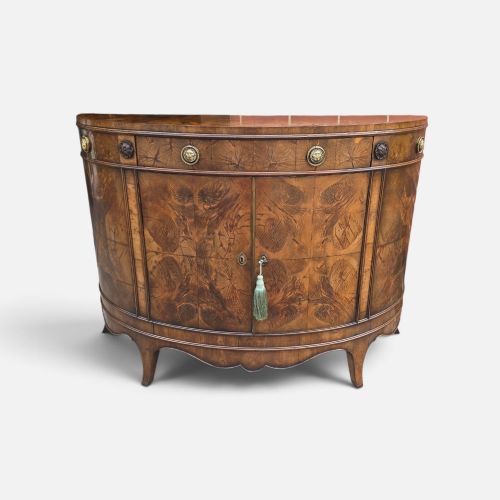
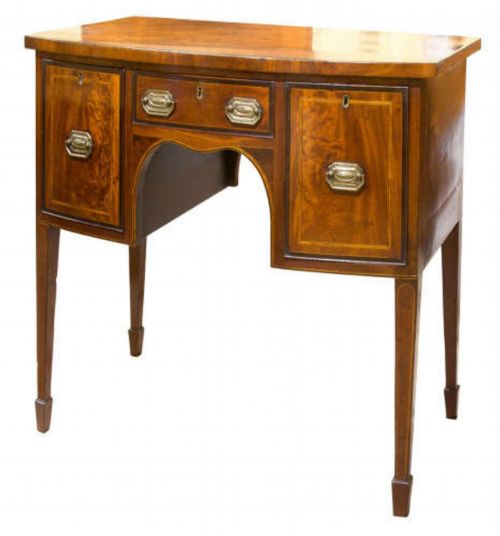
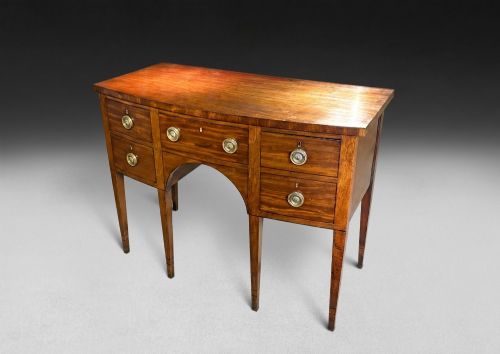
The pieces appearing most frequently in this selection span the Georgian and Regency periods, leaning heavily toward mahogany timber construction. Many examples feature bow-front or serpentine shapes that soften the rigid geometry of smaller rooms while maintaining ample interior storage.
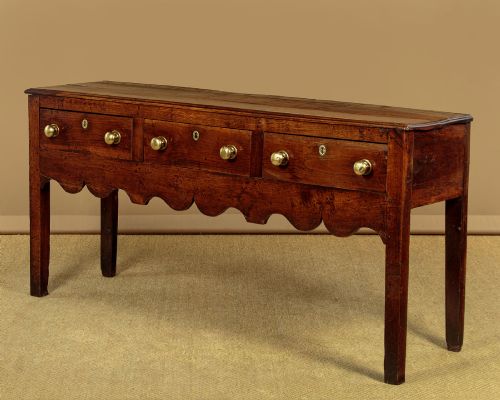
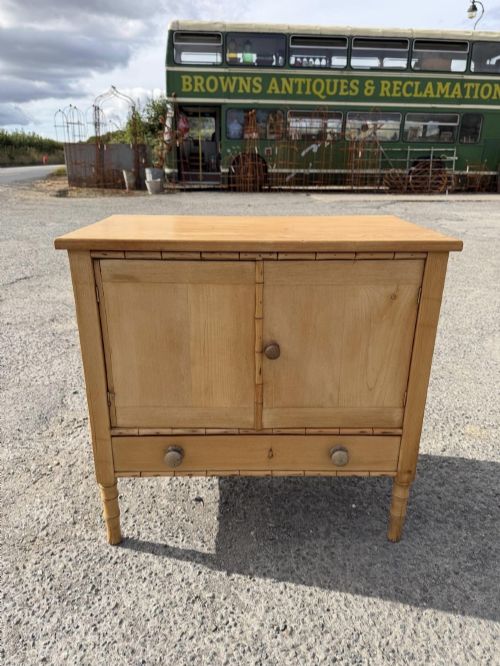
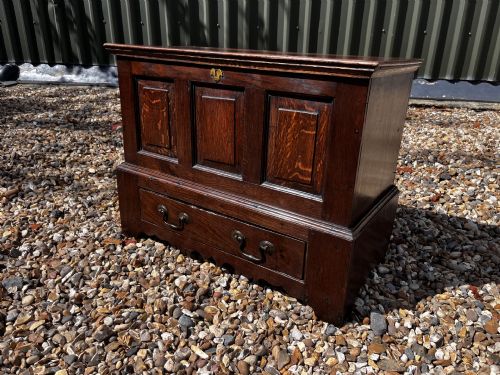
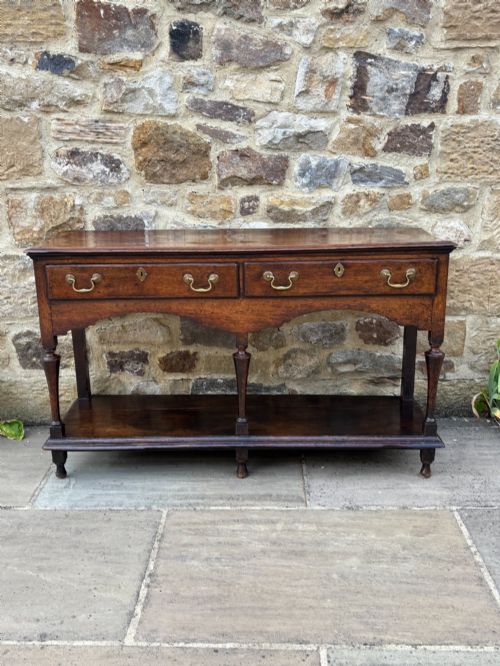
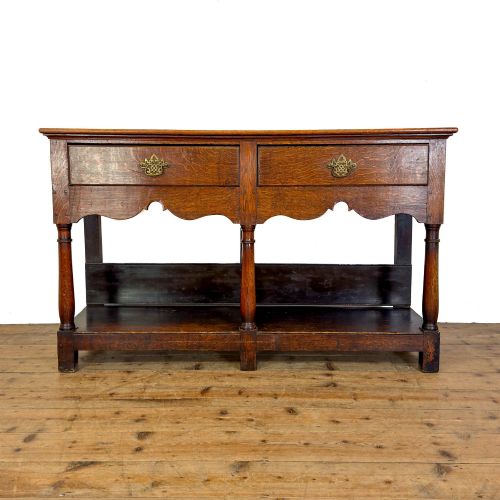
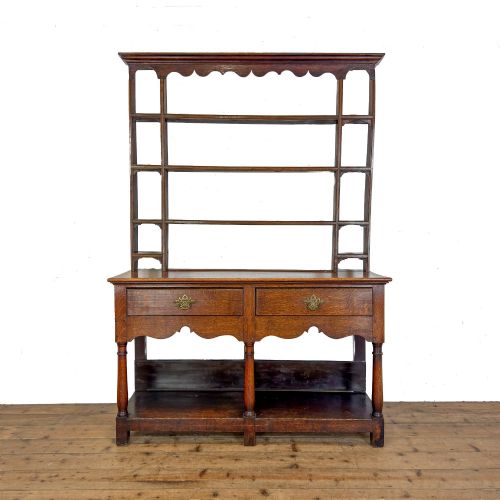
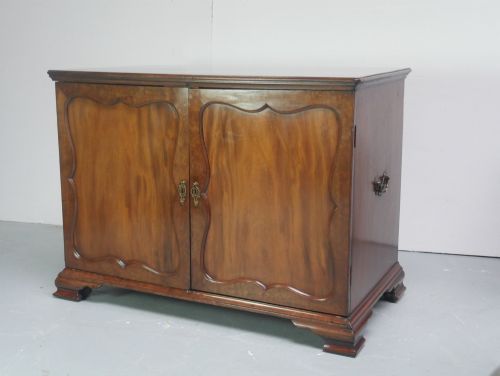
Alongside standard formal sideboards, buyers regularly encounter related regional forms such as Welsh oak dresser bases and compact serving tables. These variations reflect the diverse domestic needs of country houses and urban townhomes alike.
How they were made
Cabinet makers relied primarily on solid mahogany and oak as structural timbers, often applying figured mahogany veneers to drawer fronts and top panels to create rich visual depth. Secondary woods like pine frequently appear in drawer linings and internal shelving.
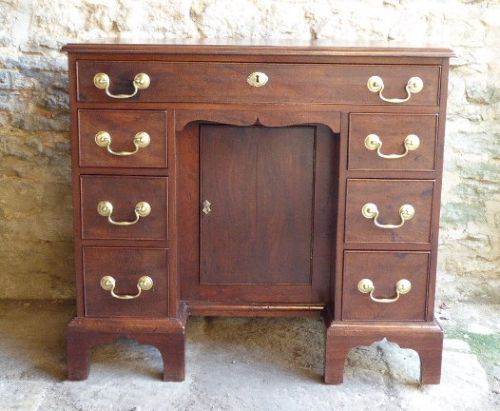
Decorative detailing on these pieces typically involved contrasting stringing and banding using boxwood, purpleheart, or satinwood. Brass hardware, ranging from simple ring handles to intricate backplates, completed the construction alongside hand-cut dovetails on the drawer joints.
Listings feature mahogany, oak, and yew wood alongside brass inlay and satinwood banding across various periods.
What varies in quality
Quality in a small georgian sideboard rests largely on the choice of timber and the precision of its grain matching across the front facade. Finer workshops selected highly figured flame mahogany or dense yew wood, ensuring the natural patterns flowed seamlessly from one drawer to the next.
The crispness of inlay work and the subtlety of edge-banding also separate standard production from superior pieces. Skilled execution in the tapering of legs and the curving of bow-front profiles demonstrates the maker's command over the material.
Maple And Co·George Oakley·Gillows
The Small Georgian Sideboard Glossary
- Bow-front
- A cabinet front that curves outward in a convex arc, softening the linear profile of the furniture. This shape proved especially popular in smaller dining rooms to save floor space.
- Dovetail
- A traditional interlocking woodworking joint used to secure drawer corners together. Hand-cut dovetails indicate older craftsmanship before the adoption of machine production.
- Stringing
- Thin lines of contrasting timber inlaid into the surface of a piece for decoration. Craftsmen often used boxwood or ebony against mahogany backgrounds.
- Potboard
- An open lower shelf fitted beneath a dresser base or sideboard, traditionally used for storing pots and heavy kitchen utensils. It is a common feature in country furniture.
- Flame mahogany
- A decorative wood veneer showing a distinct feather-like flame pattern caused by the grain intersecting at an angle. It was reserved for the most prominent display surfaces.
Small Georgian Sideboard: Frequently Asked Questions
Where were sideboards placed in the dining room?
These pieces traditionally stood against the wall opposite the dining table or beside the serving doors to facilitate the quick clearing of courses. Their compact dimensions allowed them to fit snugly into narrower alcoves without obstructing movement.
In modern homes, they function just as easily in hallways, living rooms, or entrance spaces where surface area and concealed storage are equally valuable.
How do I distinguish a Georgian piece from a later revival?
Authentic period pieces display construction methods appropriate to the eighteenth or early nineteenth century, including hand-sawn timbers and subtle irregularities in the drawer linings. Secondary woods like oak or pine inside the piece generally match the expected regional practices of the era.
Revival pieces from later periods often feature uniform machine-cut elements and modern adhesives hidden beneath the exterior styling. Examining the interior construction usually reveals these chronological differences.
What is the difference between a sideboard and a dresser base?
A sideboard is primarily a formal dining room serving cabinet with enclosed cupboards and long drawers designed for flatware and linens. They frequently feature elegant tapered legs or shaped bow-fronts intended for refined reception spaces.
A dresser base stems from a more vernacular rural tradition, often featuring an open potboard shelf underneath and heavier oak construction meant for daily utility. These items originated in farmhouse kitchens rather than formal urban dining rooms.
How should I care for a mahogany or oak surface?
Maintain the timber by applying a traditional beeswax polish sparingly and buffing it with a soft cloth to preserve the natural lustre of the aged wood. Avoid placing the furniture in direct sunlight or near heat sources to prevent the veneers from drying out.
Keeping room humidity stable prevents the timber and underlying structural joints from expanding or contracting excessively over changing seasons.