



Small French Wooden Table
A small french wooden table brings provincial warmth and refined French design to compact spaces.
Small French Wooden Table
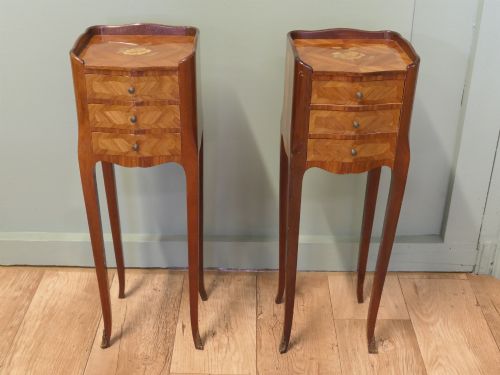
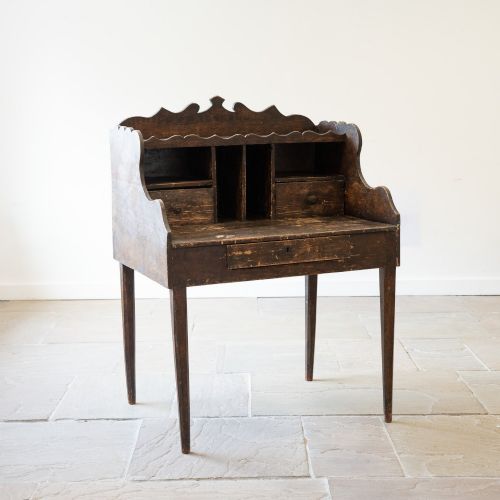
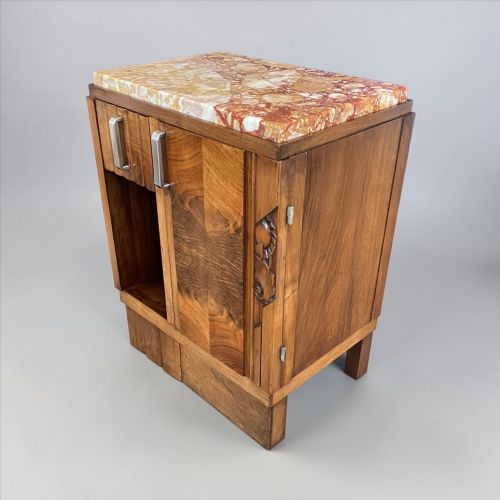
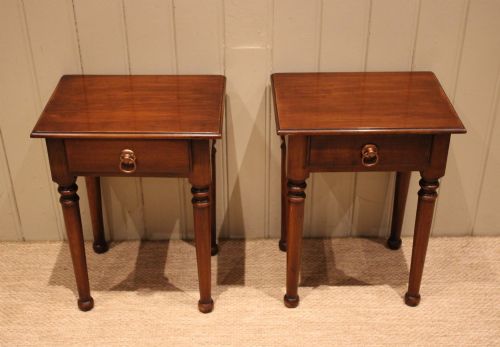
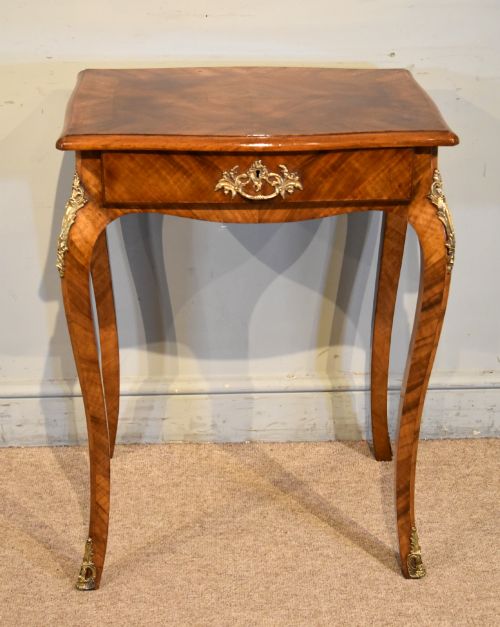
When you search for a small french wooden table, you encounter a variety of intimate furnishings designed for specific domestic tasks. These pieces range from bedside cabinets and side tables to compact writing desks and lamp tables.
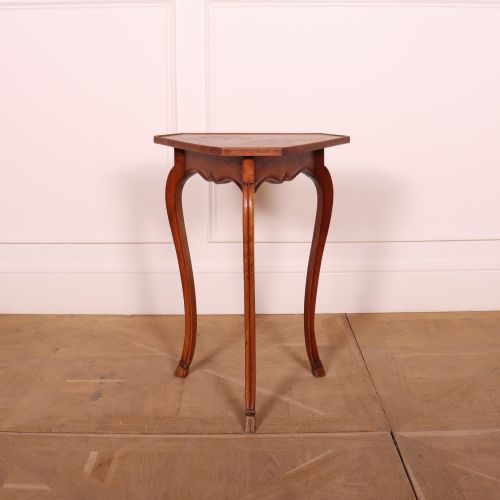
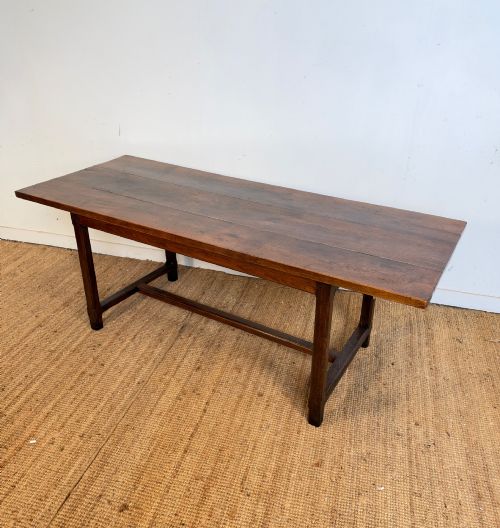
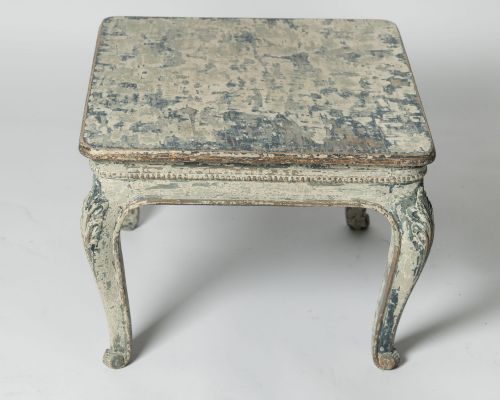
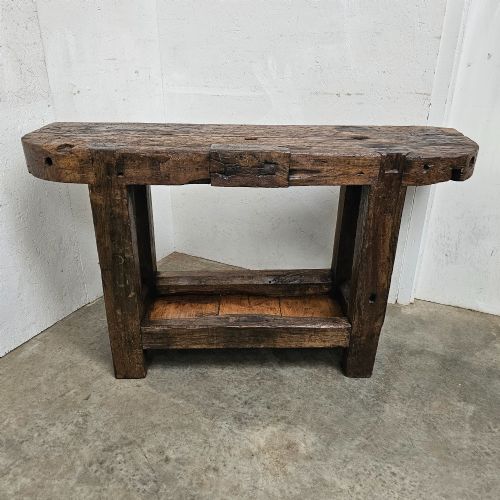
The selection on this page draws heavily from the nineteenth century through the early twentieth century, encompassing styles such as French Provincial, Louis XV Revival, and rustic farmhouse forms.
Makers utilised native timbers to construct versatile objects like work tables, occasional tables, and diminutive end tables that suit modern hallways and sitting rooms just as well as historical interiors.
How they were made
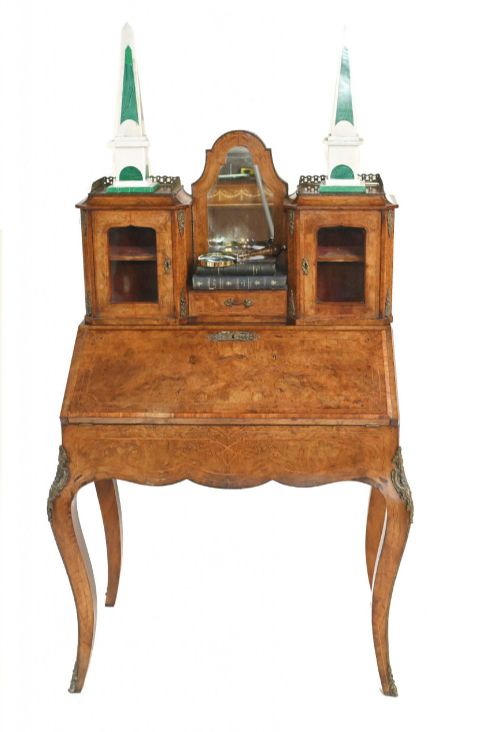
Cabinetmakers built these tables using a selection of traditional hardwoods including walnut, oak, fruitwood, mahogany, and cherry wood. Joinery techniques varied from simple turned legs and pegged frames to intricate marquetry and quarter-veneer surfaces.
Metal mounts in brass and gilt bronze frequently accented the woodwork, particularly on revival pieces, while simpler provincial items relied on the natural grain of elm, chestnut, or alder.
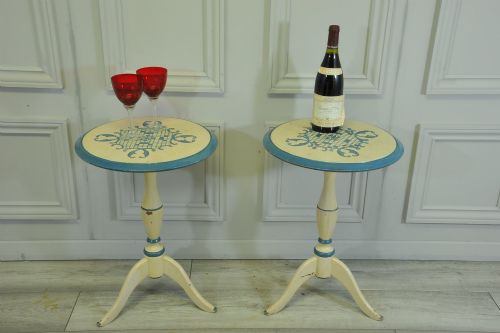
Surfaces often received hand-rubbed finishes, painted decoration, or chequered inlay to enhance the visual texture of the timber.
Small French Wooden Table Retail Price Guide 2026
Typical asking prices for small french wooden table among the pieces listed under this phrase on Sellingantiques today, from the lower quarter to the upper quarter. They describe what is for sale here now, not the wider market.
Several listings include bedside cabinets, proving that nineteenth-century French households took their bedtime storage very seriously.
What varies in quality
The standard of a small french wooden table depends largely on the selection of timber and the precision of the cabinetwork. Fine examples display carefully matched wood grains, such as quarter veneers and delicate marquetry, rather than plain surfaces.
The Small French Wooden Table Glossary
- Bonheur du jour
- A small lady's writing desk featuring a tiered superstructure with drawers, pigeonholes, or a small cupboard above the main writing surface. This form gained popularity during the eighteenth century and continued into later revivals.
- Marquetry
- The art of applying pieces of veneer to a structure to form decorative patterns and pictorial designs. Craftsmen utilised various coloured woods to create intricate floral or geometric motifs.
- Fruitwood
- Timber harvested from fruit-bearing trees such as cherry, pear, or apple, commonly utilised by provincial cabinetmakers. It yields a warm tone and fine grain suitable for smaller tables and cabinets.
- Provincial
- Pertaining to the regions of France outside Paris, where furniture makers focused on utilitarian durability and local materials rather than courtly fashions. These items often feature simpler lines and sturdy construction.
- Occasional table
- A small, versatile table intended for light, specific uses around a room, such as holding a lamp, book, or decorative object.
Small French Wooden Table: Frequently Asked Questions
Where should I place a small French table?
These compact pieces fit easily into corners, hallways, and beside seating or beds.
Their modest footprints allow them to function as lamp stands, nightstands, or writing surfaces in smaller rooms.
How do I care for antique wooden tables?
Keep wooden surfaces away from direct heat sources and strong sunlight to prevent the timber from drying out or warping.
Regular dusting with a soft cloth and occasional light waxing preserve the natural finish.
What is the difference between provincial and revival styles?
Provincial pieces reflect the practical needs and rustic aesthetics of regional French makers using local woods like fruitwood and elm.
Revival styles mirror the ornate court fashions of Louis periods, often incorporating finer veneers, marquetry, and bronze mounts.
Can I use these tables for daily writing?
Desks like the bonheur du jour or work tables were originally built for correspondence and light administrative tasks.
Their scaled-down writing surfaces suit modern notebook use or laptop placement in domestic settings.