
Small Edwardian Chest
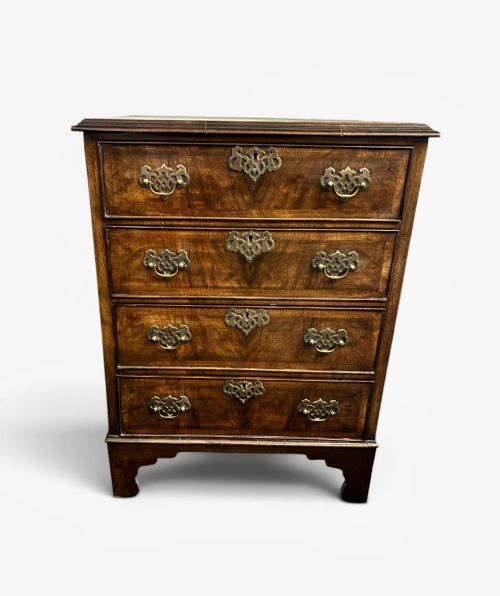
A small edwardian chest brings compact proportion and refined timber to a bedroom or study without dominating the floor space.
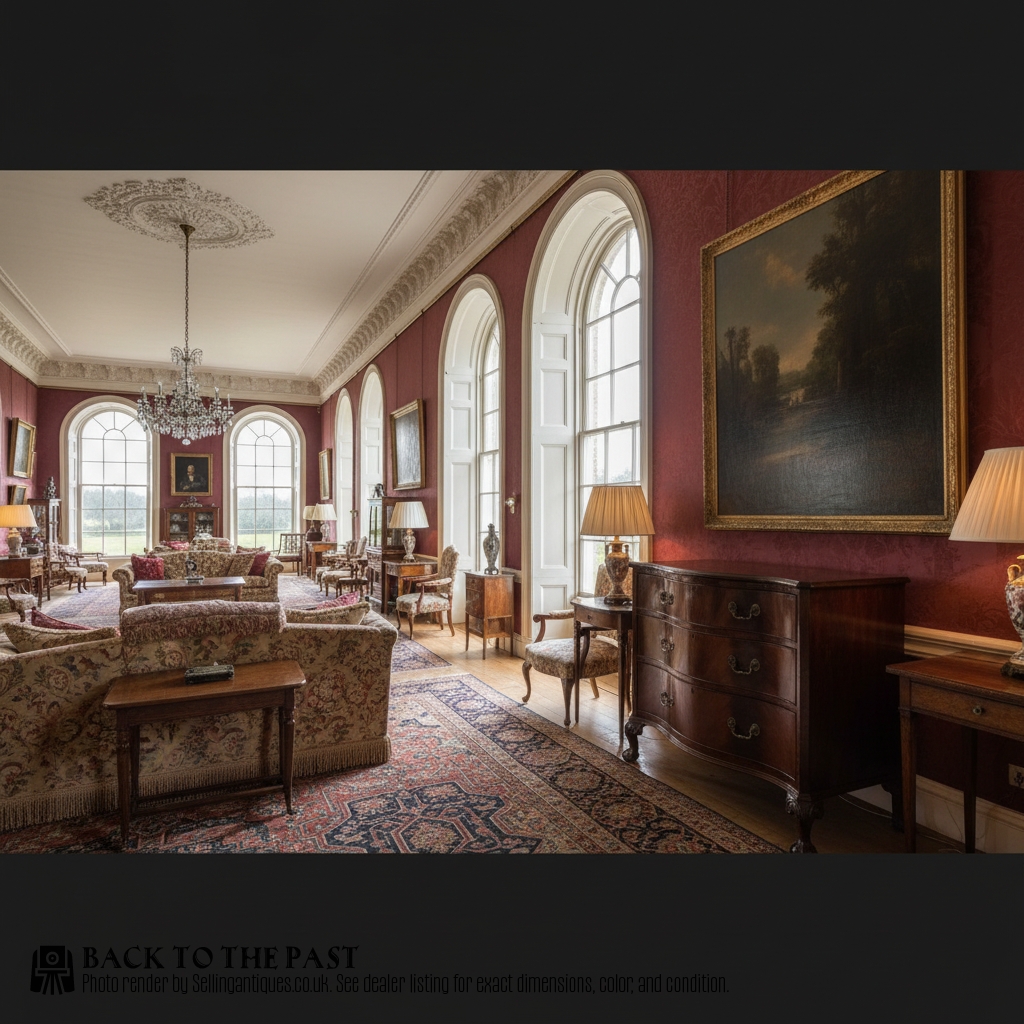
Small Edwardian Chest
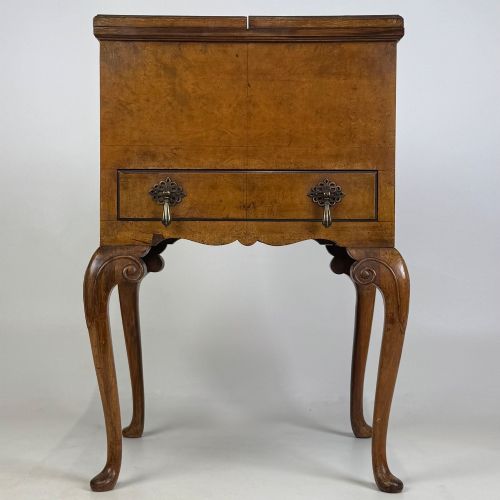
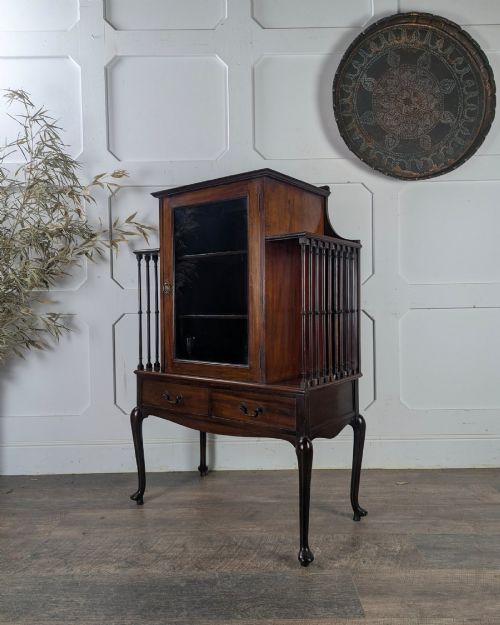
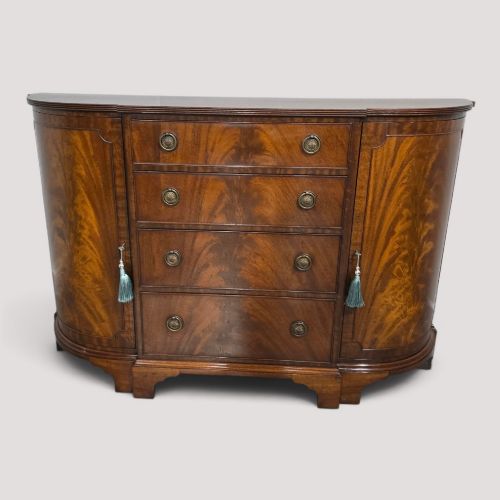
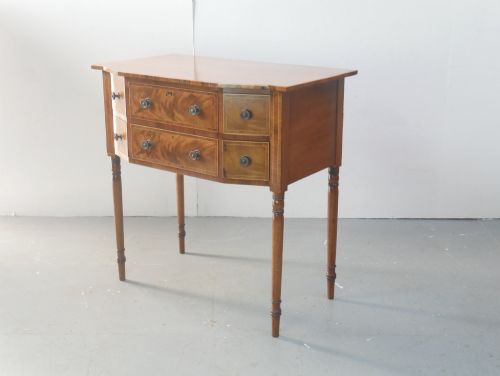
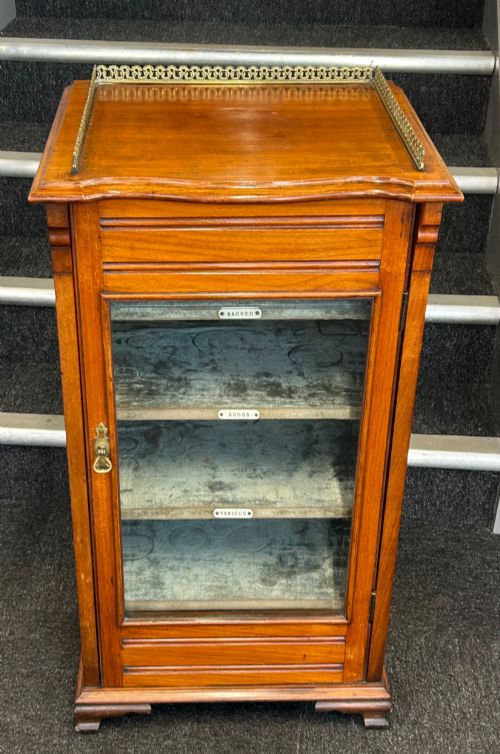
A small edwardian chest encompasses a variety of compact drawers, cabinets, and tallboys originating primarily from the early twentieth century alongside adjacent Victorian and later interpretations.
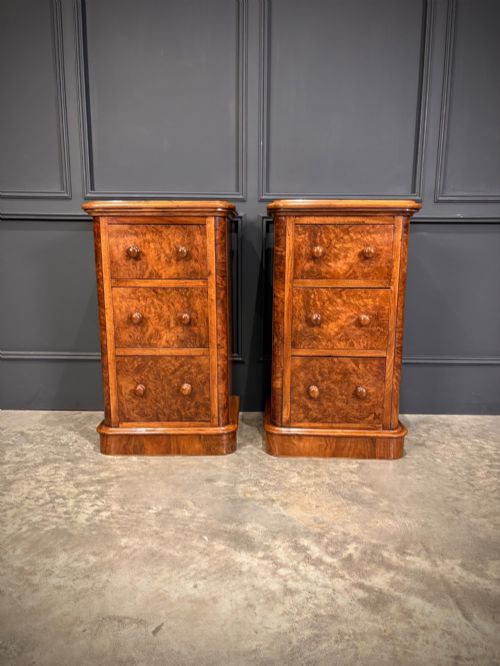
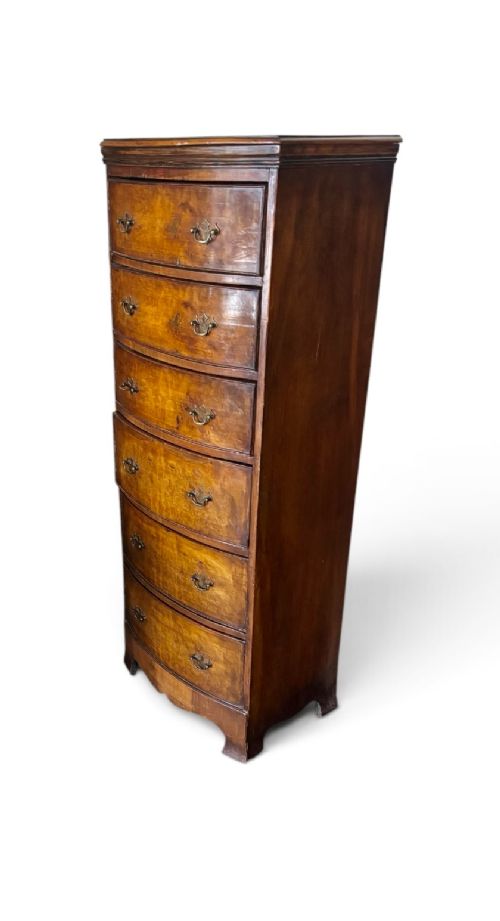
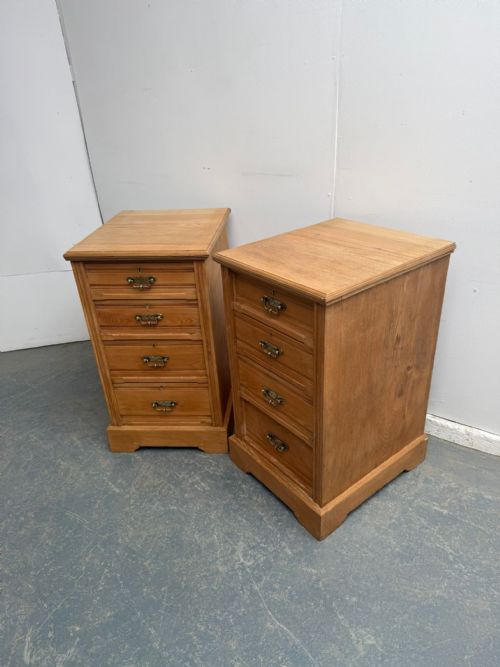
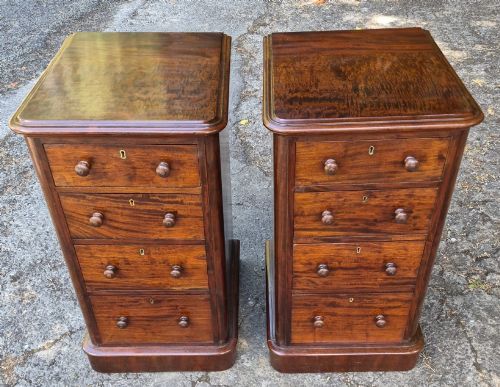
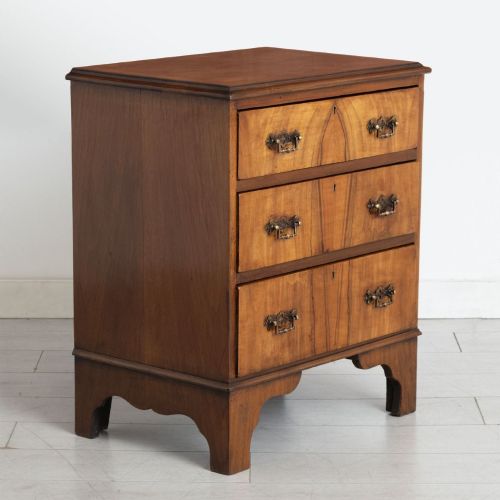
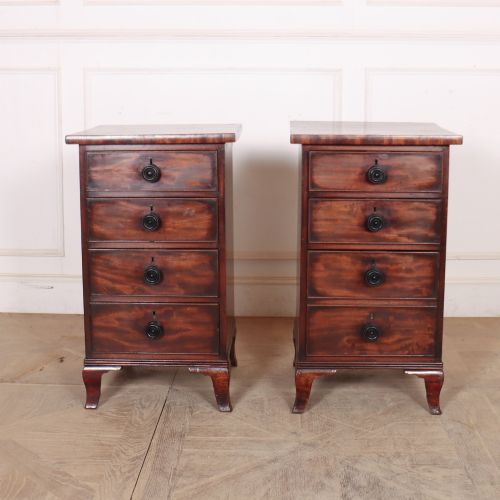
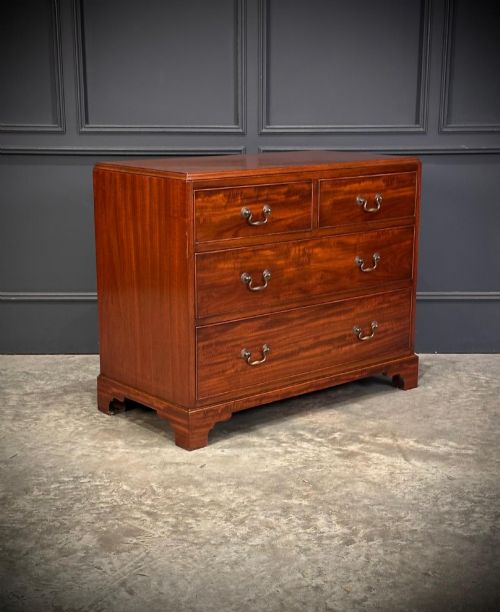
Buyers browsing this selection frequently encounter mahogany, walnut, and oak pieces, including serpentine fronts, bow fronts, and bedside formats designed for smaller domestic spaces.
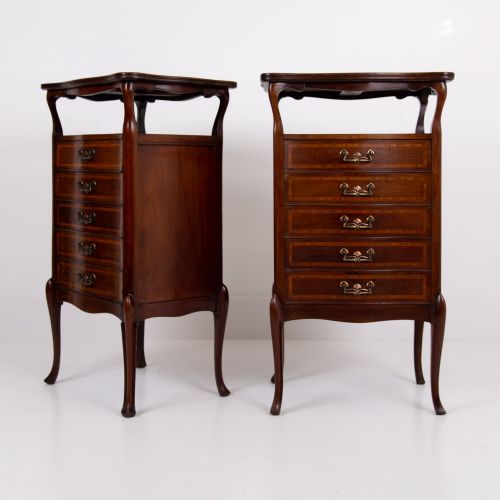
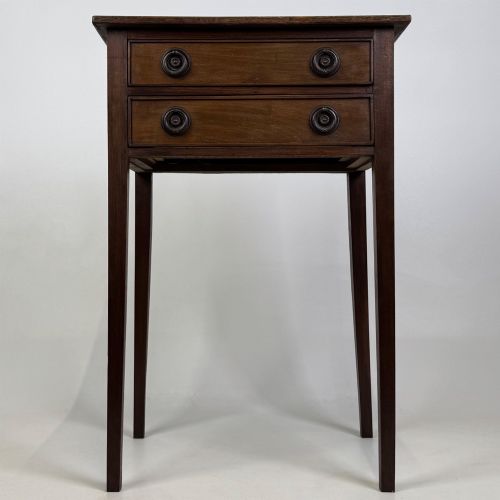
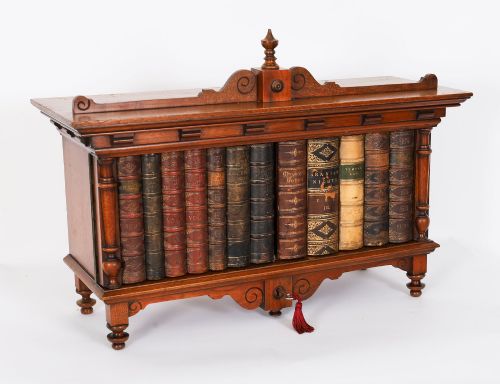
The category extends beyond standard drawers into specialist forms such as music cabinets, collectors cabinets, filing chests, and bedside tables built with utilitarian purpose and decorative grain.
How they were made
Cabinetmakers utilised solid timbers and decorative veneers like burr walnut, flame mahogany, and satinwood applied over sturdy foundational woods such as pine and oak.
Construction details include period brass hardware, delicate inlay work using ebony or lighter wood stringing, and waxed or polished surface finishes that highlight the natural figure of the grain.
Some Edwardian medical and seed chests retain their tiny internal compartments for pills and planting specimens.
What varies in quality
The hierarchy of these items rests largely on the choice of timber veneer, such as highly figured burr walnut or flame mahogany, paired with thoughtful proportions like bow or serpentine contours.
Execution of secondary details like period brass handles, fine string inlay, and clean internal drawer construction elevates an ordinary utility box into a superior example of period cabinet work.
The Small Edwardian Chest Glossary
- Bow front
- A convex curved cabinet or drawer front that projects outward in the centre.
- Serpentine front
- A furniture front characterised by a double-concave central curve flanked by outward-curving ends.
- Tallboy
- A tall chest of drawers, often constructed in two sections with a smaller set stacked upon a larger base.
- Stringing
- Thin lines of contrasting wood inlay used to decorate flat surfaces and drawer edges.
- Brushing slide
- A pull-out shelf or slide integrated into a chest for folding clothes or writing.
Small Edwardian Chest: Frequently Asked Questions
Where should I place a small edwardian chest?
These compact pieces fit comfortably beside a bed, in a narrow hallway, or as an accent surface in a sitting room where floor space is limited.
Their restrained footprint allows them to function effectively for storage without overwhelming the surrounding room layout.
What woods were commonly used?
Makers frequently selected mahogany and walnut, often featuring decorative burr or flame veneers, alongside oak, ash, and pine for simpler utility pieces.
Contrasting stringing lines in ebony or satinwood were often added to enhance the linear geometry of the cabinet fronts.
How do I identify the edwardian period?
Furniture from this era spans roughly from eighteen ninety to nineteen ten, often blending Georgian and Sheraton revival styles with lighter proportions than heavy Victorian designs.
Original hardware such as brass drop handles and specific construction traits help anchor pieces to this timeframe.
Were these chests used for clothing?
While many served as standard drawer units for garments, the category also includes specialist forms like music cabinets, medical chests, and collectors cabinets.
Such variety reflects the specific domestic and professional filing needs of households during the early twentieth century.