

Small Circular Wine Table
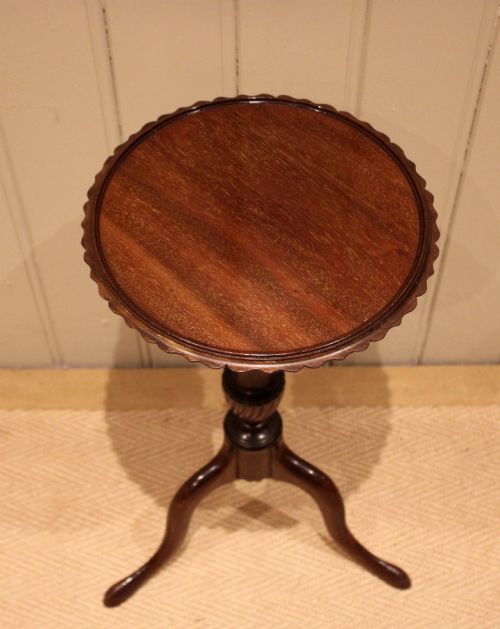
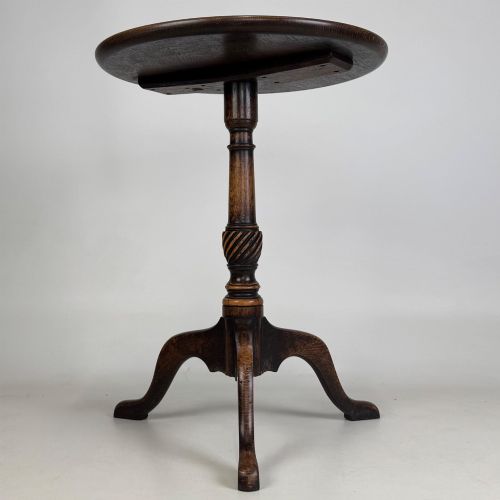
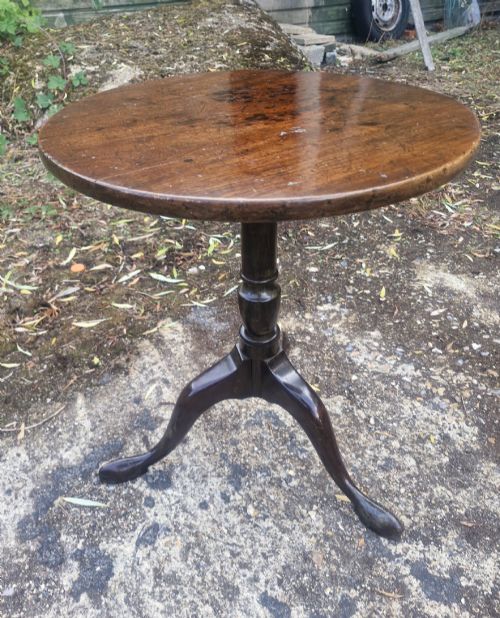
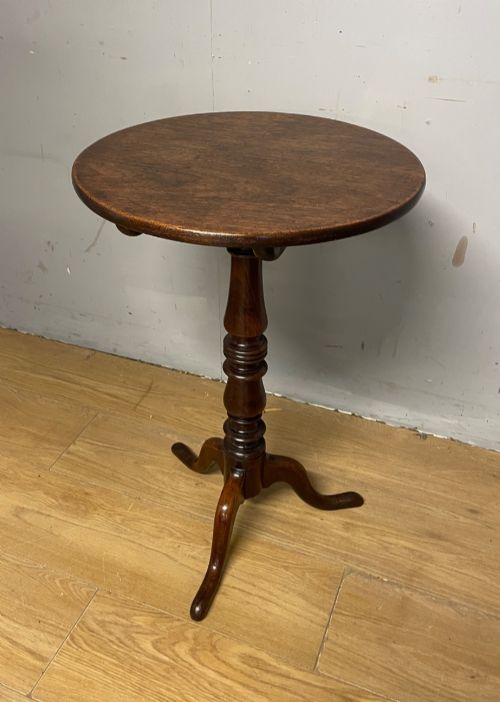
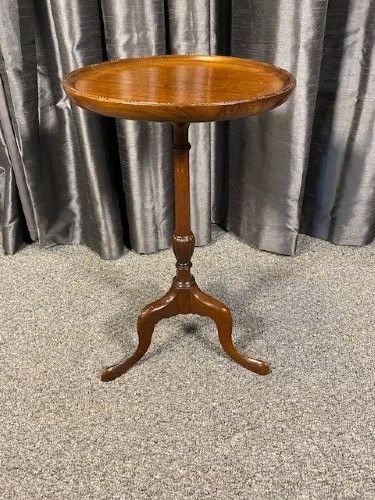
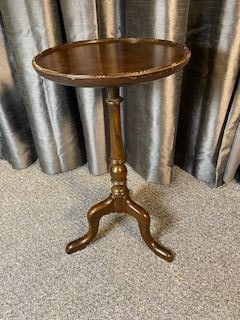
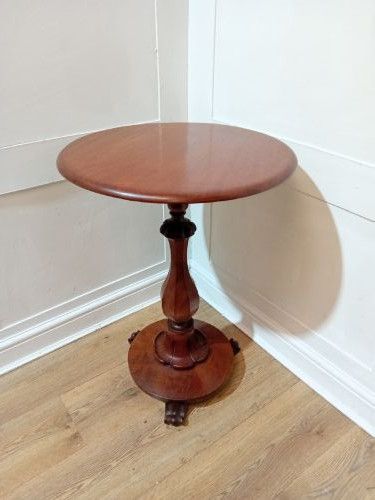
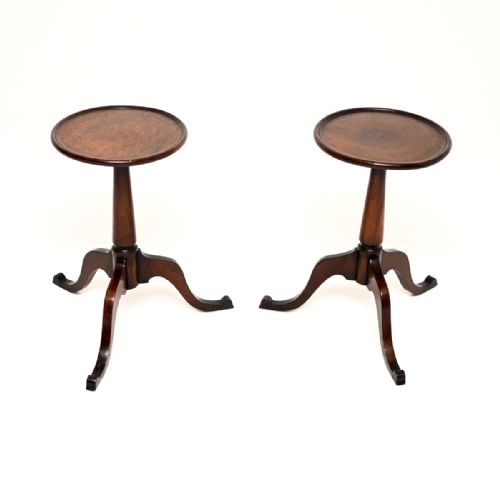
A small circular wine table brings compact utility and traditional form to any room, offering a sturdy surface supported by a central pillar and tripod base.
Small Circular Wine Table
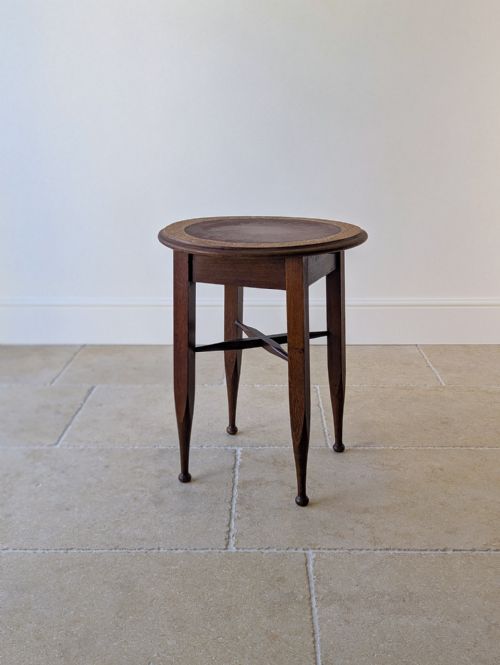
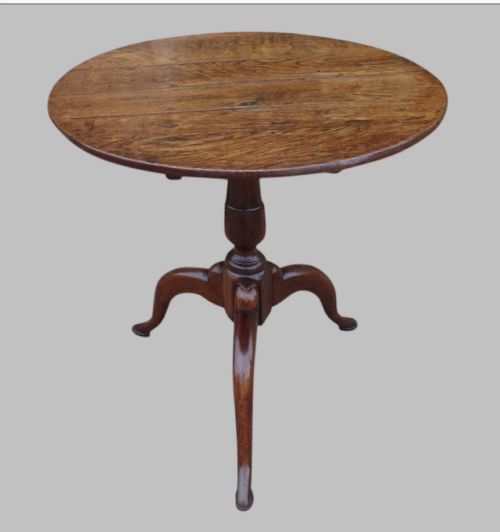
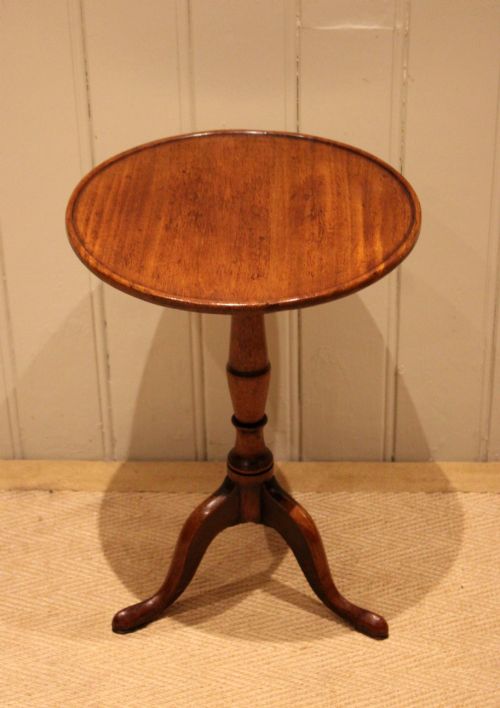
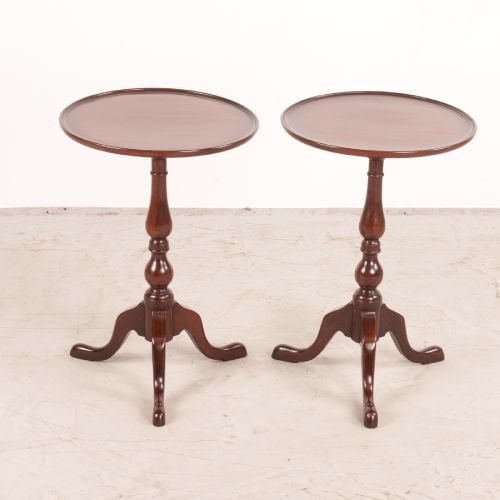
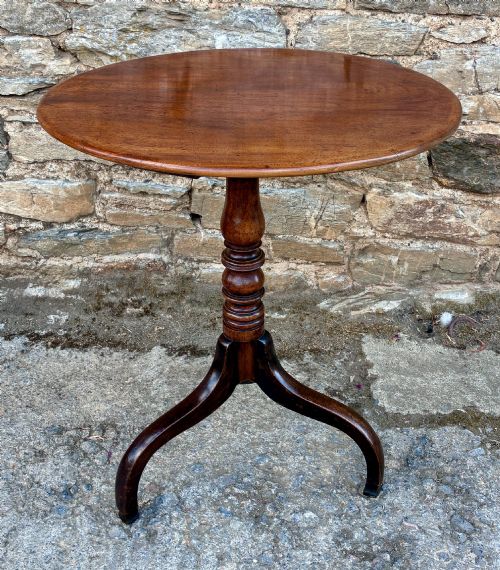
A small circular wine table is a specialised piece designed for drinks and occasional placement, appearing frequently in mahogany, oak, and walnut timbers across centuries of British and continental design. Buyers seeking these items encounter a dominant selection of mahogany examples spanning the Georgian, Victorian, and Edwardian periods, often constructed with distinctive tripod bases.
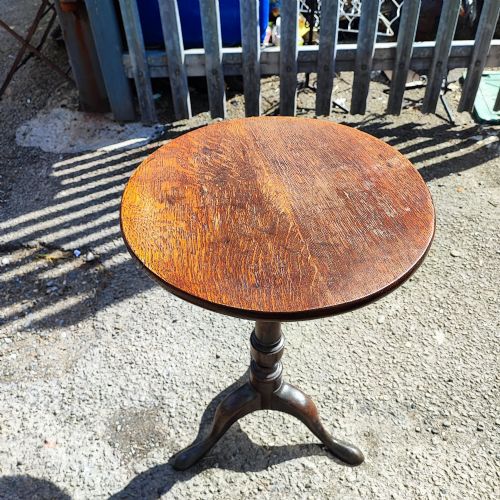
The selection ranges from country pieces in solid oak dating to the eighteenth century through to refined Regency pedestals and inlaid Edwardian specimens. Many items double as lamp tables or occasional tables, sharing the characteristic round top and central pillar configuration suited to compact spaces.
Materials and construction
Makers utilised dense hardwoods including mahogany, walnut, oak, and rosewood, sometimes accented with satinwood, boxwood, or brass details. Timber selection dictated the structural integrity of the central column and the turned or carved legs that support the circular top.
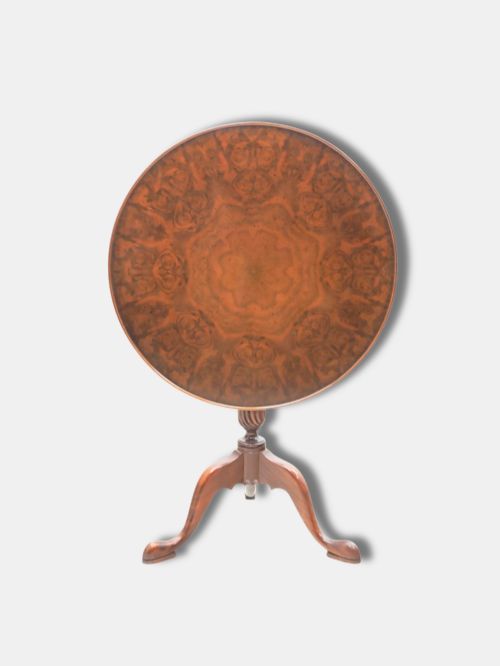
Construction methods frequently involve tilt mechanisms on the top, allowing the surface to fold away when not in use, supported by sturdy tripod legs joined to a central pedestal. Finishes rely on traditional polishing techniques that highlight the natural grain of the mahogany, burr walnut, or oak.
Listings show walnut, oak, and mahogany as the primary timbers, spanning the Georgian, Victorian, and Edwardian eras.
Assessing quality
Quality rests on the choice of timber and the precision of the turning on the central pillar and tripod legs, where finer pieces display crisp carving and balanced proportions. The stability of the central joint and the smooth operation of tilt mechanisms separate standard workshop production from superior examples.
The presence of decorative elements such as fine inlay, brass mounts, or hand-painted surfaces elevates certain pieces above plain utilitarian versions. Timber figuring, particularly in burr walnut or select mahogany, also distinguishes the upper tier of surviving examples.
Waring & Gillow·A Hugnet Paris
The Small Circular Wine Table Glossary
- Tripod table
- A small table supported by three legs radiating from a central pillar. This configuration ensures stability on uneven floors.
- Tilt top
- A hinged table top that pivots to a vertical position for storage. It is commonly found on eighteenth and nineteenth-century examples.
- Gueridon
- A small French occasional table designed to hold a candle or vase. These pieces often incorporate brass or marble elements.
- Occasional table
- A versatile small table used intermittently around a room for lamps or drinks. These items complement primary seating arrangements.
Small Circular Wine Table: Frequently Asked Questions
What is a small circular wine table used for?
These pieces function primarily as movable surfaces for drinks, small lamps, or decorative items within domestic spaces. Their compact footprint allows them to sit beside chairs or in corners where larger furniture cannot fit.
Historically, the tilt-top variant allowed the table to be stored flat against a wall when not in service, maximising available room.
How do I identify a Georgian wine table?
Georgian examples, dating from the eighteenth and early nineteenth centuries, typically feature solid mahogany or oak construction with understated tripod legs and turned central pillars. Look for hand-cut joinery and signs of age in the timber.
Later revival pieces often mimic these proportions but utilise machine-cut elements or different interior blocking methods.
Can I use a wine table for a lamp?
A small circular wine table provides an ideal sturdy platform for a bedside or reading lamp. The central column design ensures ample legroom underneath while keeping the surface footprint minimal.
Ensure the weight of the lamp matches the stability of the tripod base before placing it on the table.
What woods were used for these tables?
Mahogany remains the most common timber found in these listings, appearing across Georgian, Victorian, and Edwardian periods. Oak and walnut also feature prominently, particularly in earlier country pieces or later revival styles.
More decorative items incorporate rosewood, burr walnut, and satinwood veneer, occasionally accented with boxwood stringing or brass fittings.