



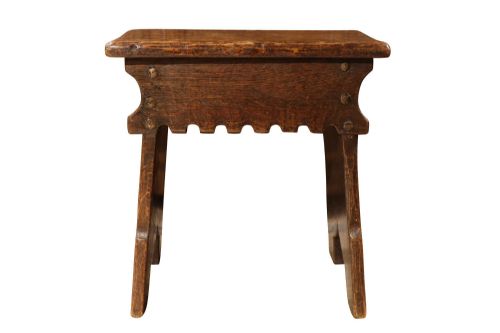

Small Carved Wooden Stool
A small carved wooden stool offers compact utility and honest joinery, bringing period character and tactile warmth to empty corners of a room.
Small Carved Wooden Stool
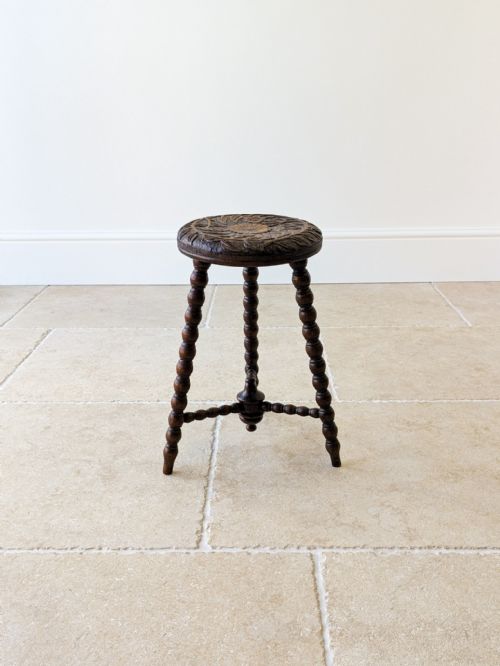
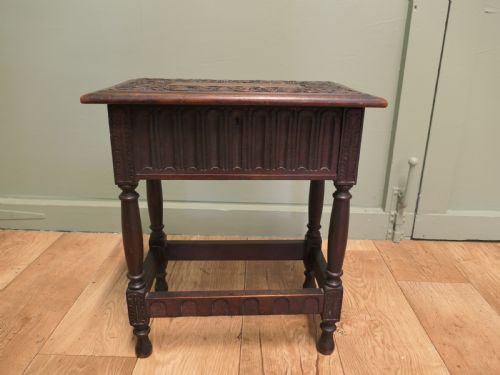
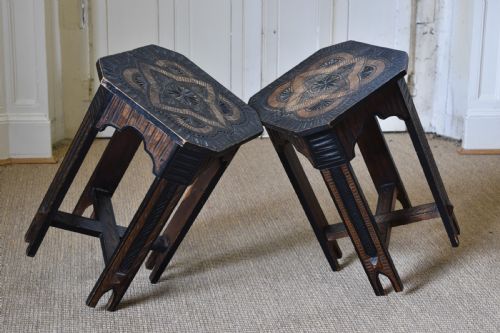
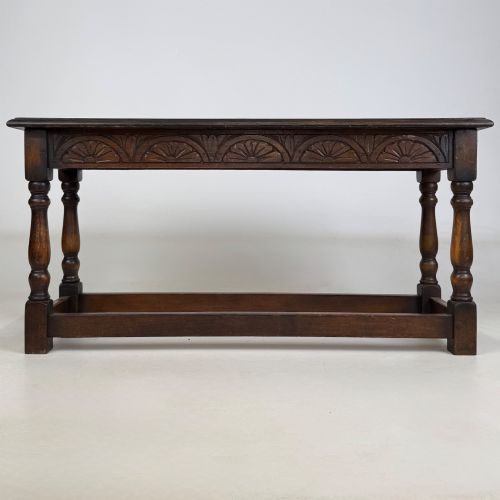
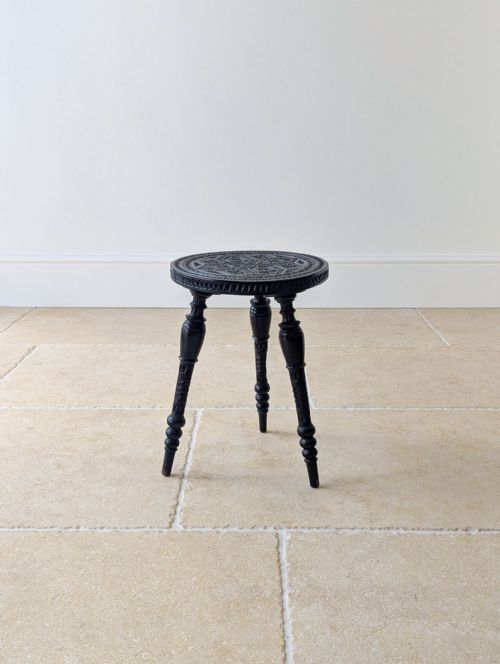
When you search for a small carved wooden stool, you encounter a surprisingly varied group of low seating, box stools, and occasional tables dating from the nineteenth and early twentieth centuries. These diminutive pieces serve dual purposes as seats and small stands, appearing in domestic spaces from simple rural cottages to formal Victorian parlours.
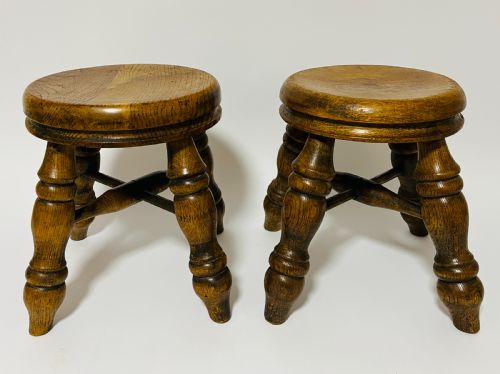
The selections span distinct periods including the Victorian and Edwardian eras, alongside revivals that look back to Jacobean, Elizabethan, and Gothic forms. Common configurations include joint stools with pegged construction, box stools with lift-up lids, and rustic vernacular items featuring sculpted rounded seats.
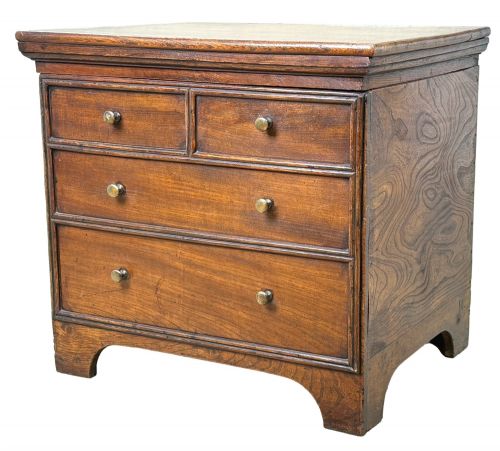
Oak dominates the materials, though you also find walnut, mahogany, fruitwood, and ebonised hardwoods, occasionally paired with textile or tapestry upholstery. Alongside standard stools, the category stretches to include apprentice pieces, miniature display tables, and regional forms like Anglo-Indian circular tables.
How they were made
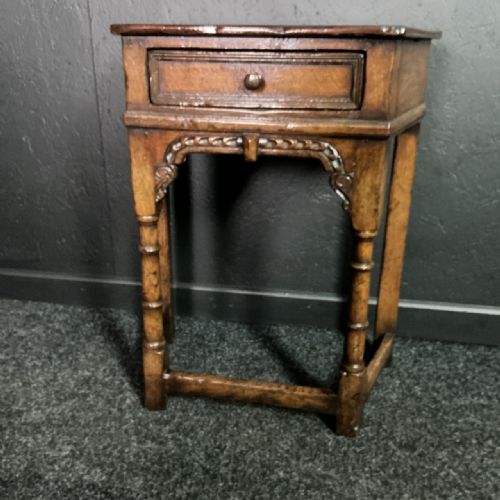
Makers relied primarily on solid timbers such as oak, walnut, and elm, shaping them with hand tools to build sturdy joints. Pegged construction and chip carving define many examples, creating crisp geometric patterns and textured surfaces across the wood.
Turnery appears frequently on legs and supports, utilising lathes to produce bobbin-turned or columnar profiles. Secondary materials like textile and tapestry are added for upholstered footstools and fireside seats, secured over padded frames.
What varies in quality
Quality rests heavily on the crispness of the carving and the integrity of the timber joinery. Pieces that retain their original pegged construction and untouched patination stand apart from later alterations or heavily sanded surfaces.
Proportion and scale dictate the success of the form, with diminutive apprentice pieces and vernacular items showing greater individuality than standard production work. The choice of denser woods like oak and walnut generally supports finer detail in the carved enrichment.
Liberty and Co
The Small Carved Wooden Stool Glossary
- Joint stool
- A traditional wooden stool built with pegged mortise and tenon joints rather than turned legs fitted into bored seats.
- Box stool
- A low seat featuring a hinged lid that opens to reveal a storage compartment within the base.
- Chip carving
- A form of relief decoration where the maker removes small chips from the wooden surface to form geometric patterns.
- Bobbin turned
- A style of furniture leg or stretcher shaped on a lathe to resemble a series of wooden reels or bobbins.
- Vernacular
- Everyday domestic furniture made by local craftsmen using regional styles and readily available materials.
Small Carved Wooden Stool: Frequently Asked Questions
How were small carved wooden stools used historically?
These small pieces served primarily as portable seating near firesides or beds, and occasionally as impromptu bedside tables or stands for lamps and plants. Their modest footprint allowed them to be tucked away easily when not in use.
Box variants additionally stored small household items, sewing gear, or documents, combining practical seating with concealed storage within compact domestic spaces.
Are these stools sturdy enough for daily sitting?
Solid timber construction and pegged joints generally provide robust structural integrity, making them well-suited for everyday use as occasional seats. Stools built from dense hardwoods like oak remain particularly resilient.
Upholstered versions or older vernacular pieces benefit from gentle treatment to preserve delicate textiles, antique frames, and original surface patination over time.
How can I tell a Victorian revival stool from an older piece?
Examination of tool marks, timber shrinkage, and joinery style helps reveal the true age of a piece. Victorian revivals often incorporate machine-cut elements or softer secondary woods alongside historic styling.
Period pieces from the seventeenth or eighteenth centuries typically display hand-riven timber surfaces, irregular peg placements, and wear patterns consistent with centuries of domestic handling.
Where should I place a small wooden stool in a modern room?
Their compact scale makes these stools ideal for narrow hallways, tight corners, or beside a favourite armchair as a low table for a book or cup. They also function well as plant stands or decorative display surfaces.
Mixing a rustic or carved wooden piece with contemporary furniture introduces texture, warmth, and a distinct sense of historic character to the interior.