

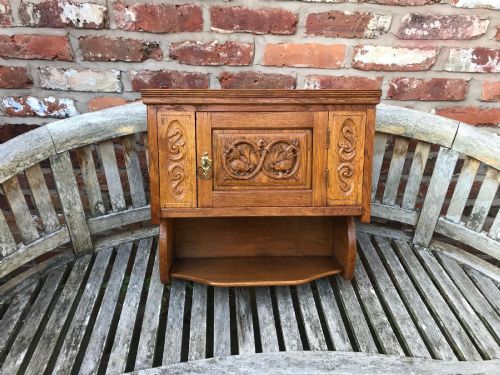
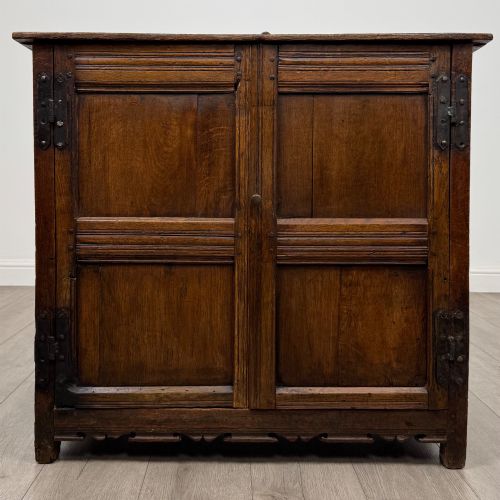
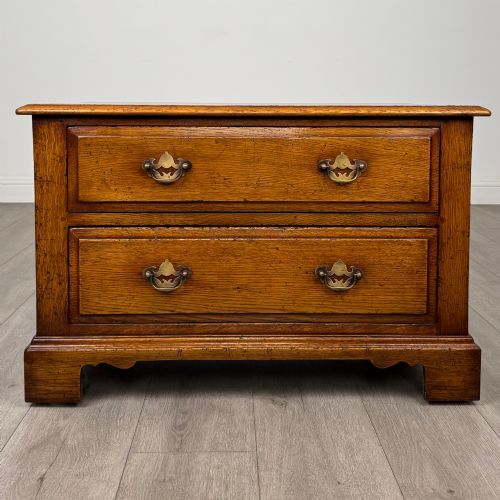
Small Carved Oak Cabinet
A small carved oak cabinet brings solid timber and centuries of carving skill into modern rooms.
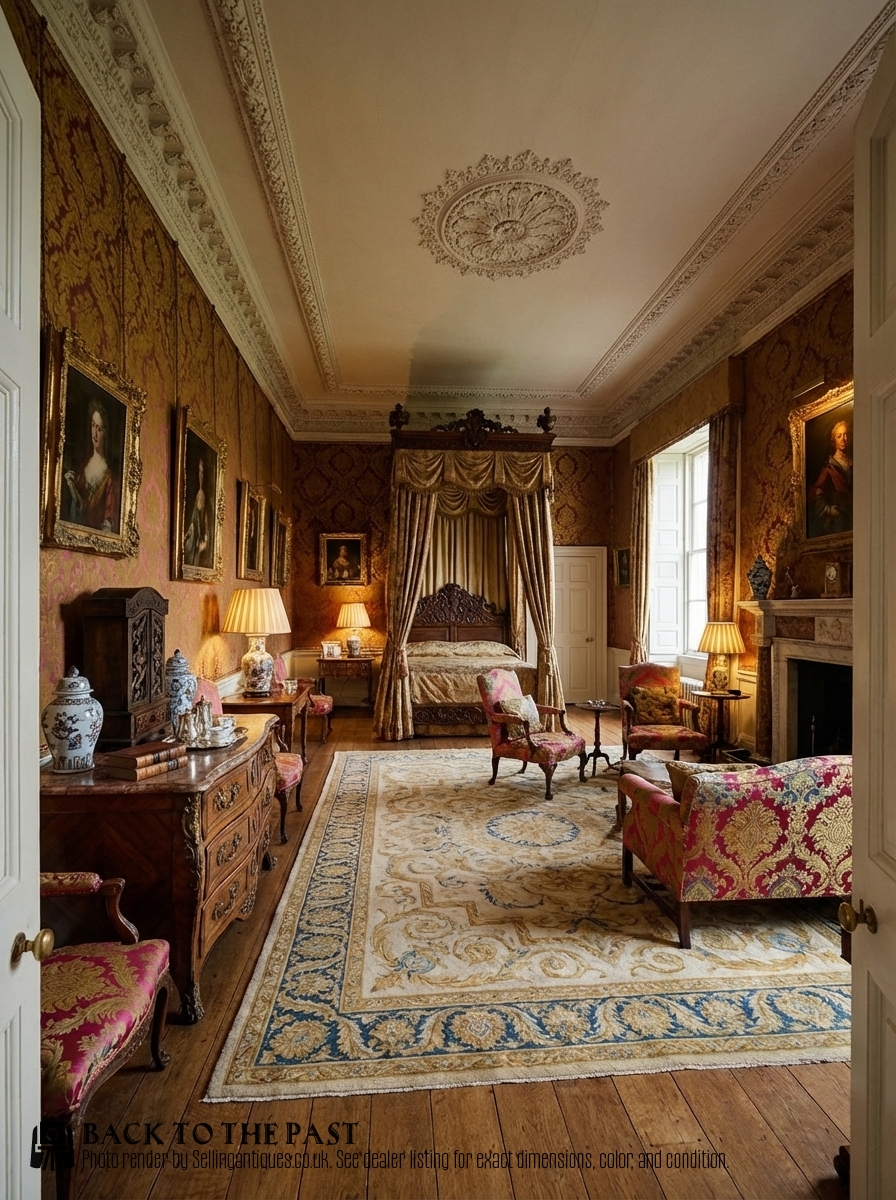
Small Carved Oak Cabinet
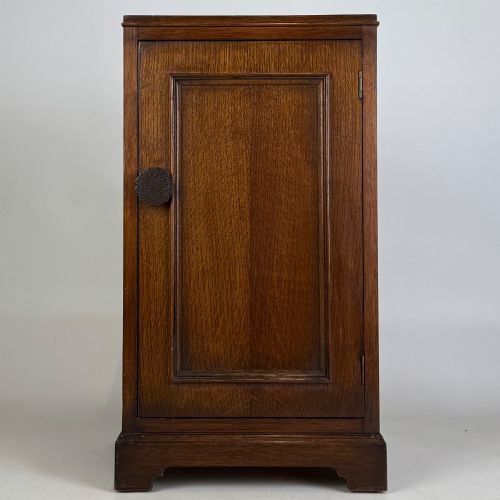
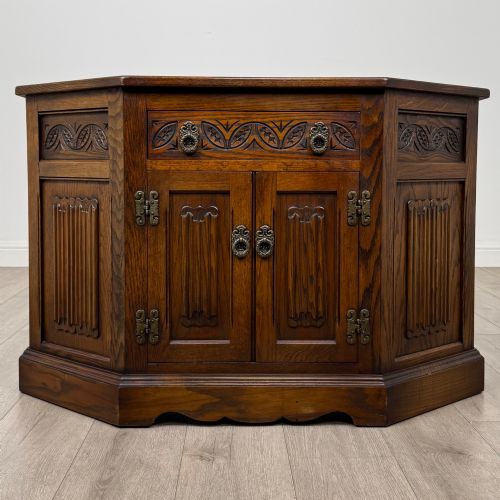
A small carved oak cabinet encompasses compact furniture pieces designed for storage or display, emerging across multiple eras from the seventeenth century through to the twentieth century. These pieces appear in forms such as wall-hanging cupboards, bedside units, table-top collectors' cabinets, and corner cabinets.
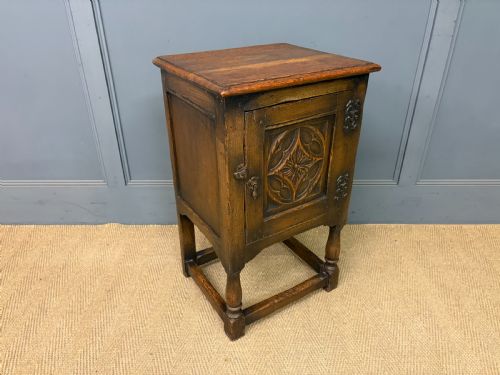
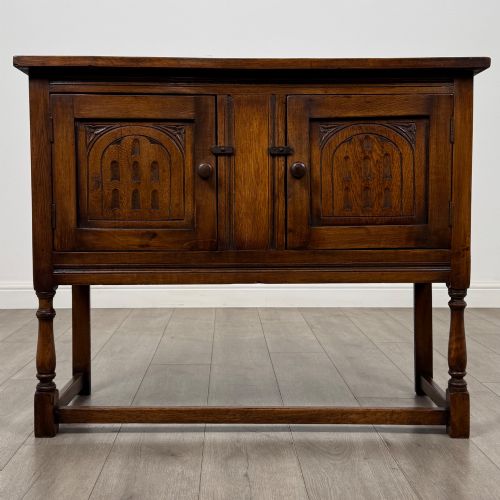
The version most commonly met on this page is the Edwardian or twentieth-century small cupboard in oak, often displaying revival influences such as Jacobean or Gothic styles. Alongside these, earlier examples from the seventeenth, eighteenth, and nineteenth centuries surface with distinct regional characteristics.
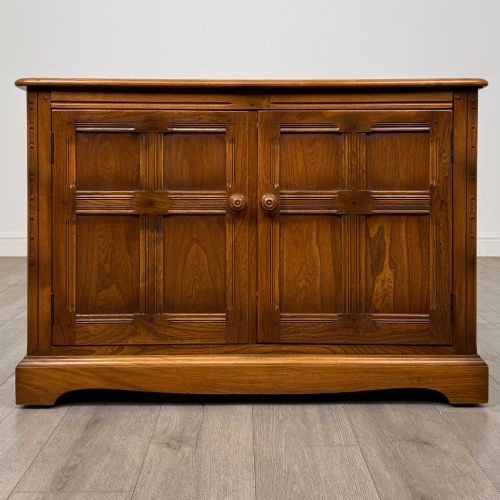
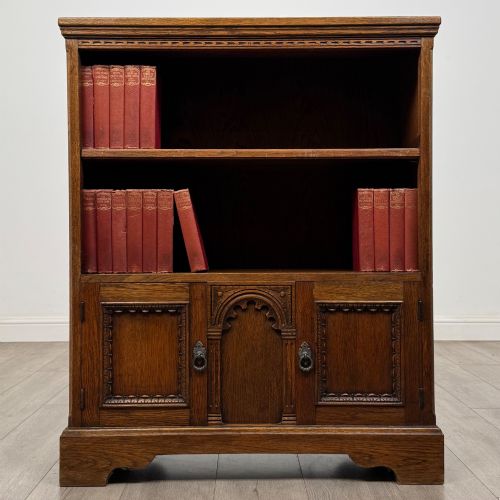
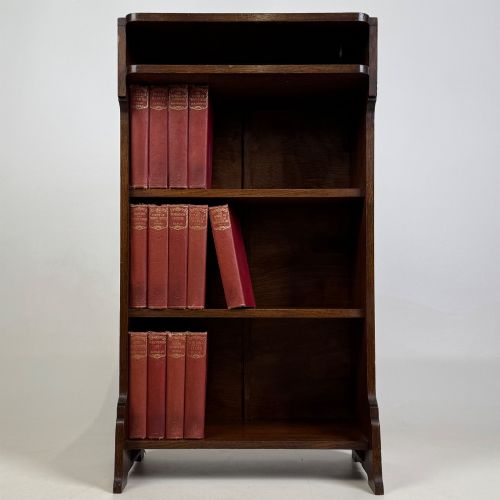
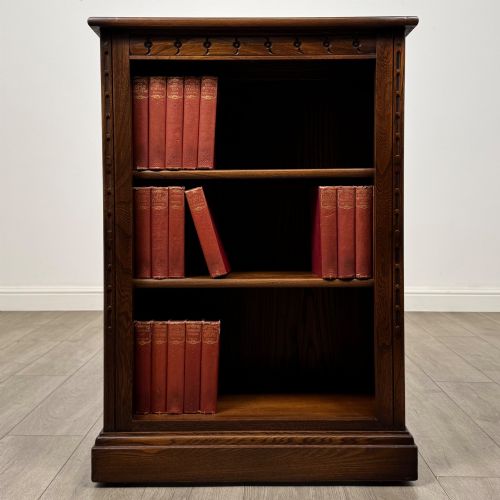
Buyers seek out these compact wooden vessels to introduce historical texture and functional enclosed storage into domestic spaces. The range extends from simple bedside tables and open bookcases to intricately panelled armoires and miniature court cupboards.
Materials and Construction
Construction relies heavily on solid oak and golden oak, sometimes augmented by secondary timbers like rosewood and ebony in specific regional pieces. Artisans utilised traditional joinery methods to build sturdy carcases capable of supporting deeply carved panels and doors.
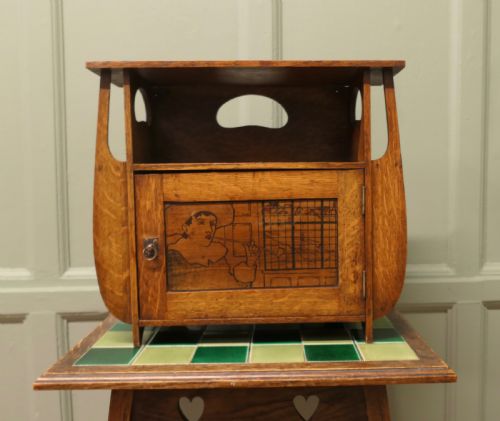
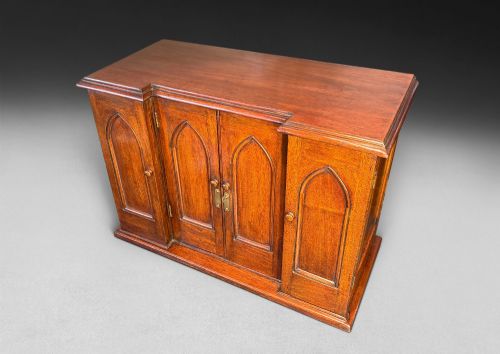
Metal hardware plays a functional and decorative role, with brass and iron hinges, handles, and panels appearing across various periods. Surface decoration often includes linenfold carving, pokerwork, and gothic tracery applied directly to the timber doors and frames.
Keep an eye out for a doctor who kept a smoking cabinet locked in the consulting room.
Evaluating Quality
Quality in a small carved oak cabinet rests upon the crispness of the timber carving and the integrity of the solid oak construction. Pieces executed with deeply defined panels and balanced proportions stand apart from simpler utilitarian boxes.
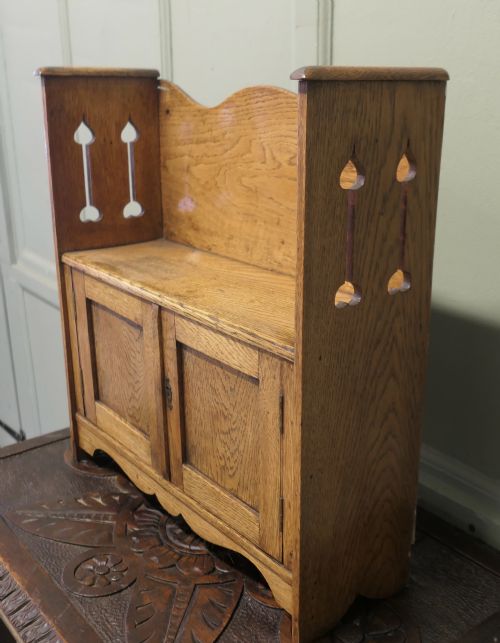
The sophistication of the period style, whether Arts and Crafts, Gothic Revival, or Jacobean, dictates the refinement of the piece. Superior examples integrate brass or iron mounts harmoniously with the grain and colour of the golden oak timber.
The Small Carved Oak Cabinet Glossary
- Linenfold
- A style of wood carving representing folded linen, frequently used on fifteenth-century and later revival oak panels. This decorative technique gives flat wooden surfaces the appearance of draped fabric.
- Gelderse Kussenkast
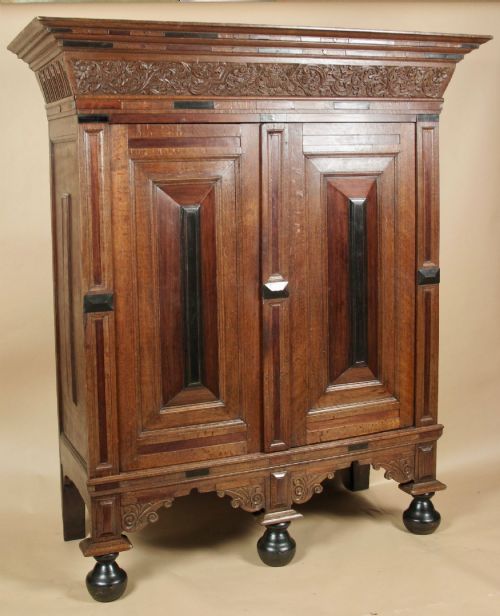
- A heavy Dutch cabinet type featuring cushion-moulded doors, often produced in oak with contrasting woods like rosewood and ebony. These substantial armoires represent high-status continental joinery.
- Secretaire
- A cabinet incorporating a writing drawer or drop-front flap that conceals small compartments and pigeonholes. It combines desk functionality with enclosed cupboard storage.
- Pokerwork
- A method of decorating wood by burning designs with a heated tool, seen on Arts and Crafts pieces. This technique creates dark, textured contrasts against the pale oak surface.
Small Carved Oak Cabinet: Frequently Asked Questions
What rooms suit a small carved oak cabinet?
These compact wooden cupboards fit easily into hallways, bedrooms, and studies where floor space is limited. Their enclosed shelving hides clutter while adding historical character to the interior.
Larger rooms also accommodate wall-hanging versions or corner units, which utilise awkward angles and wall space effectively without crowding the floor area.
How do I date an oak cabinet?
Dating relies on observing the construction methods, handle types, and stylistic revival cues visible in the woodwork. Seventeenth-century examples display hand-split panels and pegged joints, whereas Edwardian pieces often utilise machine-sawn timber and lighter hardware.
Stylistic markers such as Gothic tracery, Arts and Crafts pokerwork, or Jacobean geometric mouldings further help place the piece within a specific historical era.
Are these cabinets made of solid oak?
The listings feature pieces constructed from solid oak and golden oak, alongside examples incorporating related cabinet timbers. Traditional pieces from earlier centuries rely entirely on native hardwoods for structural stability.
Later revival and twentieth-century versions similarly utilise solid oak boards for doors and frames, ensuring durability across generations of daily use.
How should I maintain carved oak furniture?
Maintenance involves keeping the timber away from direct heat sources and sudden temperature fluctuations that can cause oak to split. Regular dusting with a soft, dry cloth preserves the natural finish without building up heavy wax layers.
Occasional application of a suitable beeswax nourishes the grain and maintains the depth of colour in the carved panels over time.