
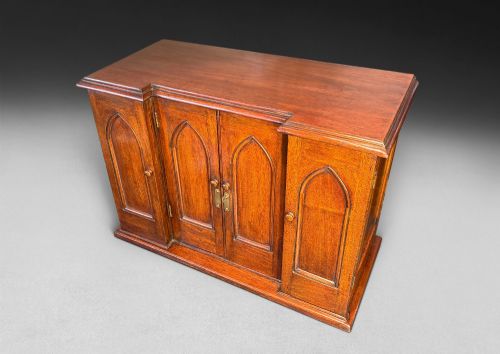
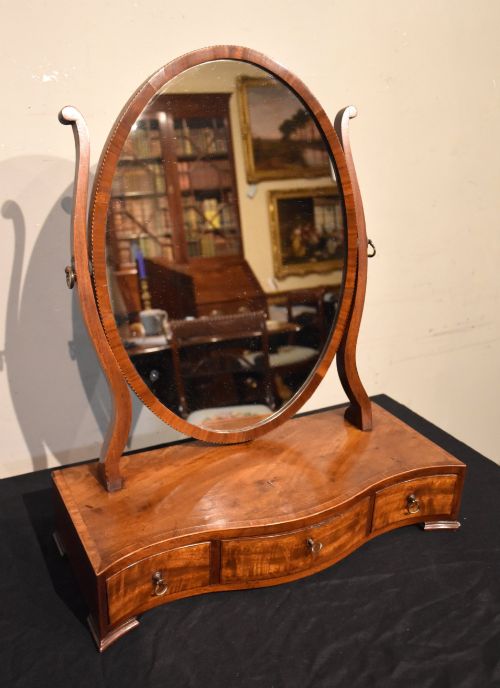
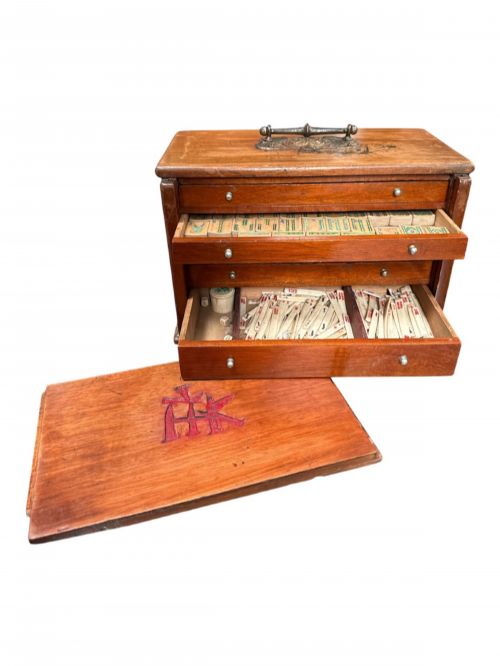

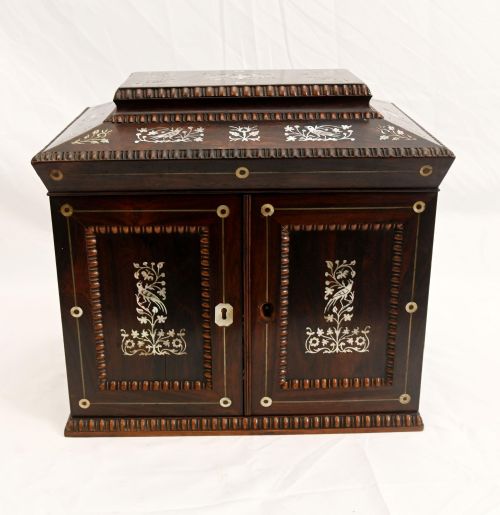


Carved Wood Tabletop Box
A carved wood tabletop box brings centuries of craft to any surface, offering a clever place to stow treasures.
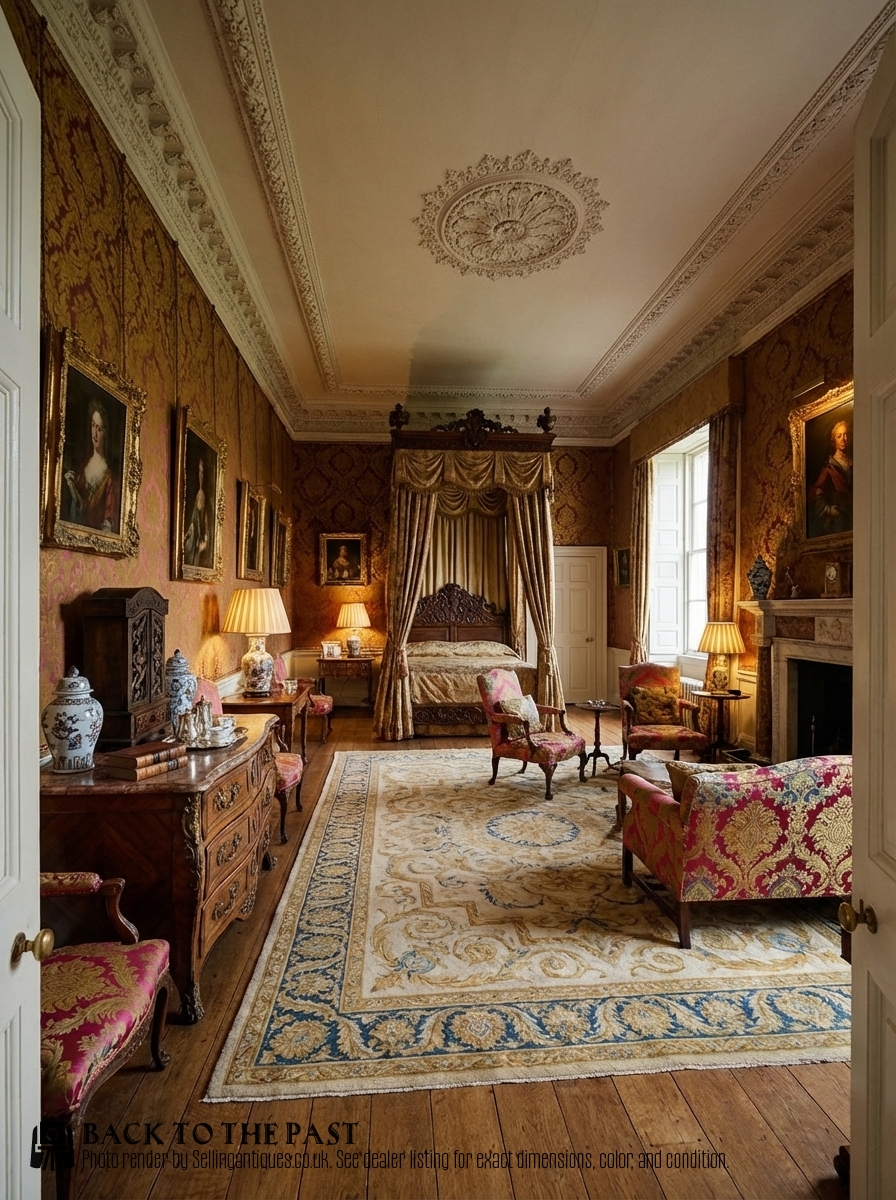
Carved Wood Tabletop Box
When you search for a carved wood tabletop box, you encounter a varied assortment of small wooden receptacles designed for domestic use. The pieces gathered here span several eras, reaching from the Georgian period through the Victorian age and into the early twentieth century.
Makers fashioned these items in forms such as tabletop cabinets, jewellery chests, and miniature coffers. Materials include oak, mahogany, rosewood, and other dense woods, occasionally accented with bone or mother of pearl.
The selection reflects diverse regional traditions, stretching from English oak pieces to French and Spanish works. Buyers find everything from utilitarian storage containers to decorative folk art objects.
How they were made
Craftsmen built these containers using sturdy timbers like oak, mahogany, and walnut, often shaping them with hand tools to achieve solid joinery. Surfaces frequently show deliberate carving work, ranging from simple linear details to deeply sculpted floral motifs.
Many examples incorporate contrasting materials, setting brass mounts, bone details, or mother of pearl inlay into the wooden body. Finishing techniques involved building a rich patina over the timber through oiling and polishing.
Listings feature pieces spanning the Georgian, Victorian, and Edwardian periods, constructed from oak, mahogany, rosewood, and soft wood.
What varies in quality
The distinction between standard examples and finer pieces lies in the crispness of the wood carving and the selection of the timber grain. Finer boxes display thoughtful arrangement of burr walnut or figured mahogany, whereas simpler versions utilise plain soft wood.
Construction methods also separate the grades, with superior chests showing meticulous dovetailing and well-fitted internal compartments. The depth of the patina and the preservation of original mounts influence the character of each box.
The Carved Wood Tabletop Box Glossary
- Coffor Bach
- A Welsh miniature coffer or chest used historically for storage. These small wooden boxes often feature traditional regional carving and proportions.
- Burr Walnut
- A timber harvested from the burl growth of a walnut tree, prized for its swirling grain patterns. Cabinetmakers utilised this wood for decorative veneer on luxury boxes.
- Mother of Pearl
- An iridescent inner layer of mollusc shell used for inlay work. Craftsmen cut this material into thin pieces to ornament the surfaces of Victorian jewellery chests.
- Patina
- The surface sheen and colour acquired by wood over long periods of handling and age. A deep patina indicates decades of use and natural waxing.
- Serpentine Front
- A furniture shape featuring a curved front with a convex centre flanked by concave ends. This contour appears on higher-grade Georgian mirrors and cabinetry.
Carved Wood Tabletop Box: Frequently Asked Questions
What were these small wooden boxes used for?
These small containers served various domestic storage needs, keeping precious items secure and organised. Owners stored jewellery, trinkets, letters, and small collectibles inside them.
Many functioned as portable storage on dressing tables or desks. Their compact nature allowed users to keep personal valuables close at hand in private rooms.
How do I date a wooden tabletop box?
Dating relies on observing the timber species, construction methods, and stylistic cues present in the piece. Georgian and Victorian examples often display distinct hardware, joinery techniques, and decorative motifs characteristic of their eras.
Examining the interior linings and the tool marks left by the maker also helps establish age. Comparing the wood ageing and patina to known period pieces provides further context.
What is a miniature coffer?
A miniature coffer, such as a Welsh coffor bach, is a small scale version of a traditional large storage chest. These pieces replicated the construction of full-sized furniture for domestic tabletop use.
Craftsmen built them with the same joinery and panel techniques used in larger household chests. They often served as presentation pieces or special gifts for important occasions.
How do I care for antique wood boxes?
Maintenance involves keeping the wooden surfaces away from direct sunlight and extreme humidity fluctuations. Applying a suitable wax periodically helps nourish the timber and protect the finish.
Avoiding harsh cleaning agents preserves the historic patina and delicate inlay work. Gentle dusting with a soft cloth keeps the carved details clear without harming the material.