

Small Carved Chest
A small carved chest offers compact storage with traditional detail, spanning centuries of oak, walnut, and mahogany craftsmanship.
Small Carved Chest
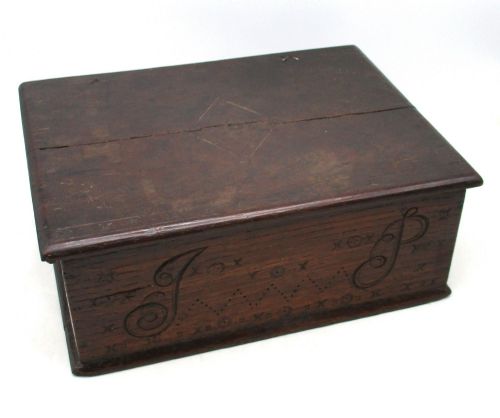
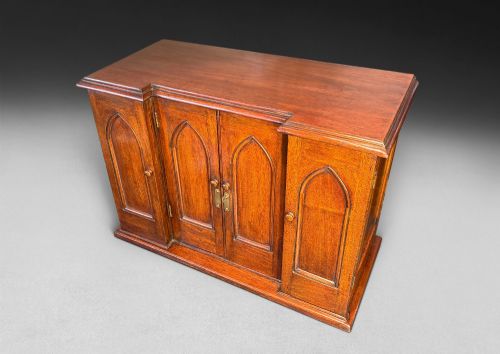
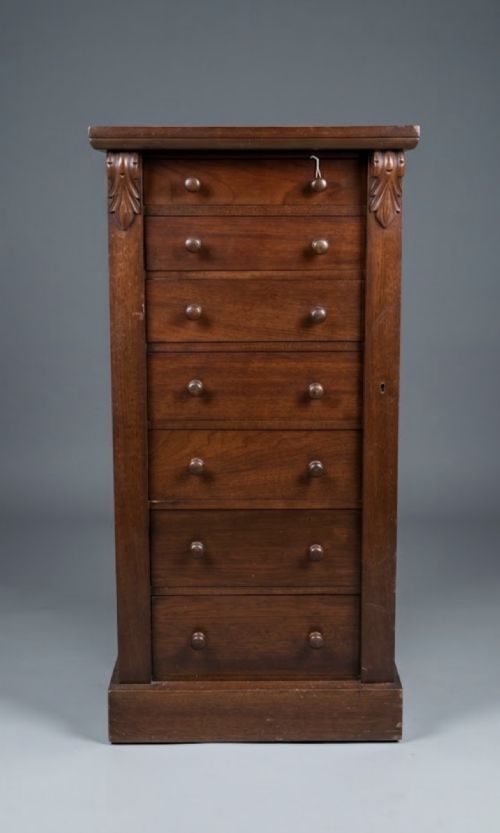
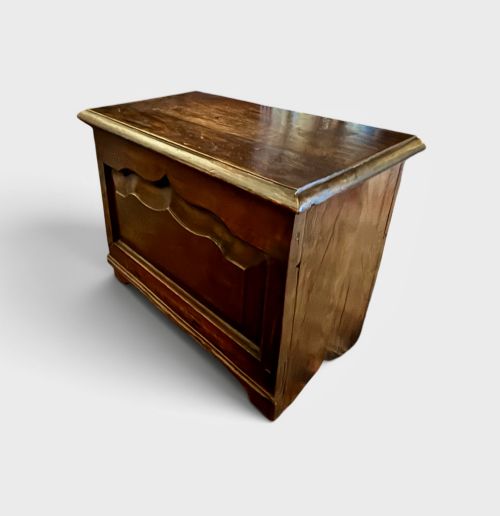
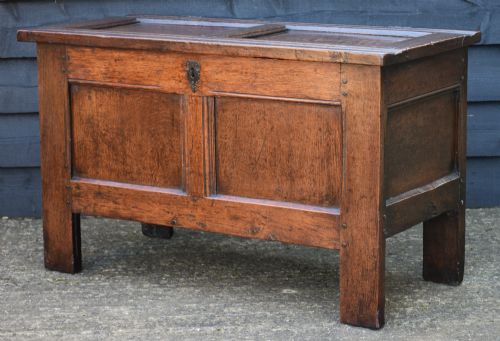
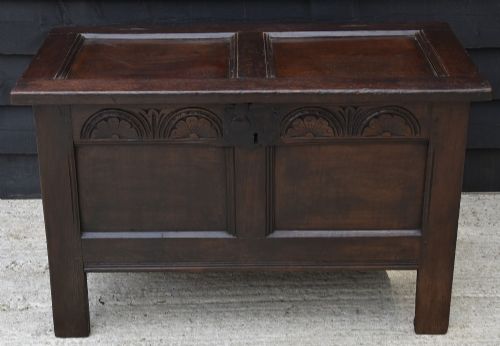
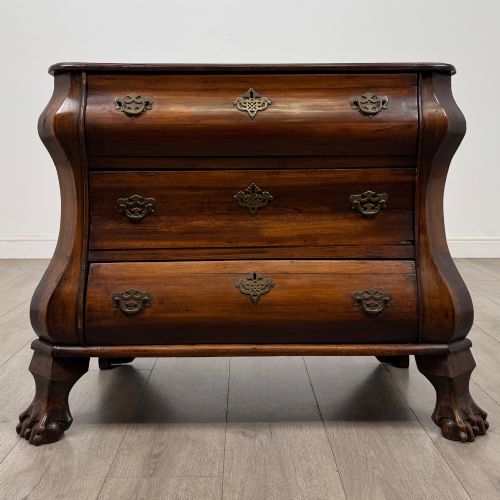
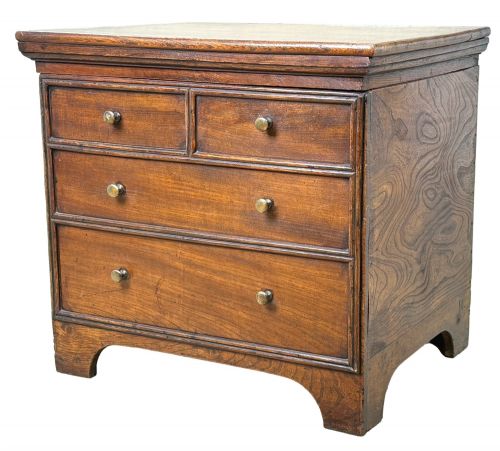
When you search for a small carved chest, you encounter diverse domestic forms designed for secure storage or display, ranging from seventeenth-century oak coffers and bible boxes to eighteenth-century commodes and miniature cupboards. These pieces fulfil multiple functional roles in compact proportions, appearing as document boxes, mule chests, lowboys, and bedside cabinets across domestic interiors.
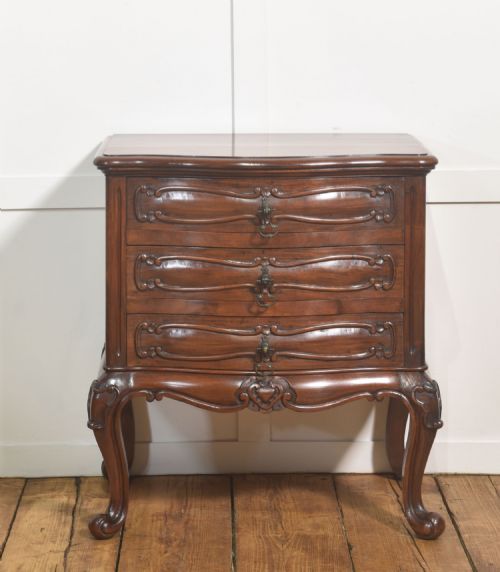
The versions you meet most frequently on this page date from the seventeenth century through to the Edwardian period and the 1920s, constructed predominantly in oak or burr walnut. Oak examples often display panelled construction with period carving, whilst walnut and mahogany iterations favour later Georgian, Victorian, and revival styles with serpentine or bombe fronts.
Originating from English, French, Welsh, and Italian workshops, these items adapt readily to modern spaces as side tables or bedside storage. Their smaller scales reflect historical needs for portable or bedside receptacles, accommodating personal items, documents, and valuables in reduced footprints.
How they were made
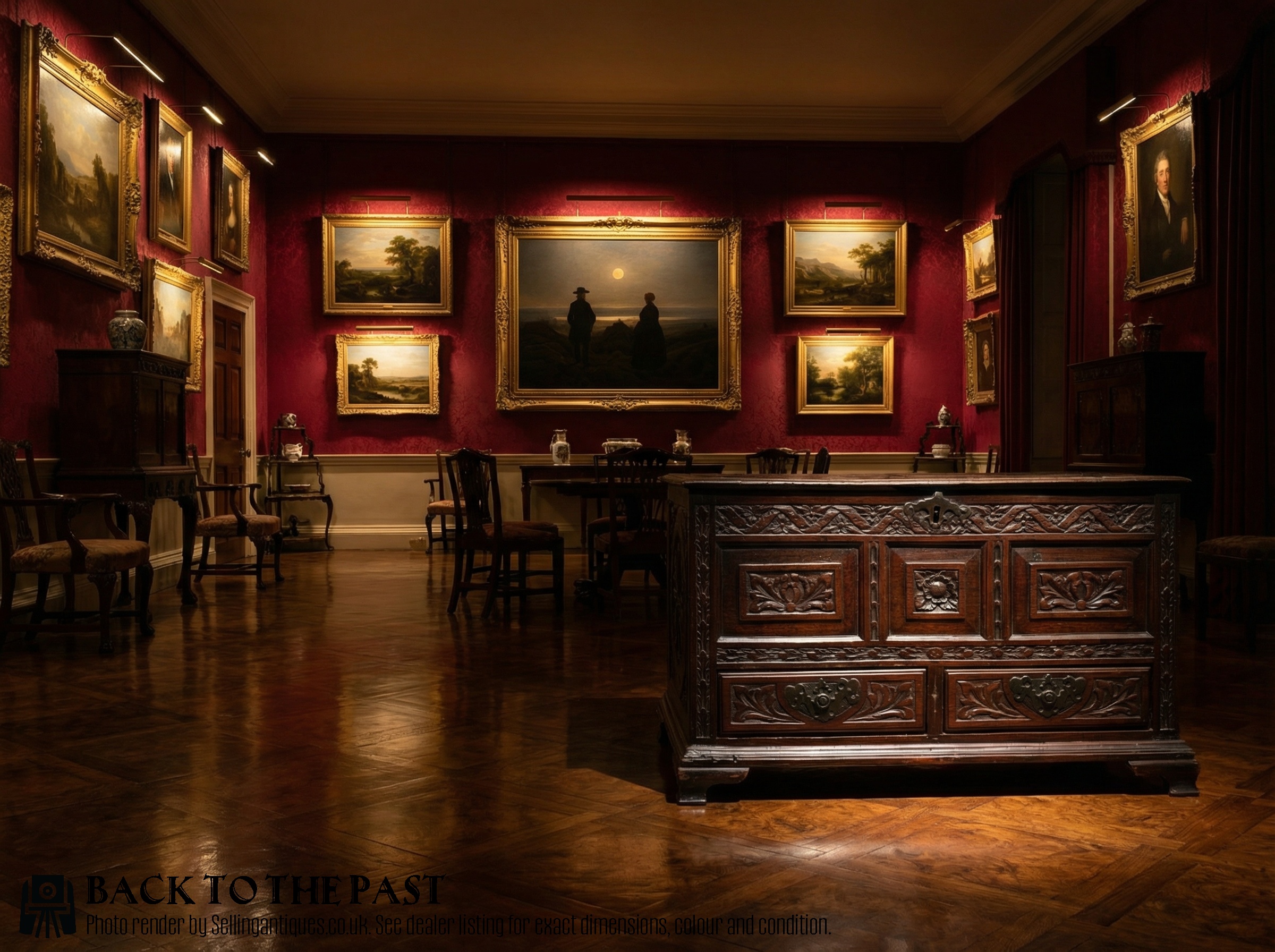
Joinery techniques define the earliest pieces, relying on solid oak planks assembled with pegged tenons and panelled lids for coffers and document boxes. Iron hardware, including strap hinges and brass lock plates, secures these structural elements.
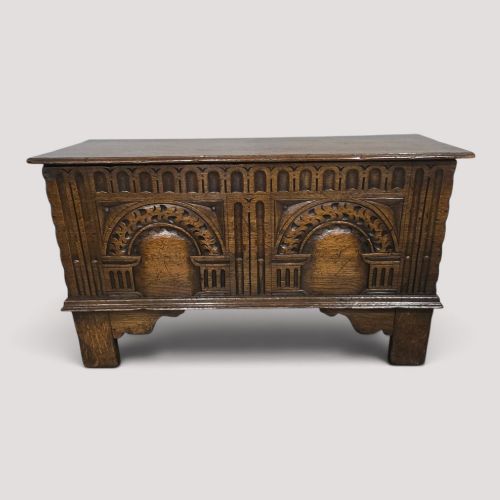
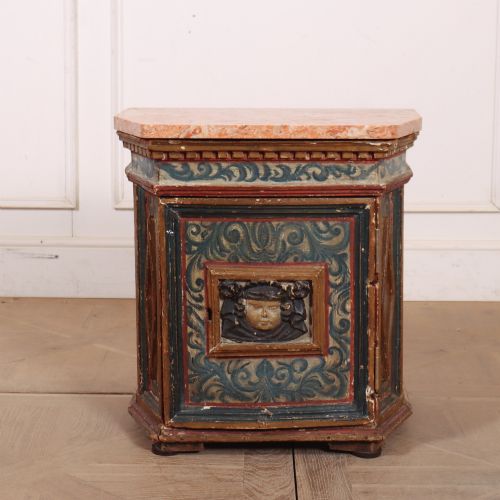
Cabinet-making methods evolved by the eighteenth and twentieth centuries to incorporate veneered burr walnut, mahogany, and rosewood over secondary timbers, often finished with serpentine shaping and brass handles. Hand-carved details ornament the facades, alongside painted wood finishes seen on continental commodes and apothecary cabinets.
Green Man carvings peer from seventeenth-century oak panels, keeping a watchful wooden eye over your spare charging cables.
What varies in quality
The integrity of the timber and the depth of the carving dictate the distinction between standard utilitarian boxes and finer collector pieces. Crispness in carved motifs, such as linen fold panels or geometric strapwork, indicates skilled hand execution.
Proportion and originality of hardware elevate particular examples, where untouched period brasses, well-figured burr walnut veneers, and stable structural joints distinguish superior cabinet work from later replacements or heavy restorations.
The Small Carved Chest Glossary
- Coffer
- A heavy wooden chest traditionally used for storing valuables, linens, or documents. These pieces frequently feature hinged lids and panelled construction.
- Bible box
- A small sloped or flat-topped box designed to hold sacred texts and writing materials. They often sit upon tables and date from the seventeenth century.
- Lowboy
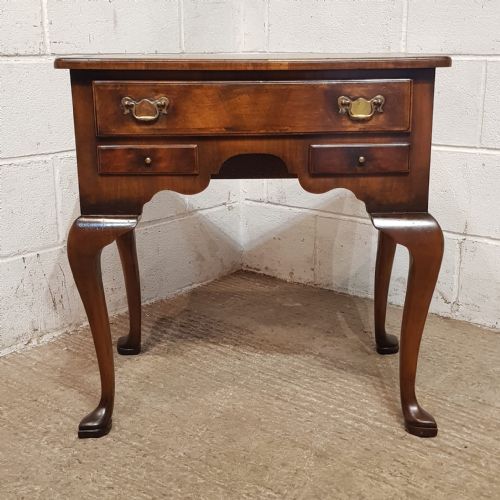
- A small leg table with drawers, resembling the lower section of a highboy. Eighteenth-century examples often utilise walnut or oak.
- Bombe
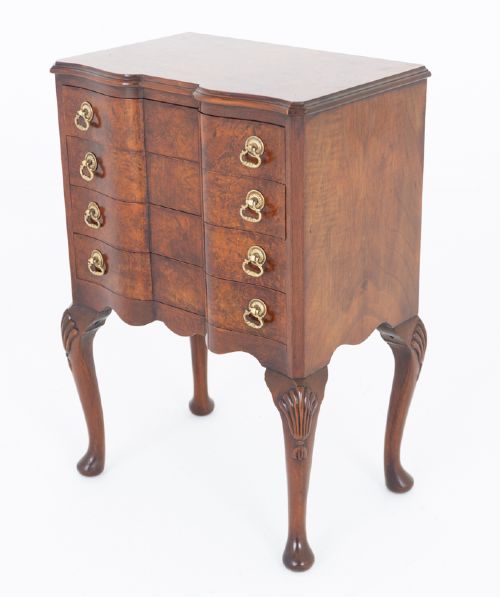
- A bulging, outward-curving swell on the front and sides of a chest of drawers or commode. This French-influenced form requires advanced cabinet-making skill.
- Mule chest
- A chest featuring one or more drawers beneath the main storage compartment. They bridge the functional gap between a coffer and a chest of drawers.
Small Carved Chest: Frequently Asked Questions
What were small carved chests used for?
Historically, these compact containers stored valuables, documents, bibles, and personal linens within domestic rooms. Their modest scale allowed them to sit upon tables or serve bedside functions.
Over time, forms evolved from simple seventeenth-century storage boxes into sophisticated eighteenth and nineteenth-century bedside cabinets, commodes, and collectors' chests.
How do I date a carved oak chest?
Examining the construction methods, such as hand-cut pegged joints and panelled lids, points towards seventeenth or eighteenth-century origins. Tool marks and timber shrinkage patterns provide additional clues.
Revival pieces from the Edwardian era and the 1920s often replicate earlier Jacobean styles but utilise more uniform machine-sawn timber and modern internal fixings.
Where did coffer baches originate?
Coffer baches are small Welsh oak chests traditionally produced during the eighteenth century. They typically feature a single drawer beneath a lidded compartment.
These miniature chests served as traditional betrothal gifts or presentation pieces in Welsh households, combining display with practical storage.
How do I incorporate a small chest into my home?
Their compact dimensions make these pieces versatile additions to modern living spaces, functioning effectively as bedside tables, lamp tables, or hallway storage. Flat surfaces accommodate lighting and small decorative objects.
Inside living areas, they provide discreet storage for media items or books while introducing historic texture through carved timber surfaces.