


Small Brass Clock
When you search for a small brass clock, you find timepieces ranging from compact French carriage designs to architectural bracket and lantern forms.
Small Brass Clock
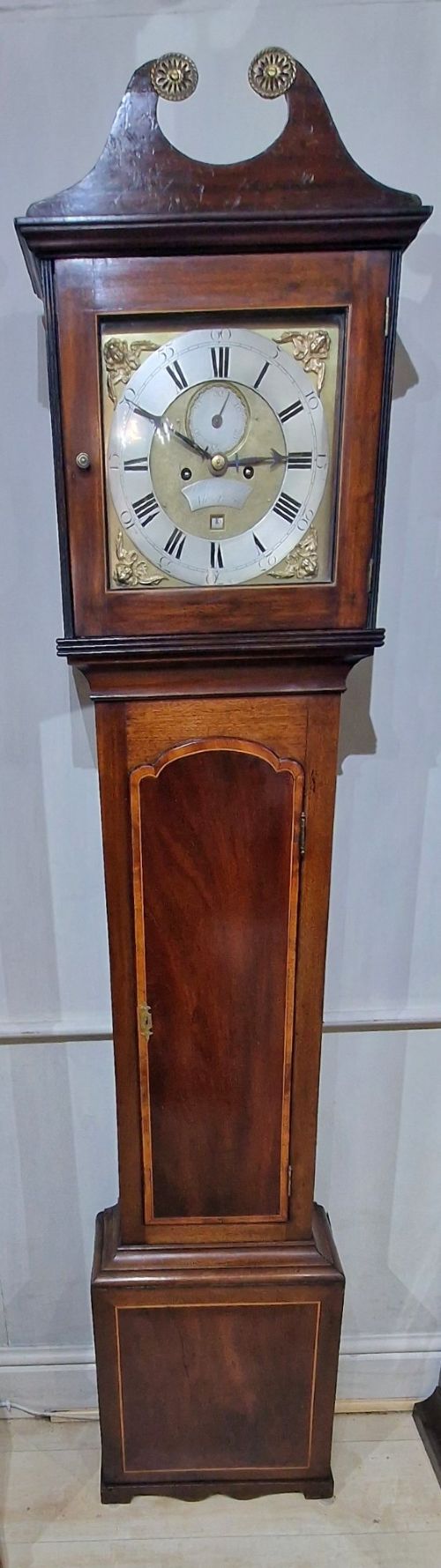
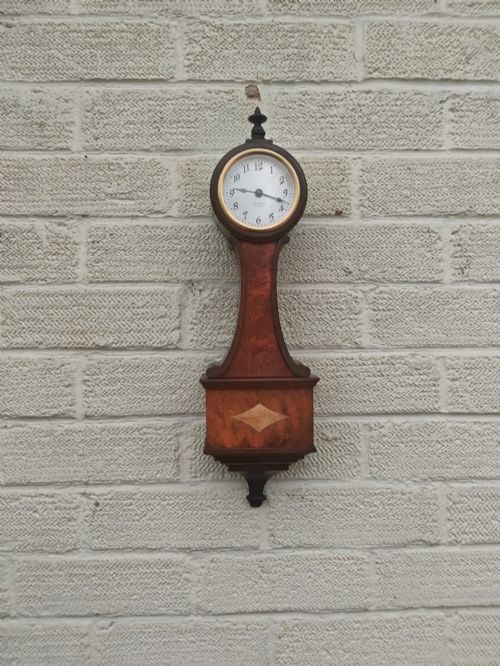
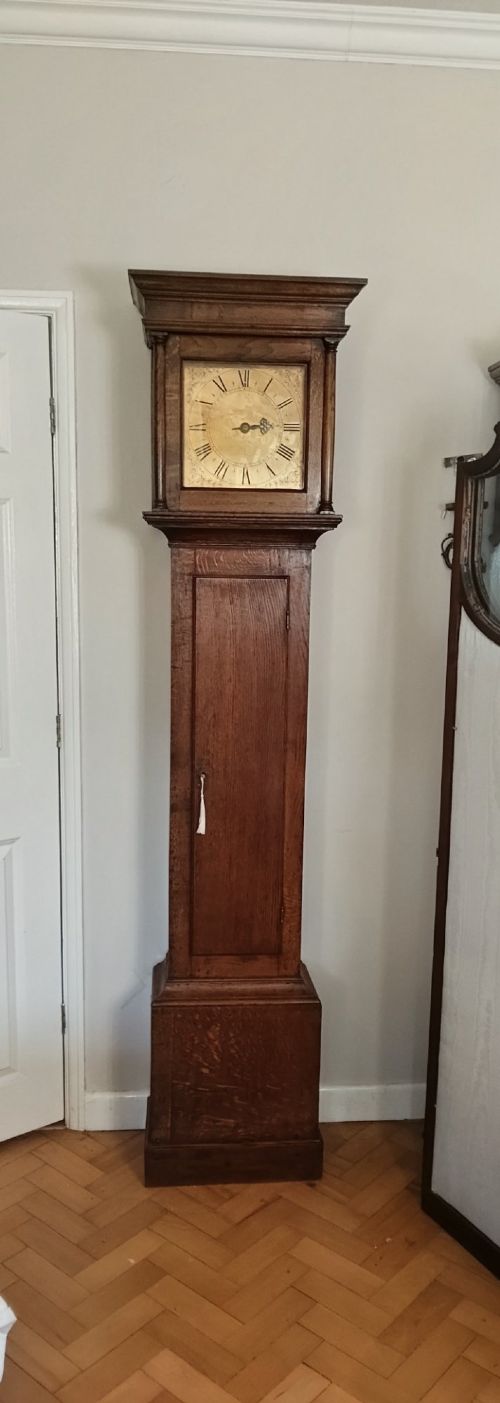
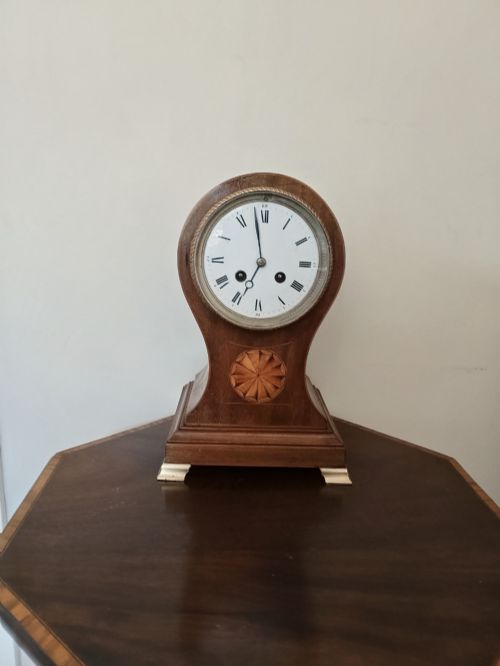
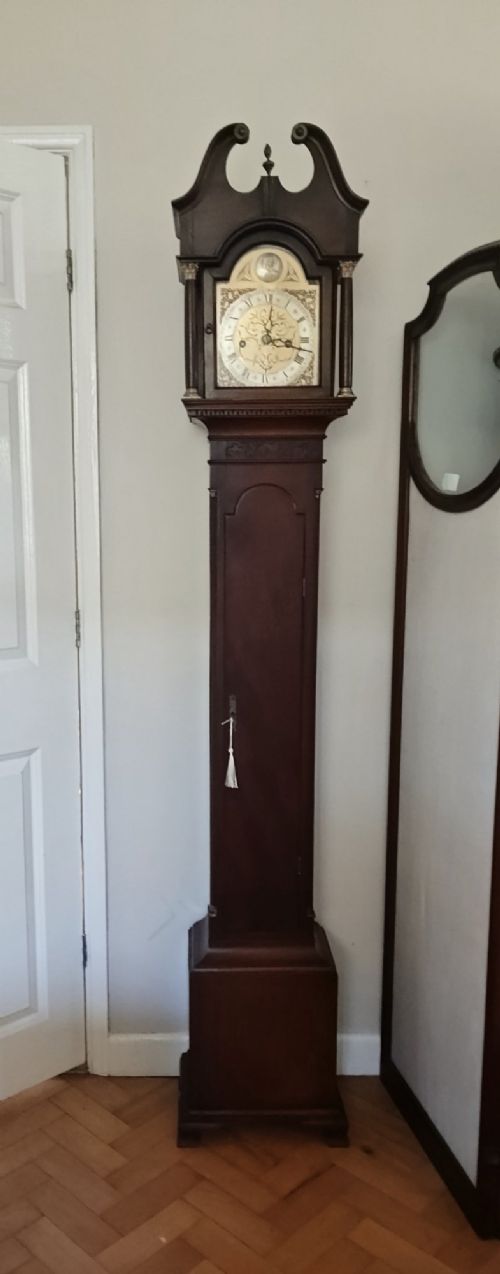
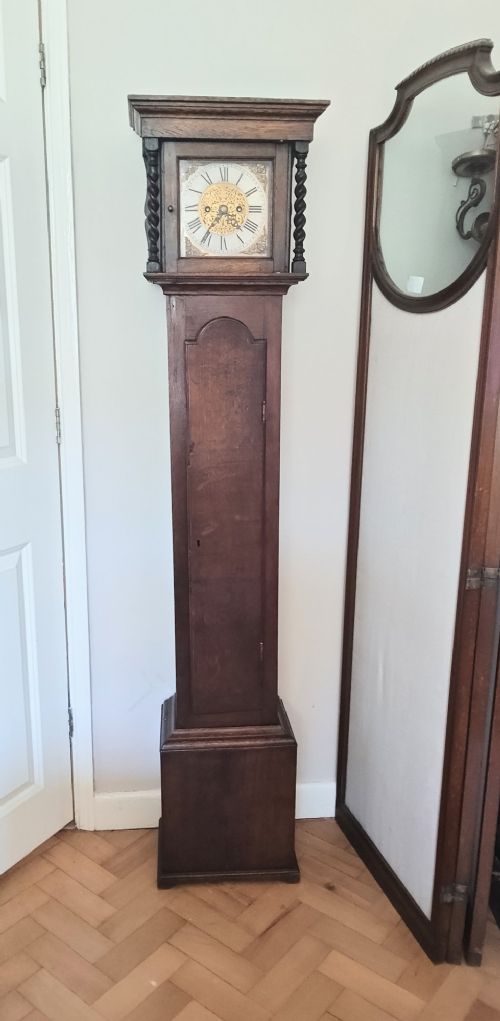
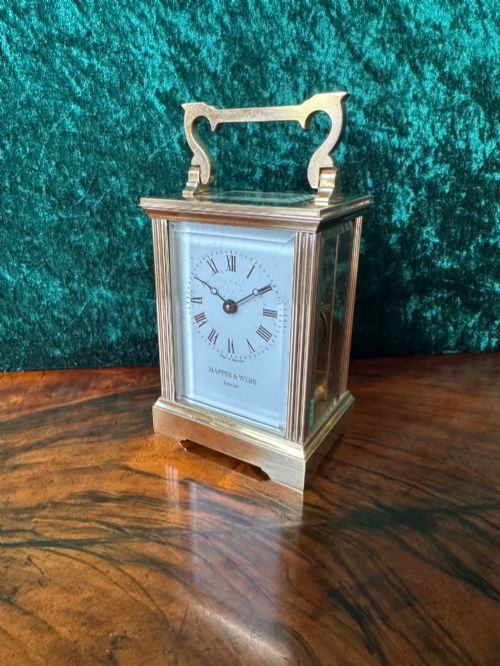
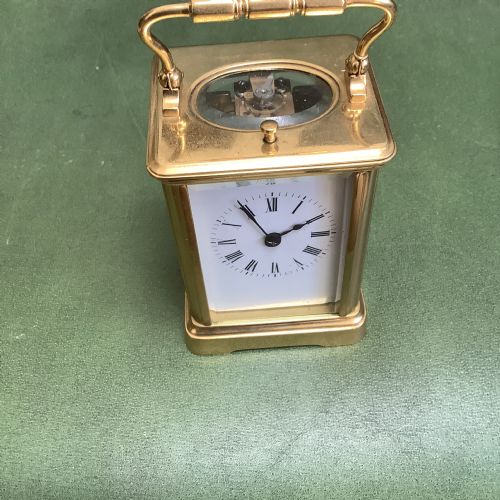
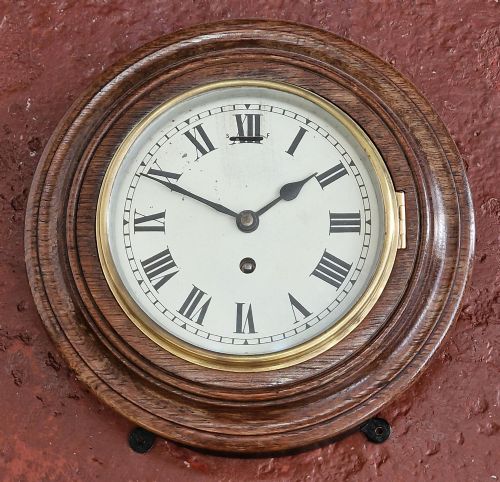
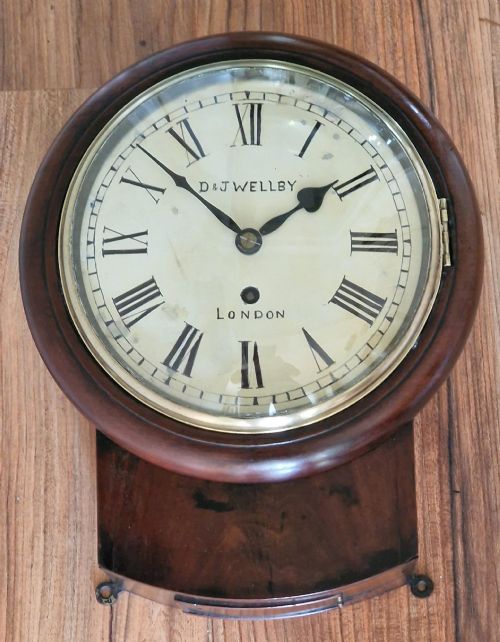
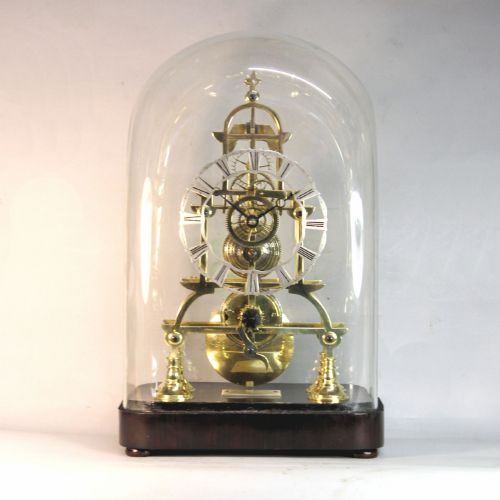
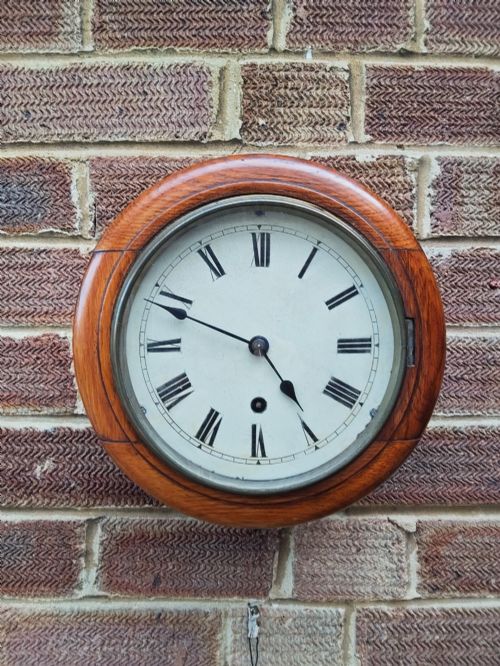
A small brass clock covers several distinct categories, most commonly seen in French carriage clocks with bevelled glass panels and English brass-dial longcase or bracket formats. The pieces on this page span centuries of domestic timekeeping, originating from workshops in Britain, France, and beyond. Buyers encounter miniature table models, heavy brass lantern formats, and decorative mantel clocks suited to desks and ledges.
The material expression varies widely, with polished brass frequently paired with gilt bronze, enamel dials, or wood cases in oak, mahogany, and walnut. Surviving examples date from the seventeenth century through to the Edwardian period and the early twentieth century, reflecting shifting domestic interiors. Whether housed in an ebony-veneered case or a four-glass mantel design, each piece serves as a functional timepiece and an example of period metalwork.
How they were made
Construction relies heavily on cast and polished brass, often combined with gilt bronze or ormolu mounts to accent the metal frames. Dials frequently feature white enamel with Roman or Arabic numerals, while movements range from eight-day mechanisms to fusee systems housed within wooden or metal enclosures.
Cabinetwork in secondary materials such as oak, mahogany, walnut, and tortoiseshell provides structural housings for brass-dialed clocks and wall-mounted dial clocks. Glazing techniques incorporate bevelled glass panels in carriage clocks and four-glass mantel pieces, allowing visibility of the internal brass gear trains.
Listings feature brass, gilt bronze, oak, mahogany, and walnut across Georgian, Victorian, and Edwardian periods.
What varies in quality
Quality separates standard production timepieces from works bearing intricate hand-engraving on the gilt brass case and fully detailed enamel dials. Maker signatures on the dial or movement elevate a piece, distinguishing signed items from unmarked workshop output.
The precision of the movement and the integrity of the housing determine overall standard, with superior examples exhibiting crisp casting, uncompromised wood veneers, and well-preserved glass panels.
Mappin and Webb·Richard Winter of Chieveley·W and H Sch·Tiffany·Nathaniel Pyne·Louis Recordon·Harrods·Lenzkirch·Greaves Birmingham
The Small Brass Clock Glossary
- Carriage clock
- A portable spring-driven timepiece designed for travel, typically featuring a brass frame with glass panels and a swing handle on top.
- Fusee
- A conical pulley used in clock movements to maintain even tension on the gear train as the mainspring unwinds.
- Grandmother clock
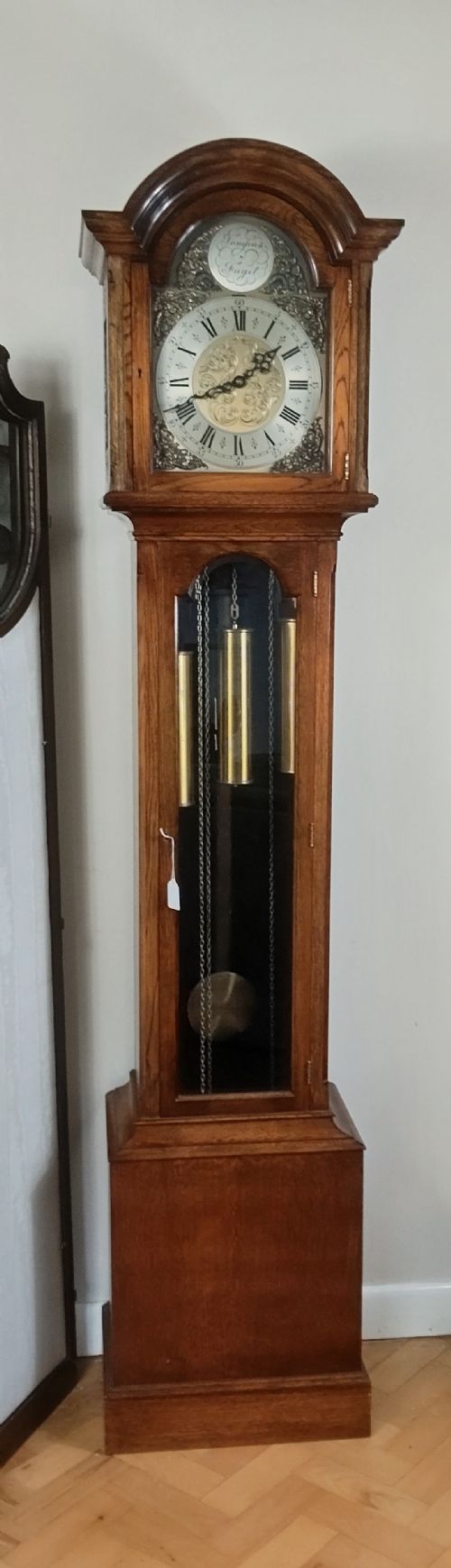
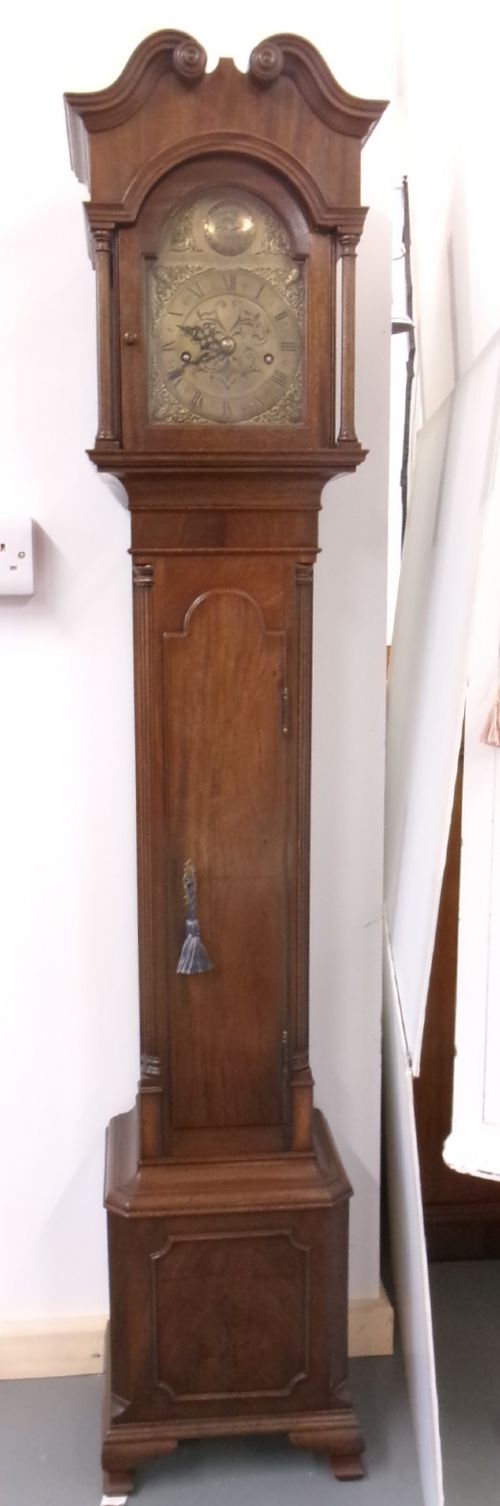
- A slender, smaller version of a grandfather or longcase clock, popular during the Edwardian and early twentieth-century periods.
- Gilt bronze
- Metal cast in bronze and treated with a gold-coloured finish or mercury gilding, frequently utilised in French mantel and carriage clock cases.
- Lantern clock
- An early form of brass chamber clock, traditionally wall-hanging with exposed weight drives or placed on small brackets.
Small Brass Clock: Frequently Asked Questions
How do I wind a carriage clock?
Most carriage clocks use a dedicated winding key inserted into the arbour at the back of the movement.
Turn the key gently until resistance indicates the mainspring is fully wound, taking care not to over-wind the mechanism.
Where should I place a small brass clock?
These compact timepieces suit mantels, desks, shelves, or small tables where their detailed metalwork remains visible.
Keep them away from direct sunlight, extreme temperature fluctuations, and damp environments to protect the brass and wood surfaces.
What is a fusee movement?
A fusee is a mechanical device connected to the mainspring via a cord or chain, designed to equalise the power delivered to the gears.
This system ensures the clock maintains more consistent timekeeping as the spring loses tension between windings.
How do I identify the period of a clock?
Dating relies on stylistic clues such as case timber, dial design, signature typography, and manufacturing techniques.
Comparing construction methods against documented examples from the seventeenth century through to the Edwardian era helps narrow down the decade of origin.