

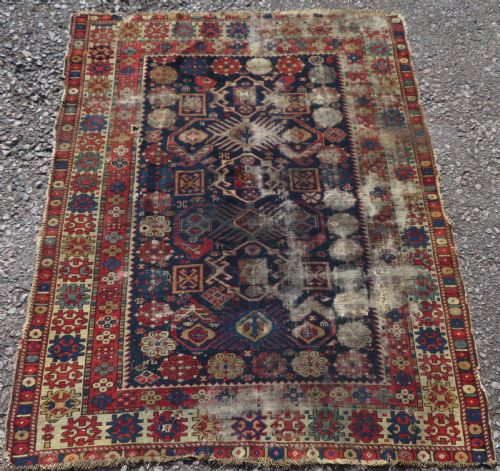
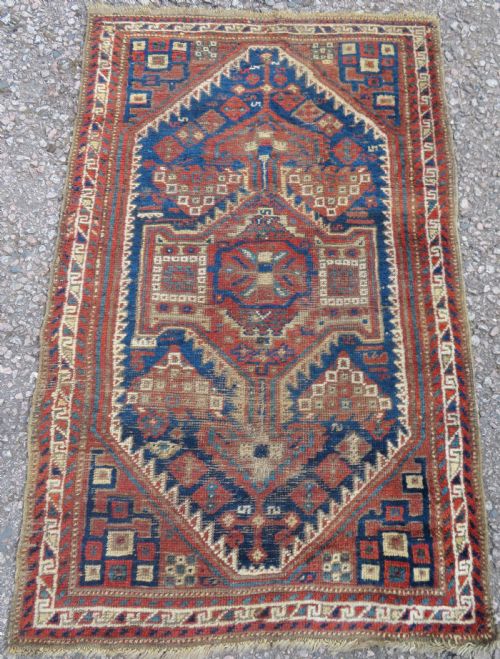
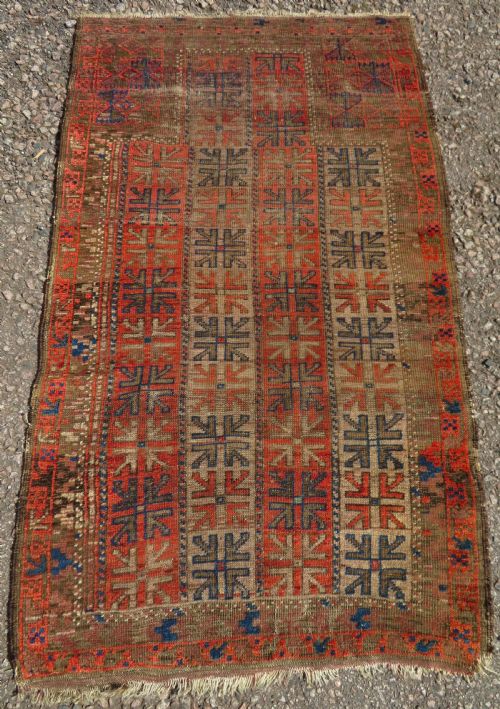
Small Wool Carpet
When you choose a small antique wool carpet, you invite centuries of nomadic weaving traditions and village craftsmanship into your interior.
Small Wool Carpet
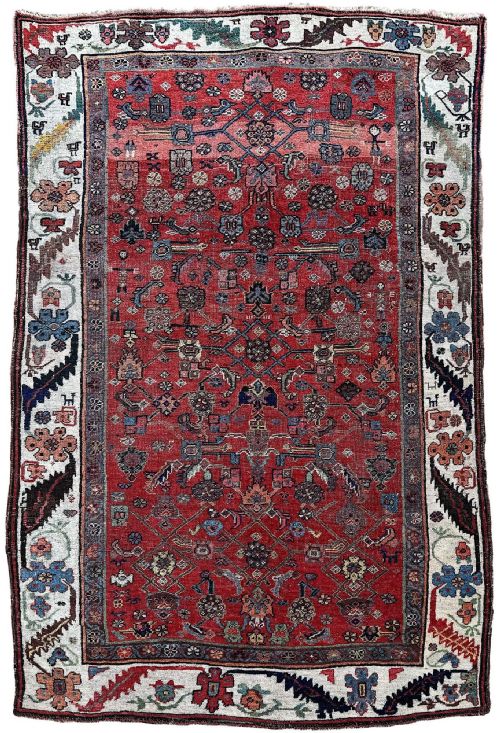
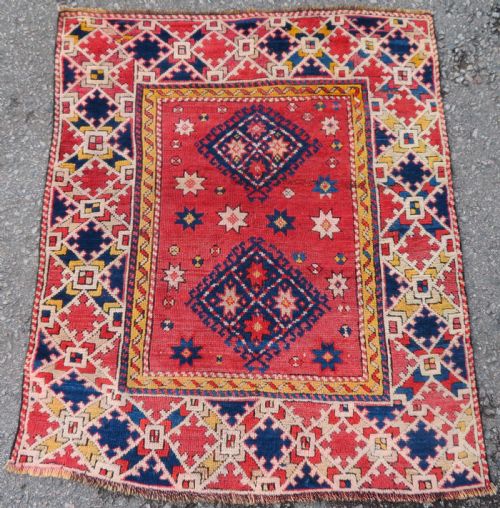
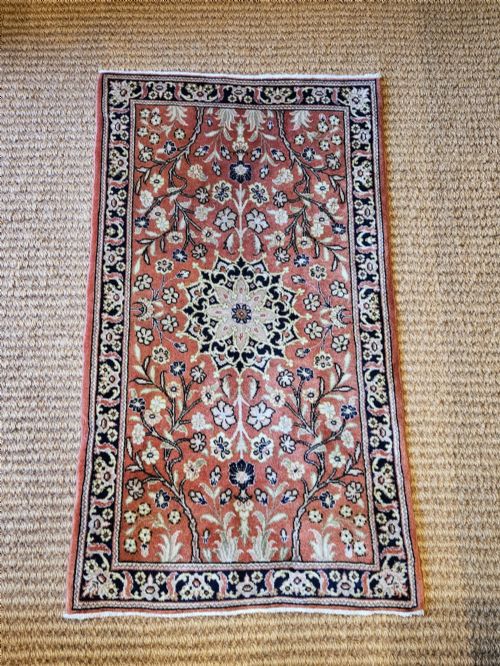
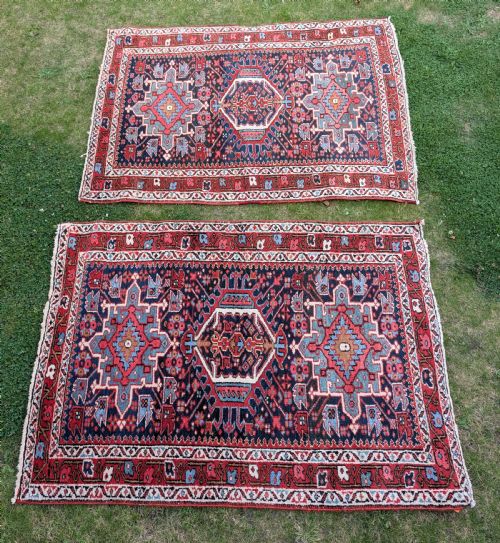
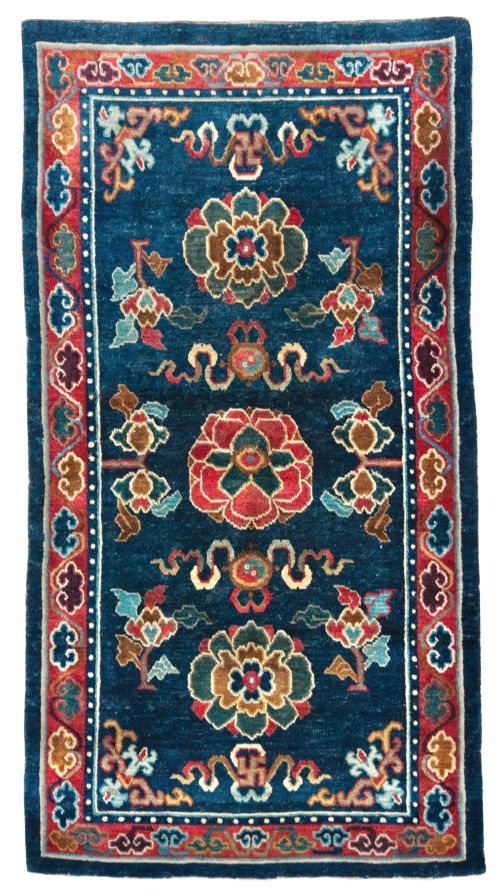
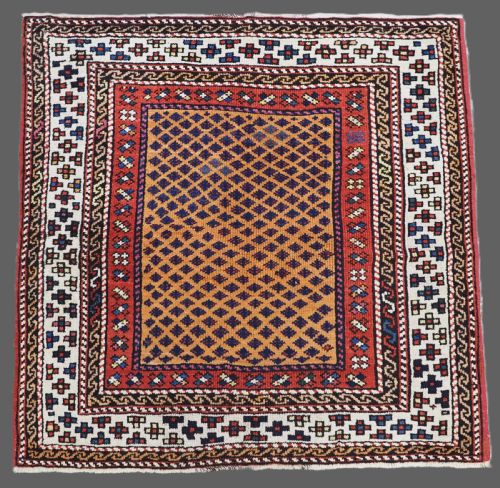
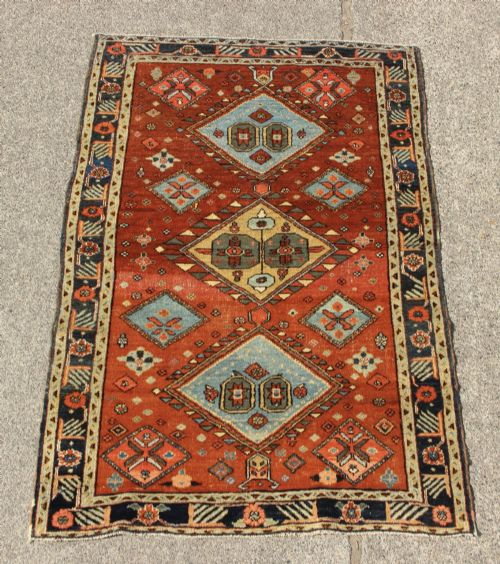
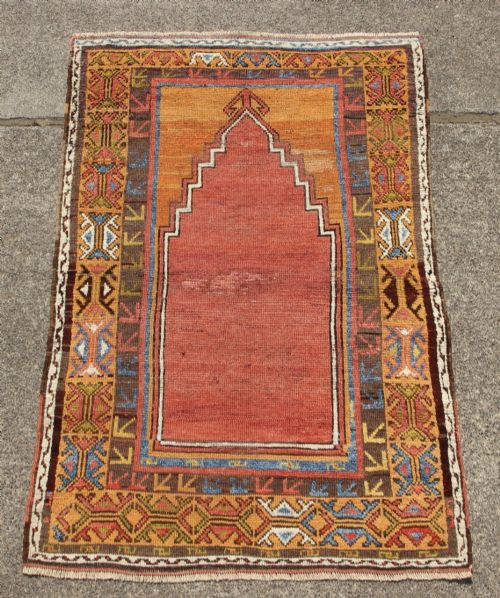
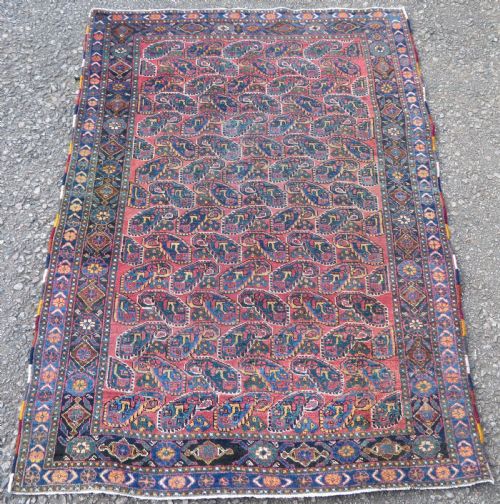
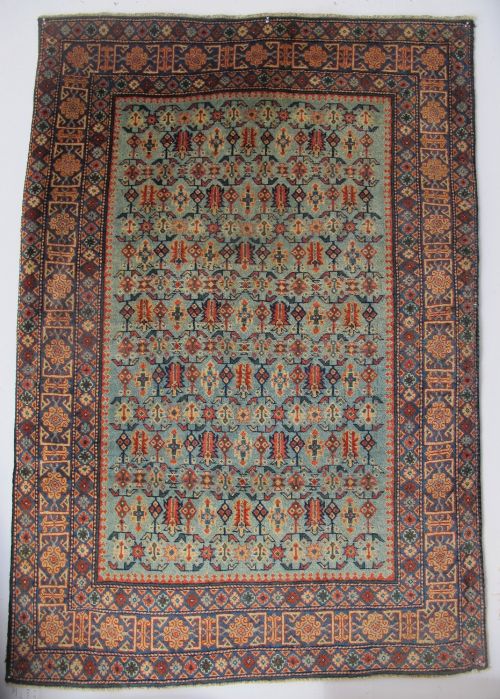
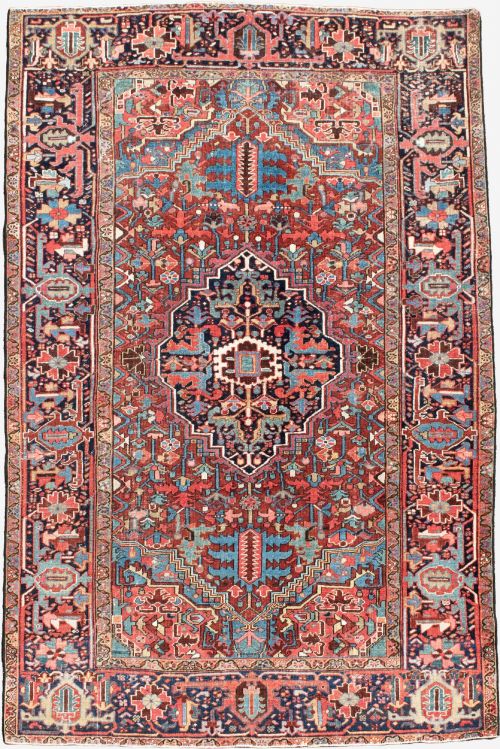
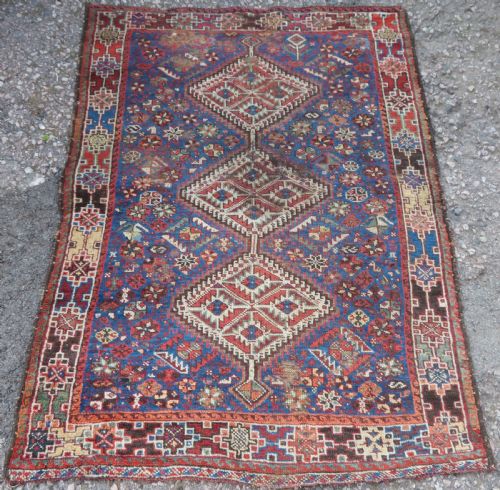
A small antique wool carpet brings patterned floor coverings into compact spaces, drawing upon regional weaving identities from Persian, Caucasian, Turkmen, and Anatolian traditions. These pieces include format variations such as scatter rugs, square mats, prayer rugs, and functional tribal bags.
The selections span production eras from the nineteenth century into the early decades of the twentieth century. Village workshops and tribal groups produced these textiles using durable methods suited for everyday domestic utility.
Persian village styles like Heriz, Bidjar, Karadja, and Hamadan appear frequently alongside tribal formats from Afshar, Khamseh, and Baluch weavers. Buyers encounter varied formats ranging from square dimensions to elongated runner proportions.
Materials and construction methods
Weavers utilised hand-spun wool for pile foundations, securing durable surface textures that aged through generations of use. Cotton often provided structural support for warps and wefts in specific regional workshop formats.
Natural dyes created the foundational palette found across these village and tribal textiles. Artisans sourced organic colorants from local plants and minerals, resulting in rich tones that developed subtle patination over decades.
Certain antique bags and tent door rugs were woven by nomadic families to store household belongings while migrating across distant landscapes.
Distinctions in quality and execution
The handling of natural dyes and the crispness of tribal motifs dictate visual strength across these carpets. Superior examples display harmonious colour shifts within the wool and sharply rendered geometric or medallion layouts.
Structural integrity of the hand-spun wool pile and the survival of original outer edges influence the condition profile. Variations in knot density and wool preparation reflect the regional standards of specific tribal groups and village workshops.
The Small Wool Carpet Glossary
- Pile
- The vertical tufts of wool forming the soft upper surface of the carpet. This layer takes the weight of foot traffic while displaying the woven design.
- Warp
- The vertical foundation threads stretched tightly on the loom before knotting begins. Cotton or wool threads provide the structural skeleton of the textile.
- Weft
- Horizontal threads passed between rows of knots to bind the structure together. Beating the weft tightly secures the pile rows in place.
- Gul
- A repeating medallion or octagonal motif central to Turkmen and tribal carpet designs. Each tribal group utilised distinct geometric variations of these patterns.
- Prayer rug
- A format defined by a central mihrab or architectural arch design indicating direction during daily worship. These smaller rugs served personal devotional purposes.
- Prayer arch
- The pointed niche depicted at one end of a prayer rug. This motif directs the eye toward a focal point of meditation.
Small Wool Carpet: Frequently Asked Questions
Where should I place a small carpet?
These compact dimensions suit entryways, beside beds, or beneath accent furniture where floor space is limited. Their portable scale allows them to function as wall hangings or tabletop displays.
Placing them in moderate-traffic areas protects the historic wool pile while introducing historic colour and texture to specific zones of a room.
How do I care for antique wool?
Gentle vacuuming without a rotating power brush prevents dirt accumulation in the wool pile. Professional textile cleaning maintains the stability of natural dyes and foundational threads.
Keep these textiles away from direct sunlight to preserve the organic colour tones derived from natural dye sources.
How are tribal rugs distinguished?
Tribal carpets exhibit geometric patterns, asymmetrical layouts, and symbols originating from nomadic heritage rather than urban workshop cartoons. Weavers relied on memory and generational patterns rather than drawn blueprints.
Afshar, Baluch, Khamseh, and Turkmen pieces demonstrate regional palettes and distinctive knotting structures unique to their respective tribal groups.
What indicates nineteenth-century origin?
Material analysis reveals hand-spun wool paired exclusively with pre-synthetic natural dyes throughout nineteenth-century production. The saturation and gradual fading of these vegetable colours differ from twentieth-century chemical formulas.
Structural irregularities in tribal weaving and variations in wool preparation point toward older village and nomadic craftsmanship.