

Small Folding Table
A small antique folding table offers a practical surface that disappears when not in use, spanning centuries of clever domestic design.
Small Folding Table
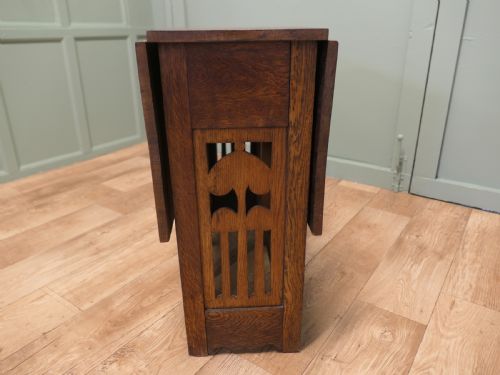
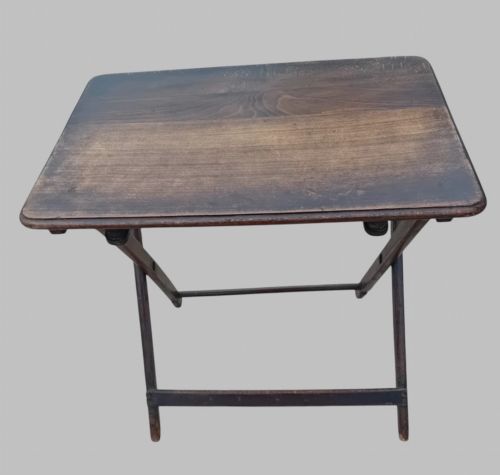
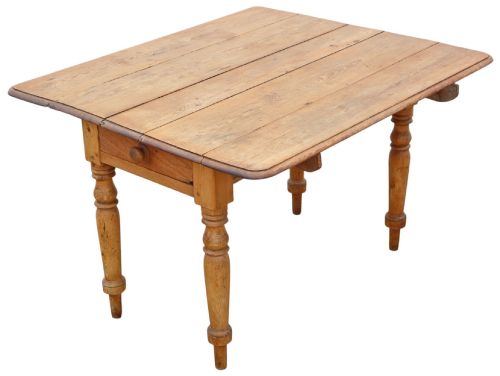
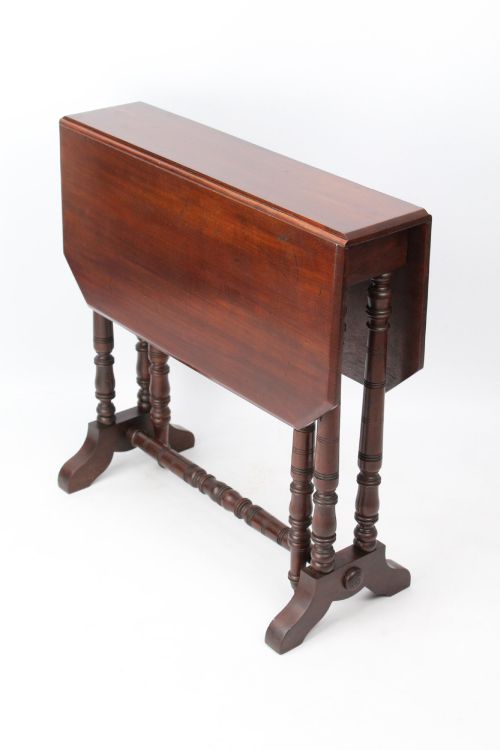
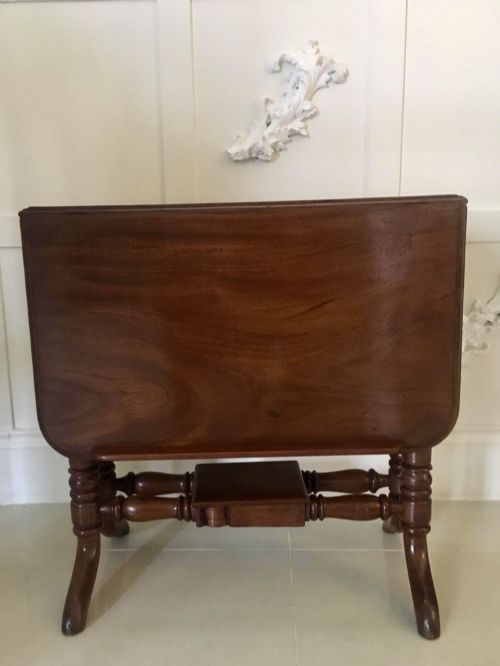
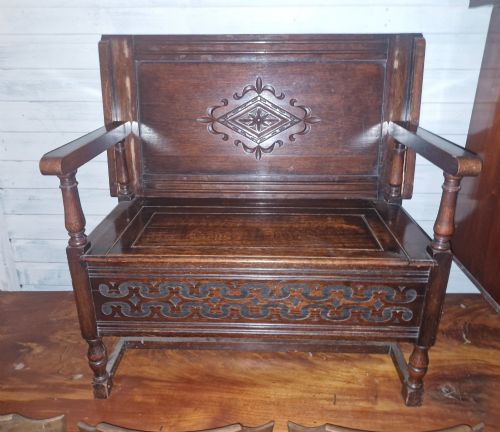
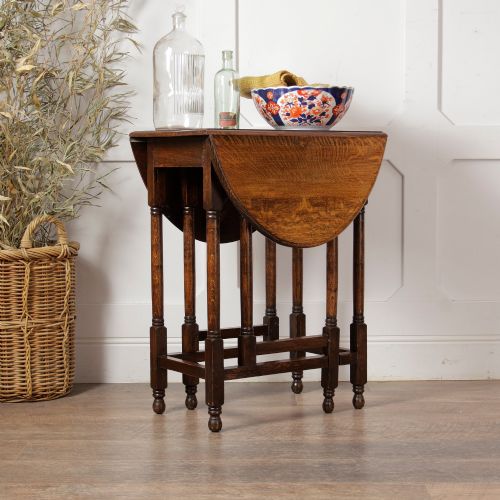
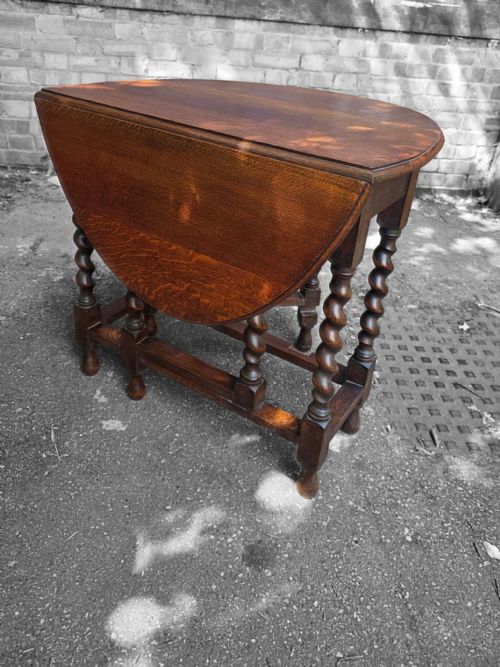
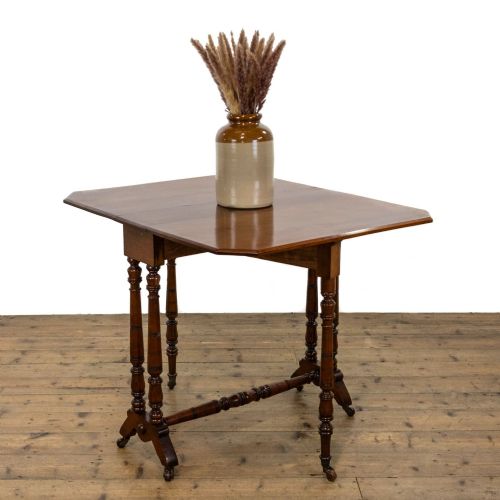
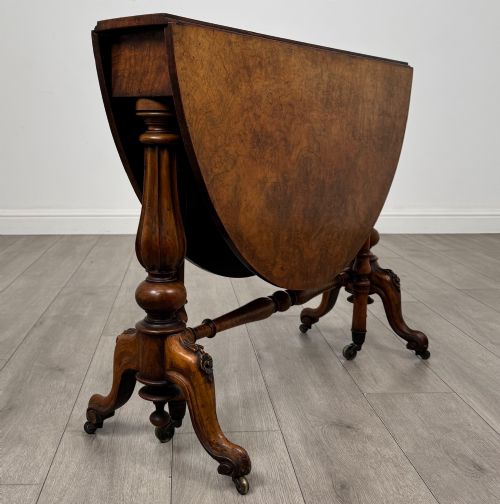
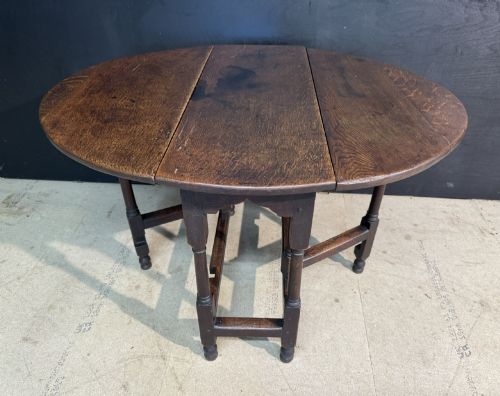
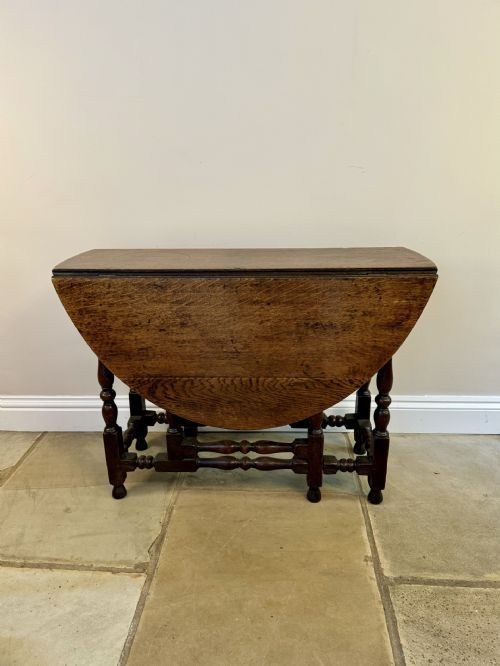
When buyers search for a small antique folding table, they encounter diverse timber furniture designed to save space in period homes. The selection spans compact drop leaf tables, gateleg designs, and slender Sutherland tables that tuck neatly against a wall.
Victorian and Edwardian examples dominate the selection, frequently rendered in mahogany, walnut, or oak. These pieces range from occasional and lamp tables to card tables and diminutive dining surfaces equipped with hinged leaves.
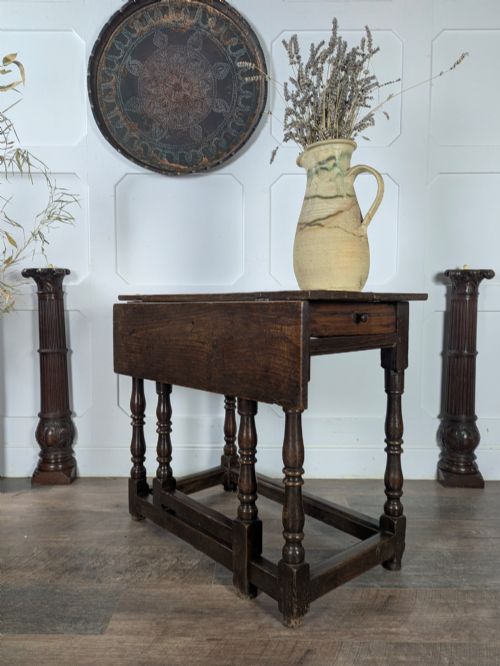
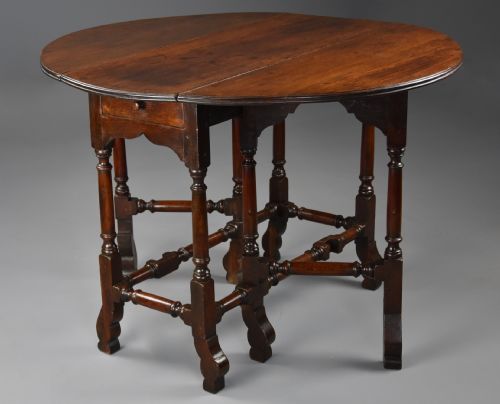
Earlier Georgian and eighteenth-century specimens appear in solid oak and red walnut, showing small proportions and clever folding mechanisms. Buyers will also find campaign styles, occasional tables, and occasional variants with barley twist legs or inlaid decoration.
Materials and construction methods
Cabinet makers relied primarily on timbers such as mahogany, oak, and walnut, often selecting burr walnut veneers or satinwood for decorative surfaces. These woods were worked into folding frames, drop leaves, and swivel tops supported by clever hinges and pivoting legs.
Structural integrity depended on traditional joinery combined with folding gatelegs, spider legs, or drop flaps. Detail work included barley twist turnings, fine brass fittings, and delicate inlay work seen on Edwardian and Victorian pieces.
Some tables double as reading desks or card tables, proving that ancestors loved a multi-tasking surface just as much as we do.
Distinguishing quality across the range
The distinction between standard domestic furniture and the finest items rests in the selection of timber and the precision of the folding action. High quality pieces utilise figured burr walnut, solid red walnut, or choice mahogany with rich natural patination.
Superior craftsmanship shows in the seamless operation of drop leaves, card table mechanisms, and gateleg supports that remain stable when opened. Subtle details like fine inlay, carved legs, and fitted interiors separate standard production items from exceptional workshop output.
Maple & Co
The Small Folding Table Glossary
- Sutherland table
- A narrow drop leaf table with exceptionally slender folding leaves that hang almost vertically when lowered. It was popular in the Victorian and Edwardian eras for small drawing rooms.
- Gateleg table
- A table with hinged leaves supported by legs that swing outward like a gate to hold the flaps. This sturdy design dates back to earlier centuries and remains common in oak.
- Pembroke table
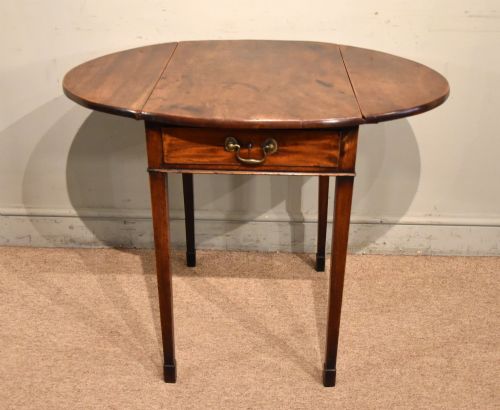
- A small occasional table featuring two hinged drop leaves on opposing sides. It often includes a small drawer and slender legs.
- Card table
- A folding table with a hinged top that opens out to double the surface area for games. George III and Edwardian examples frequently feature baize linings.
- Campaign style
- Portable furniture designed for easy folding and transport by military officers. These pieces often incorporate brass corners and folding frames.
Small Folding Table: Frequently Asked Questions
How do I use a Sutherland table?
Sutherland tables work exceptionally well behind a sofa or against a hallway wall when the leaves are folded down. Raising the narrow flaps instantly creates a surface for tea, books, or lamps.
Because the leaves drop almost vertically, these tables occupy minimal floor space in compact rooms. They provide versatility without dominating the interior layout.
What is a gateleg table used for?
Gateleg tables provide an expandable surface that adapts easily to changing dining or workspace needs. The folding leaves are supported by swinging legs that lock securely into position.
In period homes, they served as flexible dining tables or side consoles. Their sturdy oak or walnut construction handles daily use while maintaining traditional charm.
How can I date an antique folding table?
Dating relies on timber selection, hardware, and stylistic details associated with specific periods like the Georgian, Victorian, or Edwardian eras. Eighteenth-century versions often feature solid oak or red walnut with heavy patination.
Later Victorian and Edwardian pieces frequently utilise mahogany or burr walnut with refined turning or inlaid decoration. Examining the joinery and hinge types helps confirm the era of manufacture.
Where should I place a small folding table?
These compact tables fit comfortably in hallways, beside armchairs, or as lamp tables in living rooms. Their folding mechanisms allow you to adjust their footprint depending on the room's immediate needs.
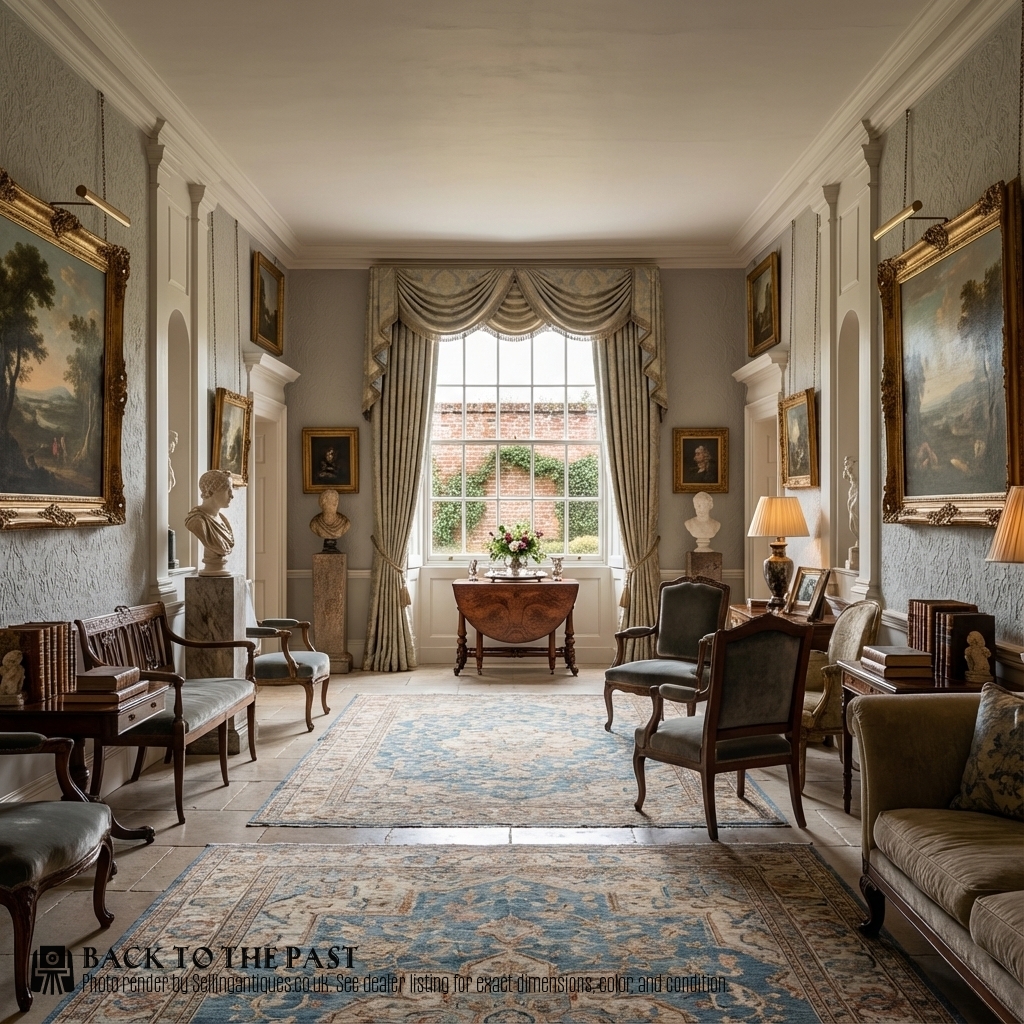
Pairing a drop leaf or Pembroke table with period seating creates a functional corner. They offer useful surface space without cluttering smaller interiors.