
Small Commode Chest
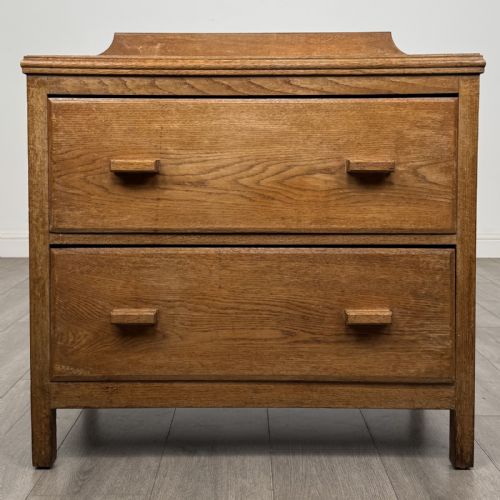
These small antique commode chests offer compact storage in mahogany, walnut and oak, spanning Georgian to Edwardian periods for period interiors.
Small Commode Chest
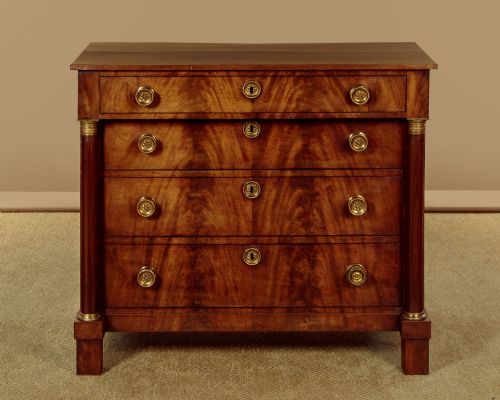
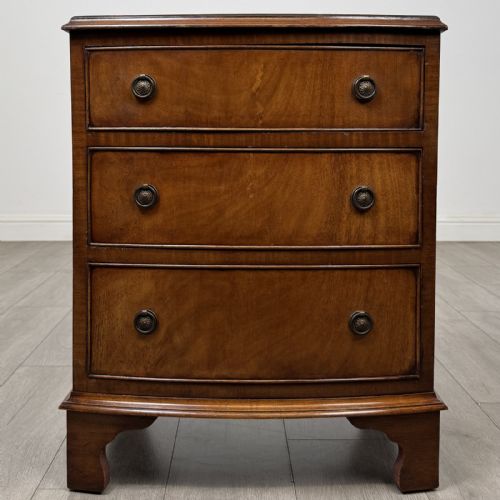
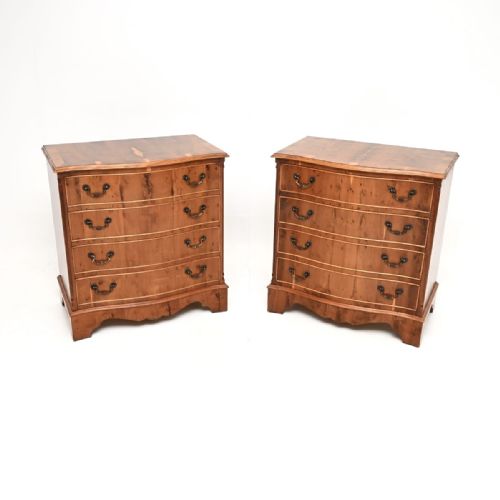
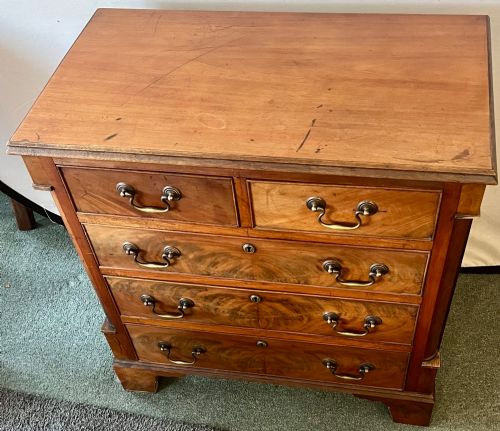
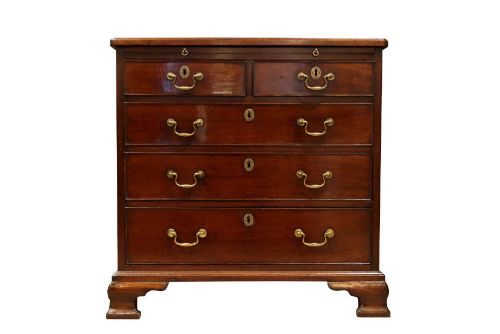
A small antique commode chest brings practical proportions and period character to compact spaces, uniting the functions of a low drawer unit with decorative presence. These pieces emerge in forms ranging from straight-fronted Georgian formats to serpentine French Provincial designs.
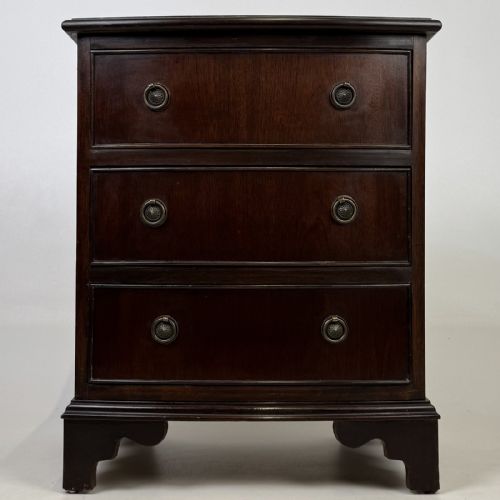
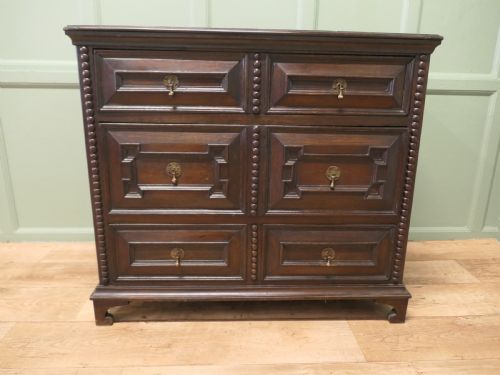
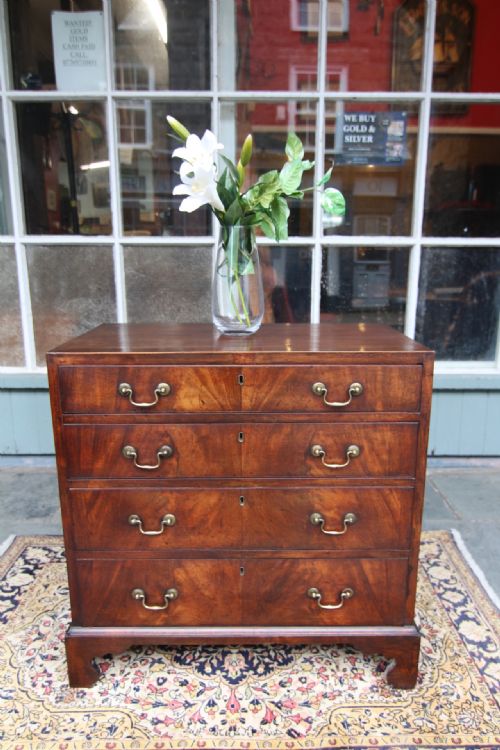
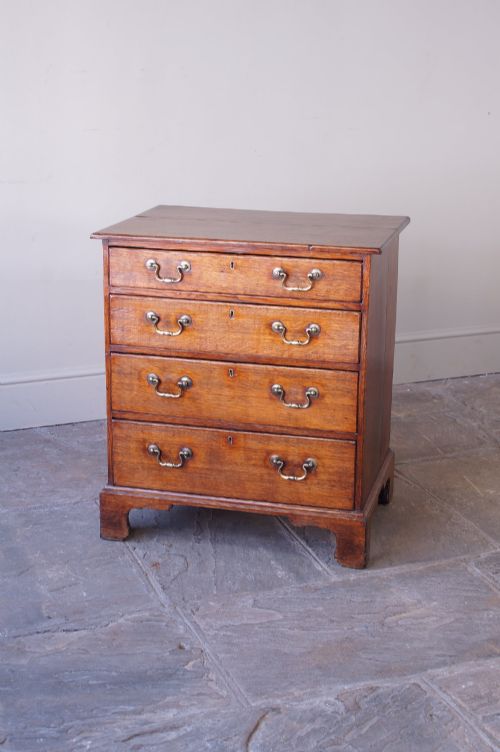
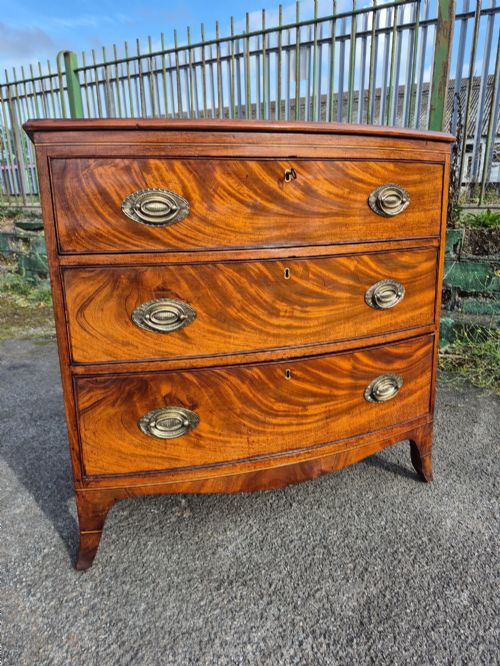
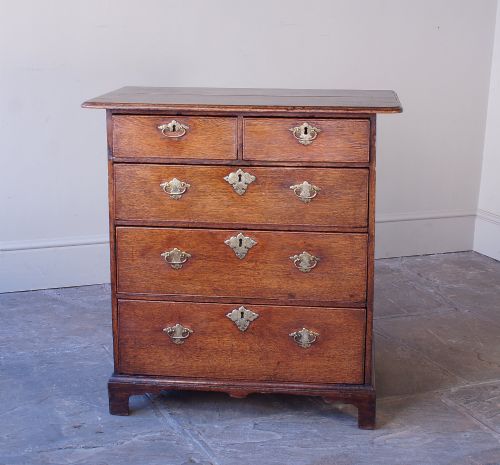
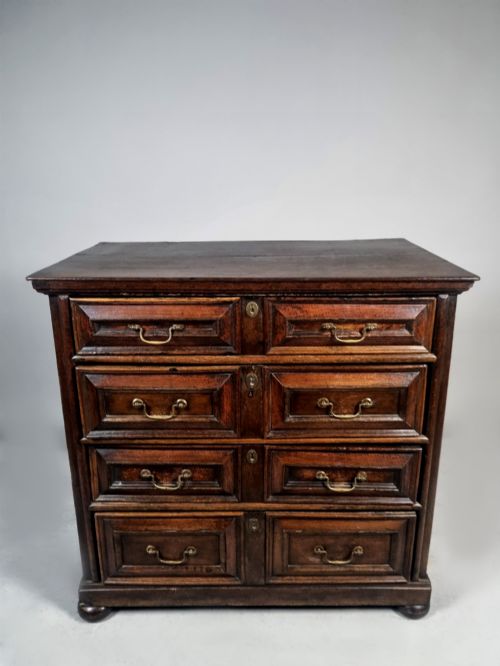
Mahogany and walnut predominate across the selection, appearing in both straight and bow front configurations alongside occasional oak and burr walnut examples. Pieces span the eighteenth, nineteenth and early twentieth centuries, including revival styles and continental commodes.
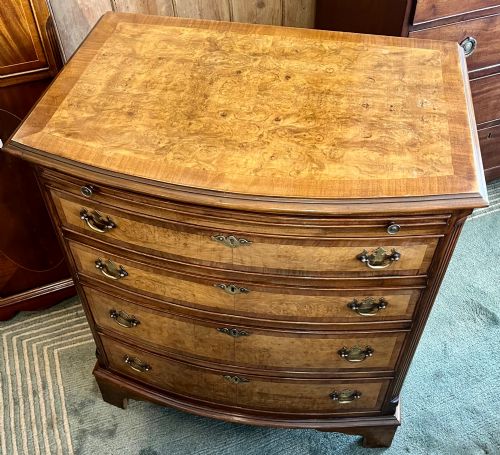
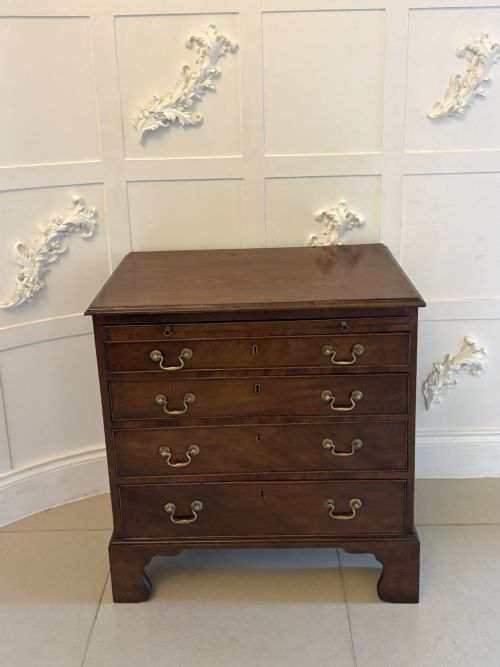
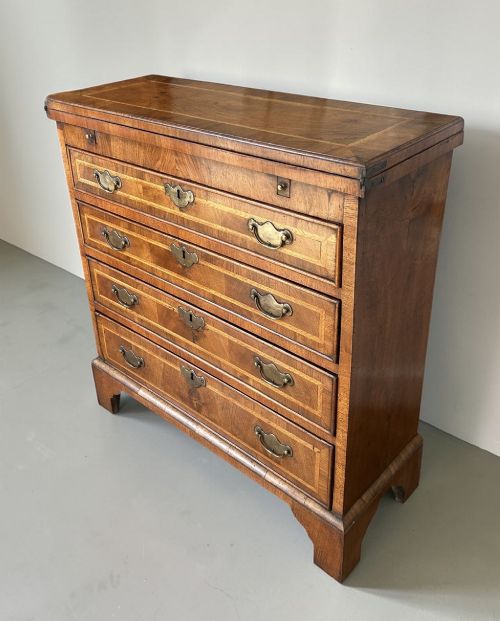
Buyers encounter variations including bachelor chests equipped with brushing slides, bedside cabinets, miniature furniture and close stools disguised as small chests. Most frequently, the search yields compact chests of drawers dating from the Georgian and Victorian eras.
How they were made
Cabinetmakers constructed these chests using solid timbers and decorative veneers such as mahogany, walnut and satinwood, often applied to pine or oak carcasing. Crossbanding and figured grain patterns embellished drawer fronts and tops, supported by brass handles and escutcheons.
Joinery techniques combined dovetailed drawer construction with framed carcasses, whilst specialised forms utilised curved serpentine or bow front timbers. French polish and wax finishes protected the wood surfaces while highlighting the natural grain.
Listings feature woods including mahogany, walnut, burr walnut, oak, elm and pine, spanning Georgian, Victorian and Edwardian periods.
What varies in quality
The degree of refinement in timber selection and cabinetmaking dictates the distinction between standard utilitarian pieces and finer examples. Superior chests display carefully matched figured veneers, crossbanded borders and precisely fitted dovetails.
Proportion and architectural harmony separate exceptional items from simpler versions, particularly in bow front and serpentine formats where curved timber demands advanced skill. Original brass hardware and untouched surface patination enhance the integrity of a piece.
The Small Commode Chest Glossary
- Commode
- A low chest of drawers or cabinet, often of French origin or influence. These pieces frequently feature serpentine fronts or decorative mounts.
- Bow front
- A convex curved cabinet front popular during the Georgian and Regency periods. This shape softens the corners of a room and showcases figured mahogany.
- Brushing slide
- A pull-out shelf positioned above the top drawer of a bachelor chest. It served as a surface for writing or grooming.
- Serpentine
- A front profile characterised by a concave centre flanked by convex curves. It requires sophisticated woodworking technique.
- Crossbanding
- A narrow strip of veneer applied to the border of a drawer front or top with the grain running perpendicular to the main panel. This technique creates a neat framing effect.
Small Commode Chest: Frequently Asked Questions
Where do I put a small antique commode chest?
These compact chests suit hallways, alcoves and bedrooms where floor space is limited. Their modest footprint allows them to function as bedside cabinets or decorative surface points.
They provide useful storage without overwhelming smaller rooms, pairing easily with modern or traditional furnishings.
How do I identify a Georgian chest?
Georgian chests typically feature solid mahogany or oak construction with hand-cut dovetails and period brass handles. Proportions tend to be robust and architectural.
Look for pegged joints and subtle variations in the timber grain that indicate eighteenth-century hand craftsmanship.
What is a bachelor chest?
A bachelor chest is a small drawer unit equipped with a pull-out brushing slide above the top drawer. It originated as a versatile piece for single-room living.
The sliding shelf was used for writing letters or preparing clothing without opening the main drawers.
How do I care for antique wood finishes?
Maintain wood surfaces by applying a quality beeswax polish periodically and avoiding direct sunlight or excessive heat. Gentle dusting with a soft cloth prevents surface buildup.
Keep humidity levels stable to protect veneers and prevent timber movement in older joints.