


Small Accent Rug
When you select a small accent rug, you bring home a tangible piece of weaving history shaped by generations of regional artisans.
Small Accent Rug
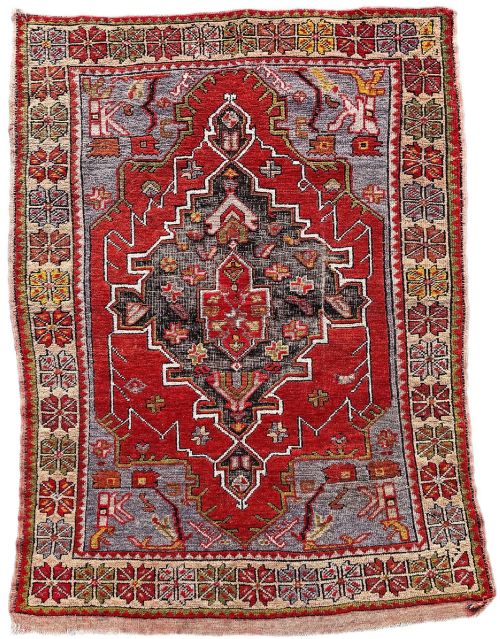
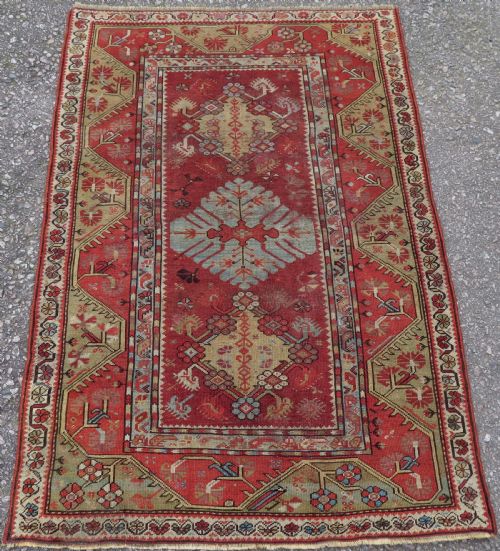
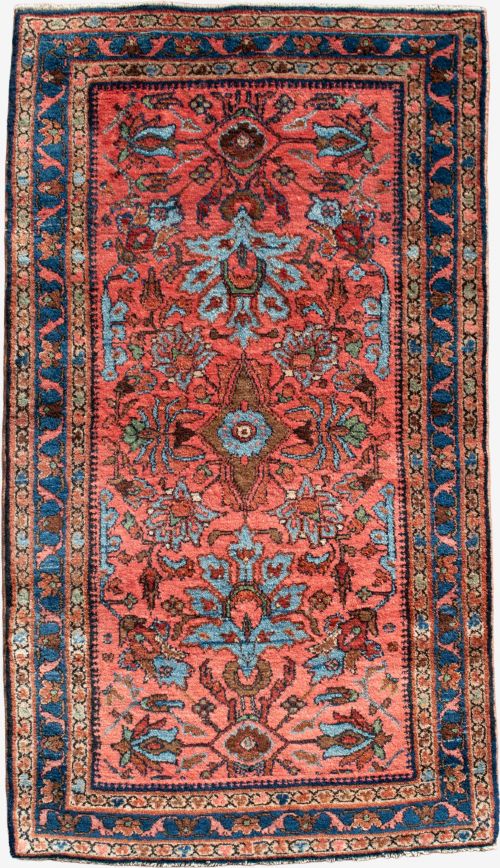
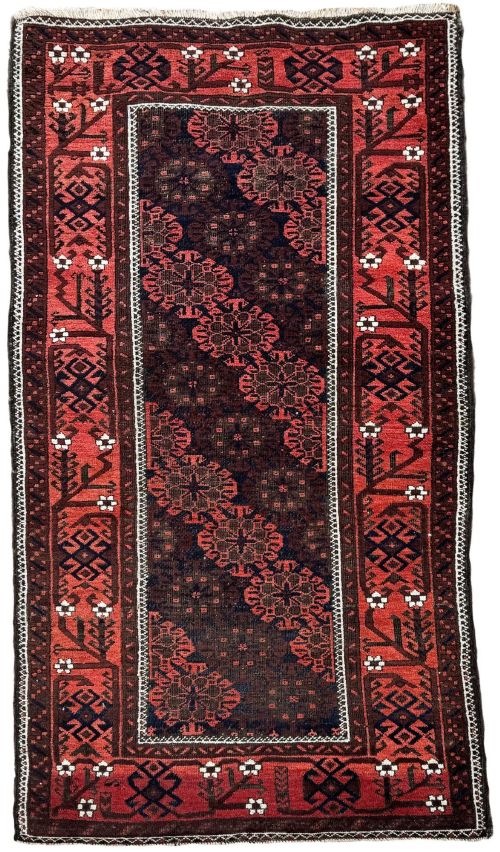
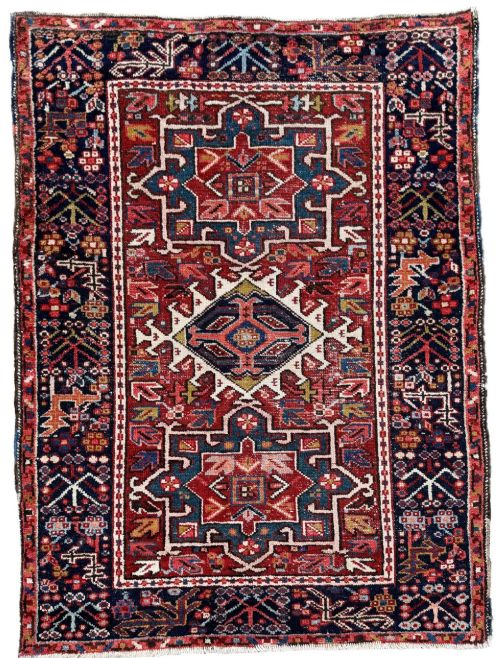
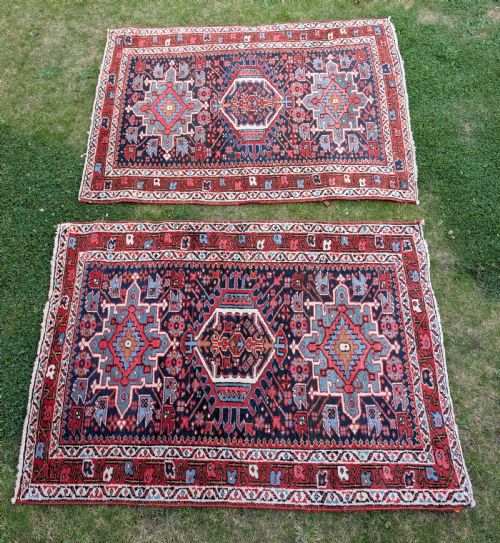
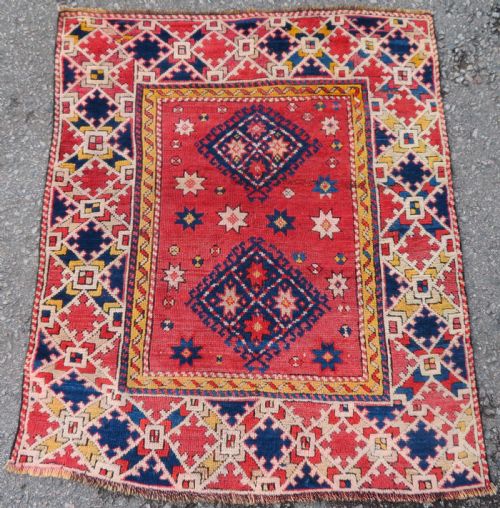
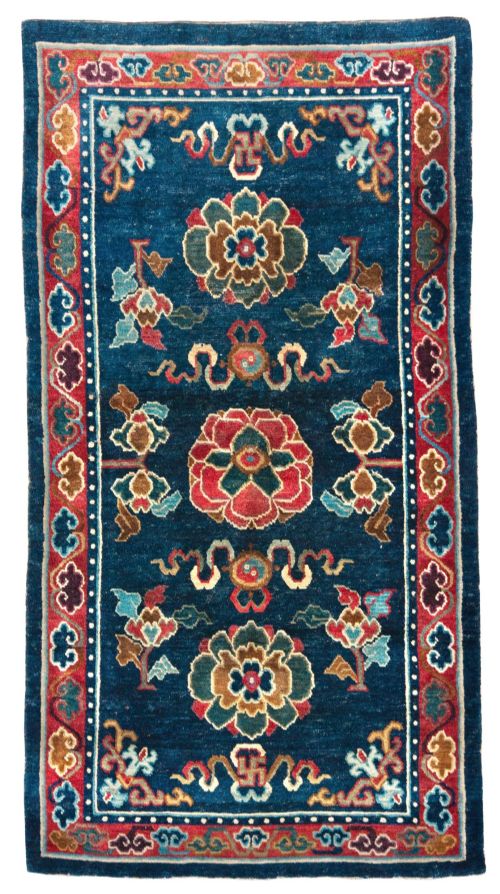
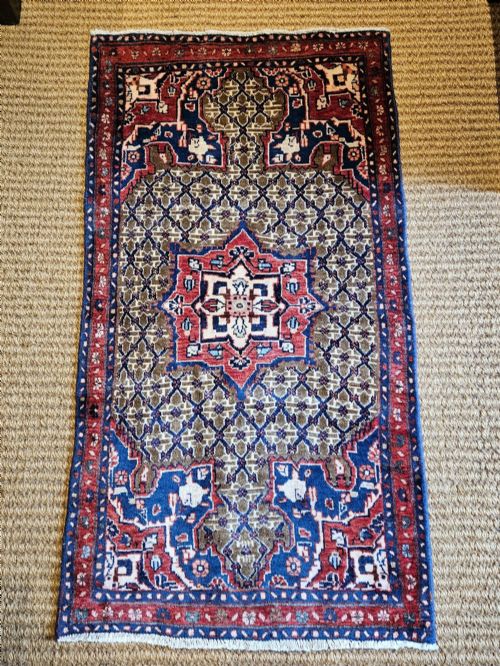
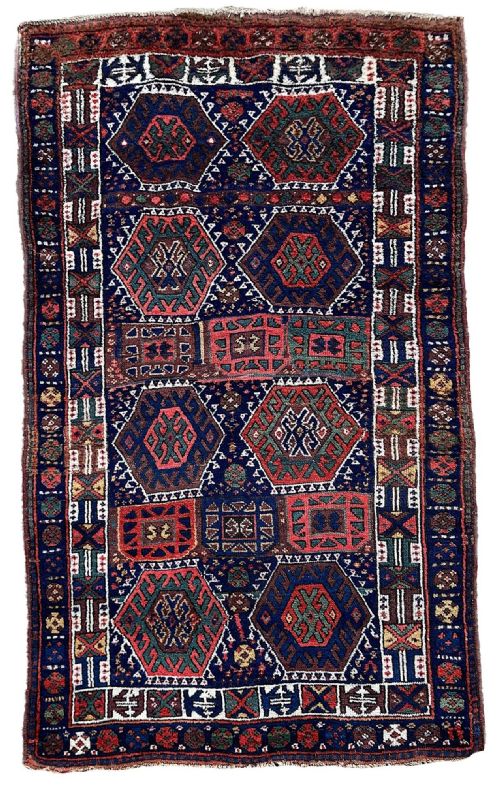
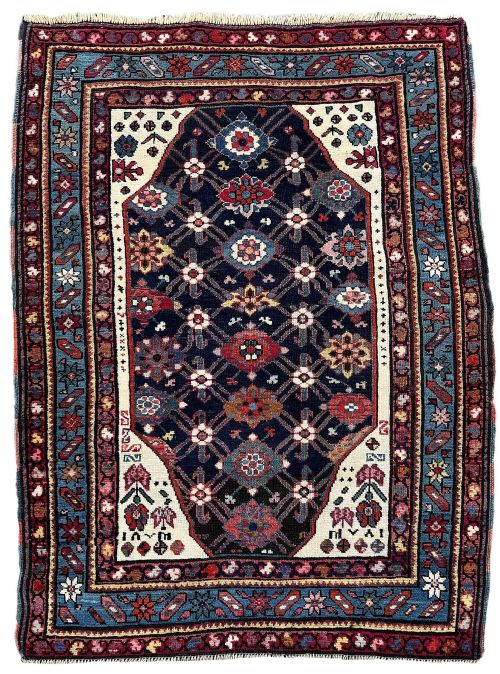
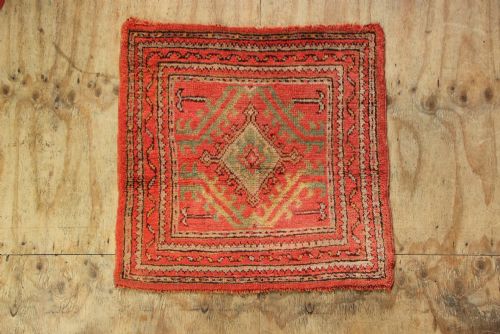
A small accent rug serves as a concentrated burst of pattern and colour, historically woven for domestic utility or personal devotion across village and tribal workshops. You find formats ranging from compact square formats to narrow prayer rugs designed for kneeling.
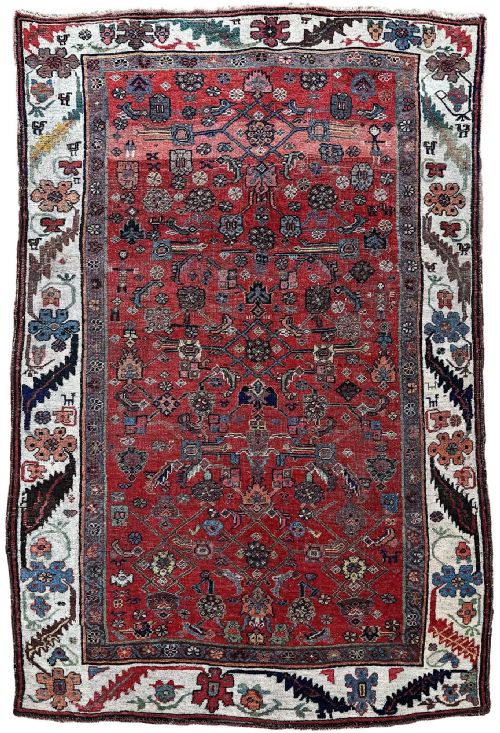
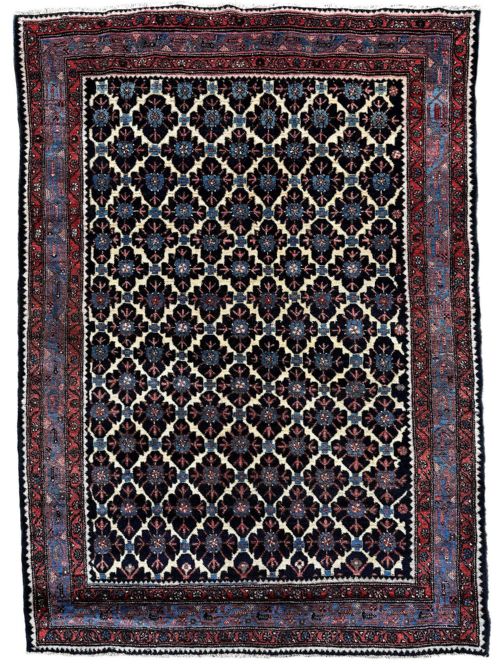
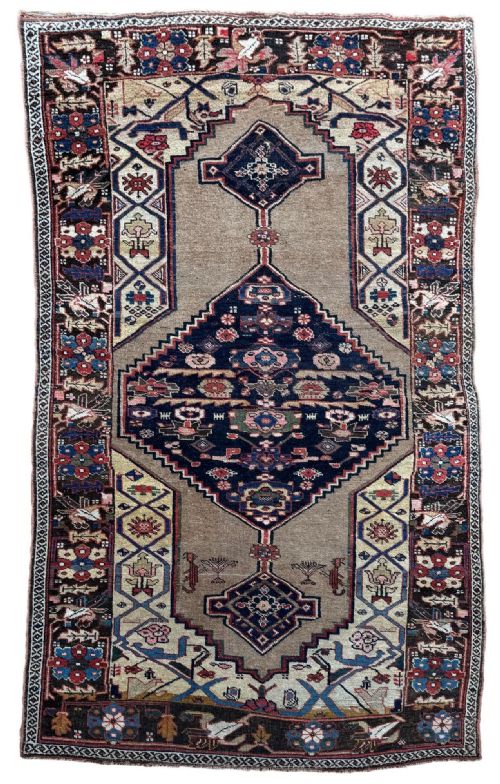
The selections span distinct regional weaving traditions originating from Persian, Anatolian, Caucasian, and Afghan regions. Pieces typically date from the nineteenth and early twentieth centuries, reflecting traditional local motifs passed down through communities.
Village weavers produced these compact formats for hearth sides, tent floors, and private chambers rather than grand reception halls. Their manageable proportions allow them to fit easily into modern hallways, compact rooms, and targeted floor spaces.
Materials and construction methods
Makers constructed these textiles predominantly from hand-spun wool and durable cotton warps, occasionally incorporating camel hair for natural resilience and tone. The use of natural dyes yielded deep, enduring hues that mellow gracefully across decades of exposure.
Weavers knotted individual strands by hand onto foundational warps and wefts, creating dense pile surfaces designed to withstand heavy daily foot traffic. Village workshops relied on upright vertical looms, allowing artisans to execute intricate geometric and floral compositions directly from memory.
Small Accent Rug Retail Price Guide 2026
Typical asking prices for small accent rug among the pieces listed under this phrase on Sellingantiques today, from the lower quarter to the upper quarter. They describe what is for sale here now, not the wider market.
Many village weavers worked from memory, occasionally slipping whimsical animal figures or stray tribal symbols directly into the borders of their rugs.
Evaluating weave and material excellence
Quality rests primarily in the tightness of the knotting and the precision of the underlying structural foundation. Finer weaves permit greater intricacy in the depicted medallions and border patterns.
The brilliance and purity of the natural dyes separate standard utility pieces from exceptional tribal examples. Rich saturation and harmonious colour shifts across the field indicate superior pigment preparation and expert mordanting.
The Small Accent Rug Glossary
- Warp
- The stationary vertical threads stretched across the loom that carry the structural tension of the textile. Fringe ends typically emerge directly from these foundational strands.
- Weft
- The horizontal threads passed alternately over and under the warp threads to lock the rows of knots firmly in place. This grid forms the stable skeleton of the weaving.
- Prayer Rug
- A devotional textile featuring a distinct mihrab or arch design indicating the direction of prayer. Weavers produced these compact formats for personal spiritual use.
- Natural Dyes
- Organic colourants derived from plants, insects, and minerals rather than synthetic chemical compounds. These dyes age with a distinctive softness and varied patina.
- Medallion
- A prominent central ornamental design motif placed in the middle of the field. Many regional rugs centre their entire compositional geometry around this focal point.
Small Accent Rug: Frequently Asked Questions
How do I care for an antique wool rug?
Gentle, regular vacuuming without a rotating power brush helps remove embedded grit while protecting the delicate hand-spun wool pile and older foundation threads. Professional cleaning suited for antique textiles preserves the integrity of the natural dyes.
Keeping the textile out of direct, prolonged sunlight prevents the natural colours from fading unevenly over time and maintains the richness of the wool.
What is the difference between a village rug and a tribal rug?
Village rugs are typically woven by settled communities in fixed locations, often displaying more structured geometric layouts and formalized floral interpretations. Their designs reflect the collaborative traditions of specific regional weaving centres.
Tribal rugs originate from nomadic or semi-nomadic groups who carried their looms with them, resulting in spontaneous designs, asymmetrical layouts, and deeply personal symbolic motifs.
Why do some antique rugs show colour variations?
Natural dyes react to light, washing, and the passage of time by subtly shifting in tone across the surface of the textile. This phenomenon, known as abrash, demonstrates authentic hand-dyeing methods.
Batches of wool dyed in separate dye vats absorb pigments differently, creating gentle horizontal or vertical tonal bands that collectors prize as a mark of genuine antiquity.