




Navy Afghan Rug
These navy afghan rug examples bring deep indigo tones and tribal craftsmanship into a room.
Navy Afghan Rug
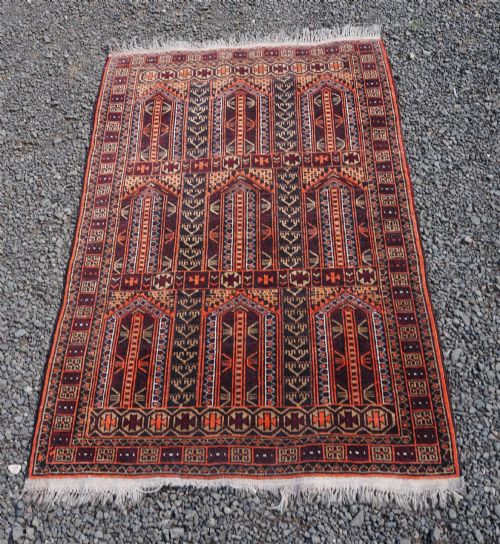
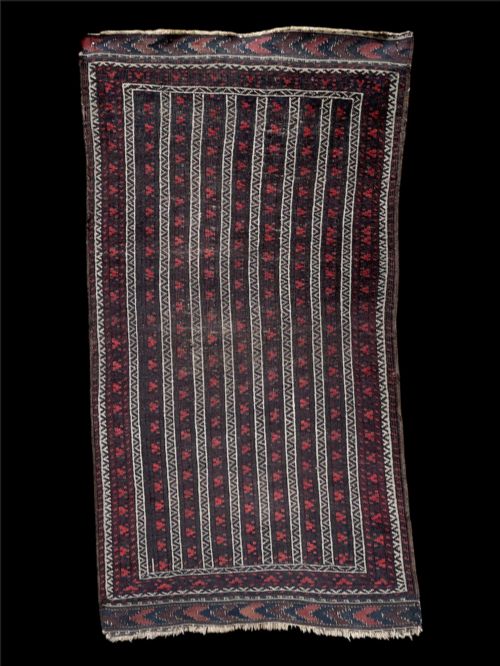
A navy afghan rug represents the rich weaving heritage of Central Asia, spanning the nineteenth and early twentieth centuries. These pieces encompass tribal floor coverings from regional groups such as the Baluch, Timuri, Ersari, and Taimani. Buyers encounter diverse regional formats, from small village prayer formats to larger tribal carpets.
Geographic origins extend across the borderlands of western Afghanistan, north-east Persia, and the Herat region. Pieces originate from periods spanning the late nineteenth century up to the 1930s. The common thread uniting these textiles is the dominance of deep indigo and navy dye work combined with traditional wool and cotton construction.
How they were made
Weavers utilised natural wool for the thick pile and structural foundations, frequently pairing it with cotton for added stability. The materials were hand-spun and dyed to achieve deep rich tones, soft colour variation, and durable floor textiles. Nomadic and village artisans knotted or flat-wove these fibres using traditional vertical or horizontal looms.
Construction methods vary between knotted pile carpets and flat-woven kilims, with some larger kilims specifically woven in two separate parts and joined together. Artisans built structural integrity through sturdy warps and wefts designed to endure generations of daily domestic use. The resulting fabrics display tangible textures that reflect the regional techniques of specific tribal groups.
Navy Afghan Rug Retail Price Guide 2026
Typical asking prices for navy afghan rug among the pieces listed under this phrase on Sellingantiques today, from the lower quarter to the upper quarter. They describe what is for sale here now, not the wider market.
Peacocks and mysterious animals occasionally strut across the wool pile, proving that tribal weavers enjoyed sneaking a bit of wildlife into serious prayer rugs.
What varies in quality
Quality rests upon the fineness of the knotting, the complexity of the tribal design, and the depth achieved in the navy dye work. Superior examples display intricate pictorial details like peacocks and multiple mihrabs executed with crisp geometric precision. The handling of secondary hues against the deep blue ground separates standard village weaving from exceptional tribal artistry.
The integrity of the wool pile and the retention of original flat-woven or kilim ends heavily influence the desirability of a piece. Earlier nineteenth-century examples often demonstrate superior material density and more nuanced colour palettes compared to later 1930s productions. Preservation of structural form across prayer formats and larger carpets remains a primary indicator of superior manufacture.
The Navy Afghan Rug Glossary
- Mihrab
- An architectural arch design depicted on prayer rugs, symbolising a doorway or niche pointing toward Mecca. Artisans often repeat this motif multiple times across a single field.
- Kilim
- A flat-woven textile produced without a pile by tightly interweaving warp and weft strands. These function as lightweight rugs or structural components.
- Sofreh
- A large spreading cloth used for communal dining or food preparation in tribal households. These textiles feature specialised geometric borders and fields.
- Baluch
- A designation for rugs woven by nomadic and semi-nomadic tribes inhabiting the borderlands of Afghanistan and Persia. Their work is celebrated for dark wool and rich indigo grounds.
- Ersari
- A major Turkmen tribal grouping known for producing large-scale carpets and domestic floor coverings. Their textiles typically feature soft colour palettes and traditional gush. The term identifies specific regional weaving traditions.
Navy Afghan Rug: Frequently Asked Questions
How were these rugs used?
Nomadic and village weavers utilised these textiles as floor coverings, sitting areas, and ceremonial prayer mats. Specific formats like sofreh cloths served communal dining purposes within tribal households.
Smaller prayer formats were portable and directed personal daily devotions toward Mecca. Larger carpets anchored the central living spaces of traditional dwellings.
How do I clean a wool rug?
Wool naturally resists dirt through its internal lanolin content, requiring primarily gentle surface care rather than heavy saturation. Regular light vacuuming without a rotating brush prevents dust accumulation within the pile.
Professional specialist cleaning remains essential for addressing deep soil or spills on antique natural-fibre textiles. Avoid household detergents that can strip natural indigo and madder dyes from the wool.
How can I date an antique rug?
Dating relies upon analysing structural materials, dye characteristics, and stylistic motifs recorded across nineteenth and early twentieth-century examples. Earlier nineteenth-century pieces typically exhibit denser wool knotting and deeper, more variable natural dye saturation.
Later 1930s productions often show shifts in regional designs and standardisation of motifs. Comparing construction techniques against documented tribal timelines helps narrow the period of origin.
Where did these tribal rugs originate?
These textiles originate primarily from western Afghanistan, the Herat region, and the borderlands adjoining north-east Persia. Different tribal groups, including the Timuri, Taimani, and Ersari, inhabited these overlapping territories.
Local access to mountain pastures dictated the availability of high-grade wool used by these weavers. Regional dye traditions specific to these locations created the characteristic deep navy grounds.