
Small 18th Century Table
When you select a small 18th century table, you invite domestic history into your room through compact timber craftsmanship designed for intimate daily use.
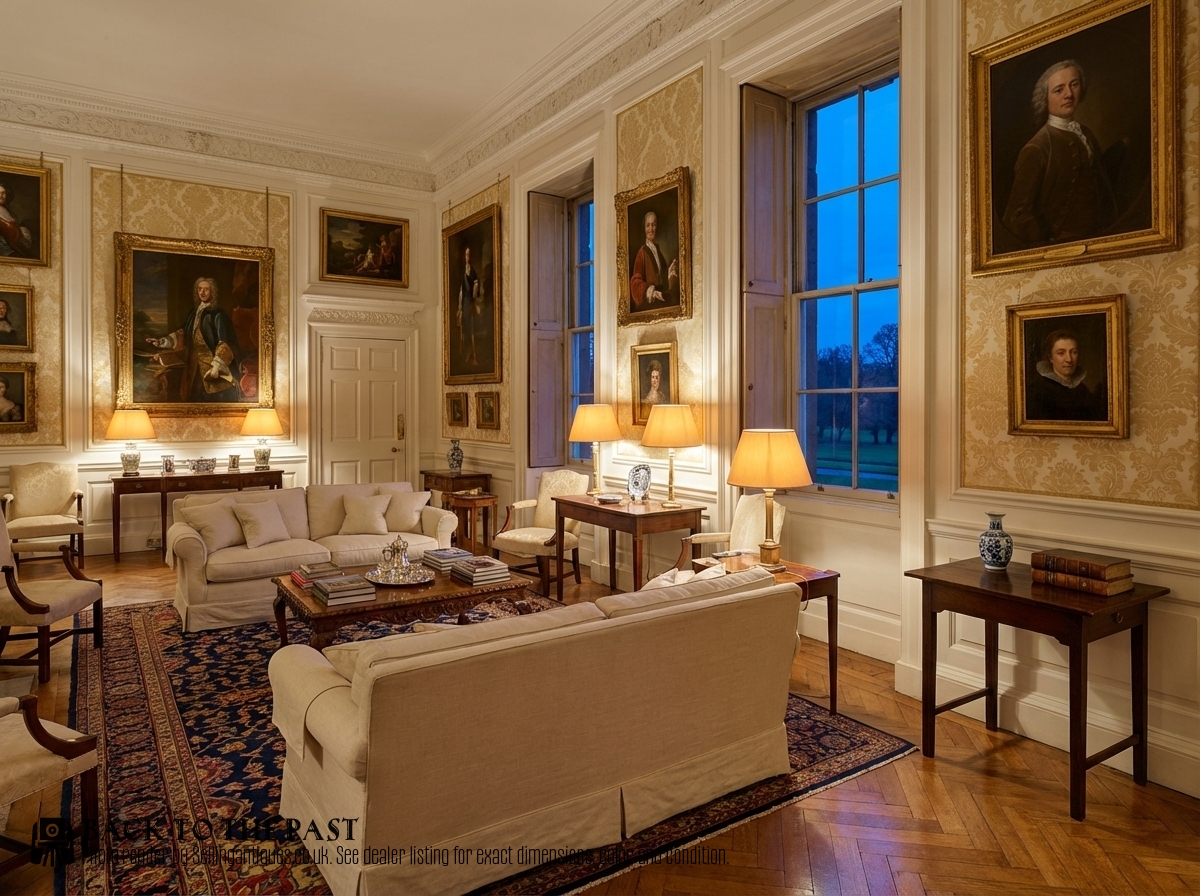
Small 18th Century Table
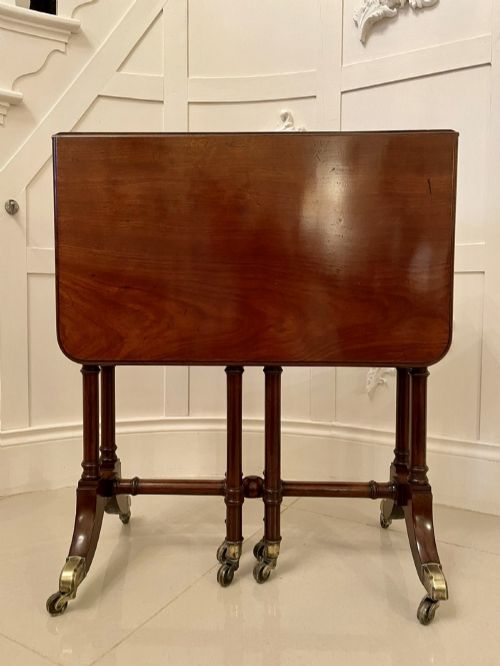
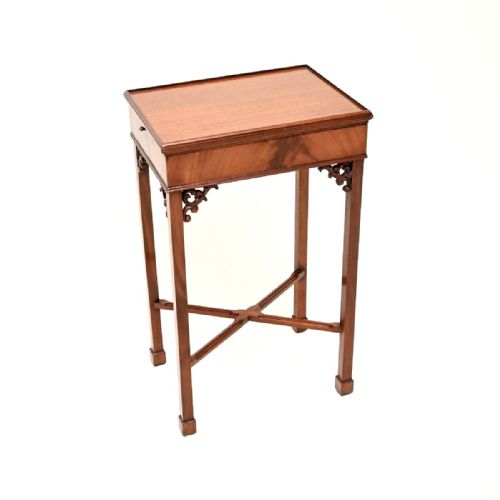
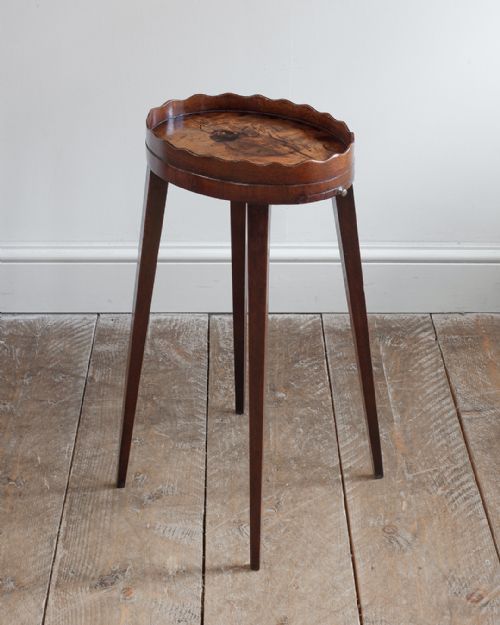
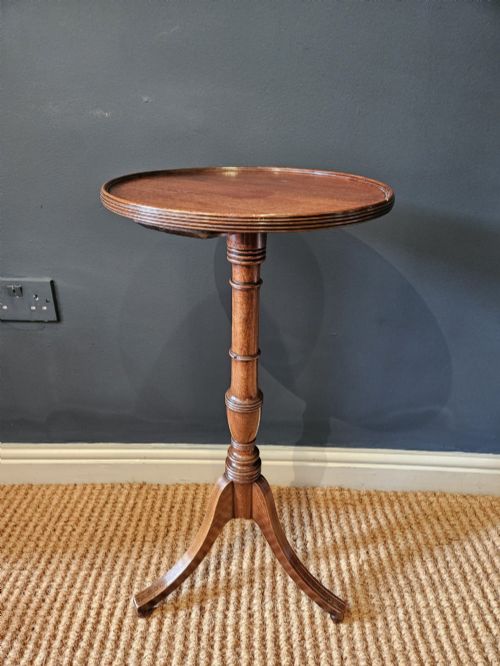
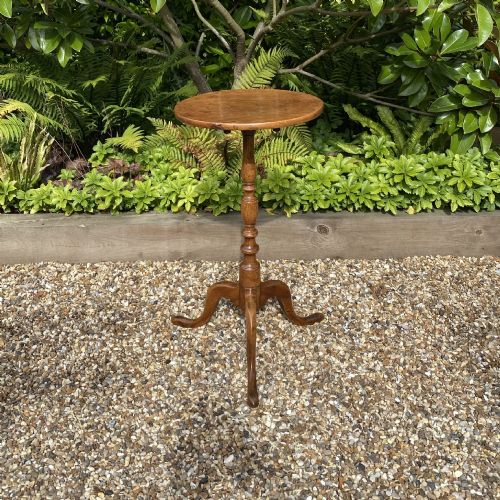
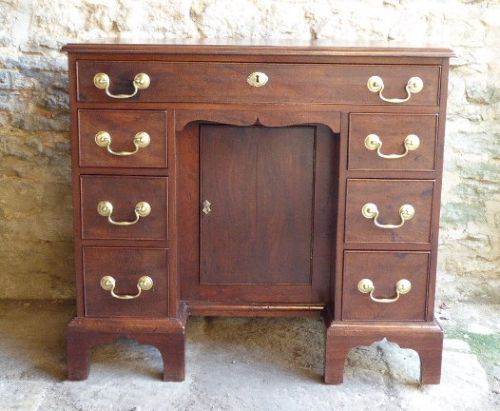
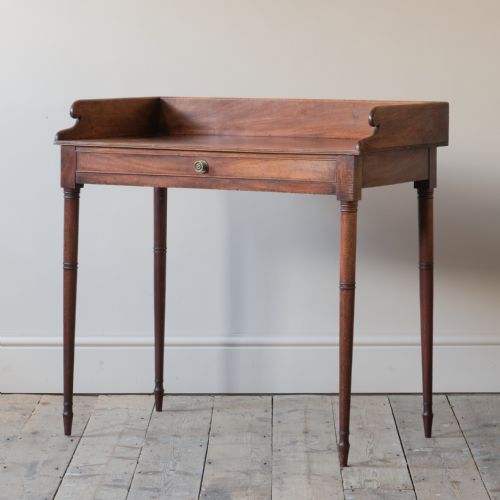
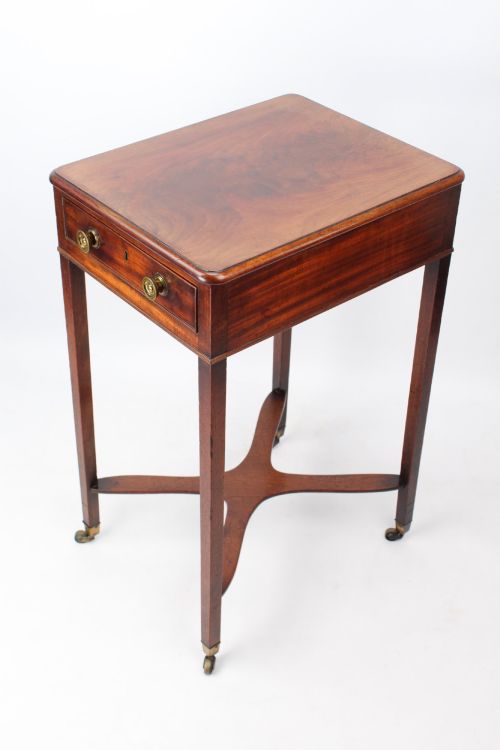
A small 18th century table encompasses versatile domestic furnishings created across the Georgian era and surrounding decades for specific functional needs within the home. Buyers encounter diverse forms ranging from tripod wine tables and gateleg dining variants to lowboys, tea tables, and bedside cabinets.
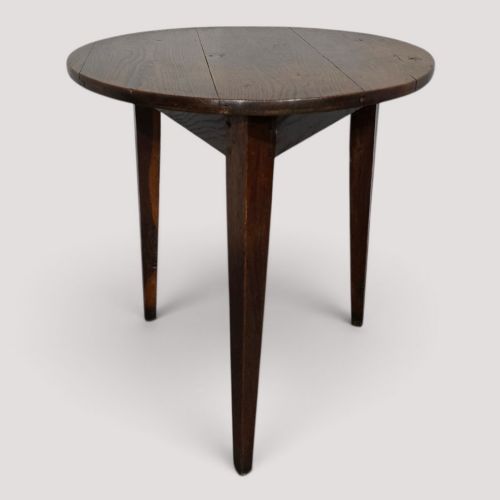
The surviving pieces reflect utilitarian origins alongside refined parlor use, predominantly surfacing in native oak or imported mahogany. Oak examples lean toward rustic cricket tables and gateleg formats, while mahogany and walnut support more polished side tables and Pembroke designs.
Originating largely from British workshops, these compact pieces suit modern interiors precisely because their original builders prioritized space-saving proportions without sacrificing structural integrity.
Materials and Construction Techniques
Cabinetmakers relied heavily on solid hardwoods, primarily mahogany, oak, walnut, and elm, selecting each timber for its grain pattern and durability. Secondary woods like fruitwood and satinwood appeared in regional pieces and detailed inlay work.
Joinery techniques such as mortise and tenon frames, dovetail drawer construction, and turned wooden pillars defined the structural build. Tripod bases utilised shaped legs joined to slender columns, while gateleg variants depended on pivoting support gates to extend drop-leaf surfaces.
Listings feature oak, mahogany, walnut, and elm as the primary historical timbers employed by 18th-century makers.
Indicators of Quality and Craft
Quality rests upon the integrity of the timber selection and the precision of the joinery rather than surface ornamentation alone. Superior examples display dense, mature grain patination, balanced proportions, and original structural components without excessive modern timber replacement.
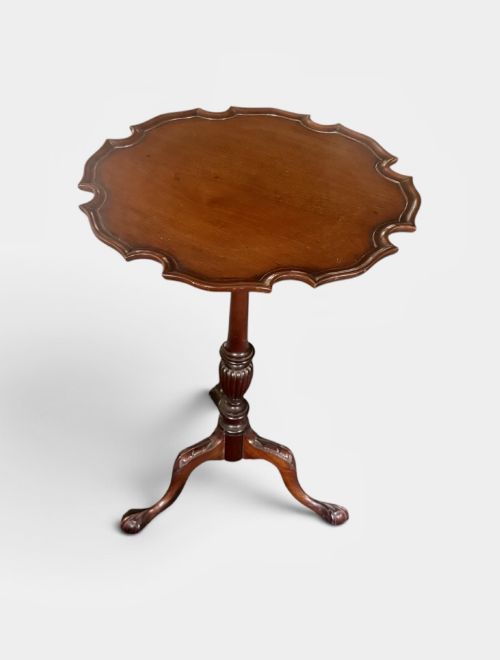
The refinement of carved details, such as pie crust rims on tripod tables or crisp marquetry and banding on satinwood surfaces, separates standard utility items from high-status parlor furnishings. Attention to concealed elements, including drawer linings and underside construction, reveals the original maker's standard of work.
The Small 18th Century Table Glossary
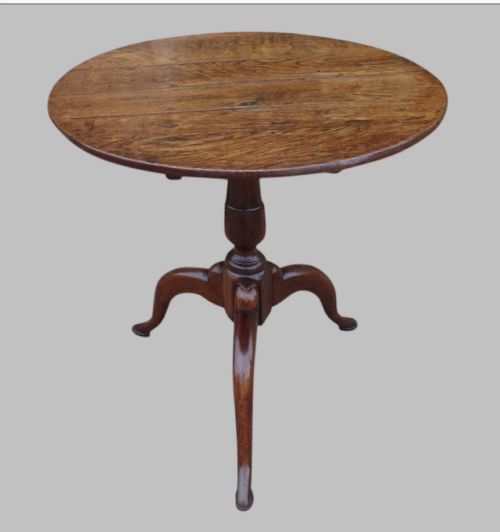
- Tripod table
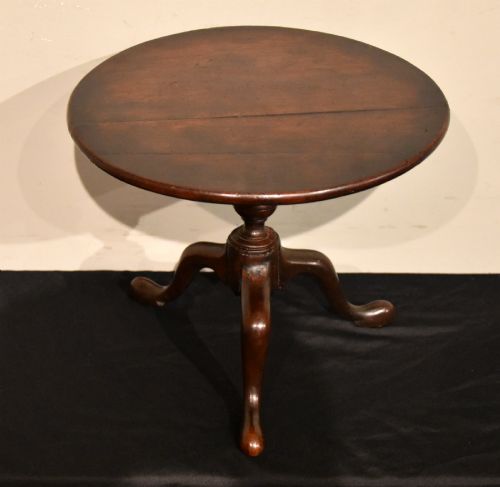
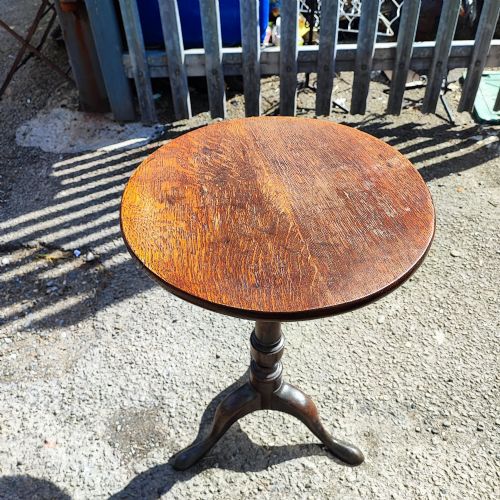
- A small freestanding table supported by a central pillar resting on three legs. These versatile pieces frequently served as candle stands or wine tables in 18th-century parlors.
- Lowboy
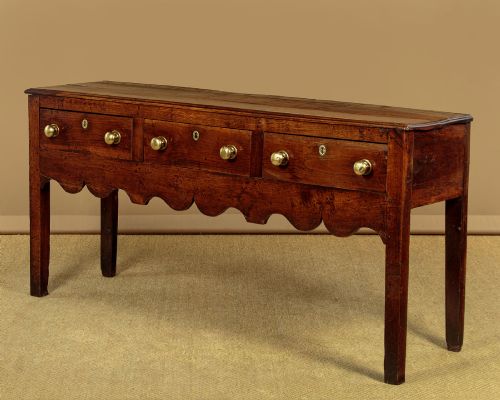
- A small dressing table or side table featuring one or more rows of drawers beneath a flat top. They typically stand on slender cabriole or straight legs.
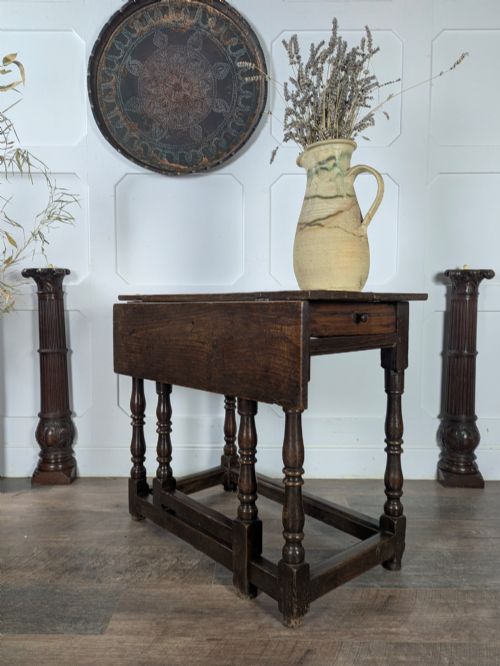
- Gateleg table
- A drop-leaf table with hinged flaps supported by hinged legs that swing out like a gate. This design allowed tables to expand for dining and fold flat for storage.
- Pembroke table
- A small rectangular table with two hinged drop leaves on the sides and usually a single drawer. The design dates to the mid-18th century and offered flexible surface space.
- Patina
- The surface sheen and colour developed on wood over decades of handling, light exposure, and waxing. Collectors value an undisturbed patina as evidence of age and authenticity.
Small 18th Century Table: Frequently Asked Questions
How were small 18th century tables used?
These tables served flexible domestic purposes ranging from serving tea and holding wine glasses to providing writing surfaces and bedside storage. Their portable nature allowed owners to move them around rooms depending on immediate household needs.
Smaller tripod and wine variants shifted easily beside seating areas, while gateleg and drop-leaf versions expanded to accommodate dining or tea service when required.
What woods should I look for?
Oak and elm dominated earlier rustic and regional pieces, offering robust durability for everyday tasks like kitchen preparation and tavern use. Mahogany and walnut gained popularity for refined parlor furniture.
Finer decorative pieces incorporated exotic woods like satinwood, harewood, and fruitwood for marquetry and banding details on top surfaces.
How do I tell an 18th century table apart from later copies?
Examine the construction methods, tool marks, and timber patination for signs of genuine age and hand-tooling. Hand-cut dovetails, timber shrinkage, and wear patterns on feet provide reliable clues.
Later reproductions often utilise machine-sawn components, uniform modern adhesives, and artificial ageing that lacks the organic wear of genuine period pieces.
Where do small 18th century tables fit in modern homes?
Their compact proportions make them exceptionally practical as bedside surfaces, lamp tables, or hallway display stands in contemporary spaces. A tripod wine table occupies minimal floor space while adding historical character beside a modern armchair.
Side tables and lowboys function effectively as compact desks or accent pieces in narrow living areas without overwhelming the room.