

Slant Top Writing Slope
A slant top writing slope provides a sloping surface for correspondence, uniting compact utility with the rich timber grains of past centuries.
Slant Top Writing Slope
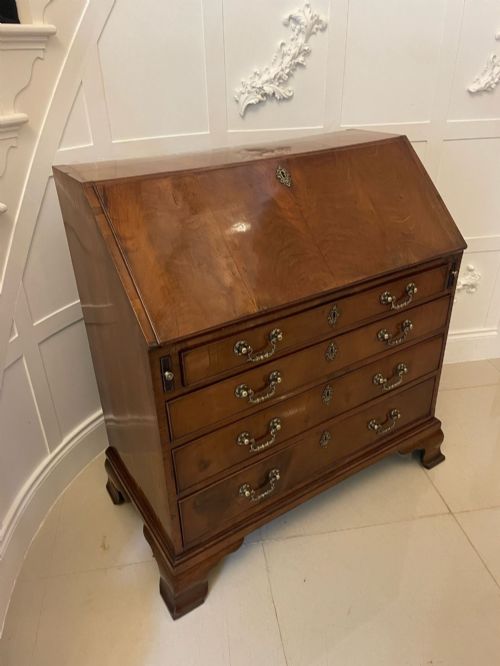
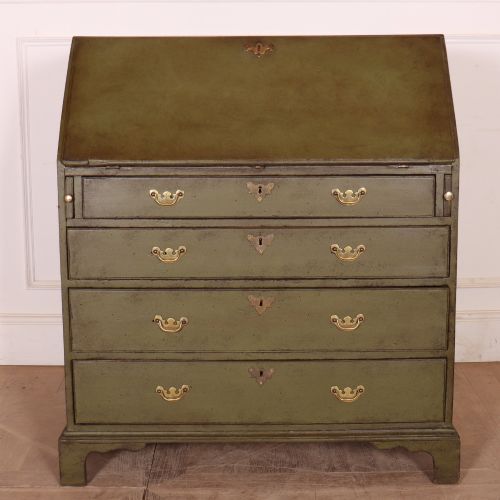
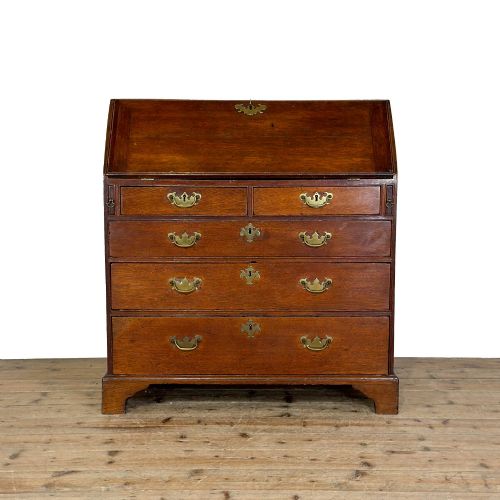
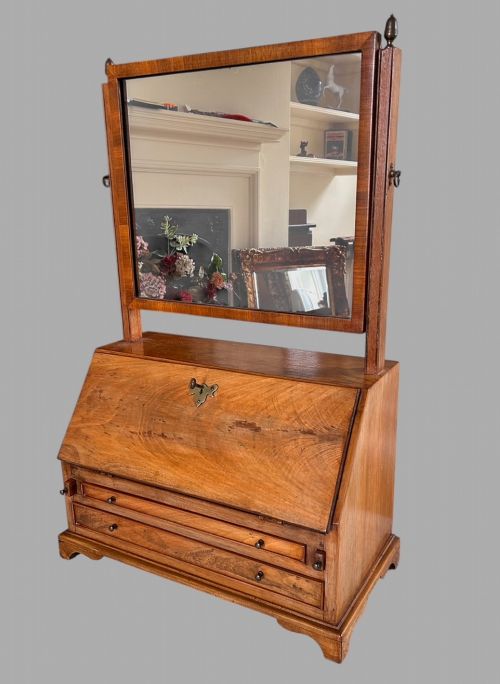
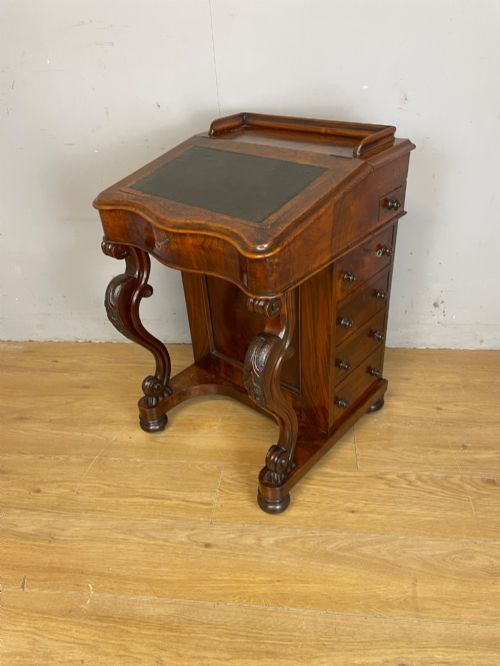
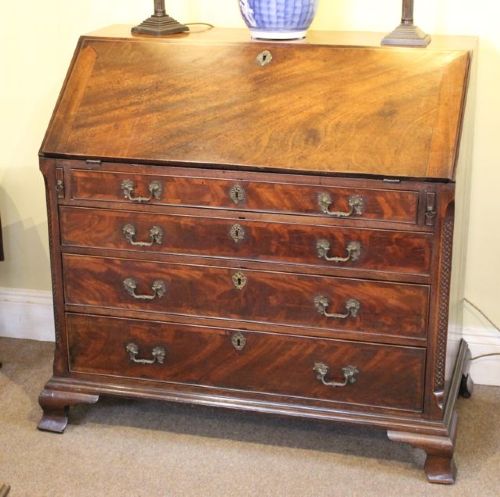
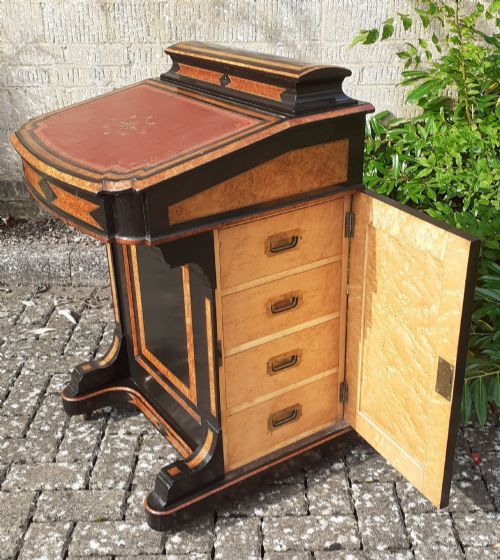
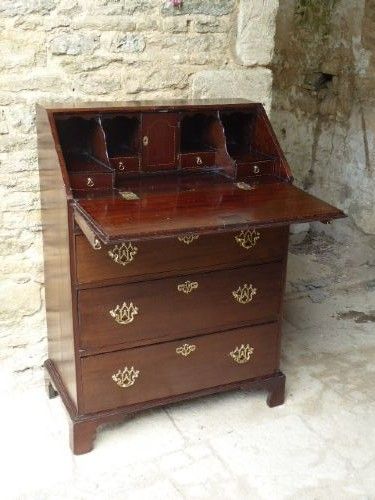
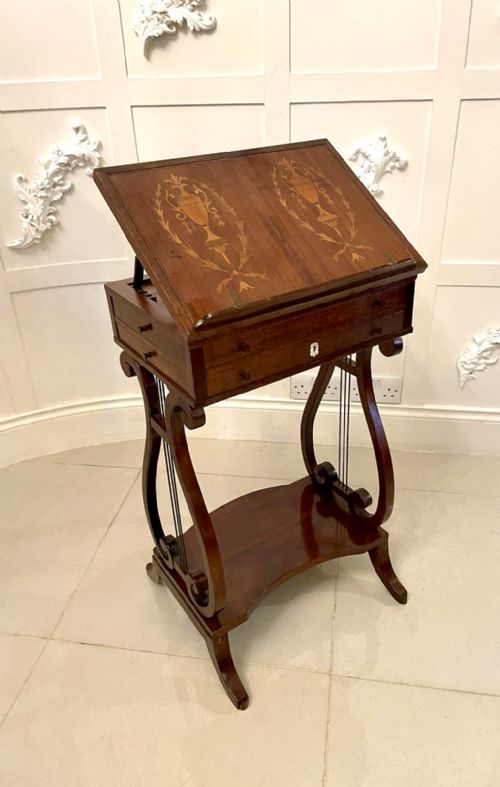
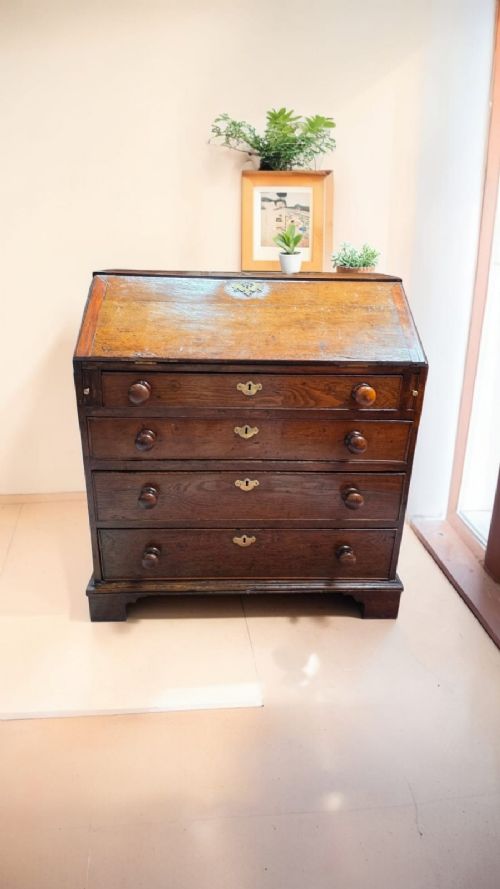
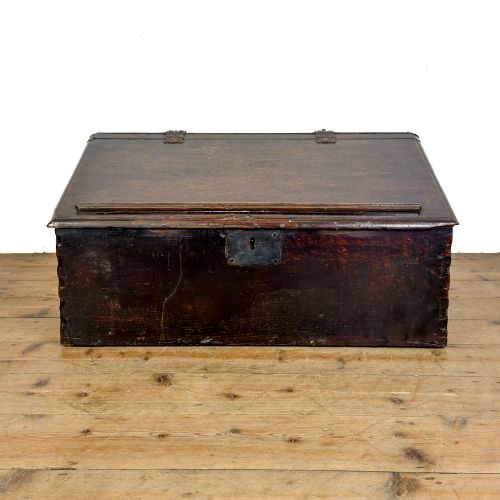
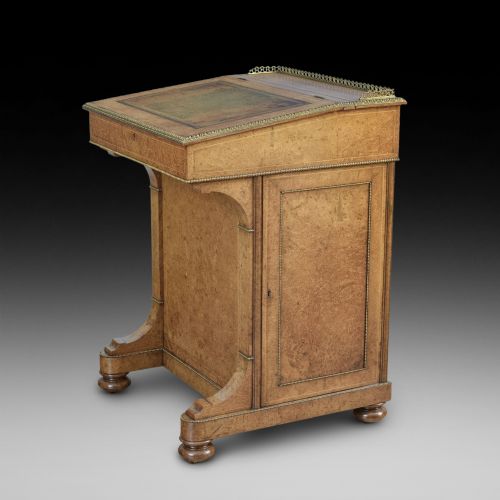
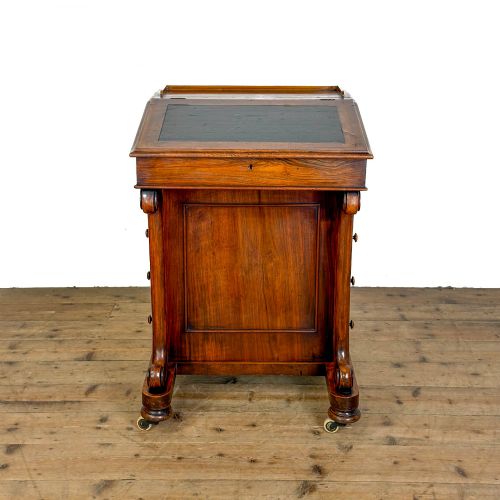
A slant top writing slope encompasses freestanding bureaux, tabletop units, and compact Davenport desks designed for private correspondence and record keeping. These pieces emerge from eighteenth, nineteenth, and early twentieth century workshops in forms ranging from simple oak Bible boxes to elaborate walnut and rosewood Davenport desks.
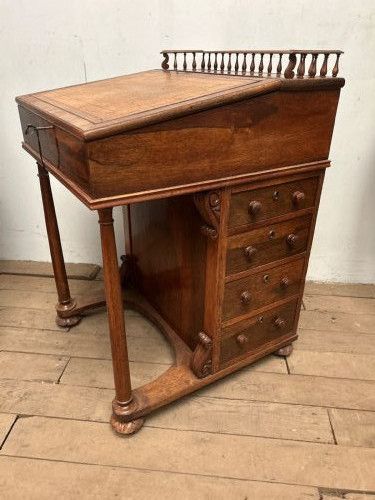
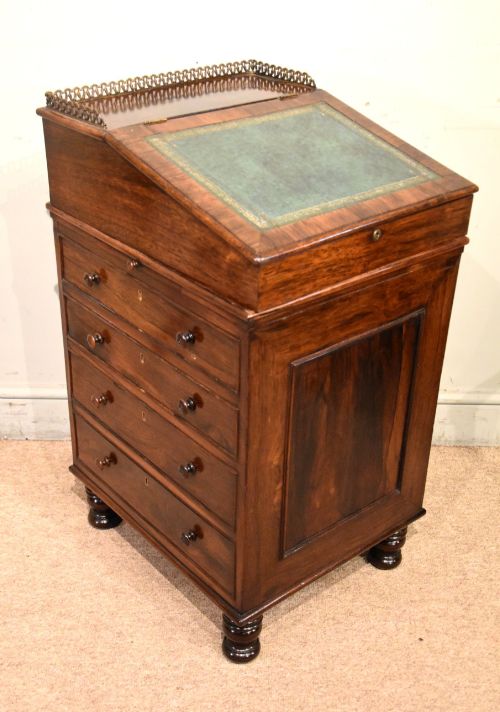
The version most commonly encountered on this page is the nineteenth century Davenport desk, alongside eighteenth century mahogany and oak bureaux. These designs reflect the changing domestic requirements for dedicated writing spaces across the Georgian, Victorian, and Edwardian eras.
Materials and construction
Cabinet makers utilised dense hardwoods such as mahogany, oak, walnut, and rosewood, often applying burr walnut or satinwood veneers to create patterned decorative surfaces. Secondary timbers like pine or oak form internal drawer linings and structural framing.
Brass fittings, leather writing inserts, and original ironwork provide functional contrast to the polished timber exteriors. Construction methods rely on traditional dovetail joints for drawers and mortise and tenon framing for the primary carcase.
Several compact desks include secret compartments designed to guard private correspondence from curious houseguests.
Quality variations
The grade of a piece rests upon the choice of timber figure, such as the depth of curl in mahogany or the complexity of grain in burr walnut. Superior examples display careful timber selection where grain patterns match across drawer fronts and the fall front slope.
Internal arrangement and secondary detailing distinguish finer examples from standard production. Fitted satinwood interiors, secret compartments, and intact original brass or iron hardware elevate a piece above simpler utilitarian desks.
Gillow & Co·Pairs MFG Co
The Slant Top Writing Slope Glossary
- Bureau
- A desk featuring a sloping hinged lid that opens to reveal a fitted interior of small drawers and pigeonholes. This form stands upon legs or a chest of drawers.
- Davenport desk
- A compact pedestal desk with a sloped writing surface, typically featuring drawers to one side and a stationary compartment above. The form gained widespread popularity during the nineteenth century.
- Fall front
- The hinged flap or slant top that closes down to cover the writing surface and interior compartments. It often includes a leather or velvet insert for writing.
- Bible box
- A small tabletop box with a sloping lid, used historically for holding large books or writing materials before dedicated desks became common. These represent some of the earliest surviving forms on the page.
- Crossbanding
- A narrow strip of veneer applied to the border of a panel, arranged so the grain runs at right angles to the central wood. This decorative technique frames drawer fronts and writing slopes.
Slant Top Writing Slope: Frequently Asked Questions
What is a Davenport desk?
A Davenport desk is a compact form of writing furniture featuring an inclined writing surface supported by a pedestal of drawers. The top often incorporates a compartment for pens and ink.
First developed in the early nineteenth century, these pieces save space while providing secure storage for stationery and correspondence within domestic interiors.
How do I use a slant top writing slope?
The hinged slope opens downward to create an inclined writing surface, revealing a collection of small internal drawers and pigeonholes. Papers and writing instruments store directly beneath the lid when closed.
These desks suit modern use for laptop placement, letter writing, or compact home working stations where floor space remains at a premium.
How do I date an antique bureau?
Dating relies upon examining construction methods, timber choices, and hardware styles across the carcase and interior drawers. Eighteenth-century pieces often utilise solid oak or mahogany with hand-cut dovetails.
Victorian and later examples introduce factory-cut elements, satinwood veneers, and alternative wood species such as amboyna or olivewood alongside stamped maker marks.
Where were Davenport desks placed?
Davenport desks were typically positioned freestanding in drawing rooms, parlours, or private studies rather than pushed directly against a wall. Their finished backs and side-opening drawers allowed them to sit centrally within a room.
This placement provided light from a nearby window across the sloping writing surface during daylight hours.