

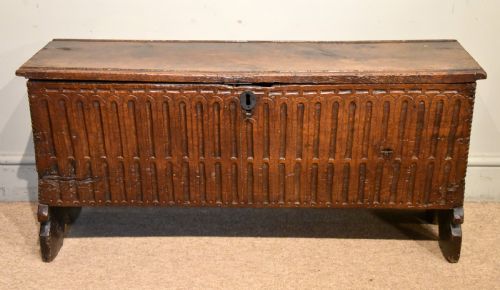


Six Plank Blanket Box
A six plank blanket box is a primitive storage chest made from individual boards, offering rustic character and enduring utility for modern homes.
Six Plank Blanket Box
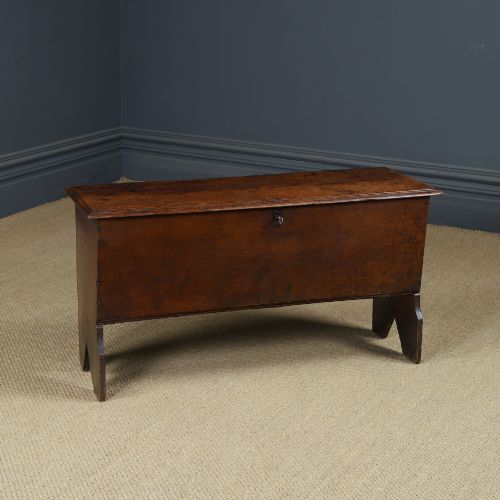
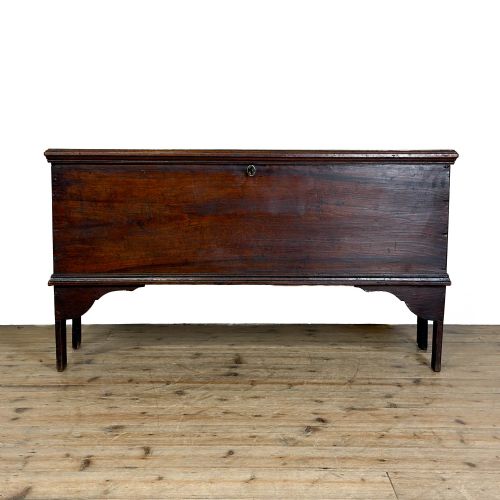
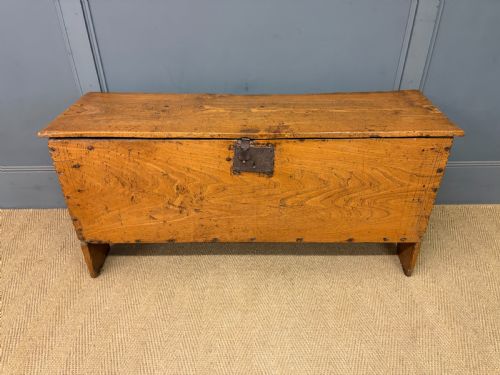
When you search for a six plank blanket box, you are looking at one of the earliest and simplest forms of vernacular storage furniture. These pieces utilise six main boards joined directly at the edges to form a rectangular box.
The versions you are most likely to meet on this page date from the sixteenth century through to the eighteenth century, alongside later vernacular revivals. Oak and elm are the primary timbers encountered in these regional pieces.
Makers constructed these chests for domestic storage, often placing them at the foot of beds or beside hearths. Their straightforward construction reflects the utilitarian requirements of early homes before fitted closets existed.
Construction and materials
Carpenters built these boxes using thick boards of native timber, predominantly oak and elm, joined at the corners with pegged joints or simple butt joints secured by early iron hardware. Wrought iron strap hinges and lock plates reinforce the lids and front panels.
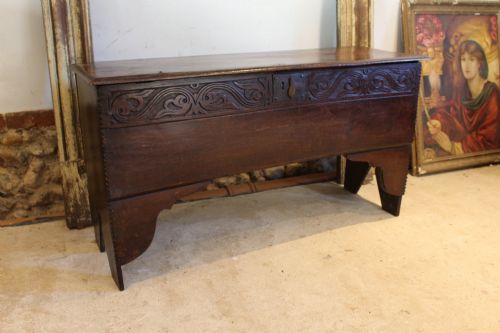
Surface decoration on these utilitarian chests is typically minimal, though certain examples feature carved fluting, incised geometric patterns, or inlaid wood details. The timber was left unpolished, developing a deep natural patina through centuries of handling and beeswax.
Six Plank Blanket Box Retail Price Guide 2026
Typical asking prices for six plank blanket box among the pieces listed under this phrase on Sellingantiques today, from the lower quarter to the upper quarter. They describe what is for sale here now, not the wider market.
Some early lids still bear the distinct scorch marks left by careless candle placement during long winter evenings centuries ago.
Assessing quality and character
Quality in these early chests lies in the proportion of the boards, the thickness of the surviving timber, and the originality of the ironwork. Pieces retaining their original floorboards, hinges, and unclipped feet hold greater historical integrity.
Jack Grimble
The Six Plank Blanket Box Glossary
- Six plank
- A chest constructed from six principal boards forming the front, back, ends, lid, and bottom. This method represents the earliest form of box construction.
- Coffer
- A traditional term for a strong chest used for storing valuables, linens, or documents. They frequently feature heavy iron lock plates.
- Vernacular
- Furniture made by local craftsmen for everyday use, utilising regional materials and traditional local styles rather than high-court fashions.
- Pollard oak
- Timber harvested from trees that have been pollarded, producing a dense wood with highly decorative growth patterns and swirling grain figures.
Six Plank Blanket Box: Frequently Asked Questions
How old is my six plank blanket box?
Dating relies on examining the timber species, nail types, and the method used to join the corner boards. Early examples often display hand-split boards and archaic ironwork.
Later vernacular revivals from the nineteenth and twentieth centuries copy these earlier forms but use modern sawn timber and standardised fixings.
Were these chests used for blankets?
These robust boxes served multiple domestic purposes, including the storage of woollen blankets, winter garments, and valuable household linens. Keeping textiles in covered wooden chests protected them from moths and dust.
They also functioned as seating benches or tables when space was limited in modest dwellings.
How do I care for antique oak furniture?
Protect the timber by placing the box away from direct heat sources and strong sunlight, which can dry out the wood and cause splitting. Feeding the surface occasionally with traditional beeswax preserves the natural finish.
Avoid using modern liquid polishes or silicone sprays, as these substances damage the historic patina.
What is the difference between a coffer and a chest?
Historically, a coffer denoted a secure container fitted with a heavy lock for storing valuables and currency. A chest was generally a simpler receptacle used for general storage.
Over time, the terms became largely interchangeable in descriptions of early vernacular furniture.