
Single Door Walnut Cabinets
Single door walnut cabinets bring rich timber grain and compact display space into a room, offering both practical storage and period character.
Single Door Walnut Cabinets
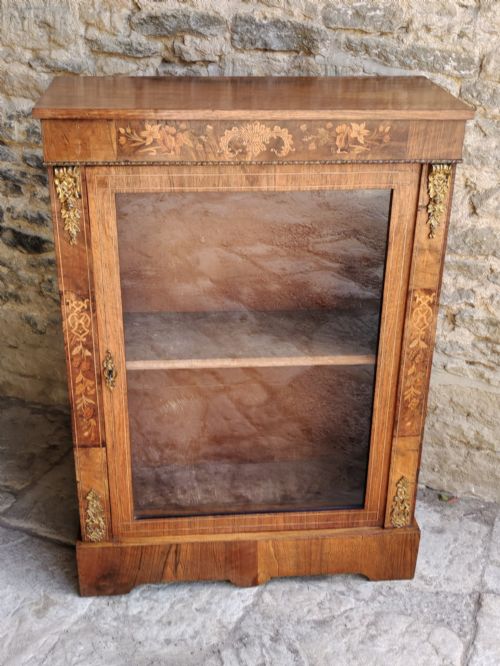
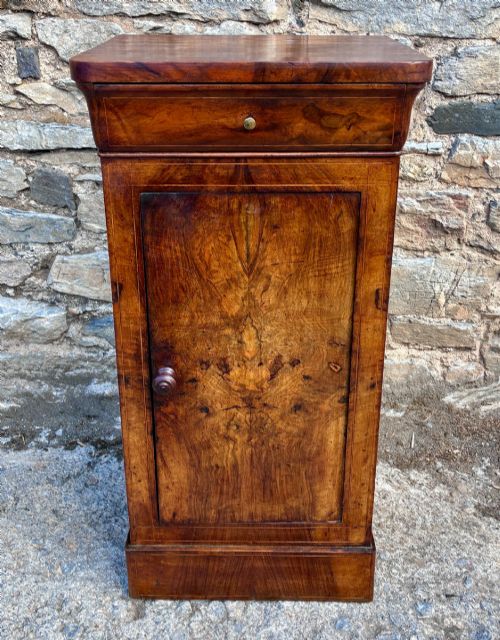
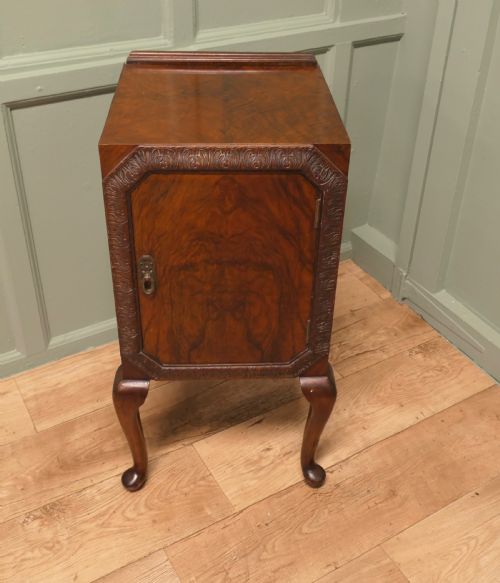
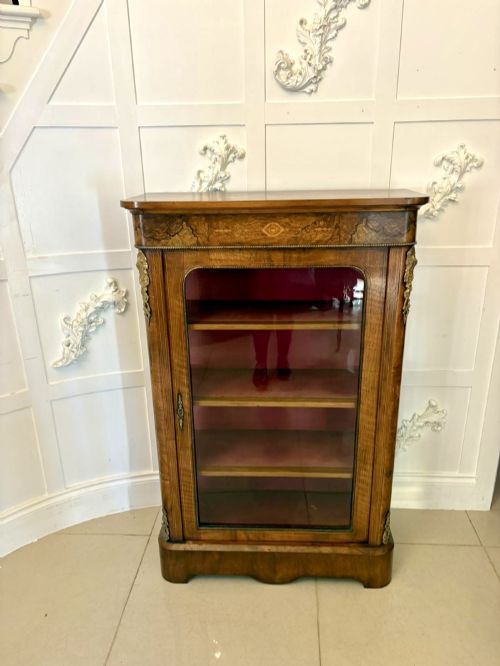
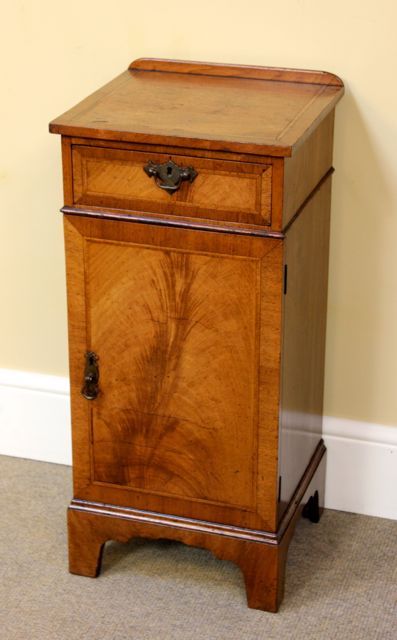
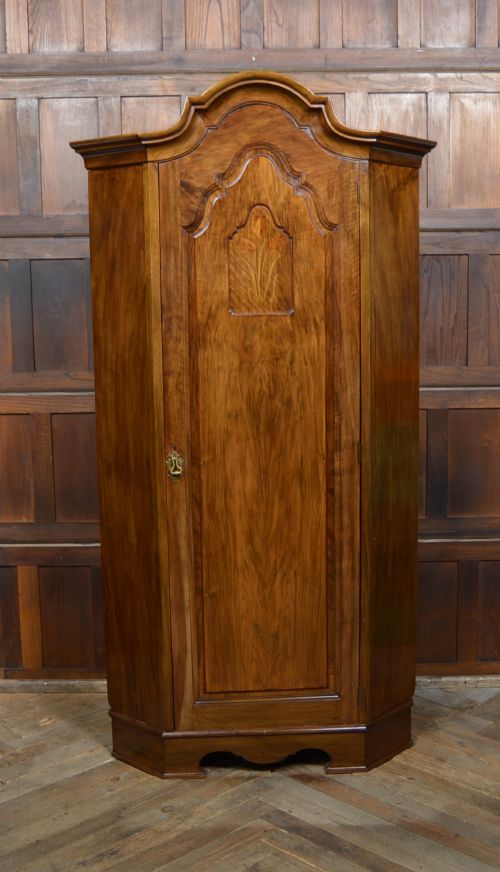
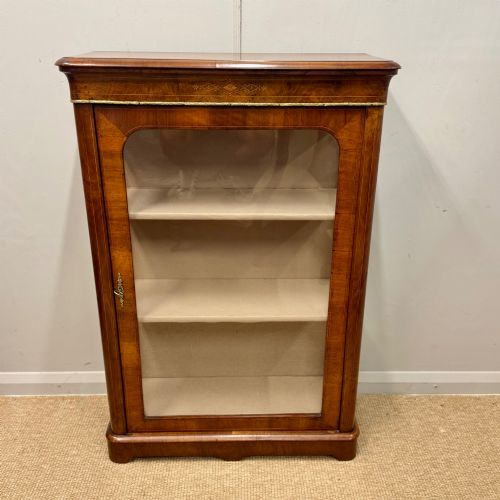
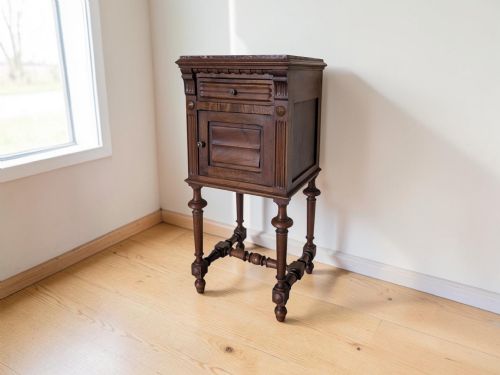
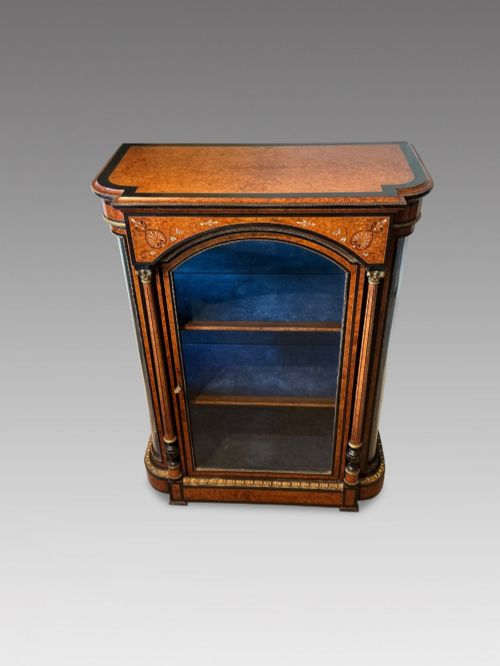
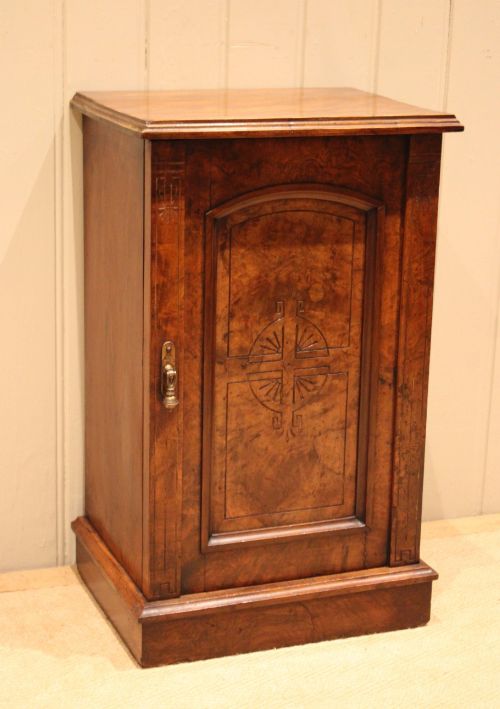
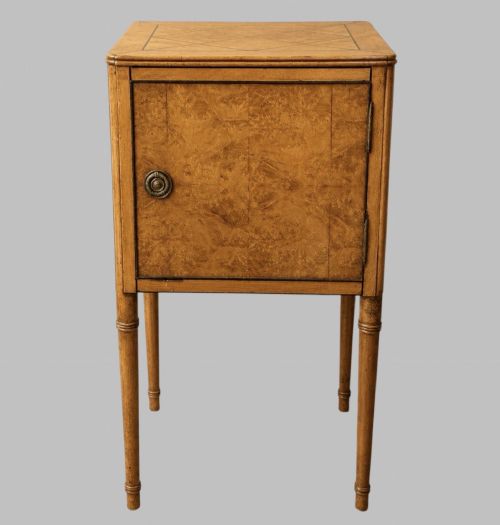
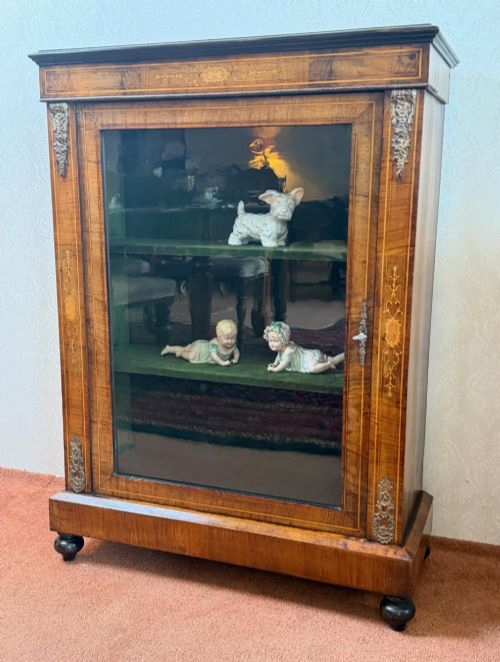
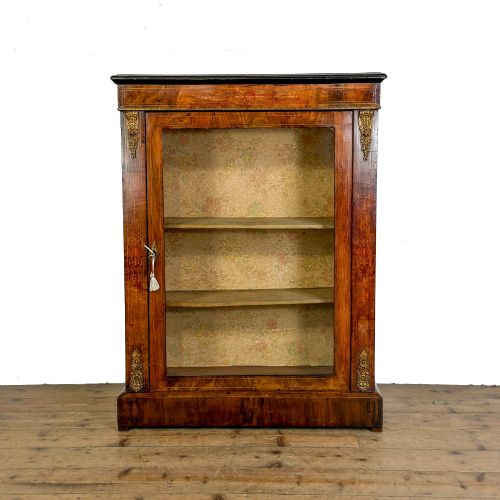
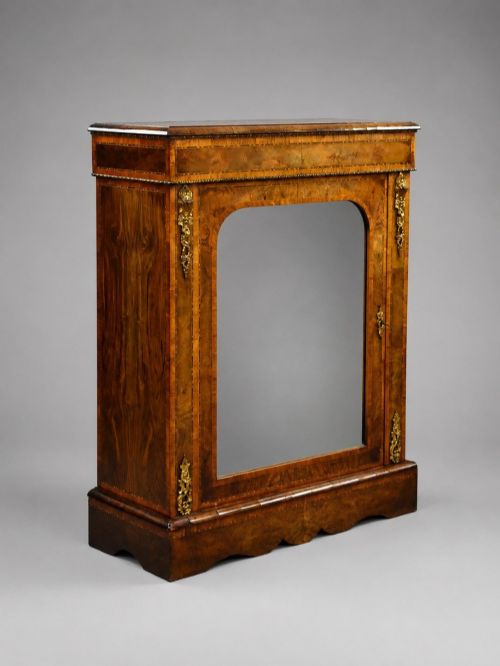
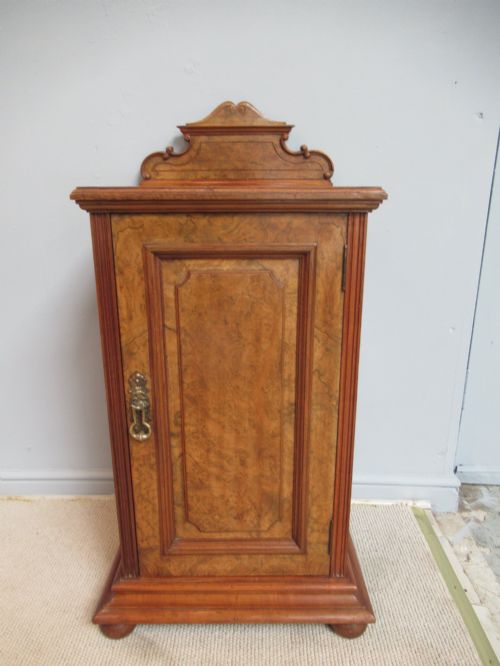
When you search for single door walnut cabinets, you encounter a focused selection of compact storage and display furniture spanning several centuries. The pieces on this page are predominantly pier cabinets and bedside cabinets from the Victorian and Edwardian eras, alongside earlier Georgian and Regency examples.
You meet pier cabinets designed for narrow wall spaces featuring glass doors for display, as well as bedside cabinets with single cupboards for practical utility. The forms range from upright Victorian display pieces to low bedside cupboards and corner cupboards.
The selection draws on periods from the eighteenth century through to the early twentieth century, with nineteenth-century Victorian pieces forming the core of the current offerings. French and Italian regional variations also appear alongside traditional English designs.
How they were made
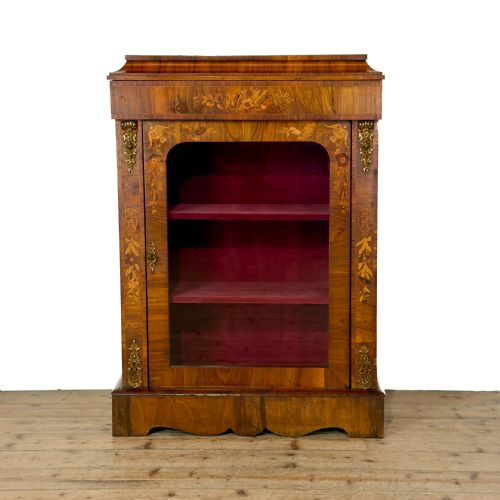
Cabinet makers utilised solid walnut and figured burr walnut veneers applied over secondary timbers to create rich patterned surfaces on these single door walnut cabinets. Marquetry inlay using boxwood and other contrasting timbers frequently decorates the door panels and friezes.
Glazed doors utilise clear glass set into timber frames to protect displayed items, while hardware elements incorporate cast brass and ormolu mounts. Marble tops appear on selected nineteenth-century examples to provide durable working or display surfaces.
Internal configurations rely on adjustable timber shelving within the cupboards, sometimes supplemented by velvet linings in display sections. Construction techniques span traditional dovetailing for drawers and mortise and tenon joints for the main carcases.
One lonely eighteenth-century Italian Tuscan pedestal cupboard stands ready to guard your most secretive small belongings.
What varies in quality
The choice and matching of veneer figures separates standard utility pieces from exceptional items, particularly in the handling of burr walnut on primary display surfaces. Finer examples display symmetrical grain patterns that flow across the single door front.
The intricacy and precision of marquetry inlay dictate the standard of execution, with sharp boxwood details showing superior workshop skill compared to simpler linear banding. High-quality mounts in brass and ormolu fit flush and retain crisp chasing.
Structural integrity and the retention of original glass, hardware, and interior fittings define the desirability of individual pieces. Cabinets retaining their original marble tops and fitted velvet interiors represent the upper tier of the range.
Walter Carter Harrods·Druce & Co
The Single Door Walnut Cabinets Glossary
- Pier cabinet
- A narrow display cabinet designed to fit the wall space between windows. These upright pieces typically feature a single glazed door and date largely from the Victorian period.
- Burr walnut
- A specialised timber veneer harvested from walnut tree growths that produces highly figured, swirling grain patterns. Cabinet makers prized this material for decorative door panels.
- Marquetry
- The art of creating decorative patterns on furniture surfaces by fitting together small pieces of coloured wood veneers. Boxwood is frequently used for these contrasting inlays.
- Ormolu
- Gilded bronze ornamentation applied to furniture as mounts and feet. This decorative technique appears on select nineteenth-century pieces.
- Compactum
- A multi-functional wardrobe or storage cabinet designed to maximise internal capacity within a modest footprint. These pieces often combine hanging space with shelving behind a single door.
Single Door Walnut Cabinets: Frequently Asked Questions
Where should I place a pier cabinet?
Pier cabinets work best against narrow wall spaces or between windows where larger furniture will not fit. Their compact footprint makes them ideal for displaying collections without dominating a room.
Ensure the single door has adequate clearance to swing open fully for access to the interior shelves.
How do I care for walnut veneer?
Keep walnut furniture away from direct sunlight and strong heat sources to prevent the timber veneers from drying out or fading. Dust gently with a dry cloth and avoid silicone-based polishes.
Wax can be applied sparingly to nourish the wood and maintain the natural sheen of the polished surface.
What is the difference between a pier cabinet and a bedside cabinet?
Pier cabinets are taller display pieces originally intended for formal reception rooms, usually featuring glazed doors for showing off ceramics or ornaments. Bedside cabinets are lower, more utilitarian cupboards designed for the bedroom.
While both share a single door format, their proportions and internal layouts reflect their distinct historical uses.
How do I identify a Victorian walnut cabinet?
Victorian walnut cabinets often display rich burr veneers, boxwood marquetry inlay, and glazed doors framed by carved mouldings. Construction details typically include hand-cut dovetails and traditional timber framing.
Examining the secondary woods and interior fixings helps confirm the nineteenth-century date of manufacture.