
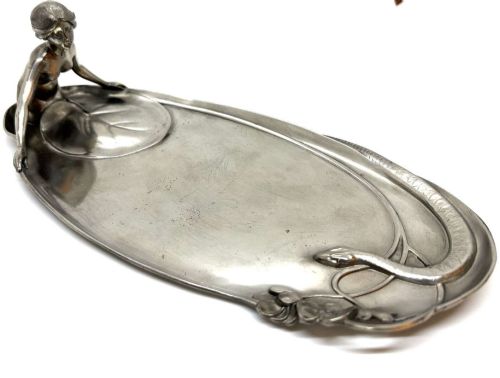
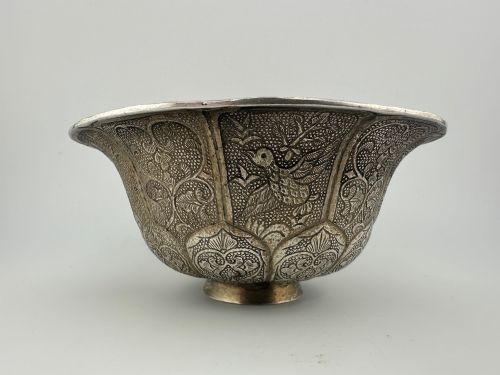
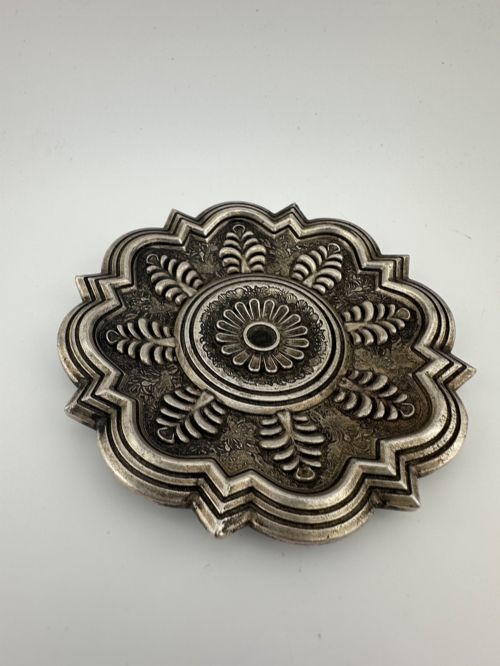
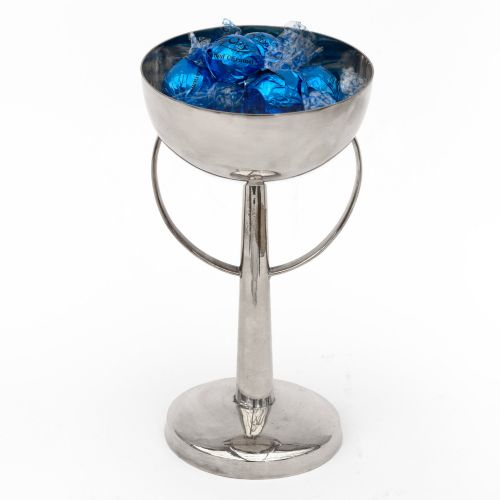




Silvered Metal Dish
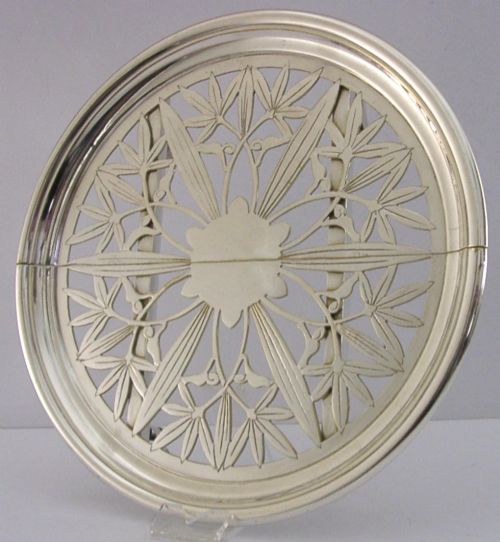
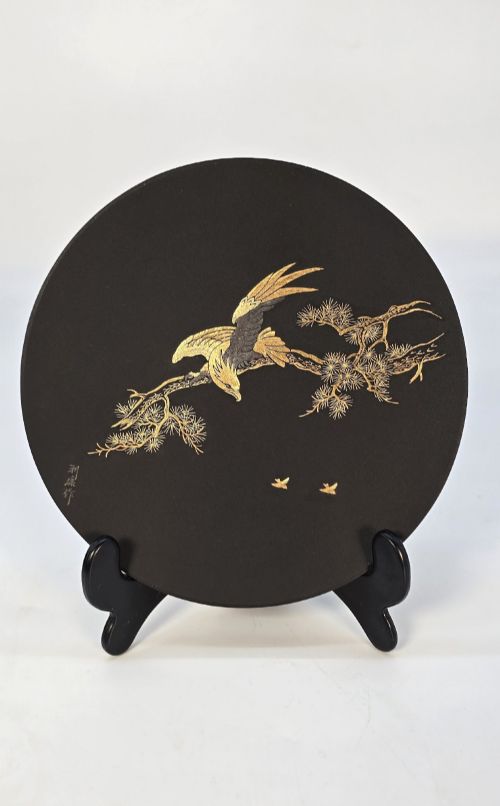
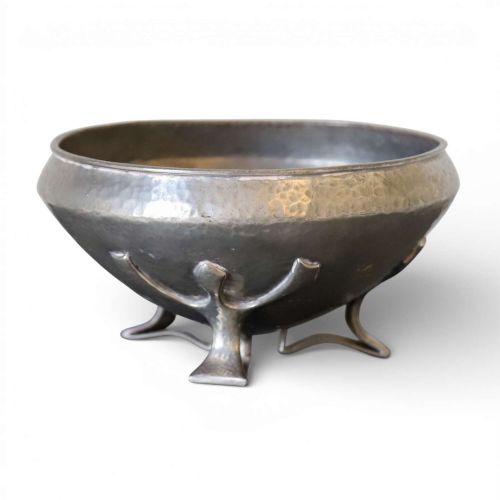
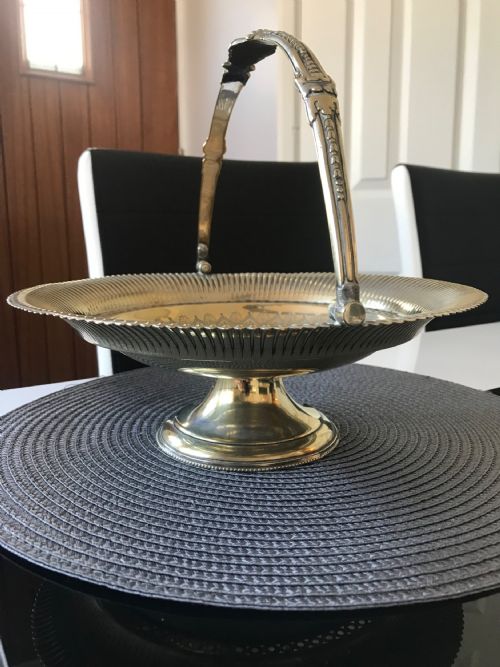
A silvered metal dish brings a subtle, reflective gleam to a table, uniting utilitarian function with decorative flair across centuries of craftsmanship.
Silvered Metal Dish
A silvered metal dish encompasses a wide range of forms designed for serving, display, and table organisation. When searching for a silvered metal dish, buyers encounter everything from modest twentieth-century bonbon containers to elaborate nineteenth-century centrepieces.
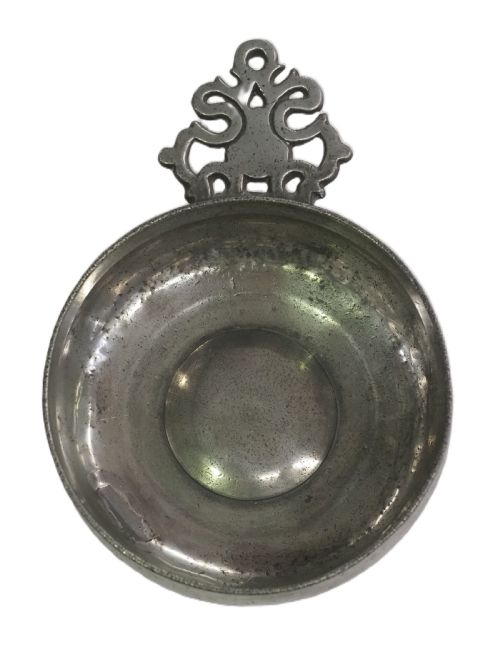
The selection on this page draws heavily from distinct periods, spanning early pewter porringers from the seventeen hundreds through to sleek Art Deco serving pieces and fluid Art Nouveau vessels. These objects bridge the gap between practical dining accessories and standalone decorative art.
Originating from diverse workshops across Europe and Asia, these vessels appear in various guises such as fruit baskets, tazas, and card trays. The common thread is a metallic surface treated, plated, or alloyed to capture and reflect light.
Materials and construction methods
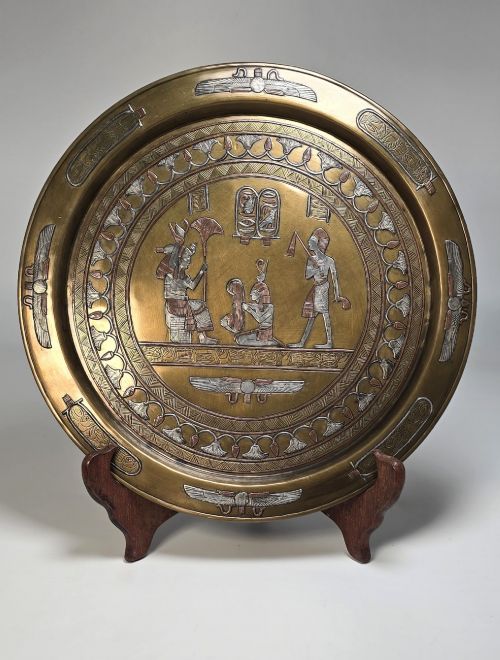
Makers utilised a variety of base metals including pewter, copper, brass, Britannia metal, and white metal, often enhancing them through silver plating or intricate metal inlay. Artisans shaped these materials using techniques such as hammering, casting, and patination to achieve tactile depth and varied surface textures.
In many instances, glass inserts or contrasting metal highlights complement the primary structure, as seen in pieces combining ruby glass with plated mounts. The interplay between the underlying alloy and the surface finish defines the characteristic sheen of each item.
Listings feature items spanning from the seventeen hundreds through to the nineteen thirties, encompassing pewter, silver plate, and inlaid copper.
Factors of distinction
The distinction between ordinary and exceptional examples rests upon the crispness of the casting, the harmony of the design, and the integrity of the surface finish. Works bearing the marks of prominent makers demonstrate superior control over form and proportion.
Hand-finishing details, such as beaten surfaces or precise silver inlay work, elevate an object from a standard utility item to a refined decorative statement. The survival of original plating or patination without undue degradation marks the more desirable specimens.
Liberty & Co·Oliver Baker·Christofle·Brille
The Silvered Metal Dish Glossary
- Silver Plate
- A thin layer of silver bonded to a base metal core such as copper or Britannia metal. This technique allowed manufacturers to produce accessible tableware with the appearance of solid silver.
- Pewter
- A malleable alloy traditionally composed of tin alloyed with copper and antimony. It forms the foundation for many early domestic vessels and decorative plates.
- Taza
- A stemmed shallow cup or pedestal dish used historically for serving small portions of food or fruit. These elevated forms add vertical interest to a table setting.
- Patination
- The natural or induced oxidation on the surface of metals over time. A desirable patination adds depth and character to copper, bronze, and pewter pieces.
- Porringer
- A small, shallow vessel with one or two flat horizontal handles, used originally for porridges and broths. Surviving early examples are prized by domestic utensil collectors.
Silvered Metal Dish: Frequently Asked Questions
What are silvered metal dishes made from?
These pieces utilise various base materials including pewter, copper, brass, and Britannia metal, frequently enhanced with silver plating or white metal alloys.
Surface treatments such as applied patination or mixed metal inlay further diversify the physical composition of these decorative objects.
How do I date an antique dish?
Dating relies on stylistic markers such as the flowing organic lines of Art Nouveau or the geometric symmetry of Art Deco.
Maker marks, where present, alongside manufacturing techniques like hand-beating versus industrial casting, provide further chronological clues.
How were these dishes used historically?
They served multiple domestic roles, functioning as receptacles for fruit, bread, card collections, or small sweetmeats during formal gatherings.
Larger variants acted as centrepieces or wall plates, combining utility with decorative display in grand interiors.
How do I care for plated metal?
Maintenance requires gentle dusting and occasional cleaning with non-abrasive cloths suited to plated or patinated surfaces.
Avoiding harsh chemical dips preserves the underlying plating and the subtle character of the aged metal.