



Silvered Metal Dancer
These silvered metal dancer figures capture dynamic Art Deco movement, offering collectors striking metallic finishes and expressive twentieth-century styling.
Silvered Metal Dancer
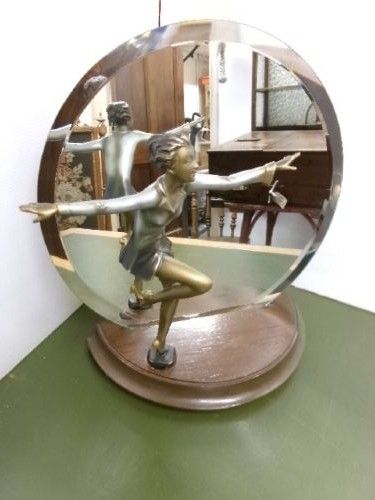
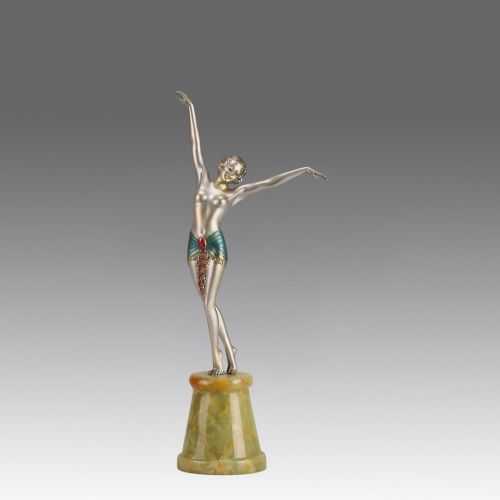
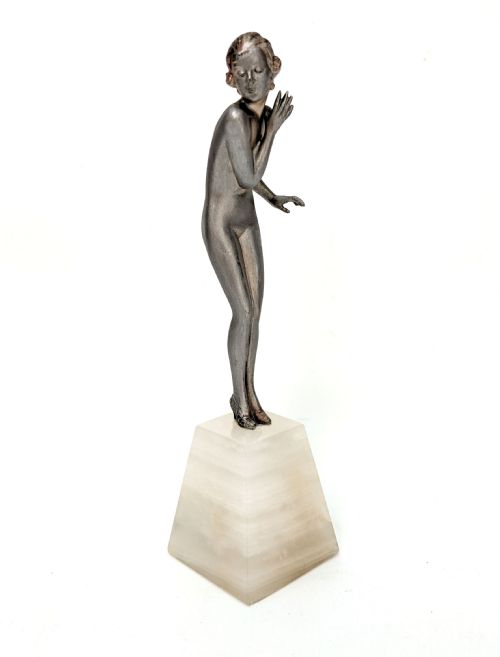
A silvered metal dancer is a figurative sculpture or statuette typically created during the Art Deco period of the nineteen twenties and nineteen thirties. These pieces portray female figures in motion, often mounted on bases of marble or onyx.
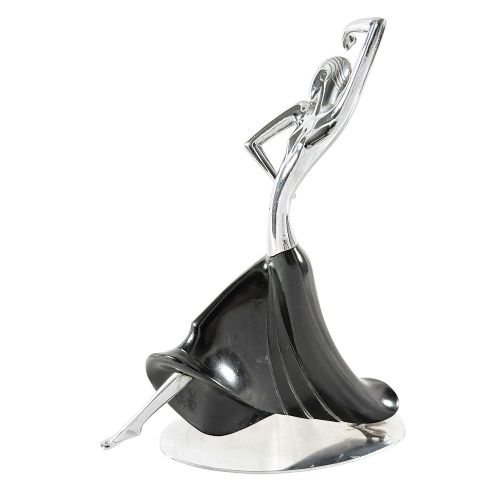
The versions most commonly found here combine cast spelter or bronze with silvered, chrome-plated, or cold-painted finishes. They capture dancers, performers, and mythological figures such as the Bacchic dancer.
Makers working in this genre ranged from prominent artists producing signed bronzes to commercial foundries casting spelter figures. The overarching style reflects the energetic dance culture of the early twentieth century.
How they were made
Many of these sculptures incorporate natural stone bases, utilising contrasting materials like marble and onyx to provide stability and visual weight. Wooden elements also appear occasionally in the mounts.
Trouser-wearing dancers and Egyptian-themed performers bring theatrical flair directly to the mantelpiece.
What varies in quality
Quality in a silvered metal dancer rests on the crispness of the casting and the fidelity of the chased surface detail. Fine works retain delicate facial expressions and intricate drapery, whereas commercial foundry pieces often exhibit softer lines.
The choice of base material and the preservation of the original silvered, plated, or cold-painted surface dictate the overall desirability of the piece. Genuine bronze sculptures by noted artists command greater attention than mass-produced spelter alternatives.
Pierre le Faguays·Josef Lorenzl·Claire Colinet·Hagenauer
The Silvered Metal Dancer Glossary
- Spelter
- A zinc alloy commonly utilised as a less expensive alternative to bronze for twentieth-century decorative figures. It accepts metallic finishes well but is softer than bronze.
- Cold-painted
- A method of applying non-fired paint to metal surfaces after casting. This technique added colour to garments and hair on bronze and spelter figures.
- Art Deco
- The dominant design style of the nineteen twenties and nineteen thirties characterised by streamlined forms and dynamic movement. Figures from this era often celebrate modern dance and athleticism.
- Chrome plate
- An electroplated coating of chromium applied to base metals to provide a hard, reflective silver-coloured finish. It was frequently used on twentieth-century sculptural works.
Silvered Metal Dancer: Frequently Asked Questions
What metals are these figures made from?
These sculptures are primarily cast from bronze or spelter, with some examples utilising chrome-plated or painted base metals. The choice of metal generally indicates the tier of production.
Surface treatments such as silver plating and cold painting were frequently applied over the base metal to enhance the visual appeal of the dancer's costume.
How do I identify an Art Deco dancer?
Art Deco dancers are characterised by stylised bodily forms, energetic poses, and modern costume designs that reflect the aesthetic of the nineteen twenties and thirties. They frequently incorporate geometric lines and rhythmic movement.
Many of these figures stand on contrasting marble or onyx bases, which serve as a hallmark of the period's decorative sculpture.
Are these figures signed by artists?
Certain pieces bear the cast signature of prominent twentieth-century sculptors on the metal body or the stone base. Signed works by established artists are well documented in the field.
Unsigned examples were produced by commercial foundries and workshops, offering similar stylistic appeal without the artist attribution.
How should I display a metal dancer?
These figures require a stable surface away from direct sunlight and excessive moisture to protect the metal finishes and painted details. Placing them on a sturdy shelf or cabinet allows the multi-angular poses to be viewed clearly.
Care should be taken to support both the stone base and the metal figure if relocation is necessary.