


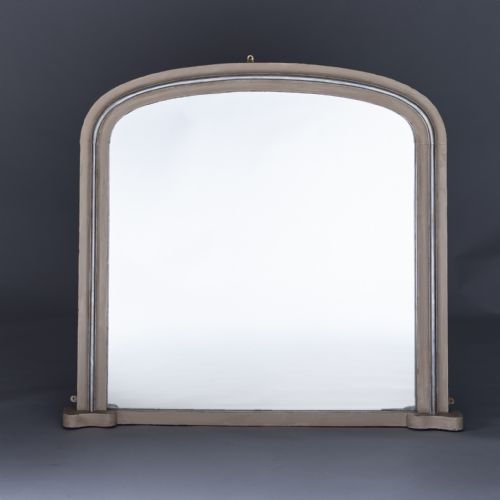

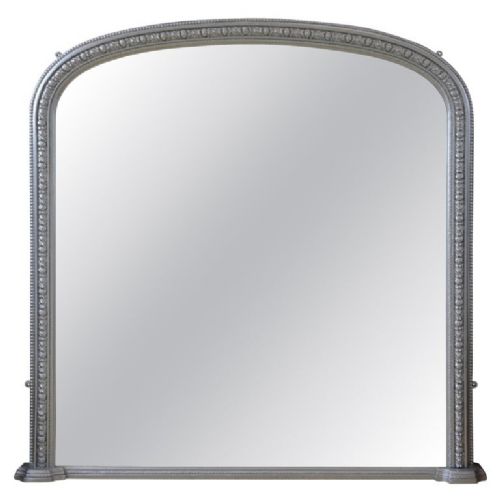


Silvered Mantel Mirror
A silvered mantel mirror brings immediate depth and light to a room, catching the eye through aged glass and metallic leaf.
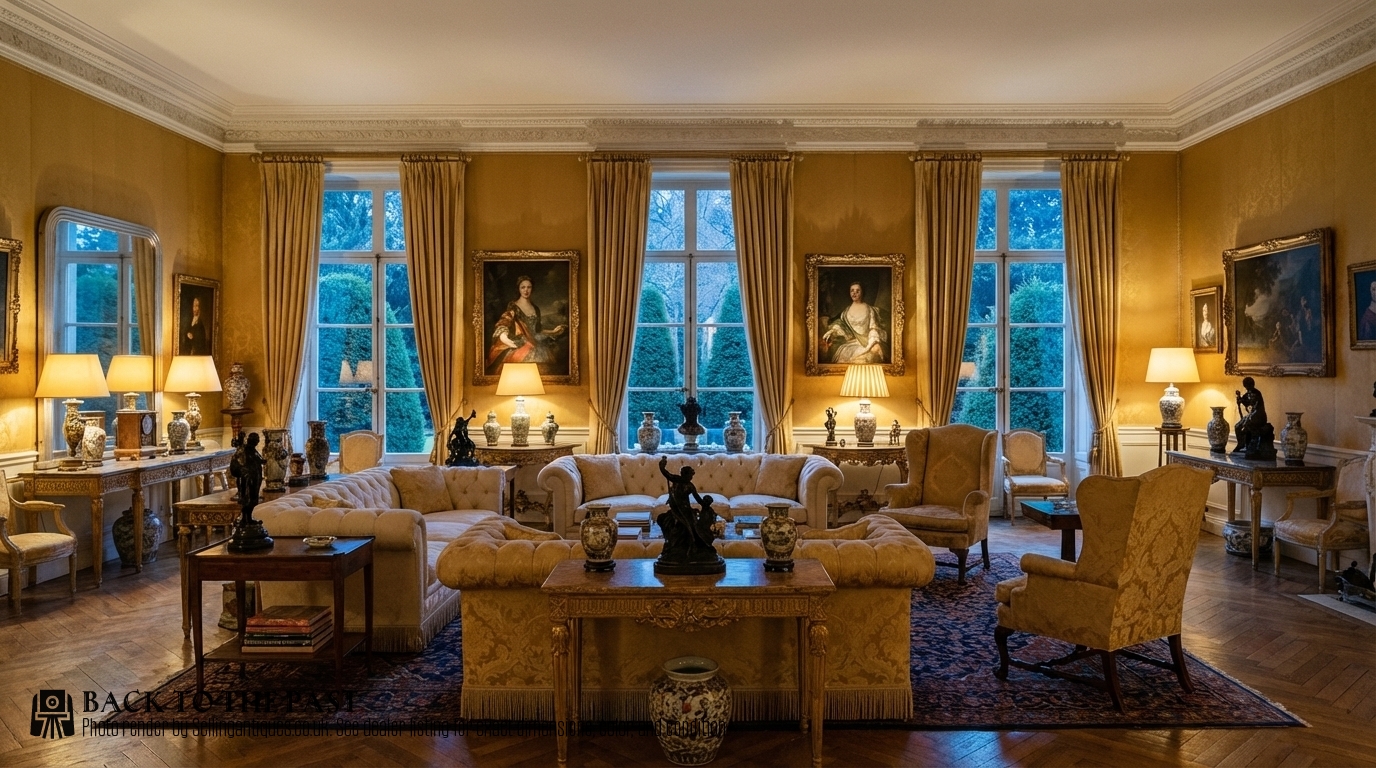
Silvered Mantel Mirror
When you search for a silvered mantel mirror, you are looking at large decorative plates designed to sit above a fireplace, often stretching horizontally to command the chimney breast. The pieces you meet most often on this page date from the nineteenth century, taking the form of substantial Victorian and French architectural overmantels.
Makers shaped these objects to anchor a reception room, frequently employing arched tops, shaped crests, and parcel-silvered finishes that combine silver leaf with exposed wood or gesso. Alongside grand overmantels, you also encounter circular and modernist Art Deco variants from around nineteen thirty, together with occasional mirrored mantel clocks.
The selection ranges from simple, clean-lined nineteenth-century designs to ornate Rococo Revival and Louis Philippe interpretations. These mirrors served a dual purpose in historic interiors, reflecting candle or firelight while creating an illusion of expanded space.
Materials and construction methods
Carved wood and gesso form the foundational carcass for the majority of these frames, providing a stable bed for the application of metallic leaf. Artisans laid down silver leaf or silver gilt onto the prepared surface, sometimes combining it with black ebonisation or painted details to accentuate the carved profiles.
The glazing consists of heavy mirror glass held within rebated frames, often retaining original silvered plates that show characteristic oxidation and speckling over time. Structural joinery relies on traditional framing techniques to support the considerable weight of large nineteenth-century wall and overmantel mirrors.
Silvered Mantel Mirror Retail Price Guide 2026
Typical asking prices for silvered mantel mirror among the pieces listed under this phrase on Sellingantiques today, from the lower quarter to the upper quarter. They describe what is for sale here now, not the wider market.
Materials recorded across these pieces include carved wood, gesso, silver leaf, gold leaf, chrome, and heavy mirror glass.
Distinctions in craftsmanship
The division between standard and superior pieces rests in the crispness of the carved wood and the depth of the gesso ornament beneath the silver leaf. Finer examples display hand-modelled relief work where the contours remain sharp and deliberate rather than softened by heavy overpainting.
Proportion and architectural harmony also dictate quality, separating mass-produced nineteenth-century items from master-carved French and English commissions. The preservation of the original silvered mirror plate adds a layer of authenticity that elevates a piece above those with modern glass replacements.
The Silvered Mantel Mirror Glossary
- Overmantel mirror
- A large mirror specifically proportioned to hang on the wall directly above a mantelpiece or fireplace. These frames often feature horizontal formats to match the width of the hearth below.
- Silver gilt
- A surface treatment where thin leaves of silver are applied to an object, occasionally warmed with gold leaf or size. This technique gives the metal a complex, dual-toned metallic sheen.
- Parcel-silvered
- A finish where only selected portions of a carved wooden frame receive silver leaf, leaving the underlying wood or dark paint visible elsewhere. It creates a striking contrast that highlights specific architectural details.
- Gesso
- A plaster-like mixture applied to wood frames to create a smooth surface for gilding and carving. Traditional gesso allows artisans to achieve deep, crisp relief ornamentation.
- Louis Philippe
- A mid-nineteenth-century French style characterised by restrained classical proportions and gentle, rounded upper corners. These frames balance decorative appeal with architectural simplicity.
Silvered Mantel Mirror: Frequently Asked Questions
How do I hang a heavy overmantel mirror?
These substantial frames require professional wall fixings secured directly into masonry or substantial timber studs to bear the significant weight safely.
Position the mirror at a height that allows it to reflect light effectively while maintaining a balanced visual relationship with the fireplace opening below.
Are the mirror plates original?
Many nineteenth-century examples retain their original silvered glass, which typically exhibits characteristic foxing, light oxidation, and dark speckling.
Such ageing is normal for historic glass and serves as a key indicator of period authenticity rather than a structural defect.
How do I clean a silvered frame?
Dust the carved wood and gesso elements gently with a soft, dry brush to prevent damage to the delicate metallic leaf.
Avoid commercial chemical sprays and abrasive cloths, using only a lightly dampened cloth on the glass while keeping moisture away from the antique silvering.
How do I date a mantel mirror?
Examine the construction of the wooden backing, the weight and thickness of the glass, and the style of the carving. Nineteenth-century pieces often show hand-cut joinery and specific revival motifs like Rococo scrolls or Aesthetic Movement lines.