




Silver Vermeil Box
A silver vermeil box brings a rich golden warmth to small personal treasures, combining precious silver with a layer of gold.
Silver Vermeil Box
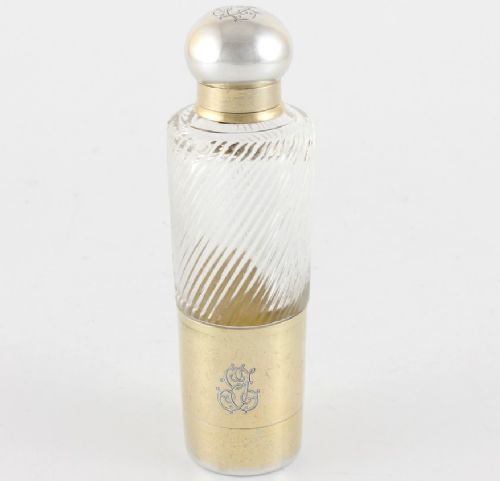
When you search for a silver vermeil box, you encounter pieces designed to hold snuff, vinaigrettes, trinkets, and vanity items. These objects date across the Georgian, Victorian, Edwardian, and twentieth-century periods, with French and English origins appearing most frequently in the listings.
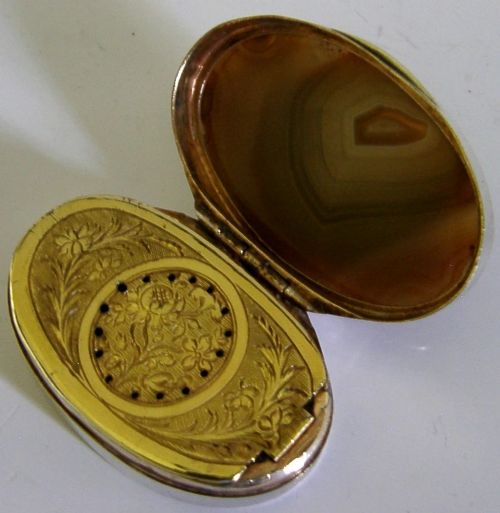
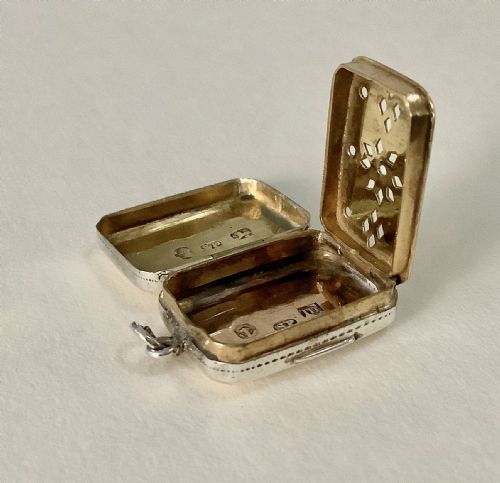
The forms span pocket-sized snuff boxes, small vinaigrettes, cylindrical etuis, card and coin purses, desk sets, and covered bowls. Among these, snuff boxes and vinaigrettes from the Georgian and nineteenth-century periods form the core of what you are likely to meet on this page.
Materials and construction
Makers utilised sterling silver and solid silver bases, often marked at standard levels such as ninety-five percent purity for French items, then applied a gold gilt or vermeil layer over the surface. Interior linings of velvet, silk, or leather appear alongside fitted glass inserts in flasks and scent bottles.
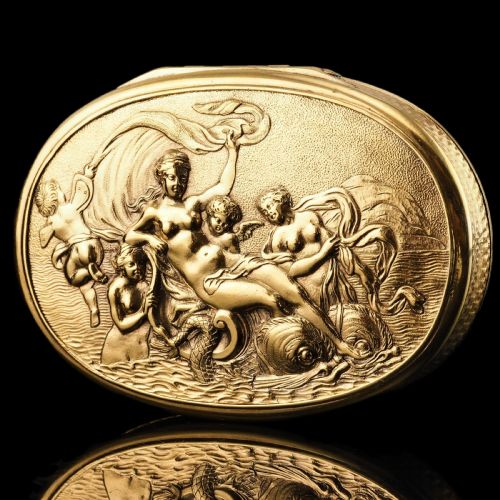
Surface decoration relies on traditional metalwork techniques, including engine-turned guilloche designs, niello work, and cast figurative scenes. Hinges, latches, and clasps are integrated directly into the metal bodies to secure the lids of snuff boxes and etuis.
Listings feature sterling silver, silver gilt, and vermeil materials across periods from Georgian to the 1930s.
Distinctions in quality
The refinement of the surface decoration determines the standing of a piece, separating simple containers from masterworks with crisp engine-turned guilloche patterns or detailed chased scenes of figures like Venus. The weight of the metal and the precision with which lids close flush against the body also separate standard items from superior examples.
The preservation of the original gold vermeil layer over the silver base dictates collector interest. Pieces that retain their rich, even gilding without excessive rubbing show greater integrity than those where the underlying silver has become exposed through extensive handling.
Marson & Jones·Pemberton·Frederic Boucheron·Tonnel Paris
The Silver Vermeil Box Glossary
- Vermeil
- Sterling silver or fine silver plated with a layer of gold. This finish provides the visual warmth of gold combined with the structural strength of silver beneath.
- Vinaigrette
- A small ornamental box featuring an internal pierced grille, designed to hold a sponge soaked in aromatic vinegar. These date primarily to the Georgian and Victorian eras.
- Guilloche
- An ornamental pattern produced by a mechanical lathe that etches precise, intricate geometric designs into the metal surface. It appears frequently on nineteenth-century French pieces.
- Etui
- A small cylindrical or shaped case designed to hold needles, tweezers, or other small implements. They often feature hinged lids and detailed exterior engraving.
- Niello
- A black metallic alloy used as an inlay on engraved silver surfaces to create high-contrast decorative designs. It is commonly found on nineteenth-century table snuff boxes.
Silver Vermeil Box: Frequently Asked Questions
How were these boxes used?
Owners carried pocket-sized snuff boxes and vinaigrettes for daily use, employing them to hold tobacco or aromatic vinegars. Larger table boxes and desk sets remained stationary in domestic interiors to store small valuables.
Specialised forms like etuis and vanity bottles served specific grooming and sewing needs. Many retain original fitted interiors lined with silk, velvet, or leather.
How do I care for silver vermeil?
Protect the thin gold layer by avoiding abrasive polishes and chemical cleaners that strip the gilding from the silver base. Gentle dusting with a soft cloth preserves the finish.
Store the boxes away from direct moisture and handle them by the edges to prevent skin oils from tarnishing the exposed metal areas.
How can I tell the period?
Examine the overall form, decorative style, and any stamped hallmarks on the metal. Georgian and Victorian pieces often display specific assay office marks and date letters.
French pieces from the nineteenth century utilise distinct silver purity marks and maker stamps that help narrow down the decade of production.