




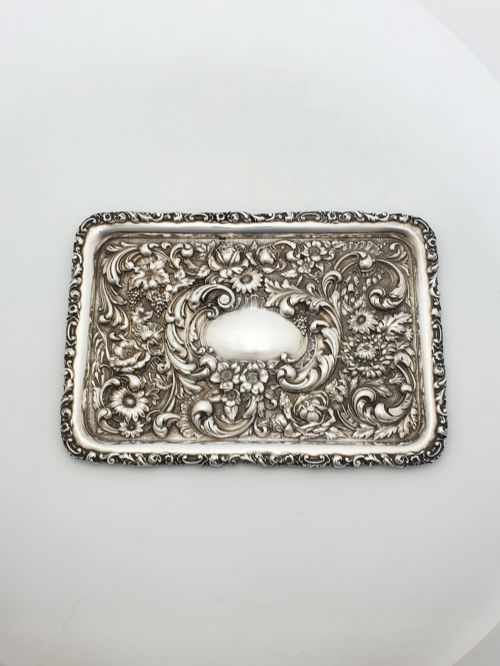
Silver Vanity Dish
A silver vanity dish sits on dressing tables to hold small trinkets, pins and rings.
Silver Vanity Dish
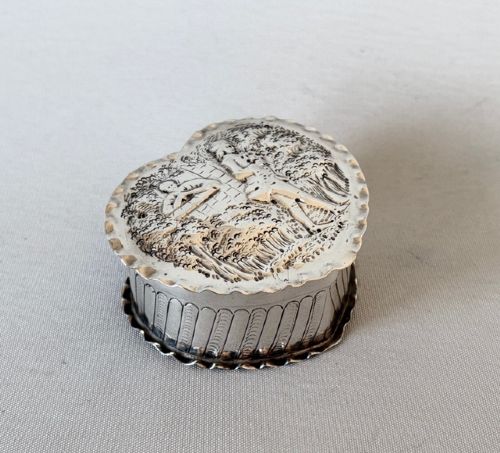
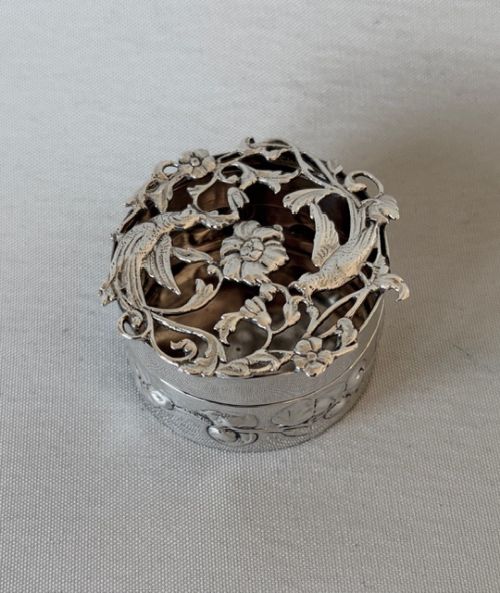
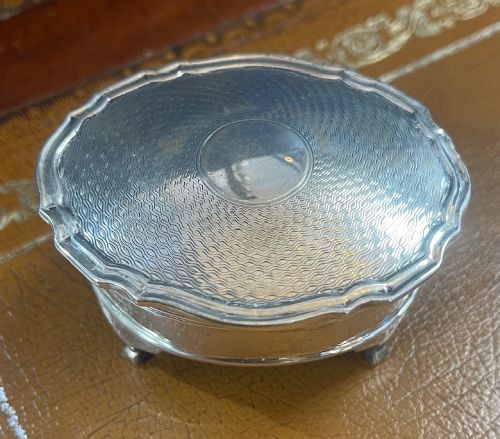
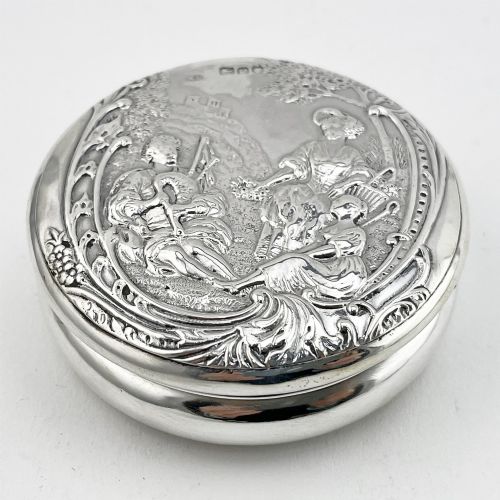
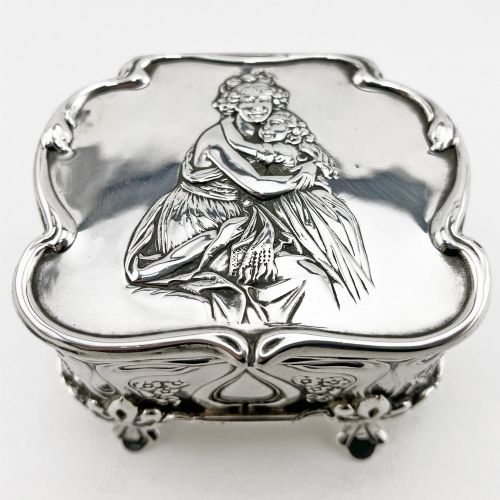
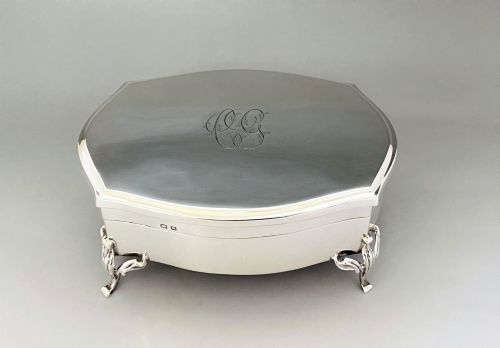
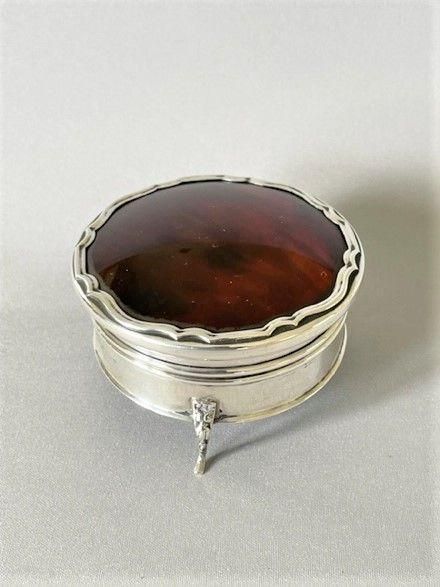
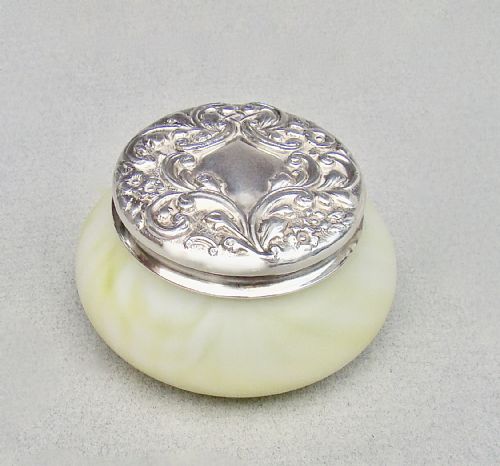
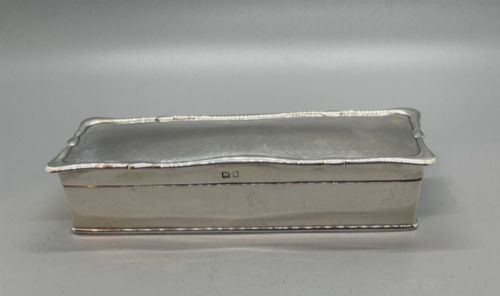
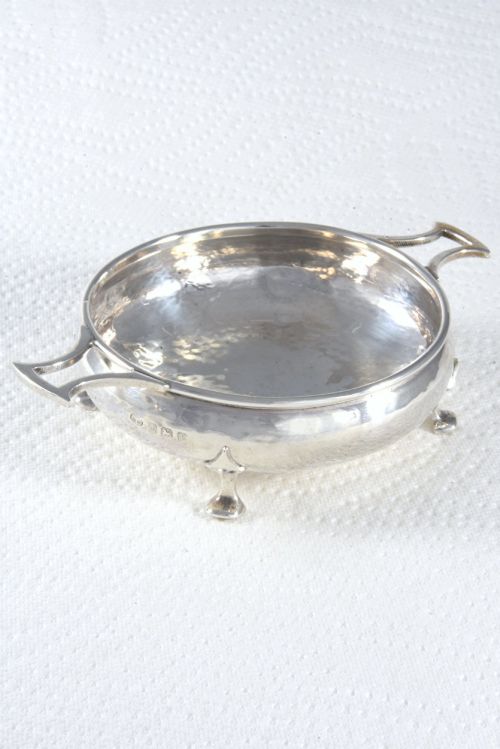
A silver vanity dish encompasses dressing table pieces designed for holding small items, appearing frequently on this page as trays, pin dishes and covered boxes.
The selections span the Victorian, Edwardian and George V periods, alongside Art Nouveau and Art Deco designs that utilise glass, enamel and tortoiseshell.
Most examples originate from early twentieth-century British makers working in sterling silver, complemented by continental and German silver pieces.
How these items were constructed
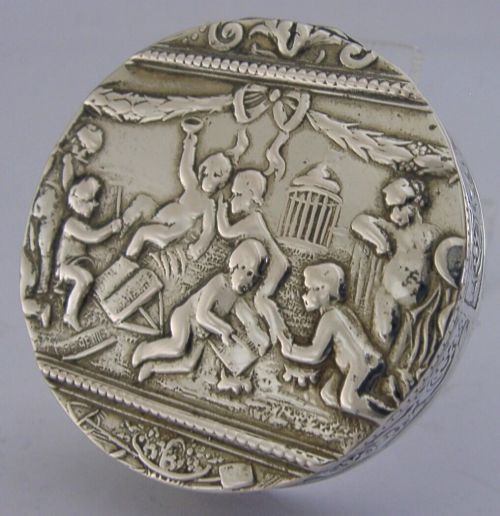
Silversmiths shaped sterling silver and solid silver through repoussé work, casting and piercing, frequently combining the metal with cut glass, satin glass or cranberry glass bodies.
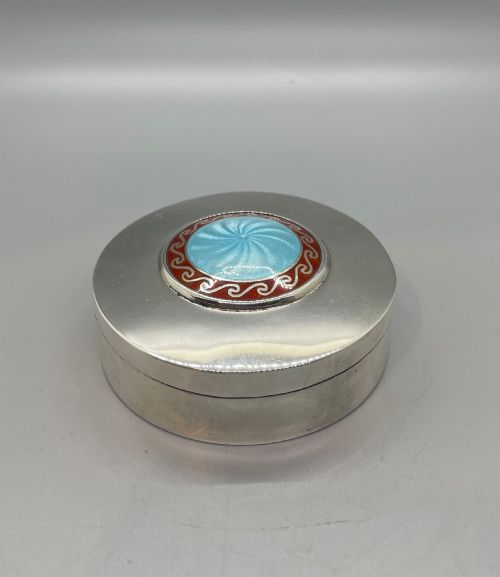
Decorative panels often incorporate guilloché enamel in blue or pink alongside inlaid tortoiseshell and gilt linings.
Silver Vanity Dish Retail Price Guide 2026
Typical asking prices for silver vanity dish among the pieces listed under this phrase on Sellingantiques today, from the lower quarter to the upper quarter. They describe what is for sale here now, not the wider market.
Object forms span lidded trinket boxes, ring trees, pin dishes, card trays and fitted jewellery boxes.
What distinguishes quality
Quality rests on the crispness of repoussé relief work, the weight of the silver and the condition of integrated glass or enamel panels.
Subtlety of form and the integration of secondary materials like tortoiseshell or crystal determine the distinction between standard dressing table accessories and finer pieces.
A. J. Pepper & Co·A. Bromet & Co·Robert Pringle & Sons·A & J Zimmerman Ltd·Posen
The Silver Vanity Dish Glossary
- Repoussé
- Metalworking technique where the silver is hammered into relief from the reverse side. This creates raised floral or figural motifs across trays and boxes.
- Guilloché
- Decorative mechanical engraving applied beneath translucent enamel. This technique produces geometric patterns visible on jar lids and dish tops.
- Sterling silver
- Alloy containing 92.5 percent pure silver by weight. British items usually bear hallmarks confirming this standard.
- Vermeil
- Silver gilt objects coated with a thin layer of gold. French and English dressing table pieces often feature this warm interior finish.
- Ring tree
- Central vertical stem mounted on a small dish or base. It holds rings securely on a dressing table.
Silver Vanity Dish: Frequently Asked Questions
What is a silver vanity dish used for?
These pieces sit upon dressing tables and sideboards to receive small daily accessories like rings, pins, trinkets and pills.
Their shallow forms and lidded compartments keep delicate personal items contained and close at hand.
How do I identify an Edwardian silver dish?
Edwardian examples typically date between 1901 and 1910, often displaying flowing floral repoussé patterns or clean neoclassical revival lines.
Assay office marks and date letters stamped into the silver confirm the exact year of manufacture.
Are these pieces made of solid silver?
The listings include both solid sterling silver and silver plated items, alongside combinations of silver mounts fitted to cut glass and enamel.
Maker marks and silver hallmarks stamped directly onto the metal clarify the composition of each piece.
How do I clean antique silver dressing table items?
Gentle dusting with a soft cloth preserves the original surface and patina of antique silver without harming delicate enamel or glass components.
Harsh chemical dips should be avoided, particularly where gilt linings, tortoiseshell or enamel inserts are present.