


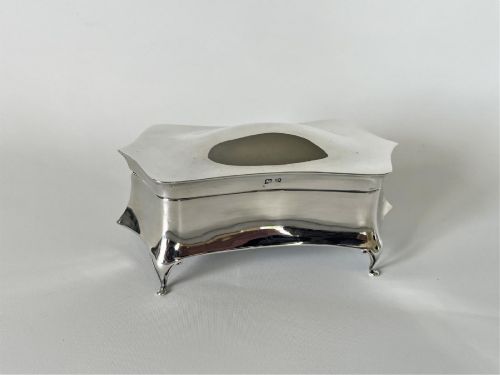
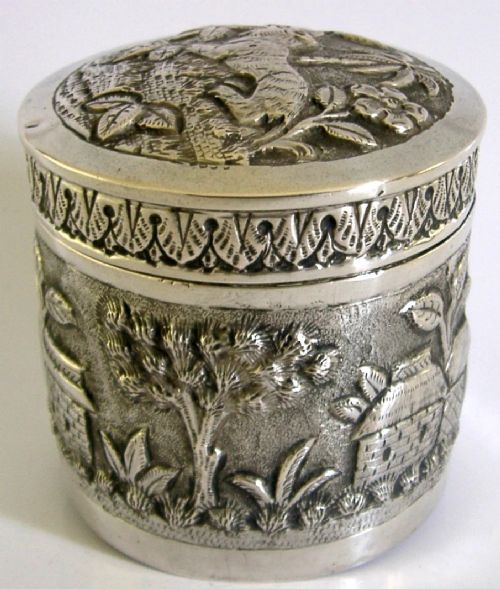
Silver Trinket Container
A silver trinket container holds small keepsakes on a dressing table and brings solid weight to everyday surfaces.
Silver Trinket Container
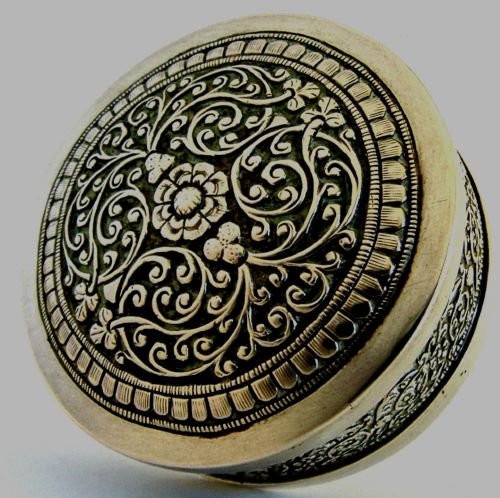
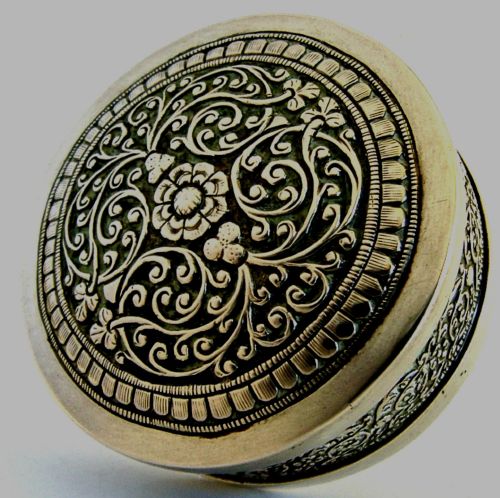
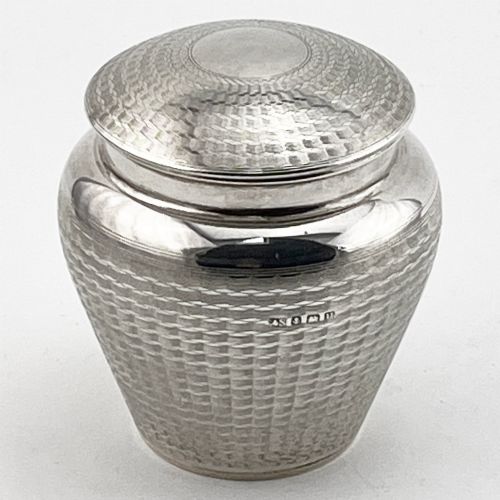
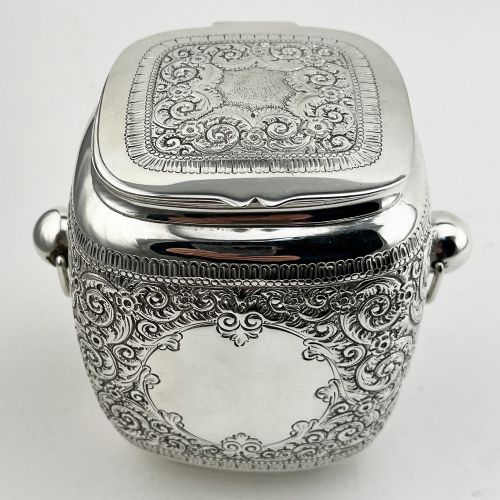
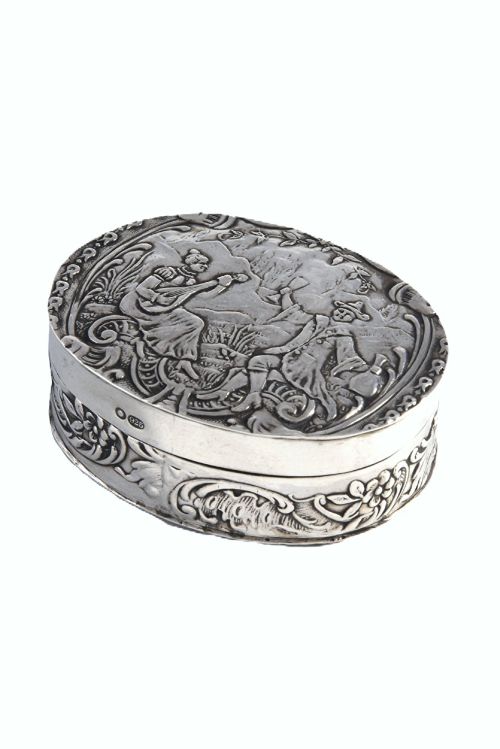
A silver trinket container encompasses small storage pieces designed for dressing tables, desks and pockets, spanning categories such as pill boxes, snuff boxes, tea caddies and vanity pots. When searching for a silver trinket container, buyers encounter items produced across the Victorian, Edwardian and Georgian periods, alongside continental European and international export pieces.
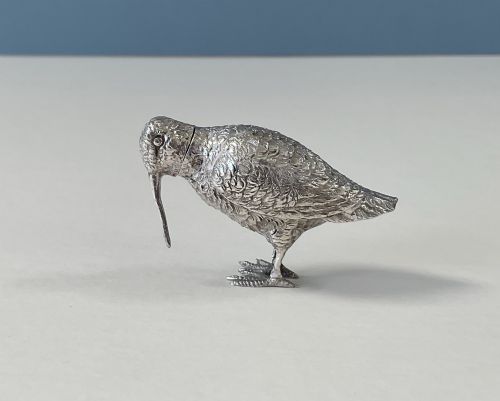
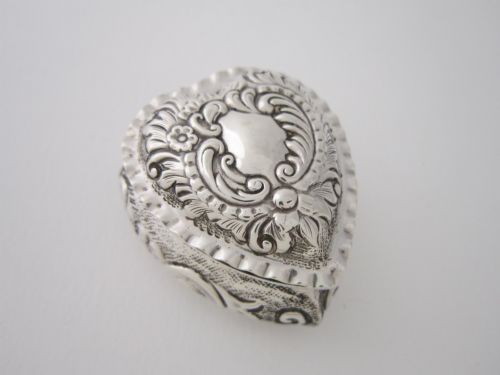
The material palette moves beyond plain metal to incorporate tortoiseshell, enamel, mother of pearl and cut glass. Forms range from simple heart-shaped receptacles to large castle-top table boxes and figural novelties.
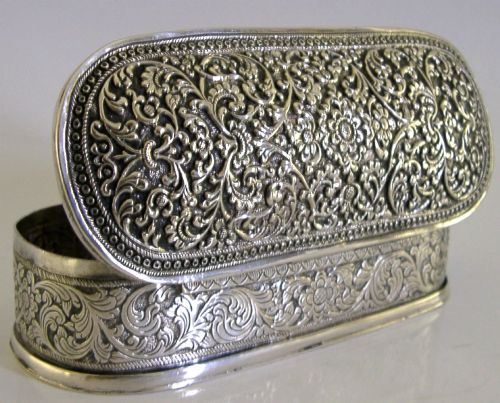
Origin points vary widely, covering English provincial assay offices like Birmingham and Chester, alongside Scottish, Danish, German, Ottoman and Indo-Chinese workshops.
Materials and Technique
Makers utilised sterling silver, solid silver and silver plate alongside organic elements such as tortoiseshell and mother of pearl. Enamel work, including guilloche variants, adds colour to lids and mounts.
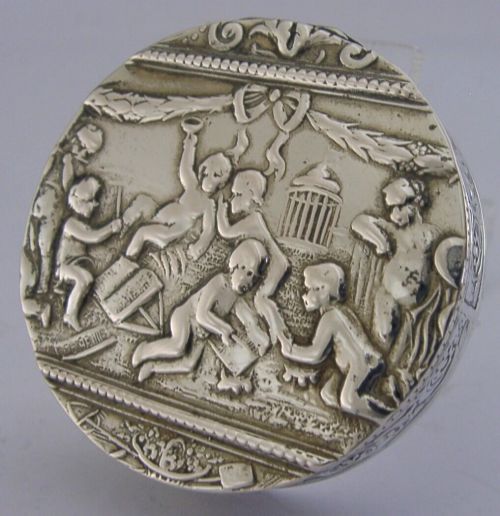
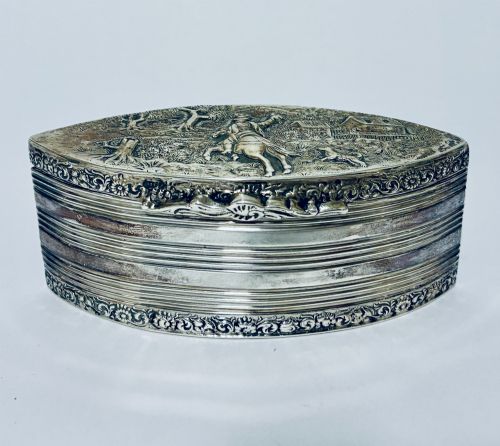
Manufacturing techniques combine traditional smithing with piercing, casting and repousse work, particularly evident in floral and figural scenes. Glass bodies receive silver collars and pierced lids, while wooden or gilt interiors line dressing table boxes.
Standards of Execution
Quality rests on the crispness of chased and pierced ornamentation, the tight closure of hinged lids, and the weight of the silver used in construction. Substantial gauge metal resists bending and maintains structural integrity over decades of handling.
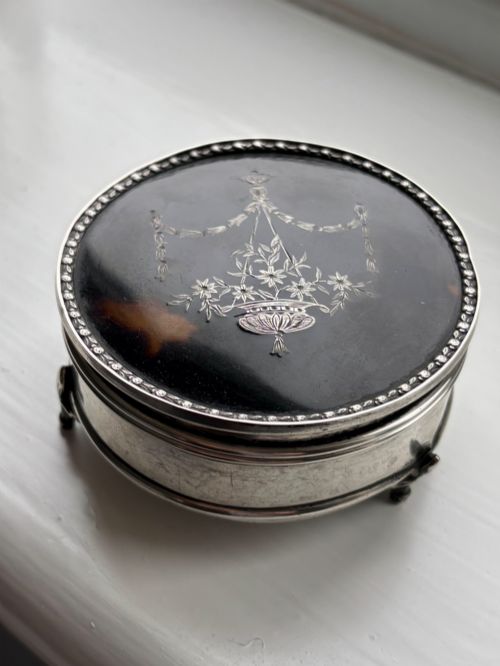
Artisanal detail distinguishes standard production from exceptional pieces, such as finely fitted interior gilt washes, intricate pique work on tortoiseshell, and hand-applied enamel layers that remain free from chipping or restoration.
Paul Storr·Martin Hall And Co·Walker And Hall·Asprey And Co·Georg Jensen
The Silver Trinket Container Glossary
- Sterling silver
- A standard of silver alloy consisting of 92.5 percent pure silver and 7.5 percent other metals, usually copper. This composition provides the necessary durability for functional boxes.
- Guilloche
- A decorative technique in which a precise, intricate pattern is mechanically engraved into a metal surface beneath translucent enamel. This method creates depth and shifting light effects.
- Assay office
- An official body that tests the purity of precious metals and stamps items with hallmarks. Towns such as Birmingham and Chester operated prominent offices.
Silver Trinket Container: Frequently Asked Questions
What were silver trinket containers originally used for?
These receptacles served practical purposes in daily routines, holding snuff, pills, tea leaves or small personal valuations. Owners kept them close at hand in pockets or displayed them on furniture.
Over time, their functions shifted from utilitarian storage to decorative display on dressing tables and desks, housing rings, cufflinks and small keepsakes.
How do I identify the date of a piece?
Assay office hallmarks stamped directly onto the metal provide reliable dating evidence for English items, indicating the exact year and location of testing. Stylistic indicators like Art Nouveau curves or Georgian proportions offer further clues.
Materials such as tortoiseshell and enamel also align with specific manufacturing decades across the nineteenth and twentieth centuries.
How should I clean silver boxes?
Routine maintenance requires a soft microfiber cloth to remove dust and surface grime without wearing down delicate chased details. Specialised silver polishes should be used sparingly.
Avoid applying liquid cleaners directly to organic inserts like tortoiseshell, mother of pearl or enamel panels, as moisture can damage these vulnerable sections.
Are these containers suitable for daily use?
Solid silver and sturdy construction allow these items to handle everyday placement and gentle retrieval of small items. Hinges and clasps generally remain robust if handled with reasonable care.
Pieces featuring delicate guilloche enamel or thin glass bodies benefit from placement in low-traffic areas to prevent accidental impact.