
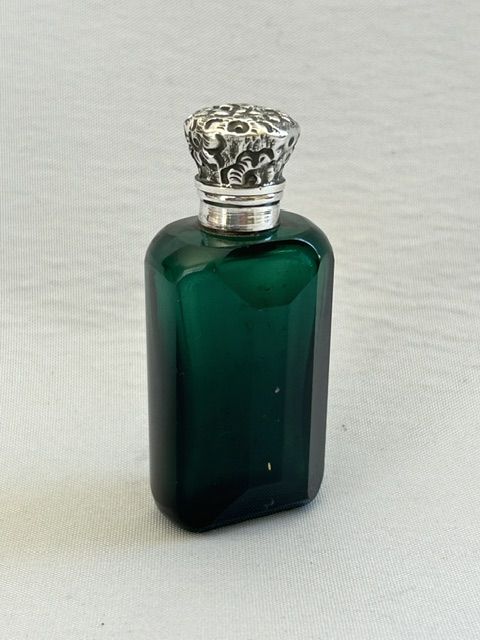

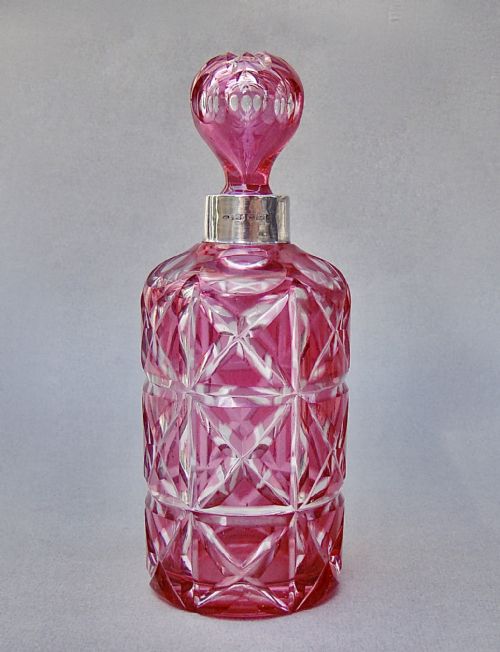
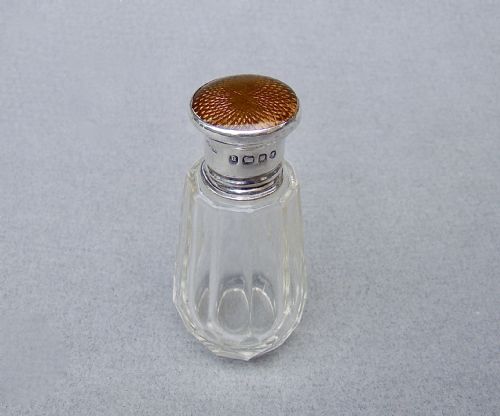
Silver Topped Perfume Bottle
A silver topped perfume bottle combines decorative glass with precious metal work, offering a tangible link to Victorian and Edwardian dressing table traditions.
Silver Topped Perfume Bottle
A silver topped perfume bottle functions as a portable or dressing table container for scents, appearing primarily across Victorian and Edwardian periods.
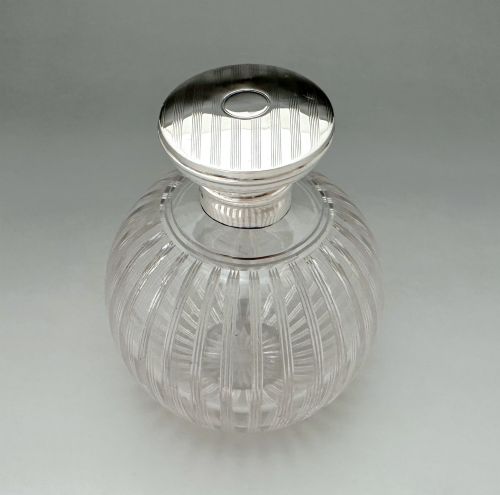
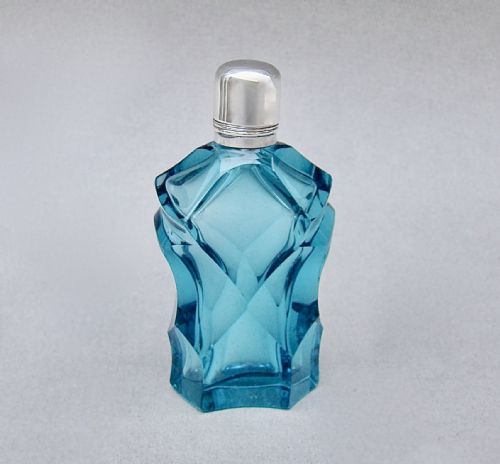
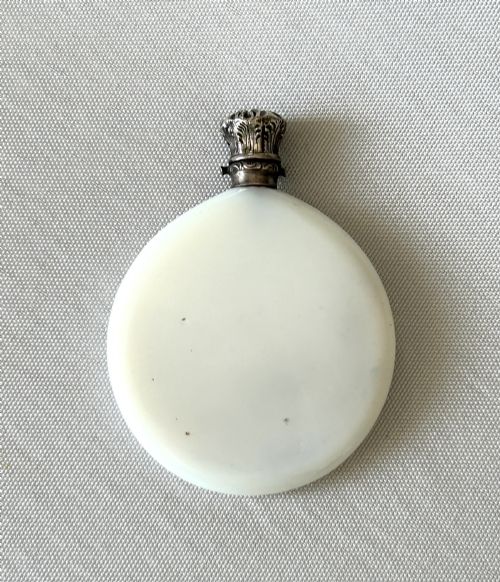
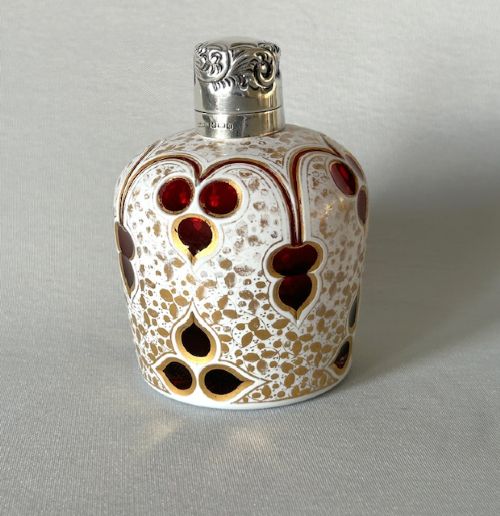
The body of the container usually consists of coloured, opaline or cut glass, paired with a sterling silver cap, collar or overlay.
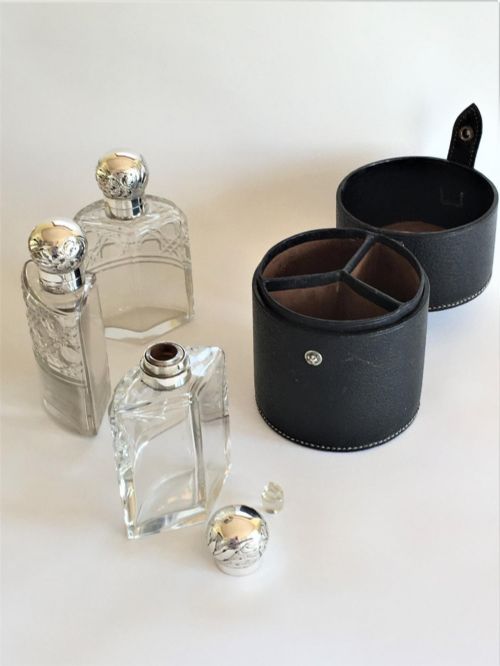
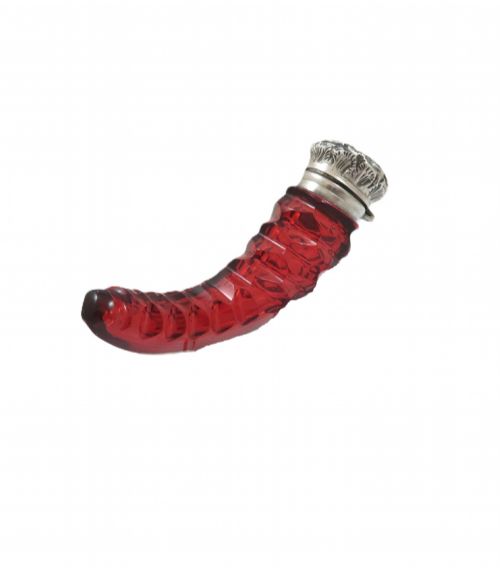
Makers produced diverse forms, ranging from cylindrical and globular shapes to eggs and travelling trios.
Materials and Construction
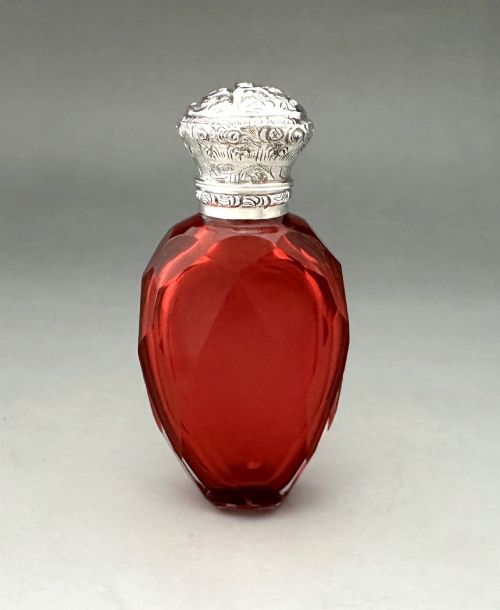
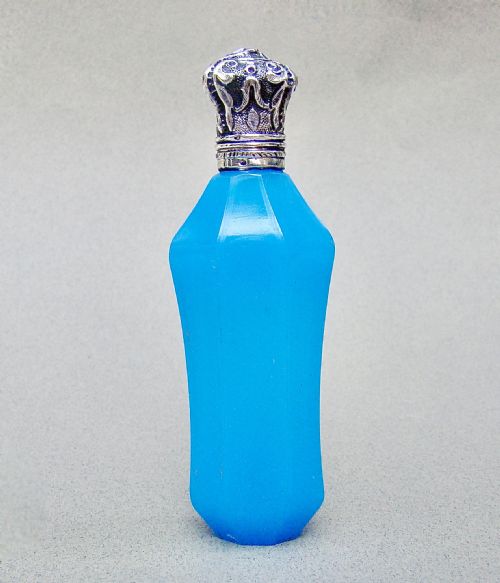
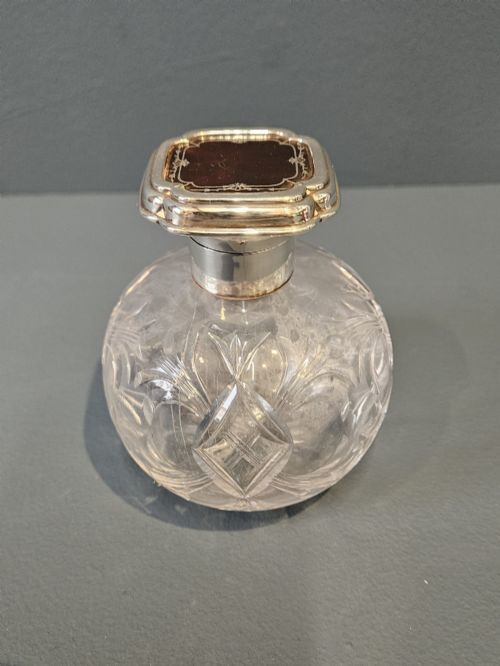
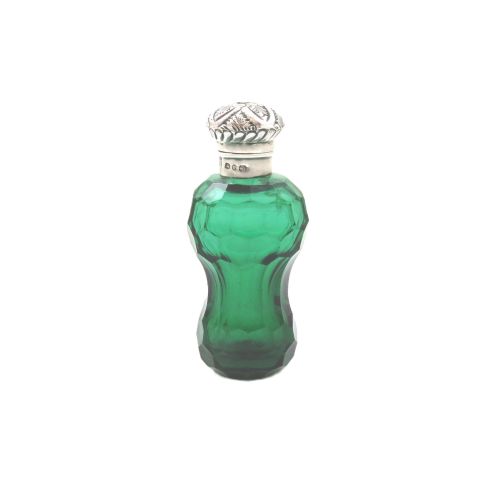
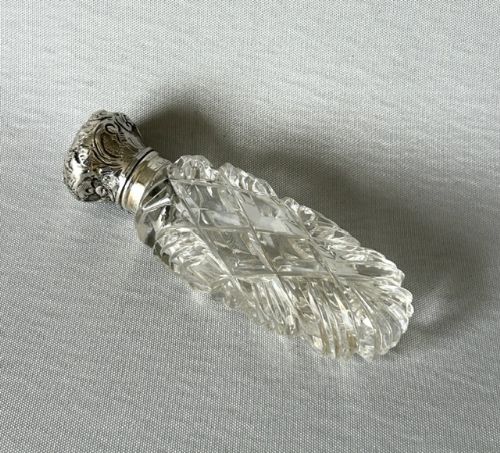
Craftsmen shaped glass through cutting, moulding or blowing, utilising clear crystal alongside rich colours like cranberry, green, ruby and blue opaline.
Silversmiths formed the mounts, hinged lids and decorative overlays from sterling silver, frequently employing repousse work, embossing or engine turning.
Makers combined these elements by securing silver collars around glass necks, often incorporating inner glass stoppers to prevent evaporation.
Silver Topped Perfume Bottle Retail Price Guide 2026
Typical asking prices for silver topped perfume bottle among the pieces listed under this phrase on Sellingantiques today, from the lower quarter to the upper quarter. They describe what is for sale here now, not the wider market.
Makers occasionally hid miniature scent bottles inside larger ones, creating secret double compartments for the truly indecisive Victorian traveller.
Judging Quality and Execution
The depth and crispness of the glass cutting or the saturation and consistency of the coloured glass distinguish finer examples from standard production.
The weight of the sterling silver and the intricacy of its decoration, such as hand-chased repousse scrolls or guilloche enamel work, elevate the piece.
Design complexity, including unusual silhouettes like hearts or pyramids and the presence of original stoppers or matching cased sets, marks superior items.
Gorham·Harold Bushell And Co·Henry Perkins·Franchini And Bigaglia·Sampson Mordan·Charles May·William Comyns·Asprey·Mappin And Webb·Barnsley And Co
The Silver Topped Perfume Bottle Glossary
- Repousse
- Metalworking technique where the silver is hammered from the reverse side to form raised decorative designs on the lid. This method allowed silversmiths to create elaborate floral scrolls and figural scenes.
- Guilloche
- Decorative engineering process where precise geometric patterns are mechanically engraved into metal before translucent enamel is applied. It appears frequently on Edwardian and Art Deco pieces.
- Opaline glass
- Opaque or semi-translucent glass developed in various pastel shades during the nineteenth century. It provides a smooth, milky background for silver mounts.
- Cranberry glass
- Transparent pinkish-red glass created by adding gold chloride to the molten batch. It is a defining material of Victorian dressing table accessories.
- Sterling silver
- Alloy containing 92.5 percent silver by mass, used by silversmiths and makers for bottle lids and decorative overlays. British pieces often display hallmarks indicating assay office and date.
Silver Topped Perfume Bottle: Frequently Asked Questions
How do I date a silver topped perfume bottle?
Dating relies primarily on the silver hallmarks stamped on the mount, which indicate the assay office, standard mark, and year letter.
Stylistic cues in the glass cutting and overall shape, such as Victorian opaline or Art Deco enamel, offer secondary confirmation of the period.
Did these bottles originally include inner stoppers?
Many examples retain a small ground glass stopper tucked beneath the outer silver cap to seal the volatile contents securely.
Original stoppers enhance the completeness of the piece, though surviving items often lack them due to accidental loss over time.
What is silver overlay?
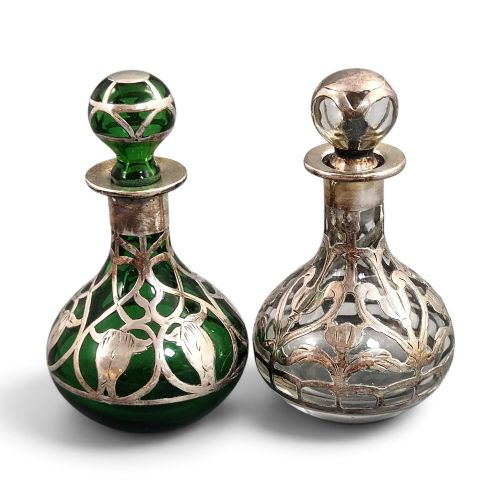
Silver overlay involves electroplating or applying a thin sheet of sterling silver directly onto the exterior surface of the glass bottle.
Craftsmen cut patterns into the silver skin to reveal the coloured or clear glass beneath, creating a striking contrast.
How should I clean the silver mounts?
Cleaning requires a soft cloth and gentle silver polish applied carefully to avoid contact with the glass body or enamel sections.
Harsh chemical dips must be avoided to protect delicate glass colours and antique finishes.