



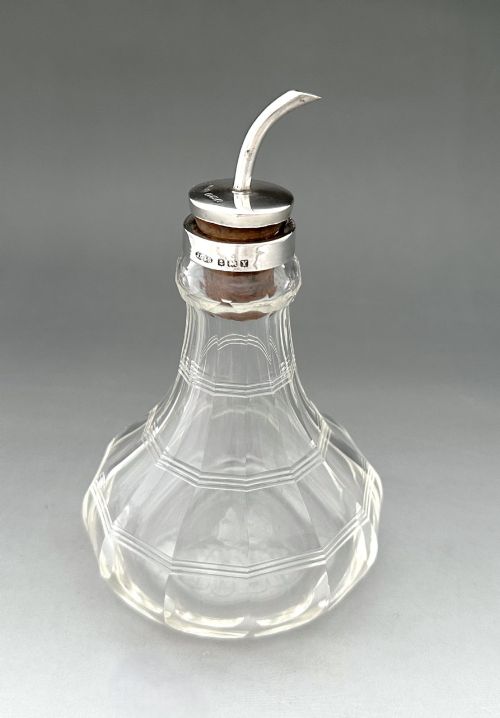

Silver Topped Glass
Silver topped glass combines lustrous precious metal with luminous vessels, offering both refined utility and decorative presence.
Silver Topped Glass
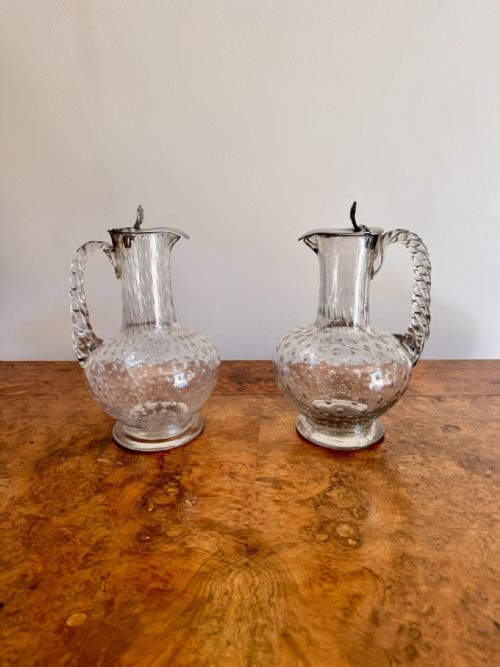
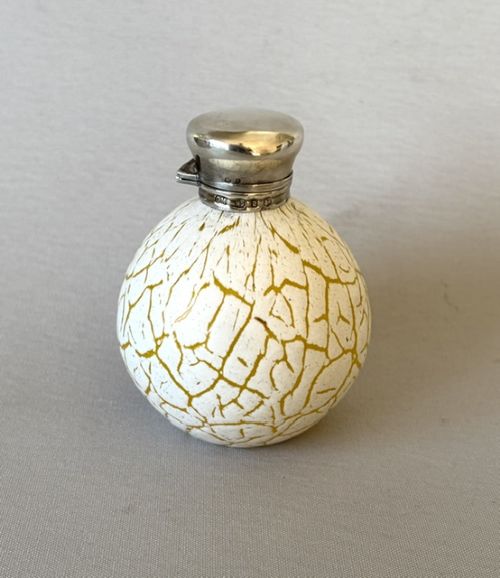
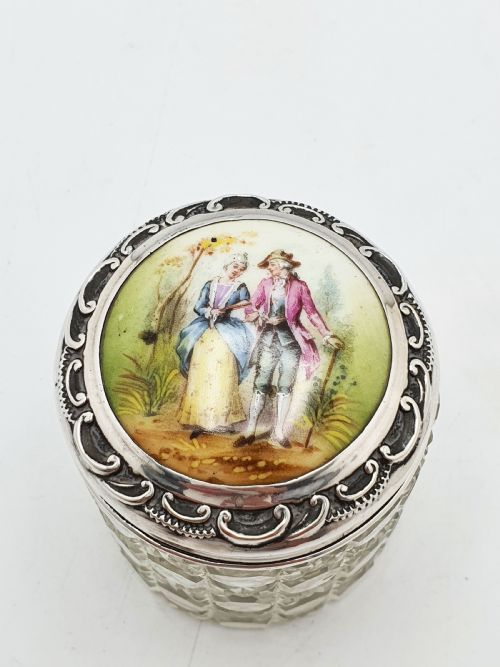
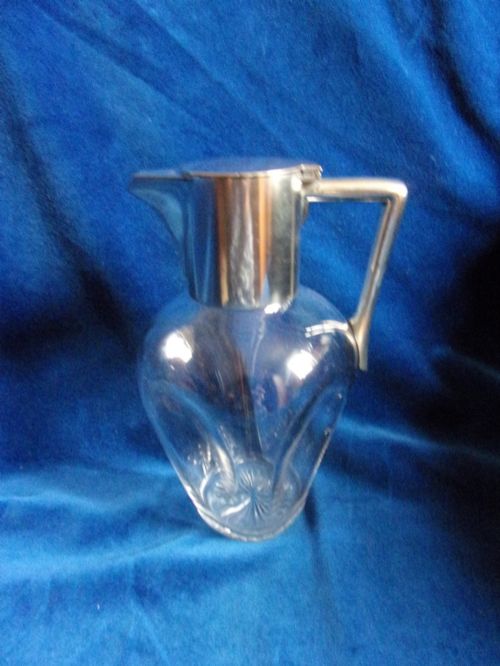
When you search for silver topped glass, you examine vessels designed for the dressing table, dining room and writing desk, combining metalwork with transparent or coloured containers. These objects span the Victorian, Edwardian and Art Deco periods, encompassing both modest vanity containers and substantial serving vessels.
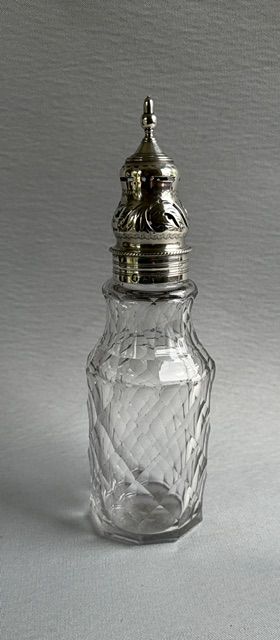
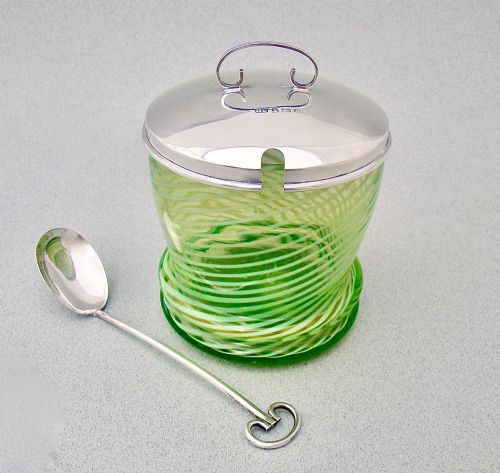
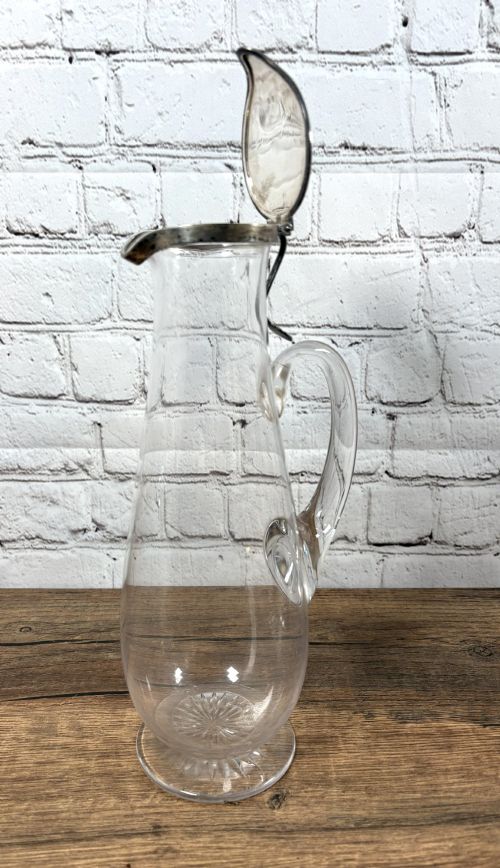
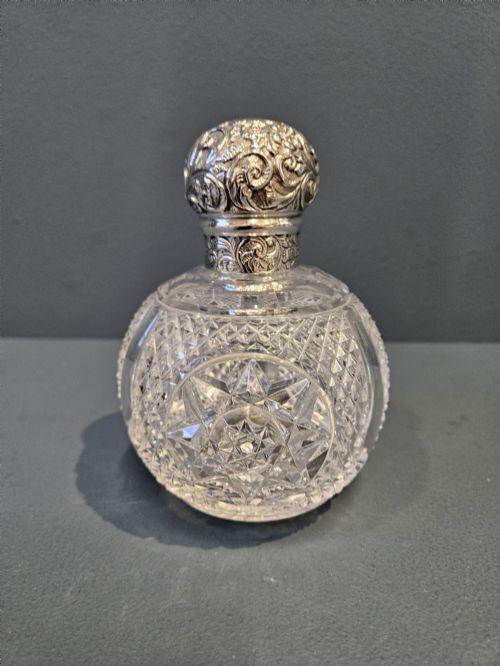
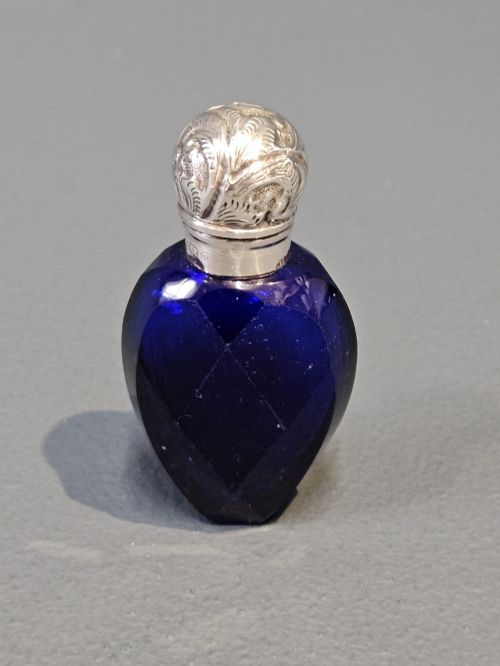
You are most likely to meet scent bottles, claret jugs and dressing table jars on this page. These survive in various coloured and cut glasses, paired with sterling silver or silver plate mounts that range from plain polished collars to elaborate repoussé lids.
How they were made
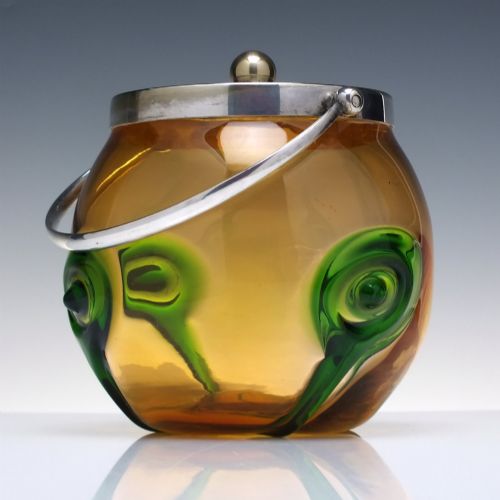
Glass bodies were produced through moulding, blowing or cutting, utilising materials such as cut crystal, opaline glass, and coloured glass in shades of green, blue, cranberry and ruby. Artisans shaped these vessels before mounting them with metal components.
Mounts were formed from sterling silver or silver plate, often stamped with hallmarks indicating assay offices and maker marks. These metal tops were fitted securely to the glass necks, sometimes incorporating hinges, screw threads or internal glass stoppers.
Silver Topped Glass Retail Price Guide 2026
Typical asking prices for silver topped glass among the pieces listed under this phrase on Sellingantiques today, from the lower quarter to the upper quarter. They describe what is for sale here now, not the wider market.
Listings feature Victorian, Edwardian, and Art Deco periods, utilising sterling silver, silver plate, cut crystal, and coloured glass forms.
What varies in quality
The standard of a piece rests upon the weight and clarity of the glass vessel alongside the gauge of the silver mount. Heavy cut crystal and thick sterling silver demonstrate superior manufacture compared to light moulded glass and thin silver plate.
Decoration further distinguishes the range, from simple engine-turned lids to hand-painted porcelain plaques, enamel work and intricate silver overlay. The precision of the fit between metal and glass also marks the distinction between standard utilitarian items and finer workshop production.
George Unite·William Comyns·Asprey and Co. Ltd·Henry Clifford Davis·Harold Bushell & Co·Gorham
The Silver Topped Glass Glossary
- Sterling silver
- A silver alloy containing 92.5 percent pure silver by mass, standard for British silver mounts and marked with a lion passant.
- Cut crystal
- Glass containing lead oxide that increases brilliance and weight, allowing for deep geometric cutting across decanters and scent bottles.
- Opaline glass
- An opaque or translucent glass in pale colours, popular during the nineteenth century for decorative dressing table items.
- Guilloché enamel
- Decorative metalwork covered with translucent enamel over an engine-turned background, frequently seen on Art Deco vanity jars.
- Claret jug
- A pouring vessel designed for wine, combining a glass body with a hinged silver handle, collar and spout.
Silver Topped Glass: Frequently Asked Questions
What were glass scent bottles used for?
Scent bottles held liquid perfumes for personal use, designed to fit into travel sets or sit upon dressing tables.
The tight-fitting silver tops and internal stoppers prevented evaporation of volatile fragrance oils during daily handling.
How do I identify a claret jug?
Claret jugs are large pouring vessels featuring a handle and a hinged metal lid designed to serve wine at the dining table.
They combine glass bodies with substantial silver mounts that incorporate spouts for controlled pouring.
What is a dressing table jar?
Dressing table jars held powders, creams or pins, serving as functional containers for nineteenth and early twentieth-century grooming routines.
Their removable silver lids often featured decorative enamel, embossing or monograms matching other vanity set pieces.
How can I date these pieces?
Silver mounts carry hallmarks that record the assay office, date letter and maker, providing precise manufacturing years.
Stylistic indicators such as Art Nouveau curves or Art Deco geometry further help distinguish Victorian and Edwardian periods.