
Silver Top Glass Bottle
When you search for a silver top glass bottle, you enter a world of dressing table wares and pocket scent vessels forged in precious metal and vitreous body.
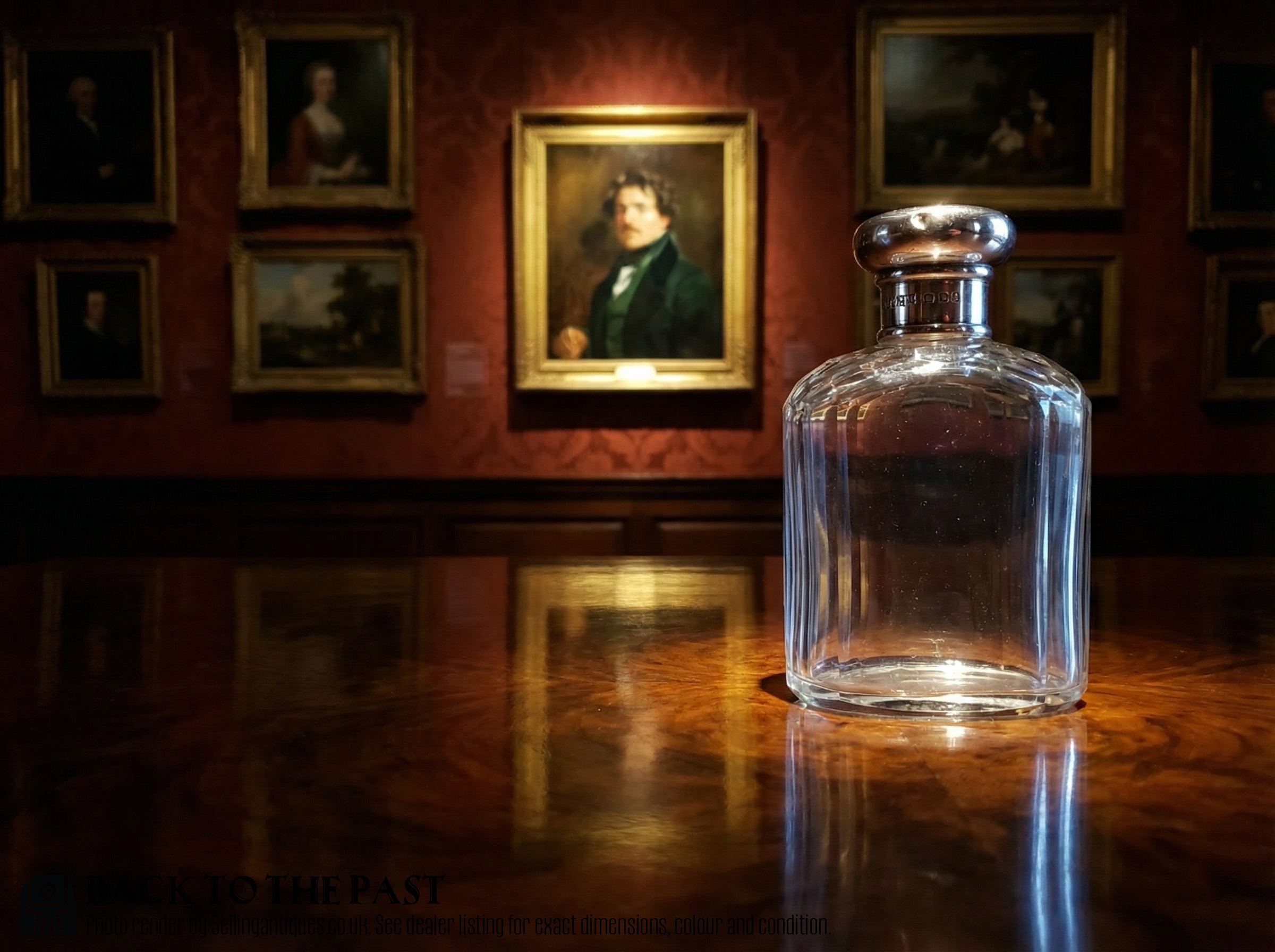
Silver Top Glass Bottle
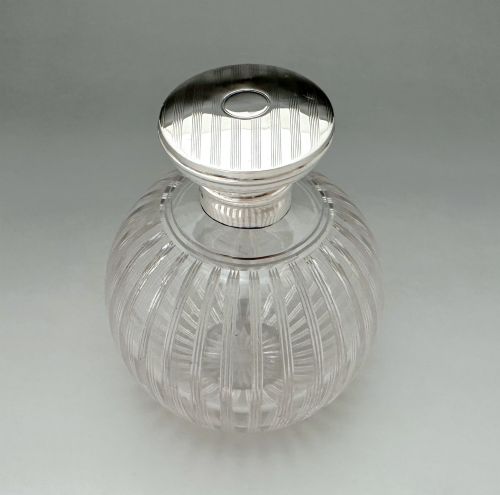
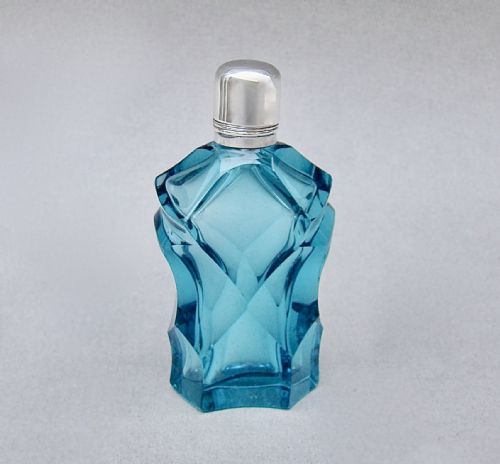
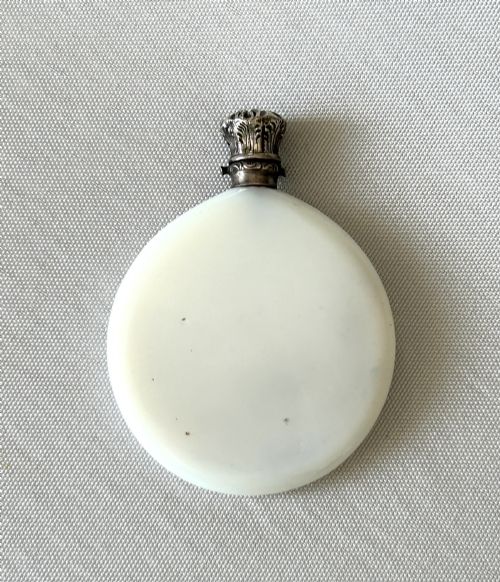
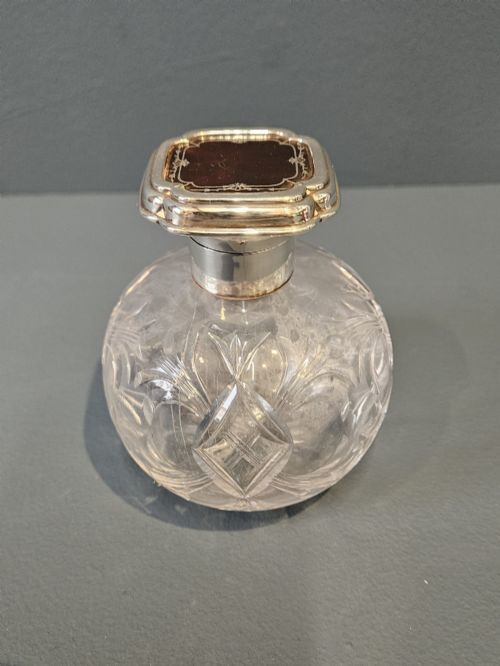
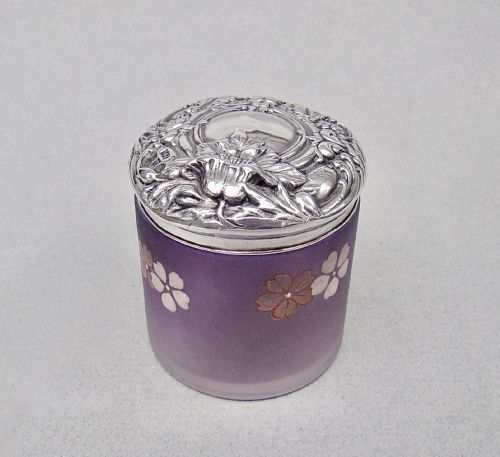
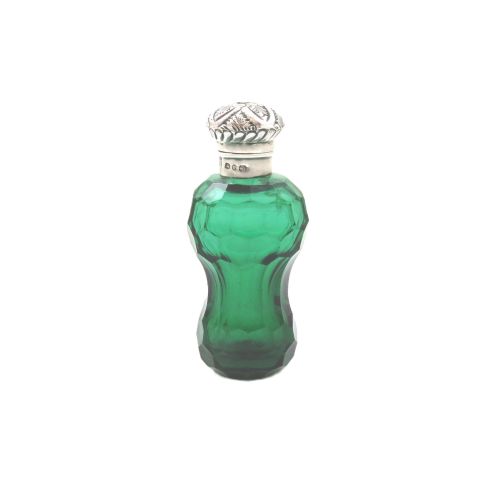
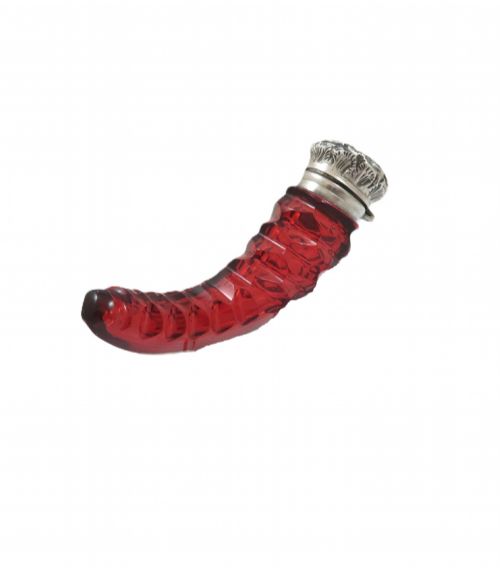
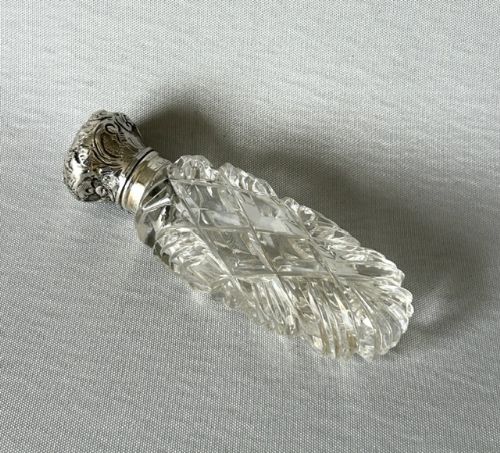
A silver top glass bottle combines a blown, moulded, or cut vitreous body with a hallmarked silver cap, mount, or lid. These pieces served domestic and personal needs across the Victorian, Edwardian, and Art Deco periods, functioning as perfume holders, smelling salt flasks, or travelling requisites.
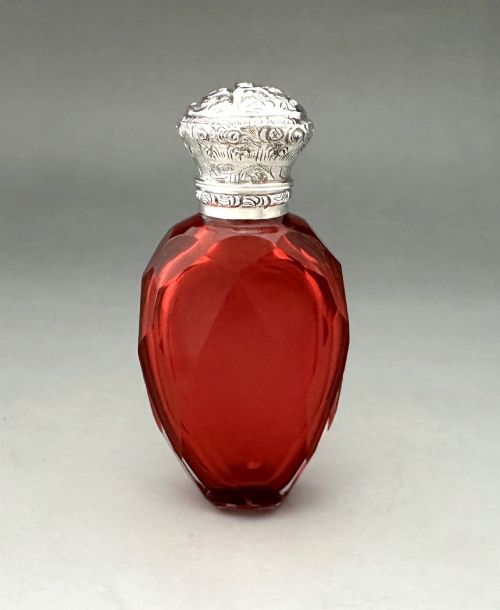
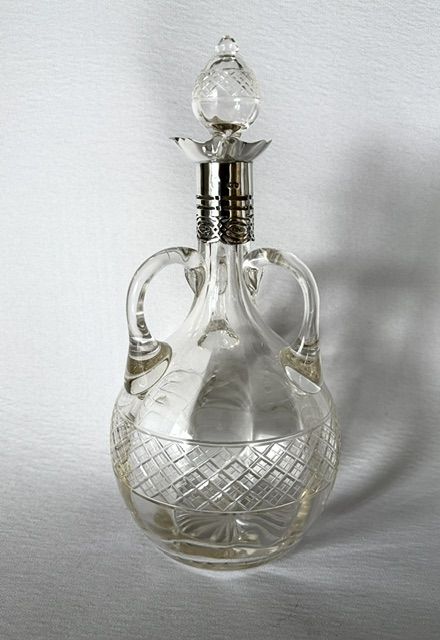
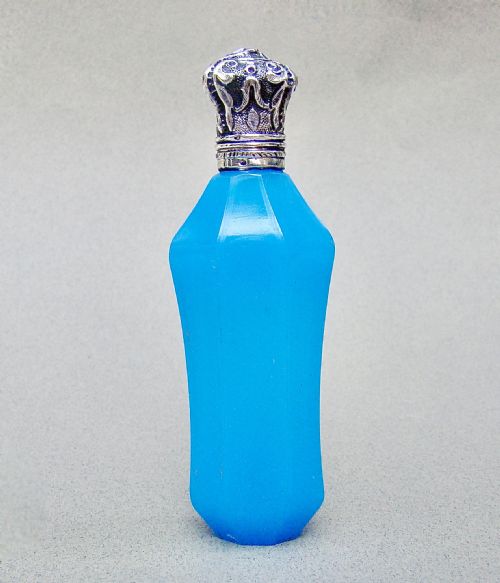
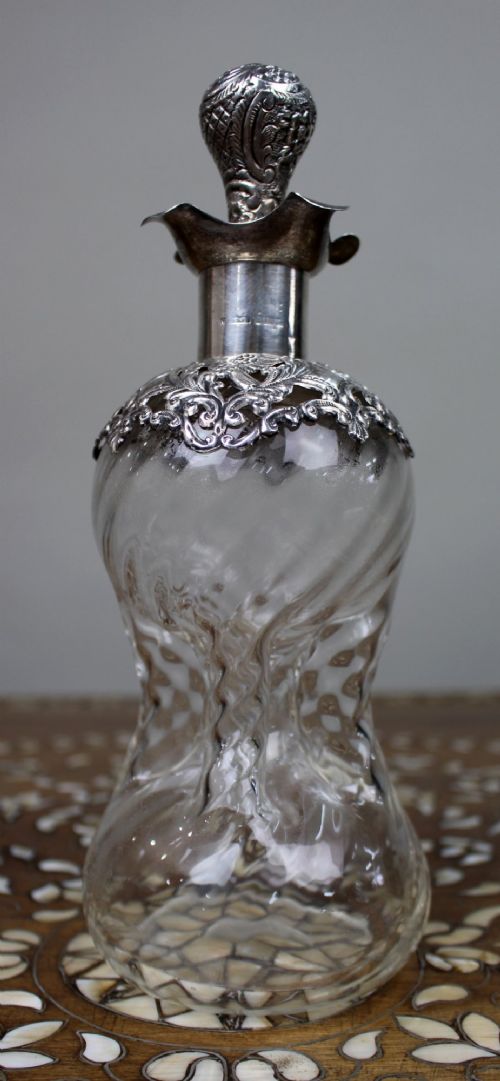
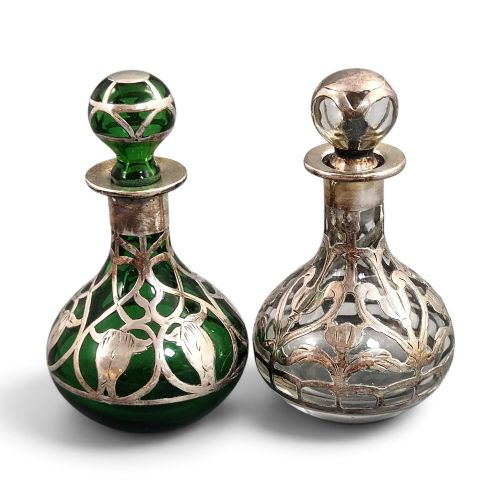
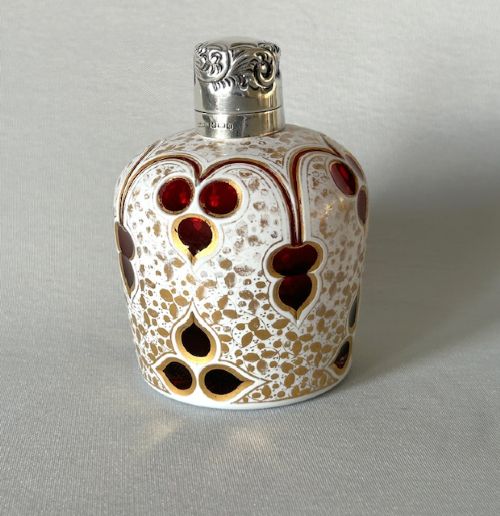
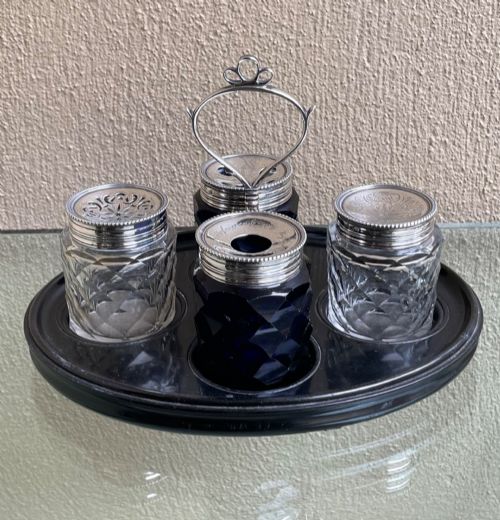
The most common examples on this page are scent bottles and perfume vials featuring clear cut glass or coloured bodies in ruby, cranberry, green, and opaline glass. Alongside these personal items, larger forms such as decanters, whisky noggins, and dressing table jars appear with matching silver mounts.
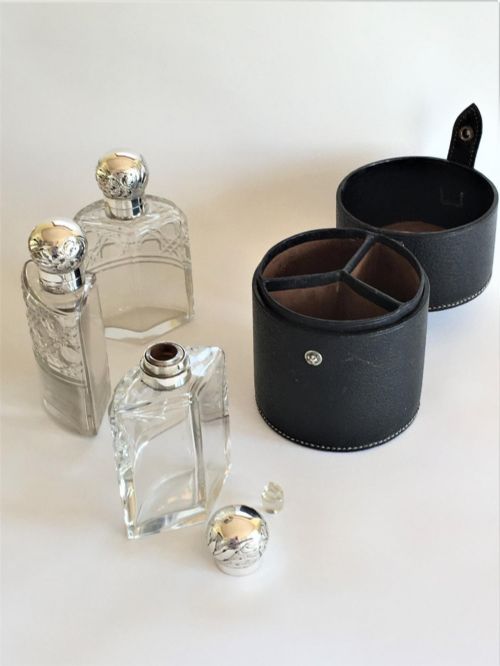
Origins range from English provincial workshops in Birmingham and Sheffield to London makers and continental centres like Murano and Bohemia. Buyers encounter both standalone vessels and fitted pairs or trios nestled inside original leather travelling cases.
How They Were Made
The glass bodies were shaped by blowing into moulds or free-blowing, then finished through wheel-cutting, slicing, or casing with contrasting layers of coloured glass. Overlay techniques allowed artisans to cut through a coloured outer layer to reveal clear glass beneath.
Silversmiths formed the mounts, collars, and hinged lids from sterling silver or silver gilt, frequently decorating them with embossed repoussé work, engine-turning, or translucent guilloche enamel. Tortoiseshell inserts and internal glass stoppers completed the construction to prevent leakage.
Listings feature glass bodies from the Victorian and Edwardian eras paired with English sterling silver mounts and French enamel work.
What Varies in Quality
Quality rests upon the depth and crispness of the glass cutting, the clarity of the metal hallmarks, and the weight of the silver mount. Heavy-gauge silver and intricately faceted crystal represent the higher tier of production.
Specialised decorative elements such as hand-painted enamel, multi-layered glass overlays, or maker attribution to distinguished silversmiths elevate individual pieces above standard utility items.
Gorham·Harold Bushell and Co·Henry Perkins·Franchini and Bigaglia·William Comyns
The Silver Top Glass Bottle Glossary
- Sterling silver
- A silver alloy containing 92.5 percent pure silver by mass and 7.5 percent other metals, usually copper. This standard alloy provides the durability needed for bottle mounts and hinged lids.
- Opaline glass
- An opaque or translucent glass developed in France during the nineteenth century. It comes in pastel shades including turquoise, blue, and white, imitating porcelain.
- Guilloche enamel
- A decorative technique where a precise geometric pattern is mechanically engraved into the silver beneath a translucent enamel layer. The pattern shows through the coloured glass-like coating.
- Slice-cut
- A glass-cutting method using flat, broad facets applied across the body of a bottle. This technique creates strong geometric reflections across coloured or clear glass.
- Vinaigrette
- A small ornamental container fitted with a pierced internal grille, used to hold a sponge soaked in aromatic vinegar. These are frequently integrated into the double-ended format.
Silver Top Glass Bottle: Frequently Asked Questions
How do I clean a cloudy interior?
Residue inside vintage glass bottles requires gentle handling to protect any internal silver fittings or fragile coloured glass surfaces. Warm water and non-abrasive cleaning agents generally clear organic staining without harming the material.
Harsh chemical immersion or ultrasonic cleaning machines should be avoided because they damage aged cement, cork liners, and delicate enamel work on the silver caps.
Are interior stoppers usually original?
Many surviving bottles retain their original glass or silver-gilt inner stoppers, which were essential for preventing the evaporation of volatile perfumes and spirits. Replacements are common due to the fragility of small glass components.
Checking the fit against the ground glass neck helps determine whether a stopper belongs to the original manufacturing period.
What indicates a Victorian date?
Victorian examples frequently display deep ruby, cranberry, or emerald green colours combined with heavy cast or embossed silver mounts. Maker marks and date letters stamped on the silver provide precise chronological placement.
Stylistic cues include naturalistic floral repoussé work and faceted crystal bodies characteristic of nineteenth-century dressing table sets.
How were double-ended bottles used?
Double-ended vessels allowed owners to carry two different substances, such as perfume in one compartment and smelling salts in the other. Each end featured a separate hinged or screw cap closing independently.
This format gained popularity during the Victorian era for travellers requiring personal freshening agents during long journeys.