

Silver Tea Box Container
When you search for a silver tea box container, you are looking at vessels designed to preserve dry leaf or store biscuits, spanning the late Victorian and Edwardian eras.

Silver Tea Box Container
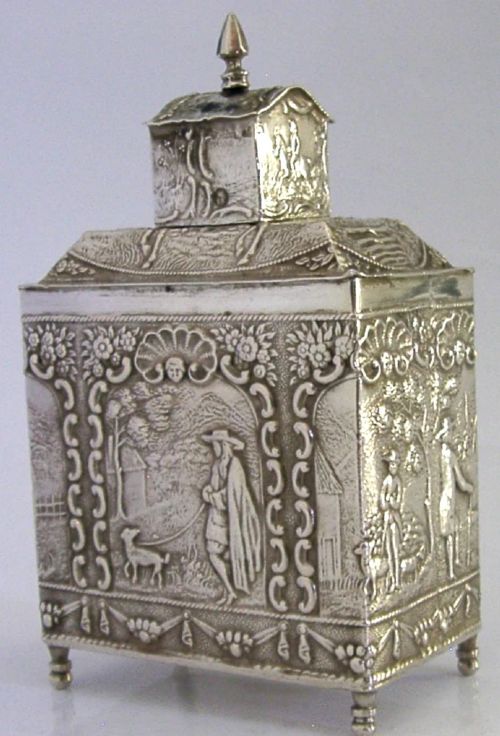
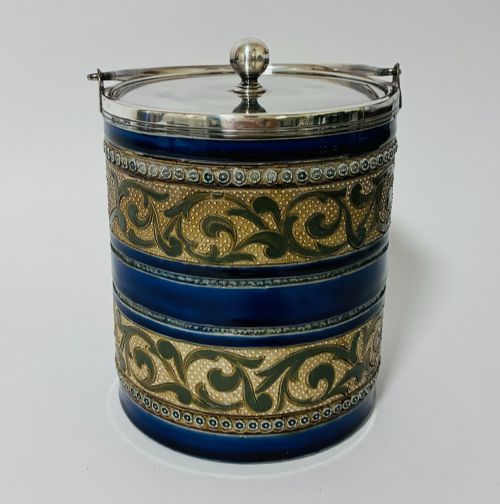
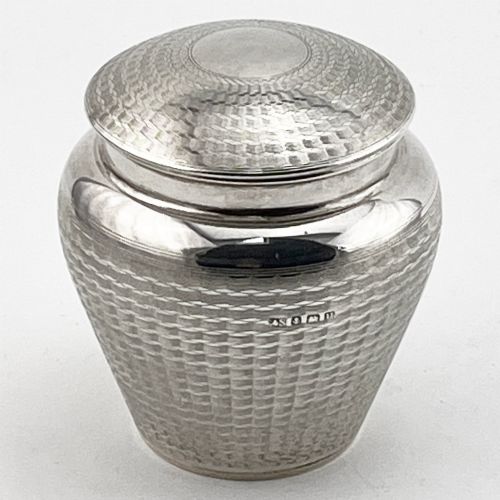
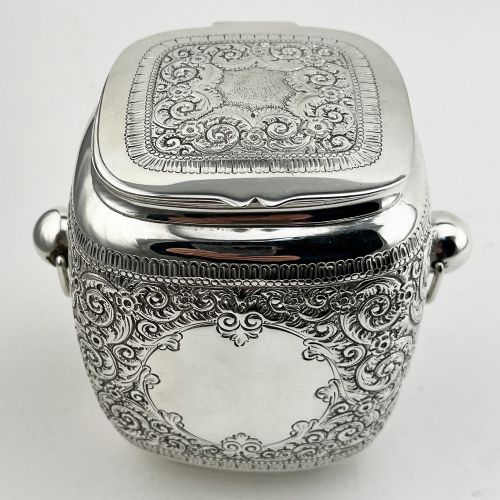
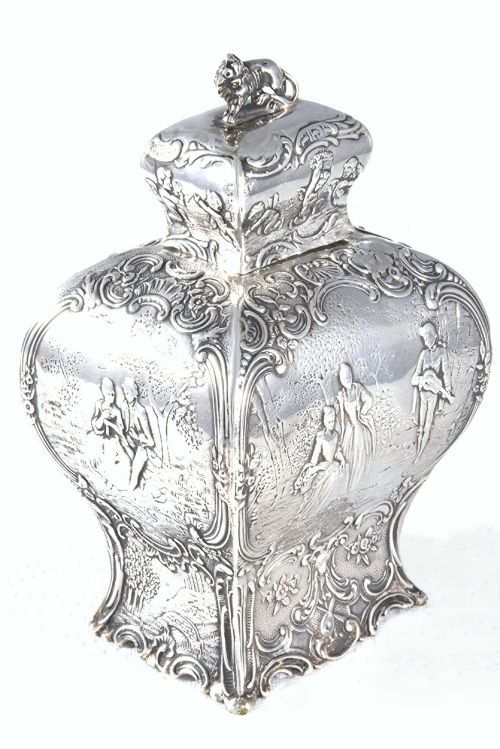
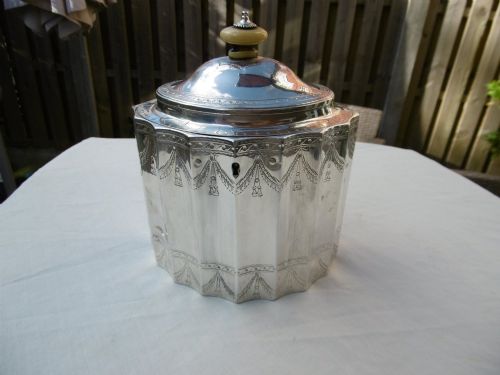
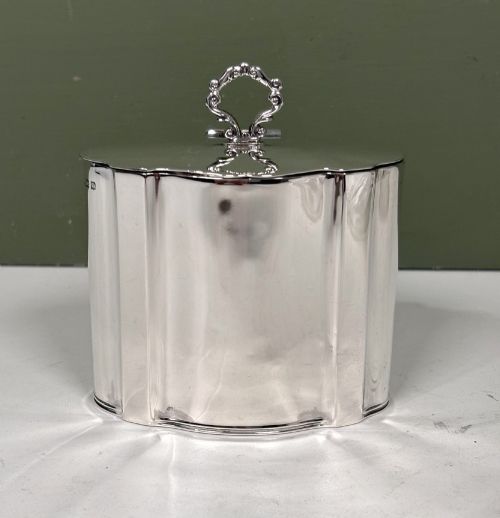
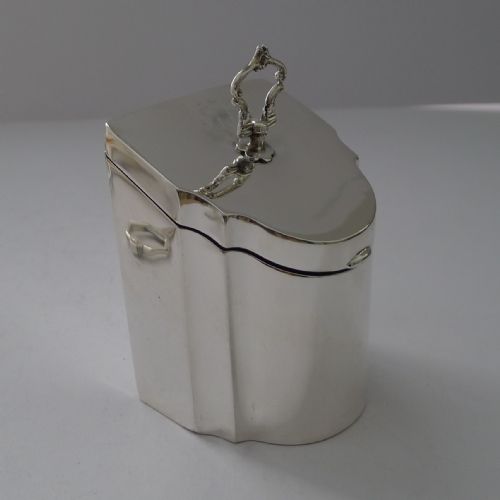
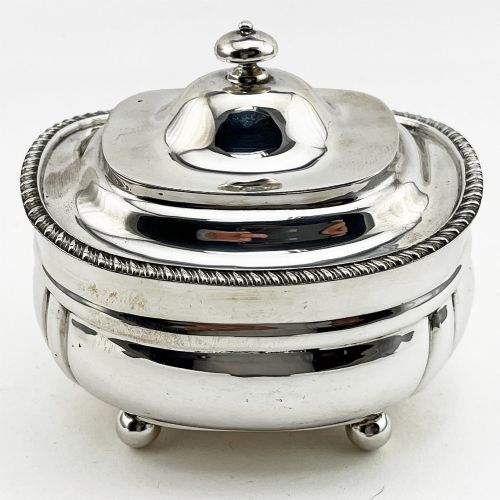
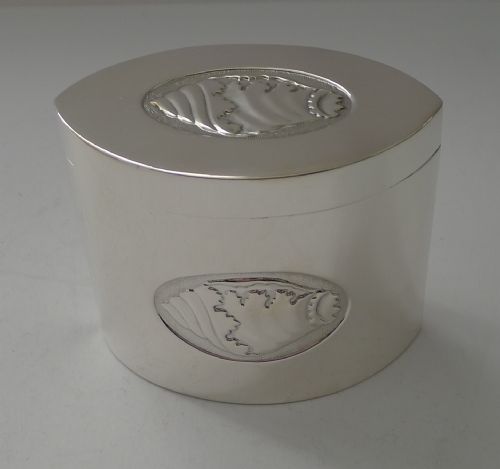
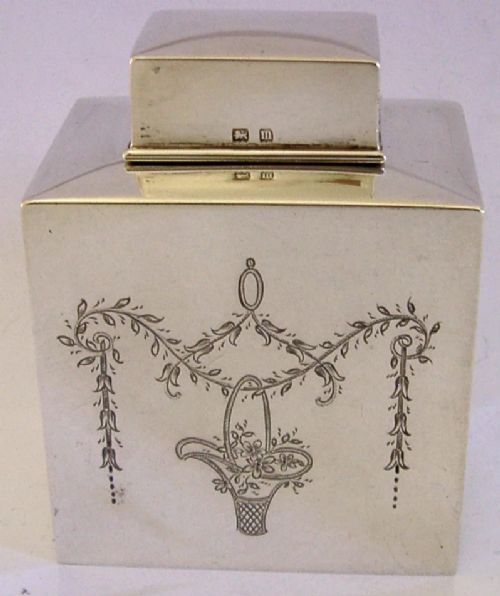
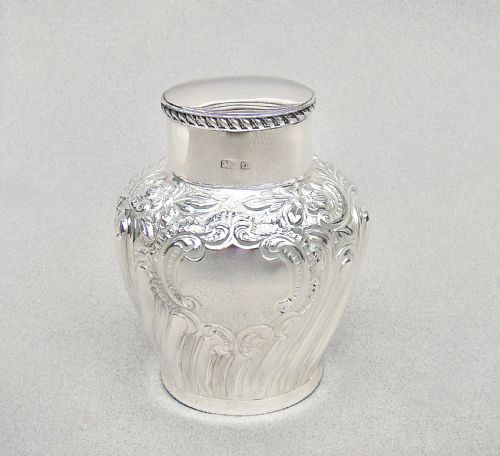
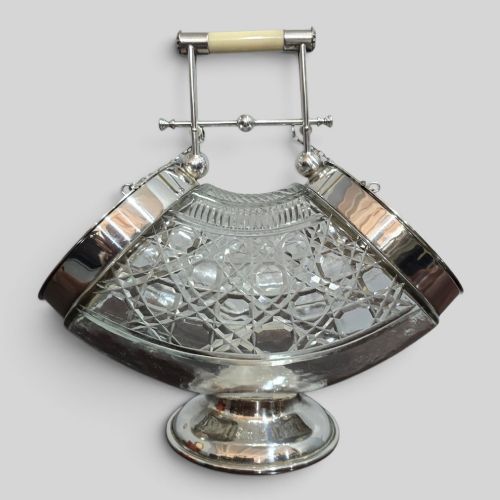
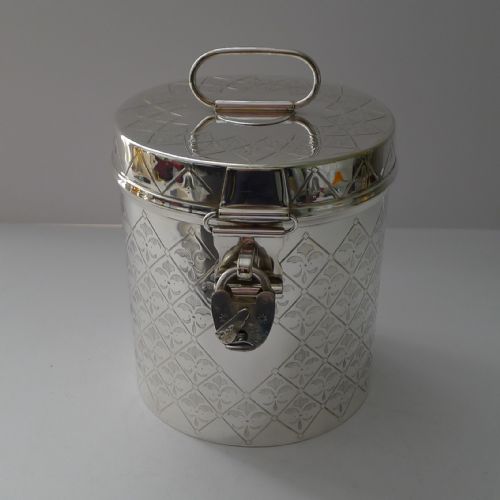
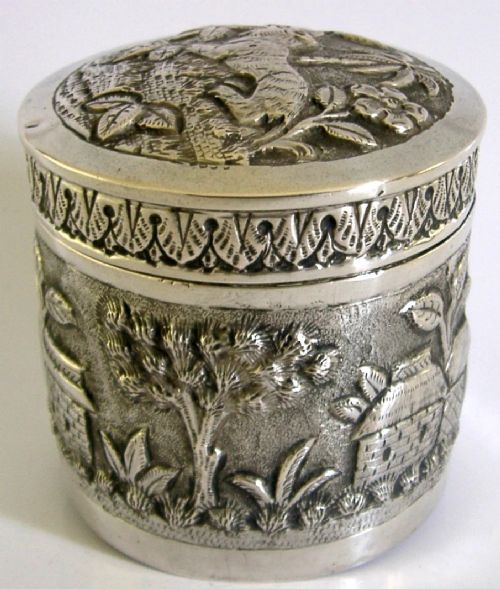
A silver tea box container encompasses tea caddies, biscuit barrels, and storage boxes originating largely from British provincial and London assay offices between the late nineteenth and early twentieth centuries. The primary forms on this page include standard caddies, bombe shapes, knife box configurations, and ceramic or cut glass jars mounted in metal.
The materials span solid sterling silver, silver plate, electroplated nickel silver, stoneware, and bone. Pieces range from plain cylindrical canisters to ornate Dutch rococo revival designs and novelty weight shapes from the Victorian and Edwardian periods.
Materials and Technique
Silversmiths formed the metal bodies through hand-raising, stamping, and spinning, joining seams carefully before applying chased, embossed, or engraved ornamentation. Handles, finials, and hinges were cast separately and soldered securely to the main structure.
Caddies utilising ceramic or stoneware components, such as Doulton Lambeth bodies, combined pottery techniques with fitted metal rims, lids, and swing handles in silver plate or sterling silver.
Materials represented across the catalogue include sterling silver, silver plate, stoneware, cut glass, and bone.
Material Substance and Execution
Quality rests upon the weight of the metal gauge and the crispness of the hand-chased or engraved details. Heavier solid silver examples demonstrate substantial gram weights and retain structural rigidity across lids and hinges.
Execution of decorative motifs distinguishes standard production from finer workshop output, where hallmarks remain sharp and applied borders align precisely with the body of the container.
Martin Hall & Co·Robert Hennell·Zimmermann·Thomas Hayes·Mappin and Webb·William Hutton & Sons Ltd·Ernest Druiff & Co
The Silver Tea Box Container Glossary
- Tea Caddy
- A small storage jar or box originally designed to hold loose tea leaves securely before brewing. These vessels frequently include internal lids or fitted covers to preserve freshness.
- Biscuit Barrel
- A covered container intended for serving and storing biscuits at the dining table, often combining ceramic or glass bodies with metal mounts. They are also known as biscuit boxes.
- Sterling Silver
- An alloy consisting of ninety-two point five percent silver by mass, with the remainder typically copper. British items bear specific assay office marks indicating this standard.
- Hallmark
- A series of official stamps applied to precious metals indicating the maker, assay office, purity standard, and date letter. They provide the primary means of dating British silver.
- Bombé
- A swelling, rounded contour found on the sides of certain caddies and boxes, reminiscent of continental rococo furniture styles. This profile requires skilled metal shaping.
Silver Tea Box Container: Frequently Asked Questions
What is a silver tea box container used for?
These vessels served to store dry tea leaves or biscuits in domestic settings, protecting contents from moisture and air.
Today, collectors utilise them as decorative display items or for storing small personal trinkets on desks and dressing tables.
How do I identify the date of a silver caddy?
Dating relies primarily on the legible hallmarks stamped into the metal, which include specific symbols for the year of assay.
Stylistic indicators such as Edwardian neoclassical lines or Victorian rococo revival chasing also help narrow down the period of manufacture.
Are these containers made of solid silver?
The listings include both solid sterling silver pieces and silver-plated or electroplated nickel silver items.
Checking the hallmarks reveals whether an object is solid precious metal or a base metal coated in silver.
How should I clean antique silver containers?
Maintenance requires gentle dusting with a soft cloth and occasional treatment with a specialist silver polish to remove tarnish.
Harsh abrasives and chemical dips must be avoided to protect engraved details, applied crests, and original patination.