



Silver Tableware Hollowware
Silver tableware hollowware brings functional elegance to the dining table through vessels crafted to pour, serve and hold.
Silver Tableware Hollowware
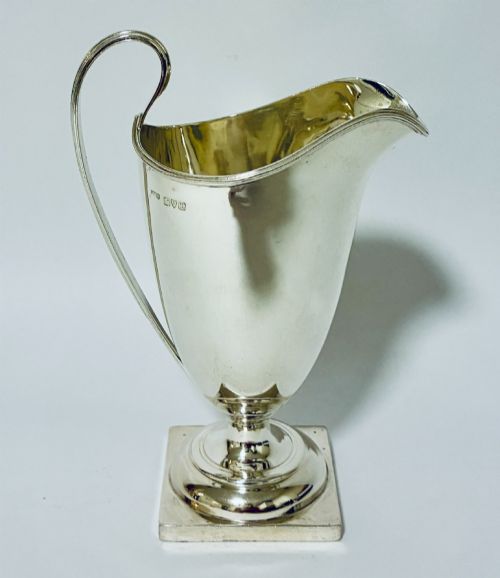
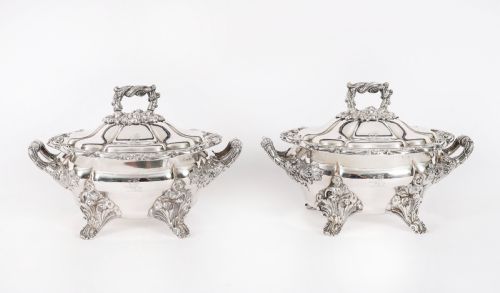
Silver tableware hollowware comprises three-dimensional vessels designed for serving food and drink, encompassing everything from coffee pots and tea accessories to sauce boats and tureens. Buyers searching this phrase will find a wide array of functional dining items spanning multiple eras, including pieces intended for daily domestic use and grand formal dining.
Originating primarily from British workshops alongside continental and American makers, these hollowware pieces showcase diverse regional designs. Buyers encounter both sterling silver and silver plate constructions, alongside specialised variants incorporating glass, copper, and wood elements.
Markers of distinction in hollowware
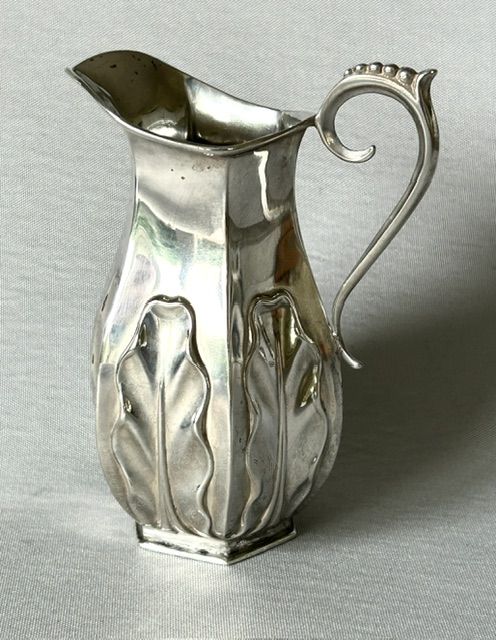
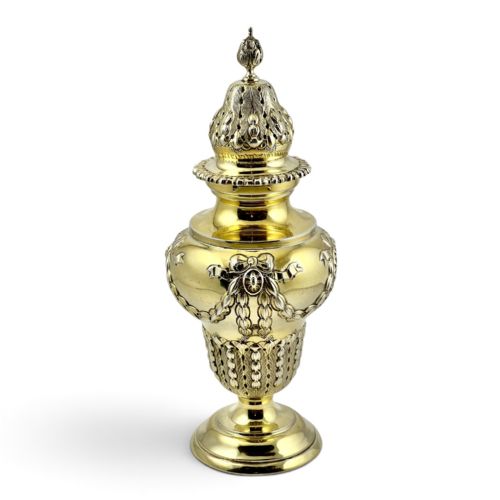
Quality in silver tableware hollowware rests on the crispness of chased and embossed decoration, such as naturalistic acorn motifs, swags, and rococo scrolls. Superior pieces exhibit balanced proportions, secure joints, and well-cast handles that sit comfortably in the hand.
The integrity of hallmarks or maker marks on sterling silver provides clear provenance, while the preservation of the underlying metal on Old Sheffield Plate and silver plate demonstrates the standard of original manufacture and subsequent care.
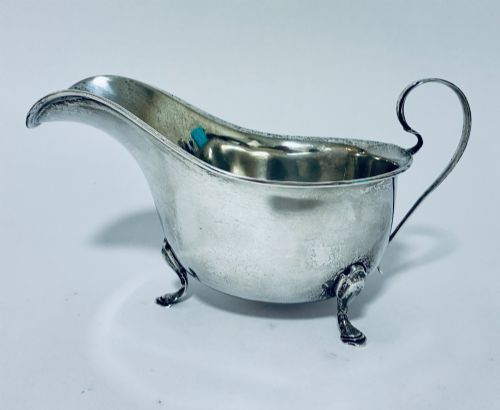
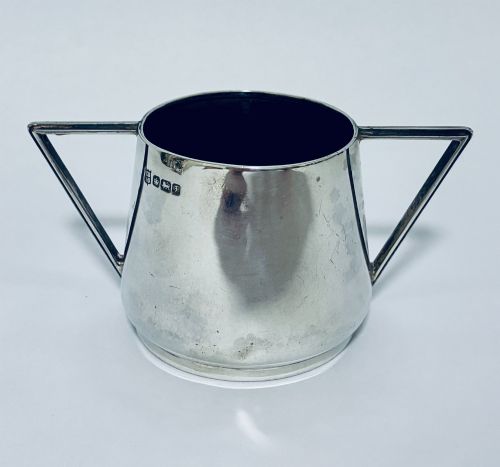
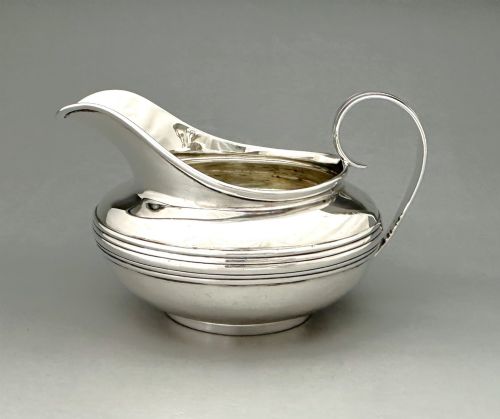
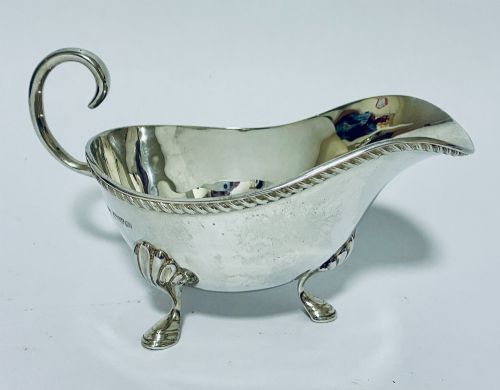
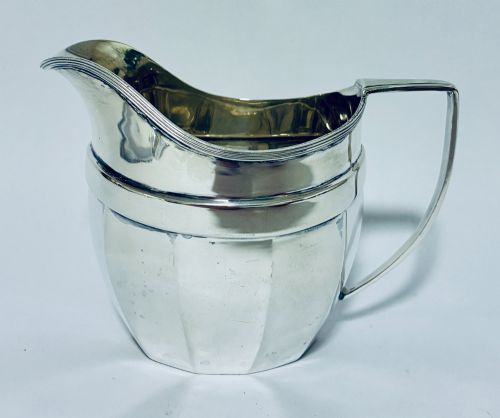
Object forms range from cream jugs and coffee pots to mustard pots, sauce boats, and tureens, featuring wood, glass, and copper components.
Tiffany & Co·JC Moore·Robert Hennell I·William Grundy·Robert Pringle & Sons·Theodore B Starr·Charles Stuart Harris·Edward & John Barnard
The Silver Tableware Hollowware Glossary
- Hollowware
- Tableware items such as pots, jugs, tureens, and bowls that possess volume and contain contents, as opposed to flatware like spoons and forks.
- Old Sheffield Plate
- A composite material made by fusing a thin sheet of silver to a thicker copper base, common in eighteenth and nineteenth-century serving vessels.
- Silver-Gilt
- Sterling silver that has been coated with a thin layer of gold on its interior or exterior surfaces, sometimes referred to as gilt or gold wash.
- Sauce Boat
- An open vessel with a lip and handle, designed for serving gravies and sauces at the table.
- Caster
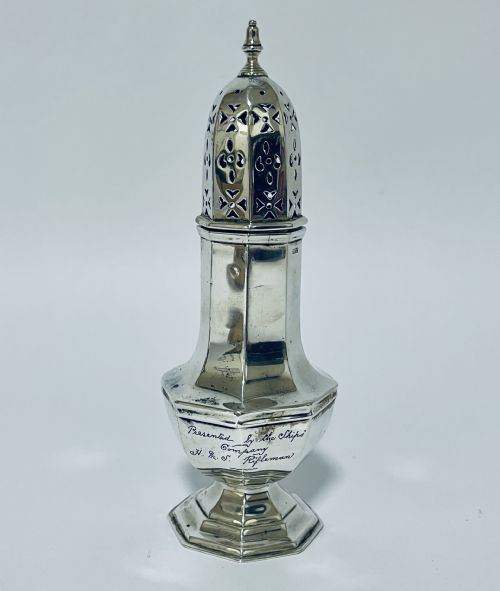
- A small perforated vessel used for sprinkling sugar or spices over food.
Silver Tableware Hollowware: Frequently Asked Questions
What is silver tableware hollowware?
Silver tableware hollowware refers to three-dimensional vessels utilised for serving food and beverages at the dining table. This category includes pots, jugs, tureens, bowls, and casters.
Items within this group are made from materials such as sterling silver, silver plate, and Old Sheffield Plate, often featuring internal gold washes or glass inserts.
How do I identify a Georgian silver hollowware piece?
Georgian hollowware pieces typically display classical proportions, crisp hand-chased details, and hallmarks that indicate the reign of George I, George III, or George IV. Styles from this era often lean towards neoclassical lines or early revival ornamentation.
Examining the assay marks and the specific form of the handle or pedestal foot helps confirm the eighteenth or early nineteenth-century origin of the vessel.
What is the difference between sterling silver and silver plate?
Sterling silver consists of solid silver alloyed for durability, bearing official hallmarks that verify its metal purity and origin. Silver plate involves a thin layer of silver bonded to a base metal such as copper or Britannia metal.
Plated items, including Old Sheffield Plate, offer the visual appeal of silver while utilising different manufacturing techniques and base materials.
How should I care for antique silver hollowware?
Antique silver hollowware benefits from gentle hand washing with mild soap and warm water, followed by immediate drying with a soft cloth to prevent water spots. Avoiding harsh abrasive cleaners protects the metal surface and any original silver-gilt or gold wash.
Regular, cautious polishing with a specialised silver cloth maintains the shine without wearing away delicate chased details or thin plated layers.