


Silver Table Menu Stands
Silver table menu stands are small decorative accessories designed to hold dinner menus and place cards upright on the dining table.
Silver Table Menu Stands
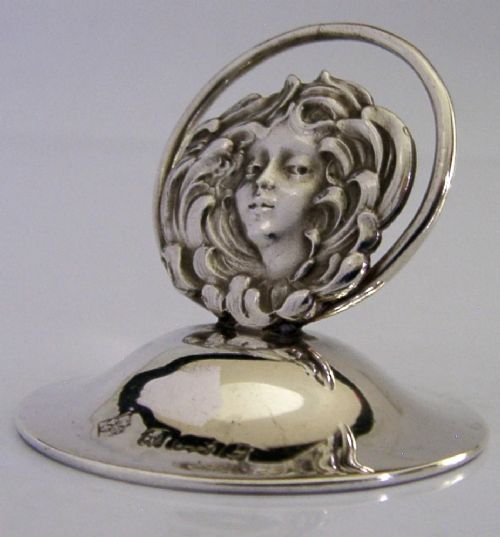
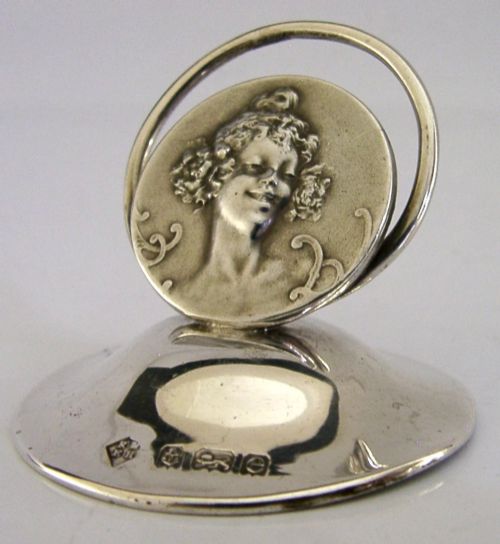
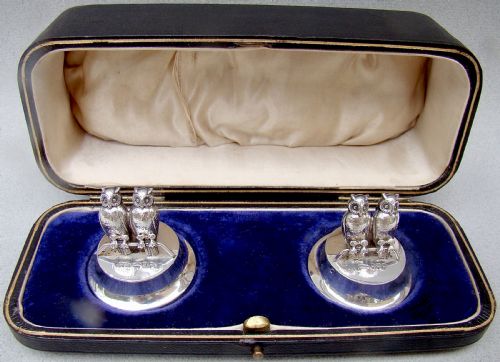
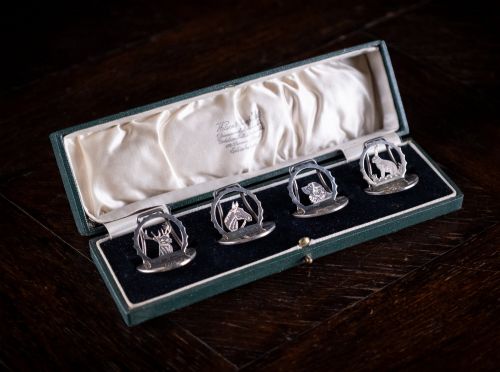
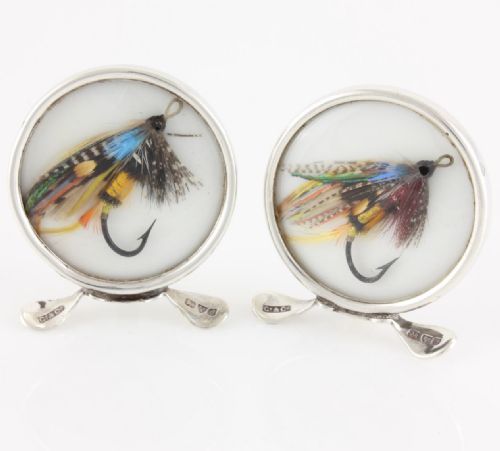
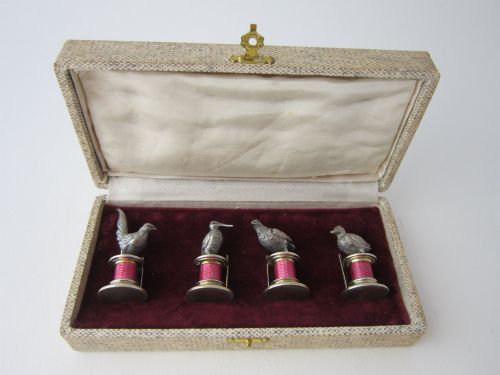
Silver table menu stands span several periods, with Edwardian examples appearing frequently alongside pieces from the Victorian, George V, George VI, and later decades. Buyers encounter both single items and matched sets, sometimes housed in fitted presentation boxes.
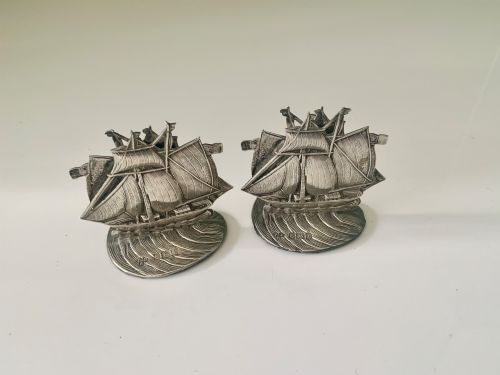
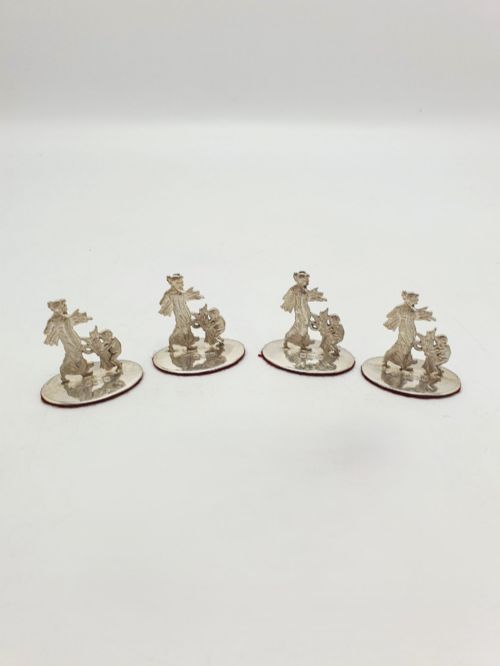
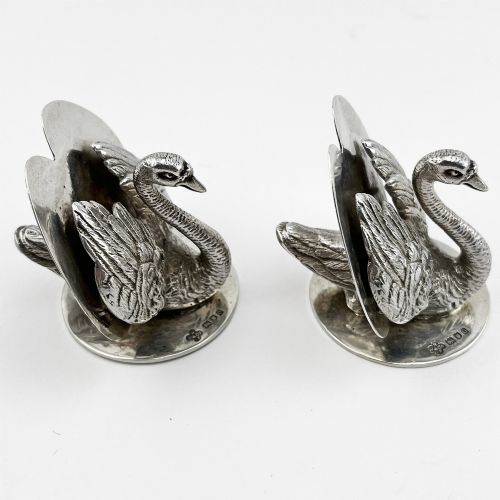
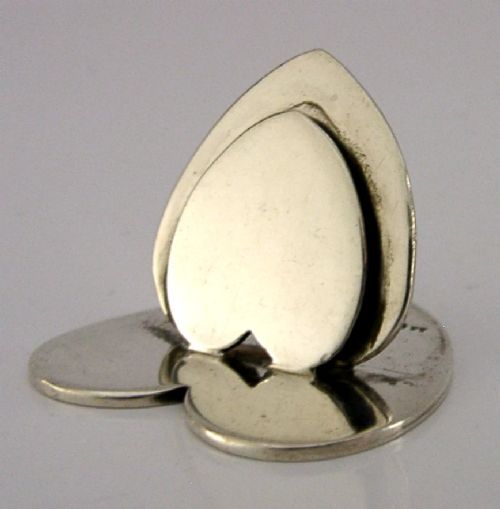
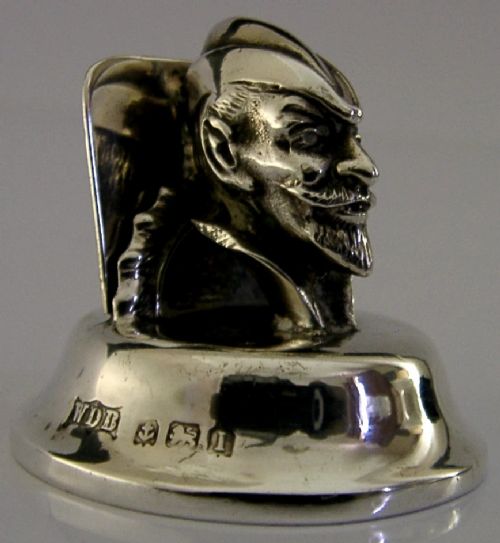
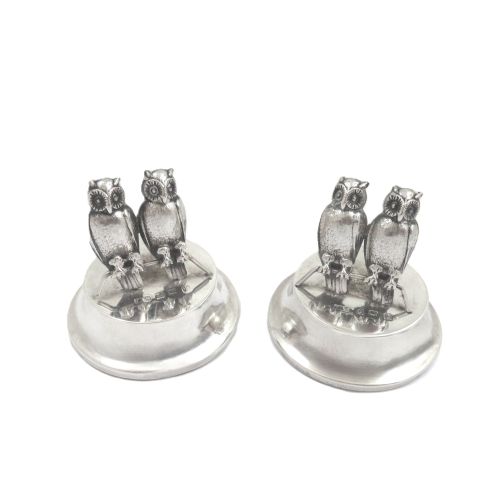
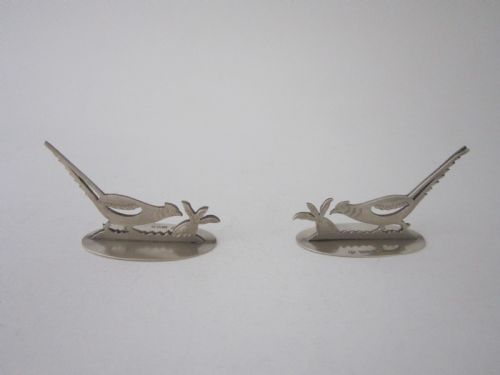
The forms range from simple architectural shapes to detailed figural designs, including animals, birds, and literary subjects. Materials typically include sterling silver and silver plate, occasionally combined with enamel, glass, velvet, silk, or leather details.
Quality variations
Completeness of sets and the survival of original enamelling or fitted boxes affect the character of the pieces. Hallmarks stamped clearly by regional assay offices provide reliable evidence of origin and period.
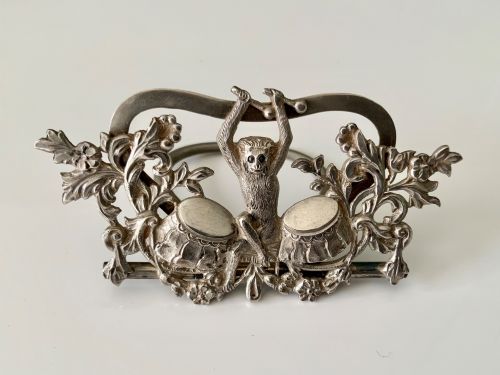
Dinners in the past involved monkeys playing drums, mice in sentry boxes, and characters from Alice in Wonderland keeping watch over the menu cards.
Levi & Salaman·A. Wilcox·Grey & Co·Sampson Mordan·Asprey·Liberty
The Silver Table Menu Stands Glossary
- Sterling silver
- A silver alloy containing 92.5 percent pure silver and 7.5 percent other metals, usually copper, ensuring durability for tableware accessories.
- Assay office
- An official body that tests the purity of precious metals and stamps items with hallmarks, including Chester, Birmingham, and London marks seen on these pieces.
- Place card holder
- A smaller companion accessory to the menu stand, utilised at formal dining settings to indicate where guests should sit.
- Chasing
- A silversmithing technique where metal is worked from the front using hammer and punches to raise surface decoration and fine details.
Silver Table Menu Stands: Frequently Asked Questions
What are silver table menu stands used for?
These pieces hold meal menus and name cards upright on dining tables during formal meals and gatherings. They keep information visible to guests while adding a decorative element to table settings.
Over time, collectors have prized them both for their original dining room utility and for their miniature sculptural qualities.
How do I know the period of a silver menu holder?
Assay office hallmarks stamped onto the metal provide definitive markers for dating British silver pieces. Date letters within these marks correspond to specific years of manufacture.
Stylistic indicators such as Art Nouveau curves or Art Deco geometries also point towards the era in which the item was made.
Are silver menu stands sold individually or in sets?
Makers produced both single stands for intimate dinners and matched sets numbering four, twelve, or twenty-four pieces for large banquets. Complete sets often survive alongside their original fitted presentation boxes.
Individual pieces frequently feature figural subjects like animals, military figures, or characters from literature.
What materials are combined with silver on these stands?
While sterling silver and silver plate form the primary structures, makers frequently incorporated coloured enamel for flags and decorative panels. Interiors or backing components sometimes utilise velvet, silk, leather, or glass elements.
Weighted internal bases help maintain stability when supporting heavier cards.