

Silver Table Lamp
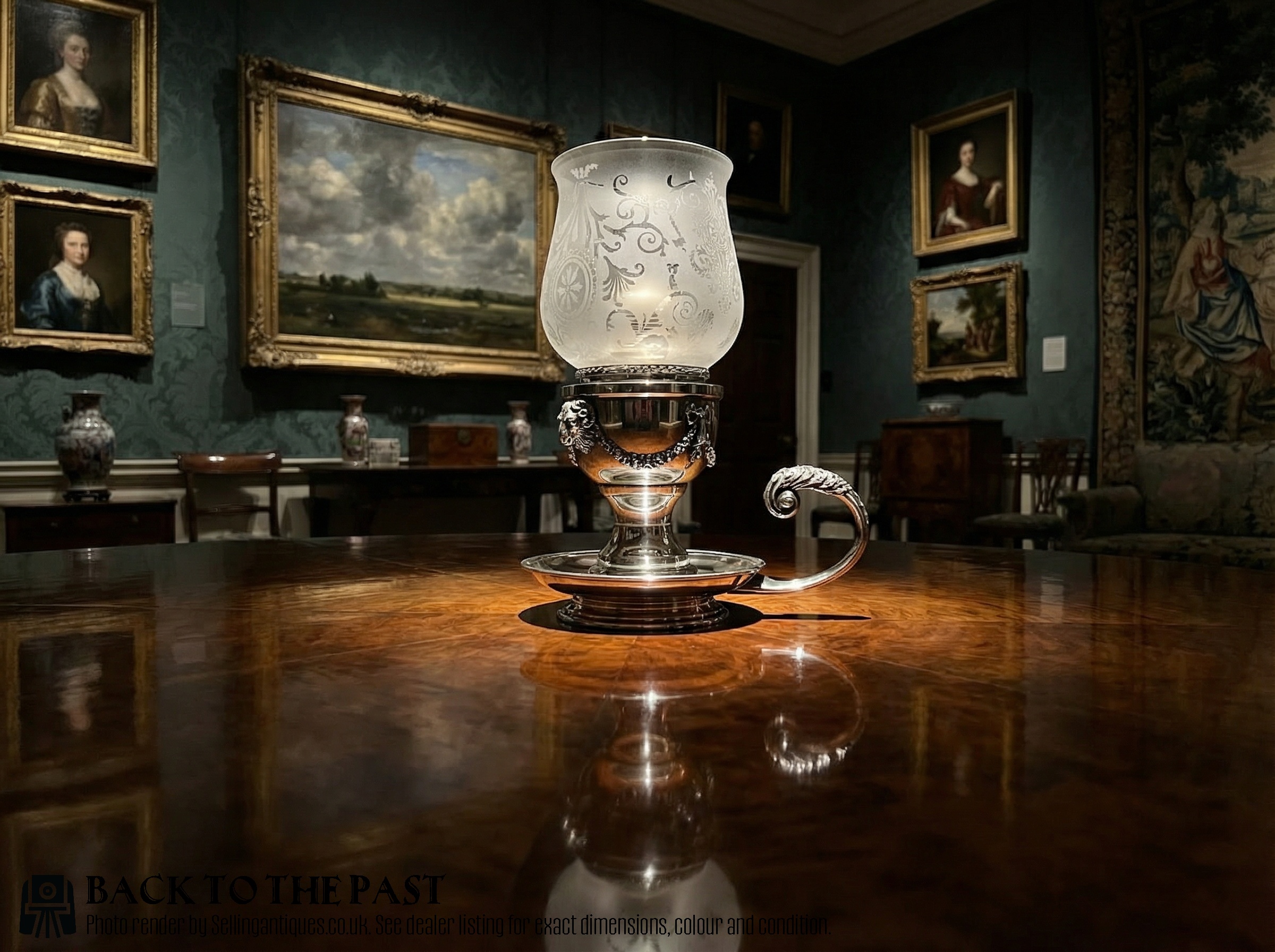
A silver table lamp brings a brilliant gleam and architectural presence to a room, offering warm illumination paired with enduring period craftsmanship.
Silver Table Lamp
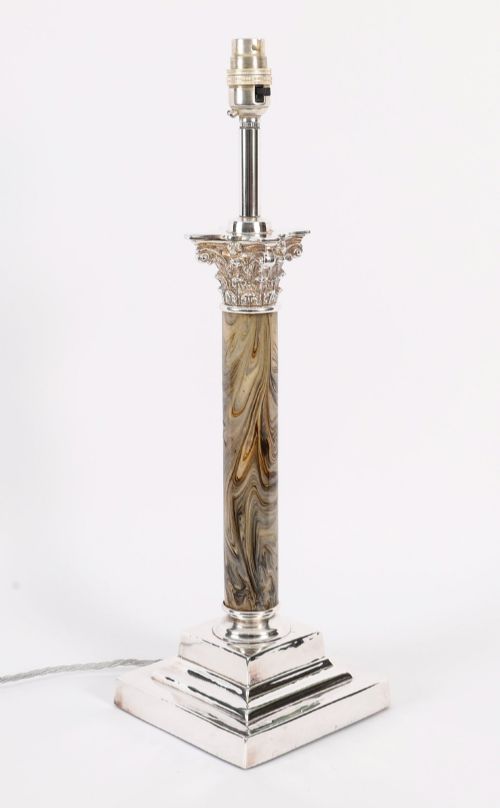
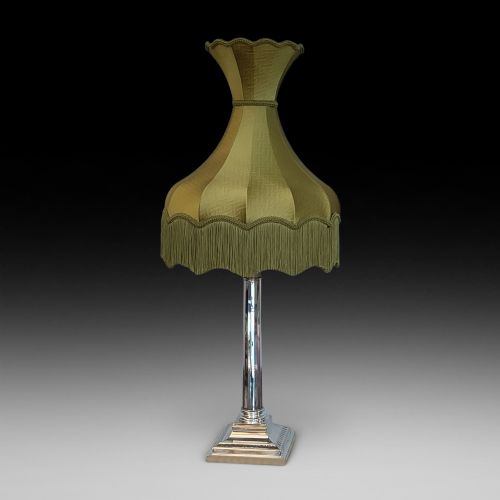
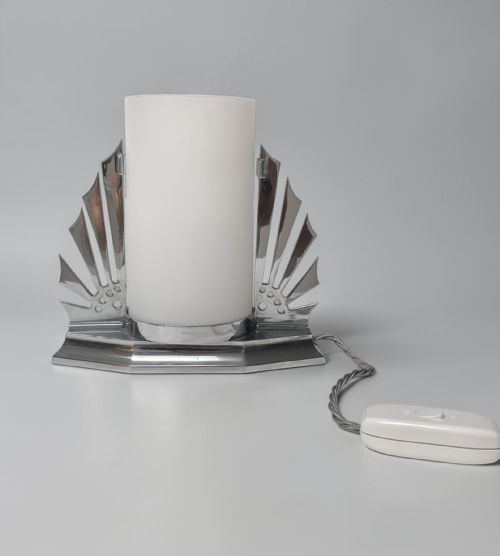
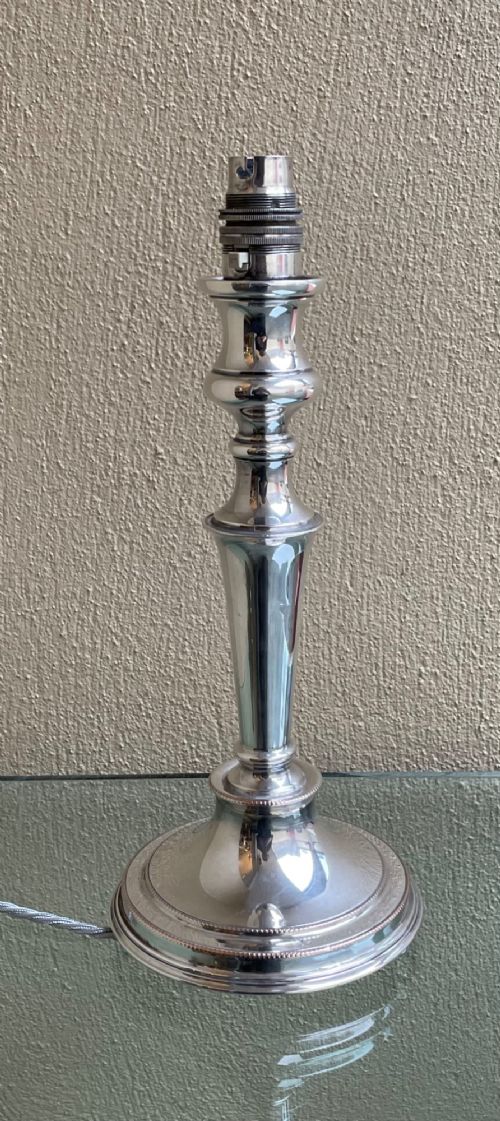
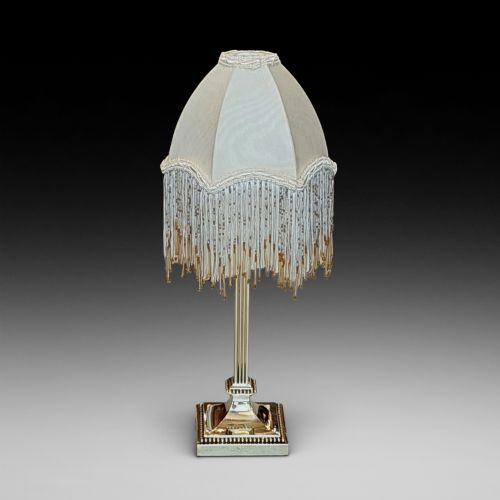
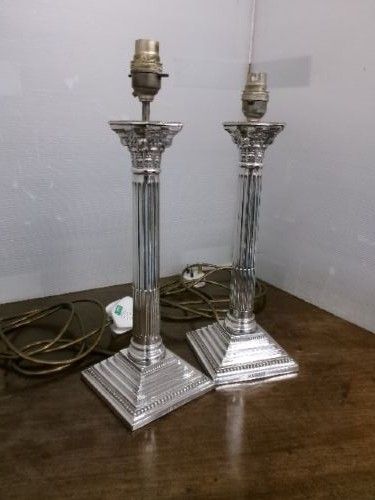
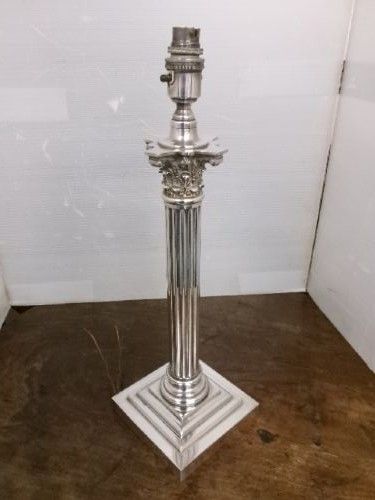
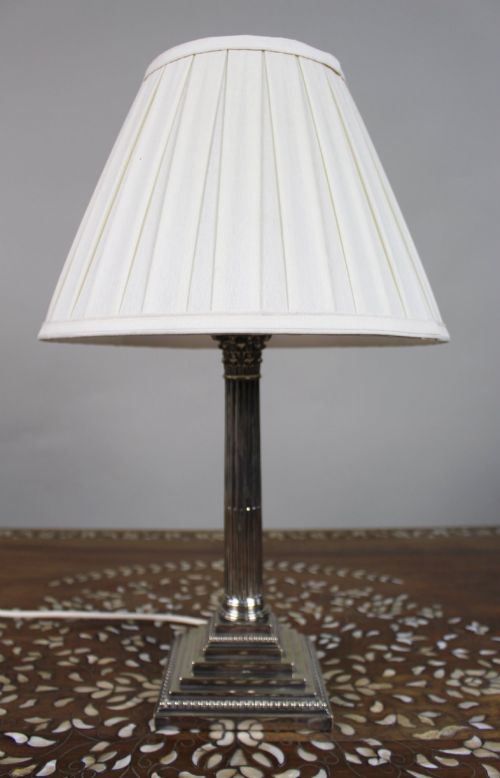
A silver table lamp search reveals a diverse collection spanning the Victorian, Edwardian, and Art Deco eras, with heavy representation of classical architectural revival forms. Buyers frequently encounter silver-plated Corinthian column designs that draw upon neoclassical motifs, standing alongside streamlined chrome pieces from the 1930s.
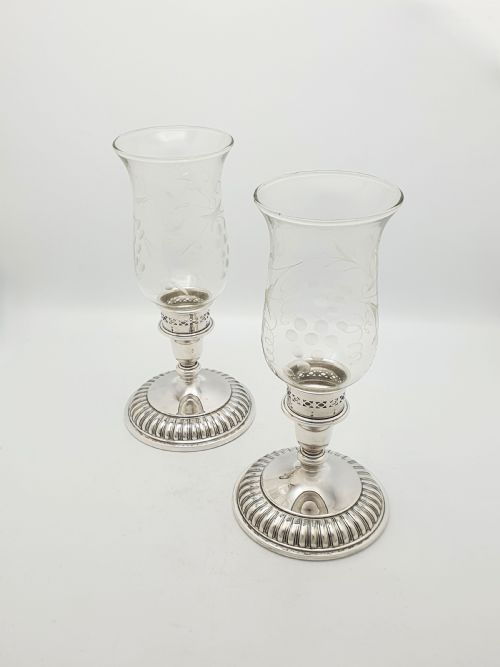
The inventory encompasses table lighters, desk lamps, and converted candelabras alongside standard lamp bases, showcasing how lighting merged with domestic utility across the nineteenth and twentieth centuries. Origins span English silversmiths, French makers, and American studios, utilising metals, glass, and fabric shades.
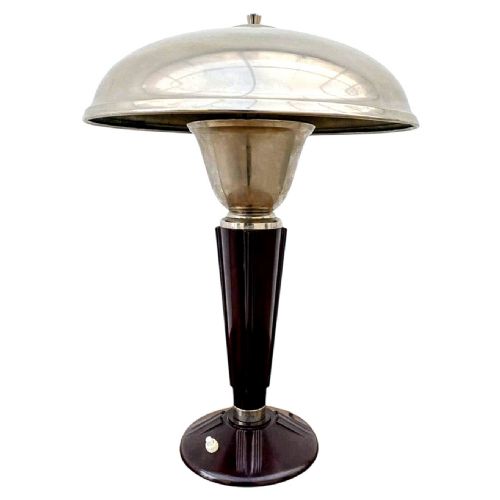
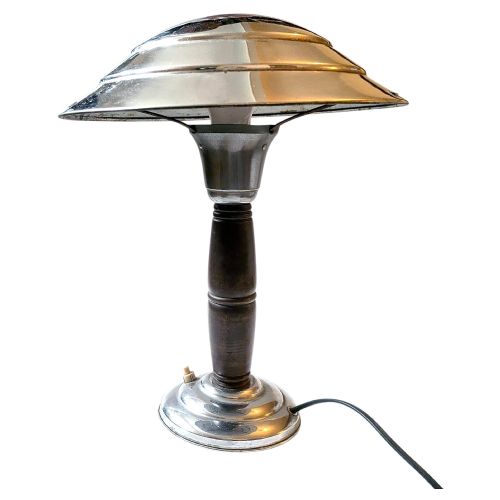
Victorian and Edwardian examples lean heavily toward formal architectural orders, whilst later twentieth-century items embrace modernist machine-age aesthetics and Bakelite detailing. These pieces function both as practical light sources and as focal points for side tables and desks.
Materials and construction methods
Silversmiths built the finest traditional lamp bases using sterling silver or substantial silver plate over base metals, often employing weighted bases for stability. Corinthian columns required precise casting and fluting of shafts, topped with detailed acanthus leaf capitals.
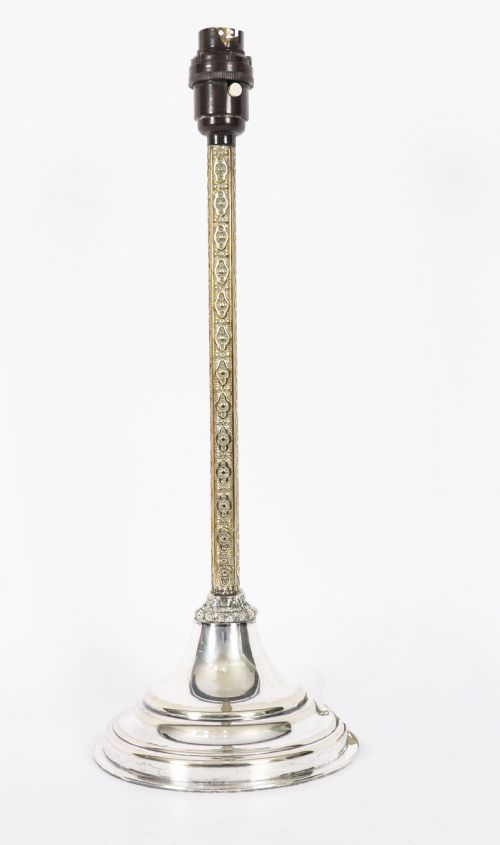
Twentieth-century production introduced chrome plating, brass cores, and moulded Bakelite components, reflecting a shift toward industrial materials in Art Deco design. Wiring configurations varied, with many surviving examples subsequently rewired for modern electrical safety standards.
Silver Table Lamp Retail Price Guide 2026
Typical asking prices for silver table lamp among the pieces listed under this phrase on Sellingantiques today, from the lower quarter to the upper quarter. They describe what is for sale here now, not the wider market.
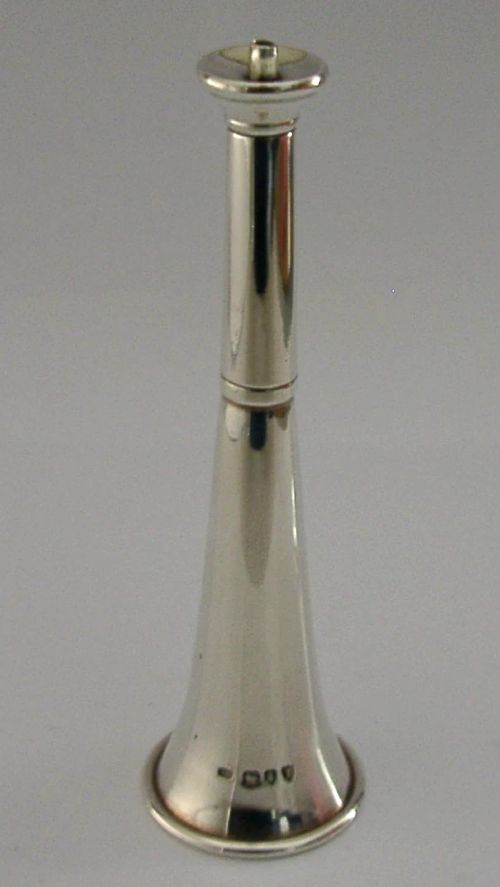
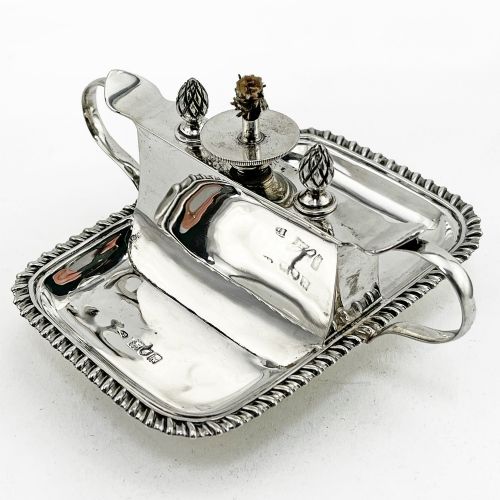
Some Victorian smokers ignited their cigars using miniature silver oil lamps shaped precisely like Aladdin's magical vessel.
Determinants of quality
Quality rests in the crispness of casting detail on column capitals, the weight of the metal used, and the integrity of the silver plating over the underlying brass or copper body. Superior pieces display deep, sharp relief in decorative friezes and retain a thick layer of silver without base metal bleeding through.
Maker attribution elevates certain pieces, particularly those bearing marks from renowned silversmiths such as Mappin & Webb or the Goldsmiths and Silversmiths Company. The balance of proportions and the survival of original components, from weighted bases to switch mechanisms, further distinguish high-tier examples.
Mappin & Webb·Goldsmiths and Silversmiths Company·Walker & Hall·Hinks·Fattorini & Sons·Hawksworth Eyre & Co·Herbert Terry·Eileen Grey·Birks·Braham
The Silver Table Lamp Glossary
- Corinthian column
- A classical architectural order featuring an ornate capital decorated with carved acanthus leaves, frequently utilised as the main shaft for formal lamp bases. This form gained immense popularity during the Victorian and Edwardian periods.
- Silver plate
- A manufacturing technique where a thin layer of silver is bonded to a base metal such as copper, brass, or nickel silver. This method allowed makers to produce large, decorative items at a lower cost than solid sterling silver.
- Bakelite
- An early form of synthetic plastic developed in the early twentieth century, prized in Art Deco design for its durability and rich dark tones. It appears on desk lamps and switches from the 1930s.
- Table lighter
- A functional desk or table accessory designed for lighting cigars and cigarettes, occasionally repurposed or styled similarly to miniature oil lamps and candlesticks.
Silver Table Lamp: Frequently Asked Questions
How do I date a silver table lamp?
Dating relies on identifying style markers, maker's marks, and structural clues such as wiring access holes and weighted bases. Victorian and Edwardian examples often feature classical revival motifs, whilst 1930s pieces showcase streamlined chrome or Bakelite.
Assay office stamps and registration numbers found on the metalwork provide exact production years for sterling silver items and marked silver-plated pieces.
Are these lamps safe to use today?
Many surviving antique lamps have been rewired to meet modern electrical standards, often noted as PAT tested in dealer records. Conversions from older oil or candle lamps are common.
Buyers should inspect the internal wiring and bulb holders to ensure compatibility with current household electrical safety requirements.
How should I clean silver-plated lamps?
Cleaning requires a soft microfibre cloth and a specialist silver polish formulated for plated items to avoid wearing through the thin metal layer. Harsh abrasives will strip the silver entirely from the underlying brass.
Gentle, regular dusting and minimal polishing preserve the aged patina and protect recessed details on embossed capitals and bases.