




Silver Spice Sifter
These silver spice sifter pieces are refined tablewares designed to dispense seasoning or sugar, combining utility with distinct period elegance.
Silver Spice Sifter
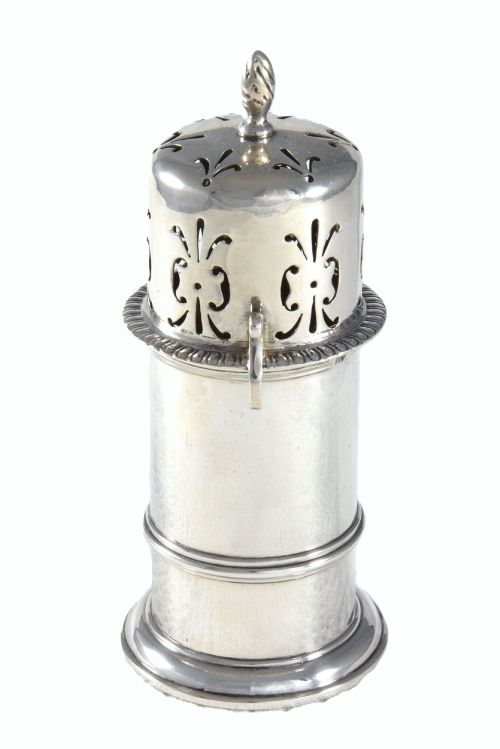
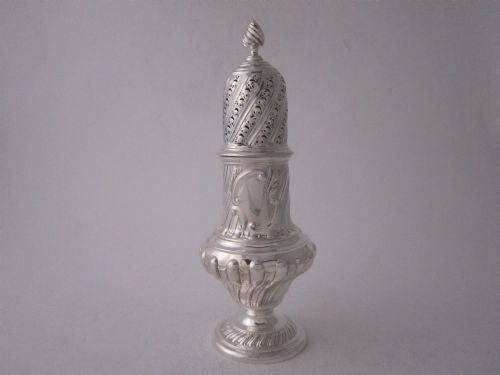
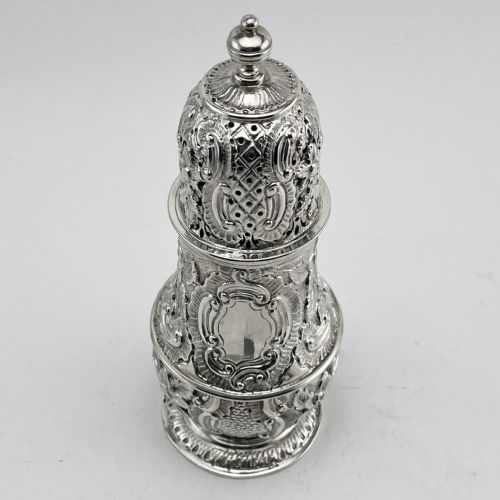
A silver spice sifter encompasses both tall standing casters and delicate spoons used historically for dusting fine spices and sugars over food and drink. When exploring this selection, buyers frequently encounter standing muffineers alongside pierced spoons originating from the Georgian, Victorian, and Edwardian eras.
The form evolved from early Georgian standing vessels and sifting spoons into later Victorian and Edwardian interpretations, as well as mid-twentieth-century examples. Makers utilised sterling silver exclusively across these periods, applying decorative styles ranging from classic Georgian threading to flowing Art Nouveau contours.
How they were made
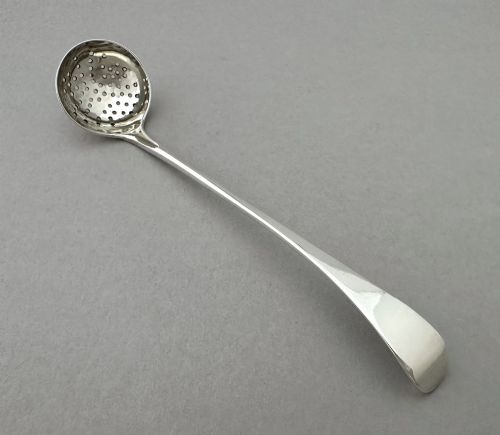
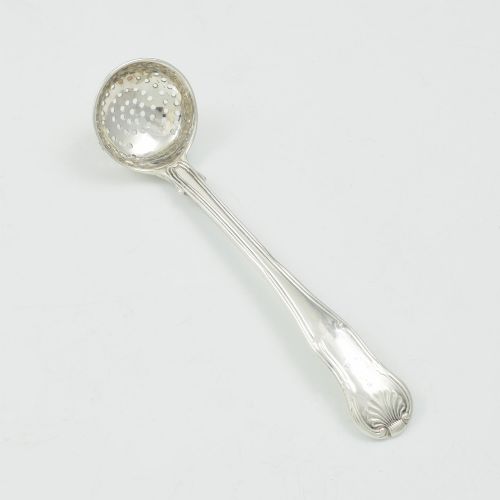
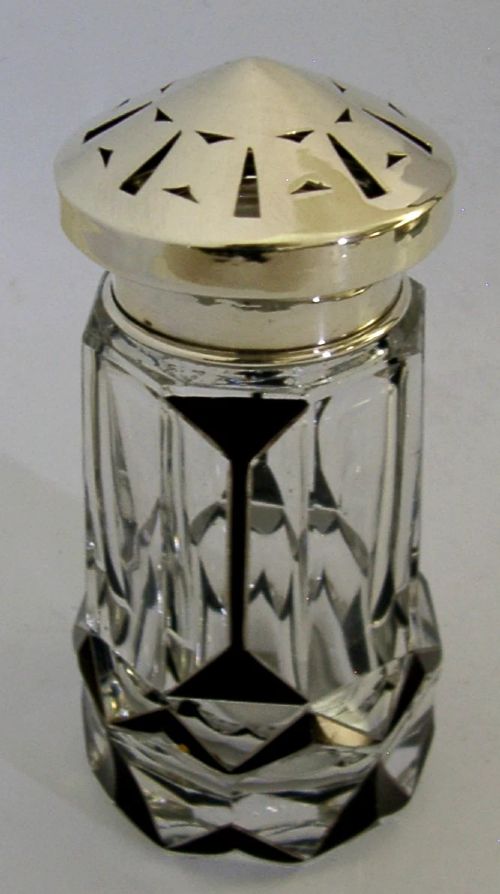
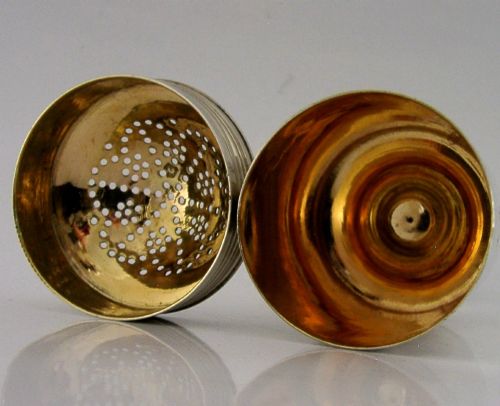
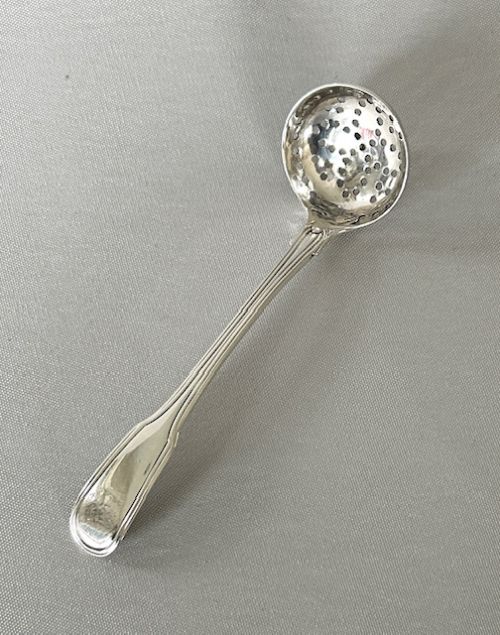
Silversmiths constructed standing casters using sterling silver, piercing the removable top lids with intricate patterns to allow powdered sugar or spices to pass through evenly. Spoons designed for sifting were similarly pierced in the bowl, often paired with traditional handle designs such as the King's Hourglass or Fiddle pattern.
Workshop production involved traditional hallmarking practices, stamping the sterling silver with city marks, date letters, and maker's marks to certify purity and origin. Surface decoration relied upon hand-engraving and chased detailing rather than cast-on ornamentation alone, particularly evident in pieces bearing maker attributions.
Silver Spice Sifter Retail Price Guide 2026
Typical asking prices for silver spice sifter among the pieces listed under this phrase on Sellingantiques today, from the lower quarter to the upper quarter. They describe what is for sale here now, not the wider market.
Listings span multiple design eras including Georgian, Victorian, Edwardian, and Art Nouveau, all executed entirely in sterling silver.
What varies in quality
Quality rests in the crispness of the pierced lid apertures and the proportional balance of the standing caster or spoon handle. Finer pieces maintain strong structural integrity in the silver walls without excessive thinning from polishing over generations.
The precision of the maker's punch marks and the clarity of decorative engraving separate standard production items from superior workshop output. Pieces retaining legible hallmarks and unblemished piercing command greater interest from discerning collectors.
Stephen Adams·James Dixon & Sons Ltd·Evald Nielsen
The Silver Spice Sifter Glossary
- Muffineer
- A small caster used for sprinkling sugar or salt upon muffins or toast. This term appears frequently in descriptions of Georgian standing silver vessels.
- Sterling silver
- An alloy consisting of ninety-two point five percent silver and seven point five percent other metals, typically copper. All items recorded in these listings are formed from this standard material.
- Hallmark
- An official stamp applied to precious metals indicating the standard of purity, the assay office, and the year of manufacture. These marks provide the primary evidence for dating older pieces.
- Fiddle pattern
- A nineteenth-century flatware style characterised by a shoulder resembling a violin shape near the terminal of the handle. It occurs among the sifting spoons listed in the inventory.
- Caster
- A small container with a perforated top used for dusting food with sugar or spices. Examples range from eighteenth-century Georgian designs to mid-twentieth-century productions.
Silver Spice Sifter: Frequently Asked Questions
What is a silver spice sifter used for?
These pieces were utilised for sprinkling fine spices, condiments, or sugar onto food and beverages at the dining table.
The pierced bowl of a sifter spoon or the perforated lid of a caster allowed the contents to be distributed evenly without lumps.
How do I date a silver spice sifter?
Dating relies upon examining the official hallmarks stamped into the sterling silver, which indicate the assay office and the specific year of testing.
Stylistic indicators, such as Georgian fiddle patterns or Art Nouveau contours, provide additional context when hallmarks are rubbed.
Are these pieces made of solid silver?
The listings record sterling silver as the sole material used across all featured items, from standing casters to sifting spoons.
This composition ensures durability and value, distinguishing solid silver tablewares from plated alternatives.
What is the difference between a caster and a sifter spoon?
A caster is a vertical standing vessel featuring a secure, pierced push-on or screw-on lid for shaking contents.
A sifter spoon is a flatware implement with a perforated bowl designed to lift and strain powdered ingredients simultaneously.
How should I clean antique silver?
Maintenance requires gentle washing with warm soapy water and a soft cloth to preserve the original surface and historical patina.
Harsh abrasive pastes should be avoided, as excessive scrubbing can wear away crisp hallmarking and delicate hand-engraving.