


Silver Smelling Box
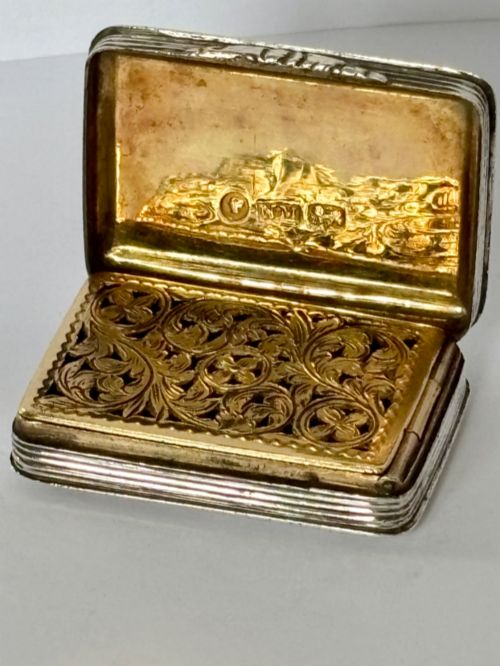
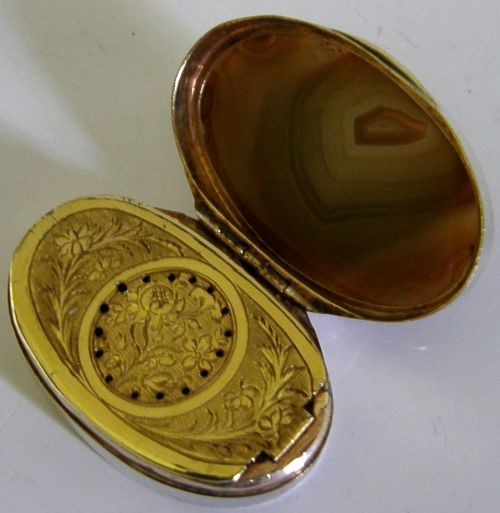
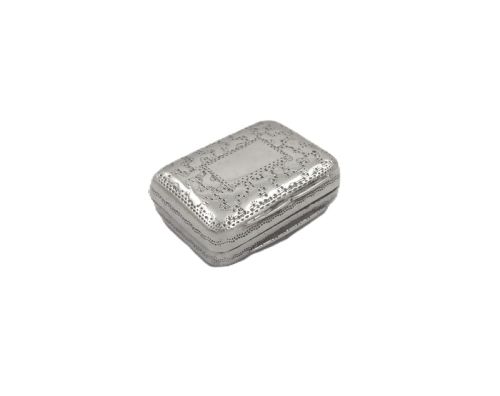
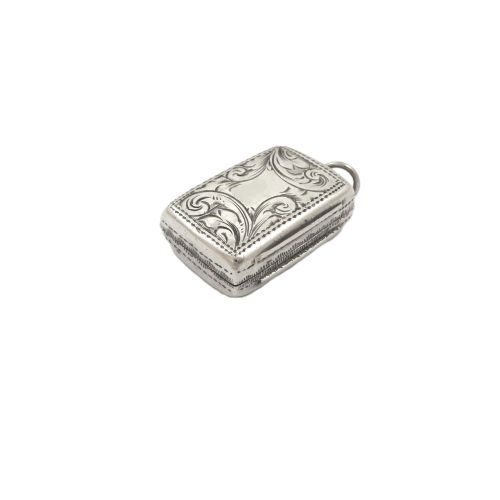
A silver smelling box is a small pocket receptacle designed for personal aromatics, most often taking the form of a vinaigrette.
Silver Smelling Box
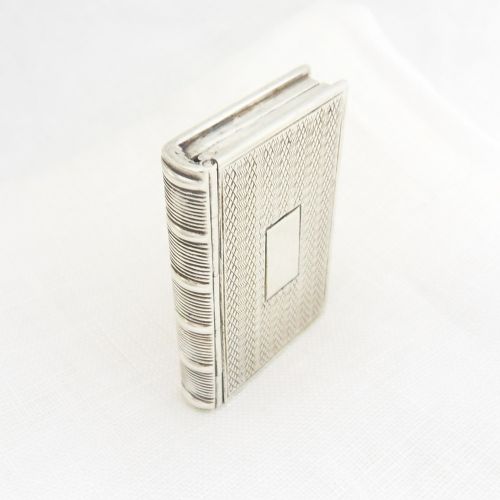
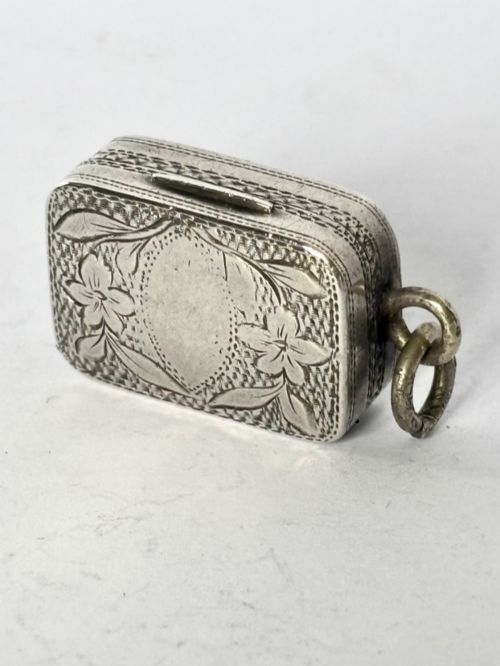
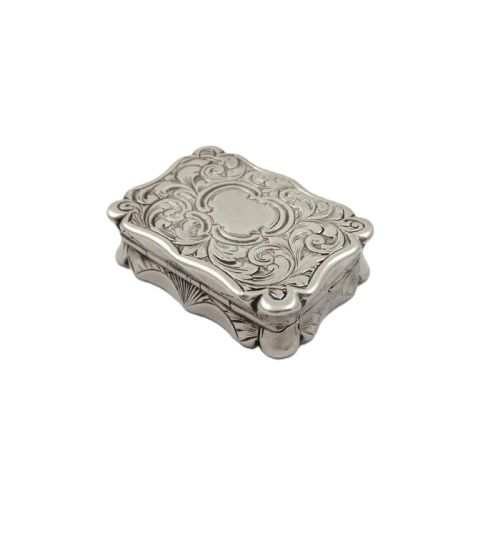
A silver smelling box for sale on this page appears primarily as a vinaigrette, alongside scent bottles and small silver boxes. These pocket containers date from the Georgian and Victorian periods, with examples spanning the eighteenth and nineteenth centuries.
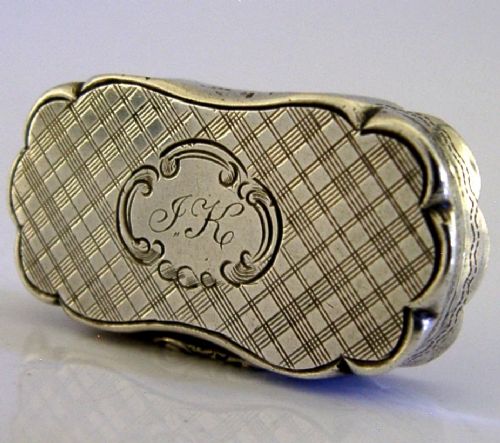
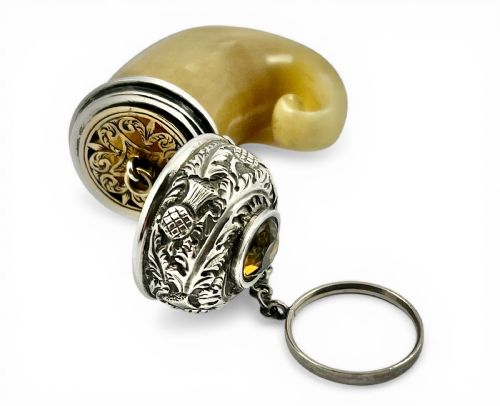
The objects take various forms, including egg shapes, barrels, walnut styles, novelty fish, and castle top boxes depicting buildings such as Christchurch College, Oxford. Materials extend beyond sterling silver to incorporate agate, granite, horn, citrine, leather, silk, and velvet.
Makers working in Birmingham, London, Chester, and Edinburgh produced these items, sometimes supplying them in original cases complete with internal sponges.
Materials and construction
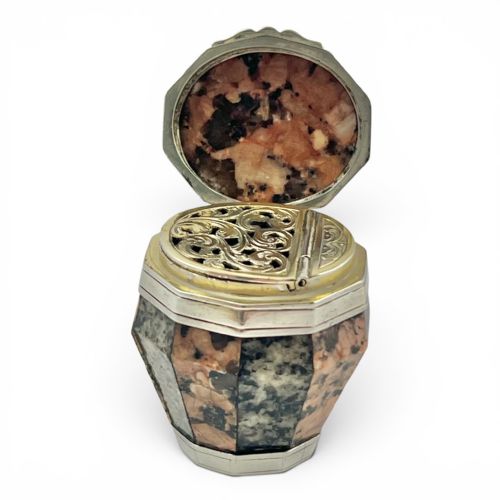
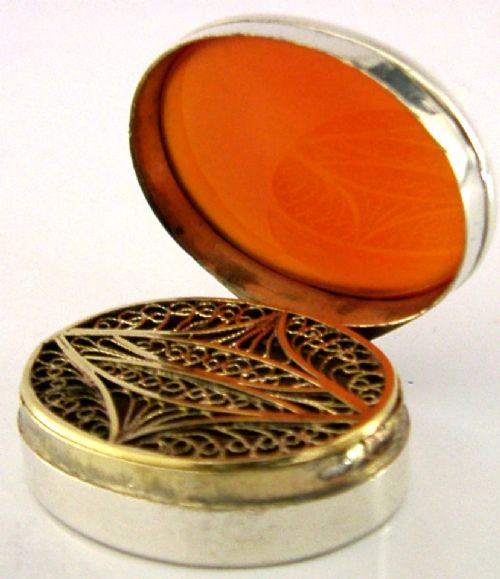
Silversmiths constructed these pieces using sterling silver and silver gilt, frequently combining metalwork with organic or mineral elements like cowrie shells, orange agate, red Moroccan leather, and Scottish granite. Artisans also lined interiors with silk and velvet to house the functional components.
Techniques involved intricate casting, piercing, and engraving to form the miniature boxes and their internal grille inserts. Workshops utilised specialised materials such as horn and citrine to create novelty designs like barrels and walnut-styled boxes.
Silver Smelling Box Retail Price Guide 2026
Typical asking prices for silver smelling box among the pieces listed under this phrase on Sellingantiques today, from the lower quarter to the upper quarter. They describe what is for sale here now, not the wider market.
Listings feature sterling silver, silver gilt, agate, horn, and granite across Georgian and Victorian periods.
Quality factors in silver smelling boxes
Quality rests on the crispness of the exterior chasing and the precision of the internal pierced grille. Pieces featuring specialised motifs, such as castle top scenes or novelty animal forms like articulated fish, demonstrate higher levels of artisanal skill.
The inclusion of uncommon materials like agate, horn, or citrine, alongside original leather cases and intact internal sponges, elevates the distinction of a piece within this category.
Samuel Pemberton·Thomas Johnson·Horton And Allday·Nathaniel Mills·Edward Smith·Samson Mordan·John Bettridge
The Silver Smelling Box Glossary
- Vinaigrette
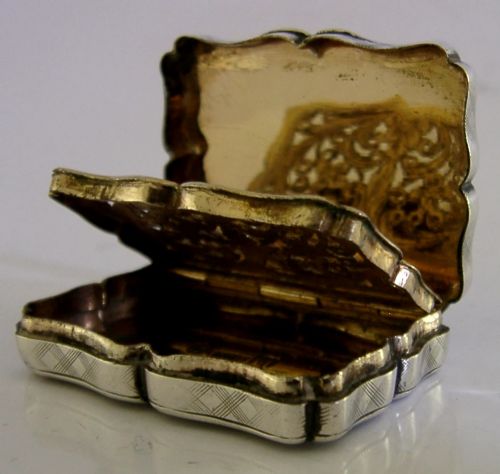
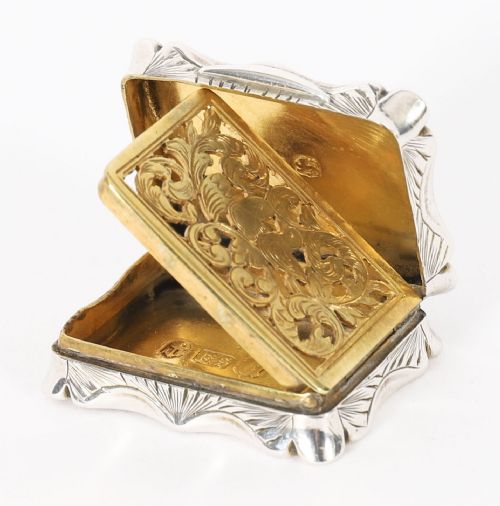
- A small ornamental box containing a perforated grill, used to hold a sponge soaked in aromatic vinegar. These items were carried in pockets or reticules during the Georgian and Victorian eras.
- Silver Gilt
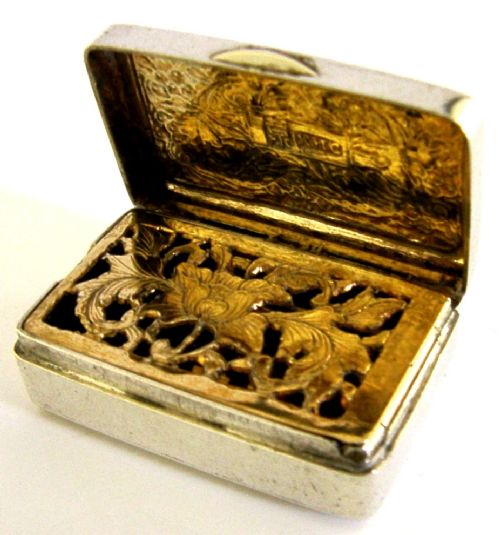
- Silver that has been coated with a thin layer of gold on its surface. This technique provided a rich golden interior finish to protect the metal from corrosive vinegars.
- Castle Top
- A specialised style of box featuring a high-relief architectural depiction of a famous building or landmark on the lid. Examples from this tradition frequently showcase specific British colleges or monuments.
- Sterling Silver
- An alloy consisting of silver and other metals, traditionally copper, standardised for durability and use in silverware. Most boxes from these periods utilise this standard.
- Agate
- A rock formation consisting of chalcedony and quartz, utilised for decorative panels set into the lids of boxes. The stone displays natural banded patterns in colours such as orange.
Silver Smelling Box: Frequently Asked Questions
What is a silver smelling box?
A silver smelling box is a small portable container, most commonly a vinaigrette, designed to hold a fragrant sponge or aromatic salts. Owners carried them to ward off unpleasant odours in public spaces.
These pieces feature a hinged lid and an internal pierced grill that allowed the scent to diffuse while keeping the damp sponge contained.
How were these boxes used?
Owners carried the boxes in pockets, waist-chains, or reticules during social outings. When unpleasant odours arose, the user opened the outer lid to inhale the vinegar-soaked sponge inside.
The pierced internal grill remained fixed or hinged in place, allowing air to pass through the aromatic medium without dropping the sponge.
How do I date a silver smelling box?
Dating relies upon hallmarks stamped into the silver, which indicate the assay office, the year of production, and the maker's mark. Birmingham and London offices feature prominently among these items.
Stylistic shifts also help establish age, moving from simple Georgian forms toward ornate Victorian novelty shapes like animals and architectural castle tops.
What materials are found inside?
Interiors typically house a gilded silver wash, known as silver gilt, which prevented the acidic vinegar from tarnishing the base metal. Many also retain their original fabric linings of silk or velvet.
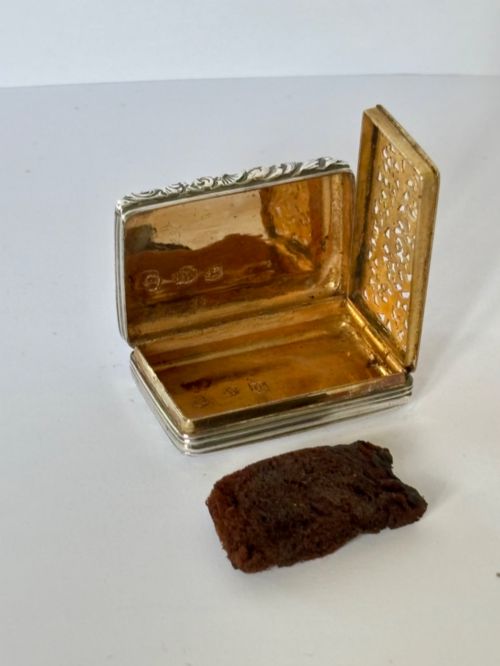
Some examples preserve their original small sponge resting beneath the decorative pierced metal grill.