


Silver Plated Vanity Tray
A silver plated vanity tray brings tabletop elegance to a bedroom or dressing room, offering a reflective surface for bottles and jars.
Silver Plated Vanity Tray
A silver plated vanity tray spans several decades of decorative design, ranging from early twentieth century Edwardian examples to later mid twentieth century interpretations. Buyers seeking a silver plated vanity tray will encounter diverse forms including mirror plateaus, serving trays, and galleried designs intended for personal grooming items or cocktail service.
The materials and periods represented on this page stretch from Victorian and Edwardian iterations through the Interwar period and Art Deco movements up to nineteen sixty. Continental and British workshops produced these utilitarian yet decorative objects using silver plate and nickel silver over base metal, often incorporating glass or mirror inserts.
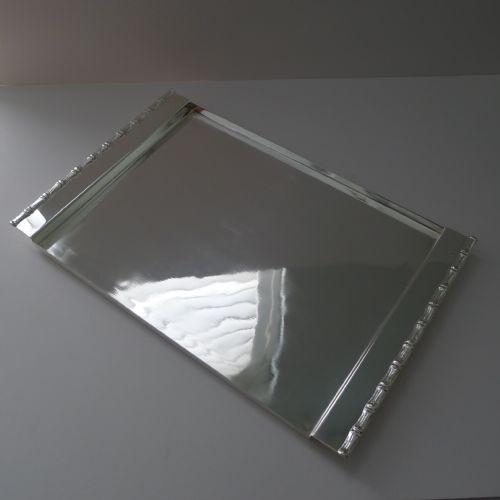
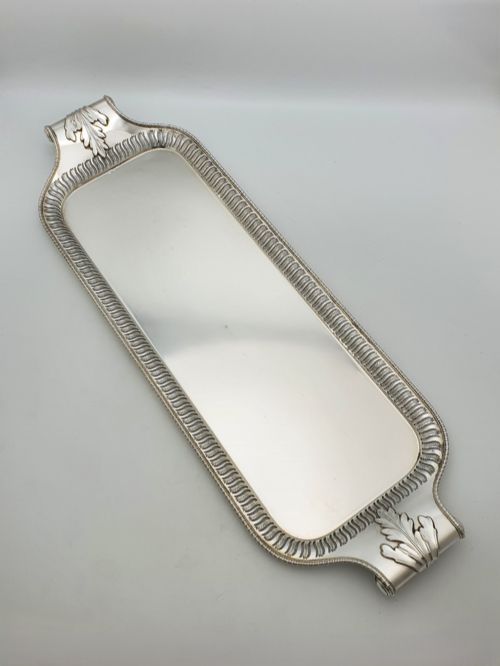
Formats vary significantly, from oval serving pieces with embossed scrolls and pierced borders to modernist iterations featuring bamboo handles or cobalt blue mirror glass. Whether choosing a French sideboard mirror tray or an antique gallery tea tray, each piece reflects the prevailing aesthetic of its production era.
Materials and construction methods
Makers constructed these pieces using a base metal or nickel silver foundation, applying a silver plated layer over the surface to achieve the appearance of solid silver. Workshops utilised electroplating techniques, designated as EPNS, to bond the silver coating securely to the underlying metal substrate.
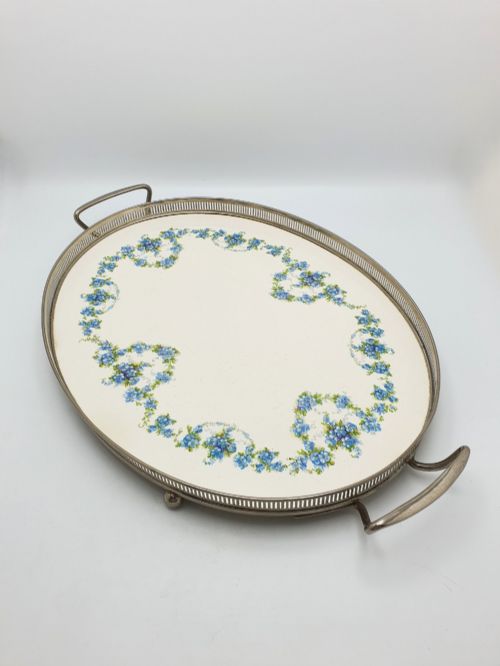
Many items incorporate glass, ceramic elements, or etched mirror plate inserts held within metal frames or borders. Decorative details such as pierced galleries, embossed scrolls, and bamboo handles were cast, stamped, or soldered onto the main body during manufacture.
Current listings feature materials including silver plate, nickel silver, ceramic, and mirror glass across Edwardian, Art Deco, and mid-century periods.
Assessing quality and craftsmanship
Quality in these pieces depends on the crispness of the chased or embossed decoration and the structural integrity of borders and handles. Heavier base metal foundations and intact silver plating without extensive wear separate superior examples from simpler utilitarian items.
The integration of materials also defines the standard, such as the clarity of etched mirror glass and the secure fitting of ceramic centres or cobalt glass inserts. Well executed pierced work and robust gallery construction indicate higher grade workshop output.
Hukin & Heath·W M F
The Silver Plated Vanity Tray Glossary
- Silver Plate
- A thin layer of silver applied over a base metal foundation such as copper, brass, or nickel silver. This technique allowed makers to produce durable decorative items at a lower cost than solid silver.
- Mirror Plateau
- A low tray featuring a mirrored glass base designed to reflect light and display glassware, decanters, or dressing table accessories. These pieces often sit on small feet.
- EPNS
- Electroplated Nickel Silver. A common industrial standard for silver plating where a layer of silver is deposited onto a nickel alloy base through an electrical process.
- Gallery Tray
- A tray featuring an upright pierced or solid metal gallery border around the perimeter. This rim prevented items from sliding off during service or movement.
- Art Deco
- A design style popular during the nineteen twenties and thirties characterised by geometric shapes, stylised motifs, and sleek lines. It followed the more organic curves of Art Nouveau.
Silver Plated Vanity Tray: Frequently Asked Questions
What is a silver plated vanity tray used for?
These trays were traditionally utilised on dressing tables or sideboards to organise perfume bottles, grooming accessories, or drinking vessels. They provided a stable and decorative surface that protected wooden furniture from moisture and scratches.
Over time, their domestic function expanded from the bedroom to the dining room and drawing room for serving drinks or displaying decorative objects.
How do I clean a silver plated vanity tray?
Cleaning requires a soft cloth and a specialised silver polish formulated for plated items rather than solid silver. Gentle application prevents the underlying base metal from showing through worn plating.
Harsh abrasive cleaners or prolonged soaking in water should be avoided, particularly on pieces with mirror glass inserts or cemented joints.
How do I date an antique silver plated tray?
Dating relies on stylistic clues such as the flowing floral motifs of Art Nouveau or the geometric lines of Art Deco and the nineteen sixties. Hallmarks, maker marks, and manufacturing stamps stamped into the metal also provide chronological markers.
Additionally, the choice of materials, such as early twentieth century nickel silver or later EPNS standards, helps narrow the period of production.
Can I use these trays for serving food?
While many historic examples functioned as serving trays for tea or cocktails, modern usage often depends on the condition of the silver plating and the integrity of any mirror or glass base. Items with worn plating or delicate mirror inserts are better suited for display.
For functional food service, ensure the surface is thoroughly cleaned and free from tarnish residues.