


Silver Plated Tea Accessories
Silver plated tea accessories bring the refined hospitality of past centuries to the modern table, offering gleaming vessels for sugar, biscuits, and hot water.
Silver Plated Tea Accessories
Silver plated tea accessories encompass the auxiliary vessels that accompany the teapot on the dining or drawing room table, including sugar bowls, cream jugs, biscuit barrels, spirit kettles, and trays. These items bridge the gap between pure utility and formal presentation, turning the service of tea and hospitality into a polished ritual.
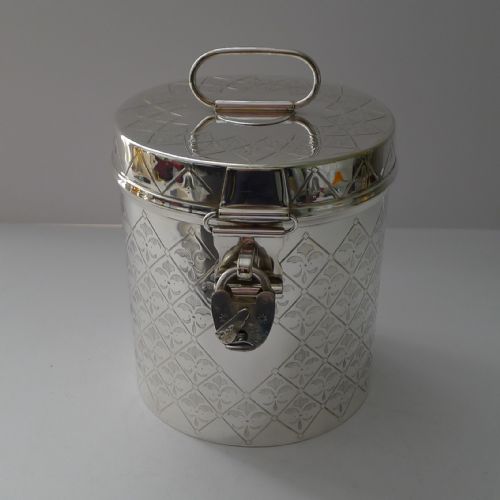
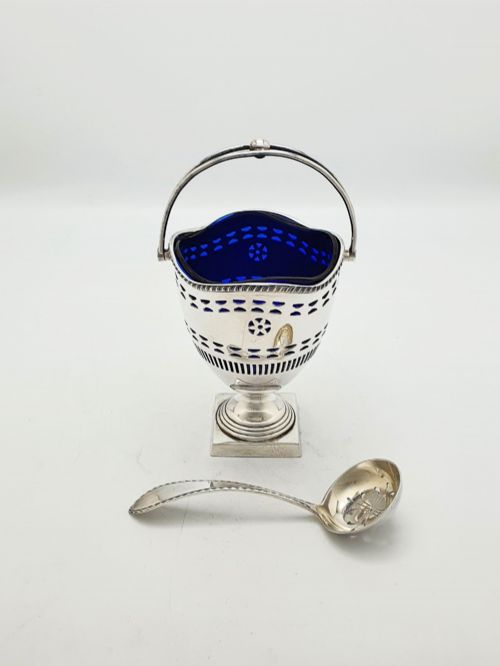
The selections available here span multiple eras, most notably the Victorian, Edwardian, and Art Deco periods. Buyers encounter functional forms such as locking biscuit boxes, pierced sugar bowls fitted with glass liners, and matched sugar and creamer sets reflecting design shifts from ornate nineteenth-century revivalism to sleek twentieth-century minimalism.
How they were made
Makers utilised base metals like copper and nickel silver as the structural core for these objects, applying silver through traditional plating techniques or electroplated nickel silver, known as EPNS. Sheffield plating forms an early foundation in the evidence, binding a thin sheet of silver to a copper base before shaping.
Many pieces incorporate contrasting materials to enhance both function and visual appeal, pairing polished metalwork with cut glass bodies, cobalt glass liners, and internal gold gilt finishes. This combination of glass and metal requires precise framing and mounting to secure fragile liners within sturdy plated galleries and frames.
What varies in quality
The distinction between standard examples and top-tier items lies in the crispness of the chased or pierced ornamentation and the integrity of the underlying metalwork. Superior pieces display substantial weight in the metal and secure, precise mechanics in functional elements like locking mechanisms on biscuit boxes and articulated spirit kettle stands.
Makers and retail houses of high repute invest greater artistry in auxiliary details, such as hand-cut glass liners, thick gold gilding on interior surfaces, and balanced proportions. The depth of the silver deposit and the preservation of the original plating over decades further define the lasting merit of each piece.
Mappin and Webb·Walker and Hall·Asprey London
The Silver Plated Tea Accessories Glossary
- Electroplated Nickel Silver
- A base alloy of copper, nickel, and zinc coated with a layer of pure silver through an electrolytic process. This method became the dominant industrial standard for manufacturing plated wares from the mid-nineteenth century onward.
- Sheffield Plate
- An early composite material produced by fusing a sheet of silver to a thicker copper ingot under heat and pressure before rolling it into sheets. It is typically identified by a rich lustre and occasional subtle traces of copper showing through high points.
- EPNS
- The standard trade abbreviation for Electroplated Nickel Silver, frequently stamped onto the base of late Victorian and twentieth-century tableware. It denotes the metallic composition beneath the silver coating.
- Biscuit Barrel
- A covered ceramic, glass, or metal container designed specifically for storing dry biscuits or dry cakes on the tea table. Victorian examples often featured locking mechanisms or hinged lids mounted on silver plated stands.
- Spirit Kettle
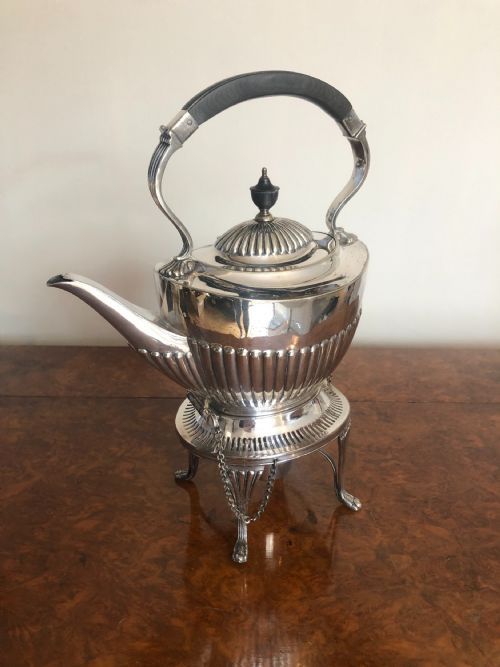
- A small water kettle suspended above a small spirit burner on a metal stand, allowing hostesses to keep water hot at the table. They represent some of the most mechanically complex and visually impressive pieces in a tea service.
Silver Plated Tea Accessories: Frequently Asked Questions
What are silver plated tea accessories?
Silver plated tea accessories are the supportive vessels and serving pieces used alongside teapots during formal and informal tea service. They include items such as sugar basins, cream jugs, biscuit barrels, and kettles.
These items provide both practical function and decorative elegance on the table. They allow hosts to serve accompaniments with polished coordination.
How do I date an antique silver plated item?
Dating these pieces involves examining the overarching style, manufacturing marks, and material composition. Georgian pieces often use Sheffield plate, whilst Victorian and Edwardian items frequently employ electroplated nickel silver.
Stylistic cues also guide the timeline, moving from ornate Victorian floral engraving to geometric Art Deco lines. Makers' marks stamped onto the base offer further confirmation of production eras.
What is a spirit kettle used for?
A spirit kettle is designed to hold and heat water at the tea table using an under-mounted spirit burner. This allowed nineteenth-century hosts to replenish teapots with boiling water without leaving the room.
The kettle typically hangs in a pivoting stand above the flame. This setup combines utility with an impressive focal point for the tea service.
How should I clean silver plated tea accessories?
Cleaning silver plated items requires gentle maintenance to protect the thin layer of silver from abrasive wear. Mild silver cream and a soft microfiber cloth help remove tarnish without stripping the plating.
Pieces with glass liners or delicate gilt interiors benefit from separate washing of the non-metal components. Harsh chemical dips should be avoided to preserve original patination and detail.